SAEDNEWS: If You Break Out After Makeup, You’re Likely Making These Mistakes in Your Skincare Routine
According to Saednews, Many women use cosmetics daily to enhance their beauty and boost confidence. However, alongside these benefits, there are serious concerns about their negative effects on skin health, especially the development of pimples and acne. This article examines the relationship between makeup and facial acne, its effects, and side effects.
If you want to know why you get pimples after wearing makeup, continue reading below.
Many creams, foundations, and lipsticks contain oily substances and silicones. These ingredients form a thin layer on the skin’s surface and block pores. As a result, the removal of sweat, natural oils, and waste materials is prevented. These substances accumulate under the skin and gradually lead to blackheads or whiteheads.
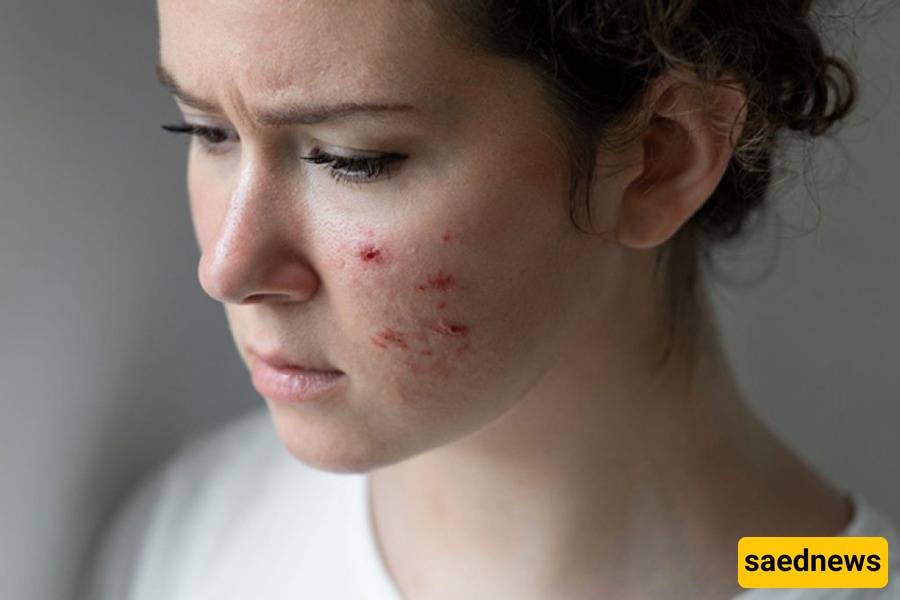
Some cosmetic products contain astringent substances that can trap residual makeup under the skin. In addition, certain compounds may draw more bodily substances toward the skin than can be properly eliminated. This buildup may ultimately result in acne formation.
Some ingredients used in cosmetics can cause sudden skin irritation. This triggers the body’s defensive response, and such reactions may lead to the development of pimples.
If brushes and sponges are not washed regularly, bacteria, skin oils, and leftover makeup accumulate on them. With each use, these contaminants are transferred to the skin.
When makeup tools are shared, especially in public environments such as photo studios or beauty salons, bacteria can be transferred to the skin, leading to breakouts.
Ingredients such as parabens, phthalates, formaldehyde, or artificial fragrances may cause allergic reactions in some individuals, resulting in pimples, redness, or itching.
After expiration, cosmetic ingredients may break down and form new compounds that irritate the skin. Storing makeup in hot or humid environments can also promote microbial growth.
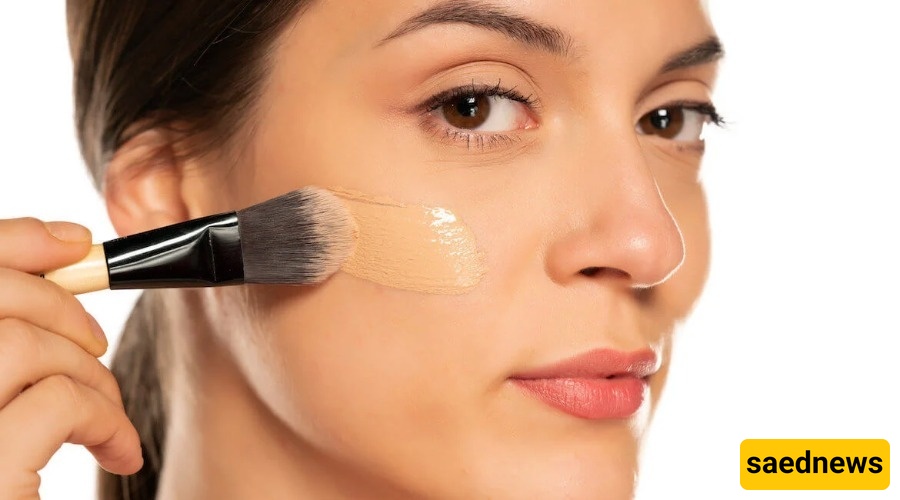
Layering products such as foundation, concealer, and heavy moisturizers can create multiple comedogenic layers on the skin. Incorrect application order (for example, applying moisturizer before foundation) may prevent proper absorption and block pores.
In hot weather or during exercise, makeup mixes with sweat, creating a warm and moist environment inside pores that promotes bacterial growth.
Some people experience hormonal fluctuations during menstruation, pregnancy, or stress. These changes can increase the skin’s sensitivity to cosmetic ingredients.
Choosing suitable cosmetic products and following proper hygiene practices can help maintain healthy skin. By selecting non-comedogenic products, maintaining a proper cleansing routine, regularly cleaning makeup tools, performing patch tests, and following skincare care routines, you can effectively prevent breakouts while still enjoying makeup.