SAEDNEWS: What do children’s drawings say? For example, if a child draws a predatory animal as the main element of their artwork, it may indicate hidden fear and anxiety about certain events in their life.
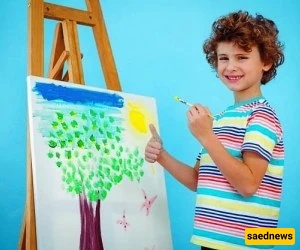
According to Saednews, Recently, at a “calligraphy painting” exhibition, an interesting scene caught my attention. A friend’s several-year-old child, distressed by his mother’s months of effort preparing the exhibition, sat in a corner drawing quietly. He was drawing a woman screaming and a girl whose hair was scattered on the ground. I found it interesting to hear the child explain his drawing, with his own consent. Without looking at me, he said: “I don’t love my mother anymore. I want to pull out my hair so she will look at me.”
Beyond children’s fantasies and imagination, and their verbal expression of phenomena that usually exist only in their minds, there is something deeper at work.
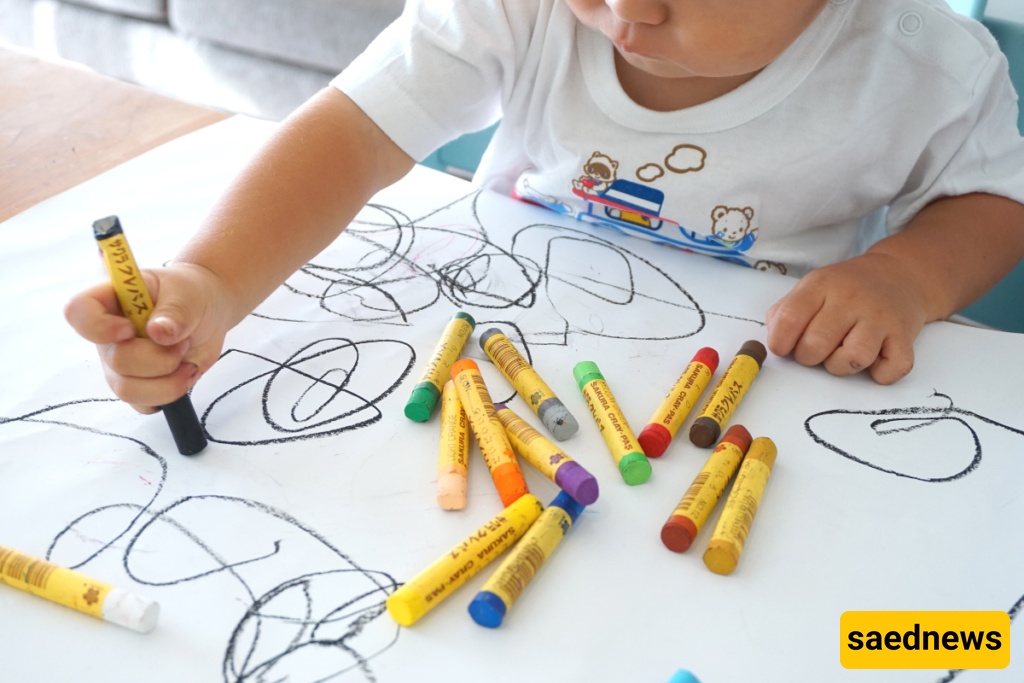
When a child understands and physically engages with colors, they are not afraid that if paint spills on the carpet, they will have to face consequences. Fear of experimentation in drawing can later turn into fear of encountering unknown realities in adulthood. When factors prevent a child from boldly experimenting with color combinations, their future path may change, and they may never even discover their interest in the playful world of colors in art. Later, in adolescence, these limitations can hinder recognition and development of their artistic talents.
It is valuable for children’s early experiences to include not only colored pencils, which are more common in households, but also gouache or watercolor paints. Discovering color combinations teaches a child that they can create a larger world. The joy of discovery and its process creates a sense of control over matters. The child can, without fear, create drawings on a larger scale than a notebook page in safe environments such as a backyard, park, kindergarten, or even school. This brings them one step closer to managing tasks and developing courage in exploring the unknown.
When a child draws, they primarily seek personal satisfaction. The interpretation or approval of adults is not important to them. To escape repeated questions, they may turn to imagination or fantasy storytelling. Sometimes, when overwhelmed by questions, they may even tear up their drawing to free themselves from the pressure of adult scrutiny. This is the greatest harm caused by excessive questioning.
In art classes, children enjoy being together and working in groups. They love their instructor and, more importantly, trust them. When the instructor asks all children about their drawings, they see it as a game and feel they should respond so the game continues. They accept and enjoy encouragement from both the instructor and peers. However, placing a child in a similar situation at home, under the observation of relatives and friends, often causes embarrassment when answering questions.
Sometimes children write things at the bottom of their drawings. They are not literate, but they know that, like in storybooks, they can add “writing” alongside their images. Occasionally, literate friends mock them, insisting that these meaningless lines do not belong to any alphabet and have no meaning. Older children, tired of repetitive drawing from younger ones, may also react similarly. In an instant, the child’s colorful world can collapse through such comments, replaced by darkness and despair.
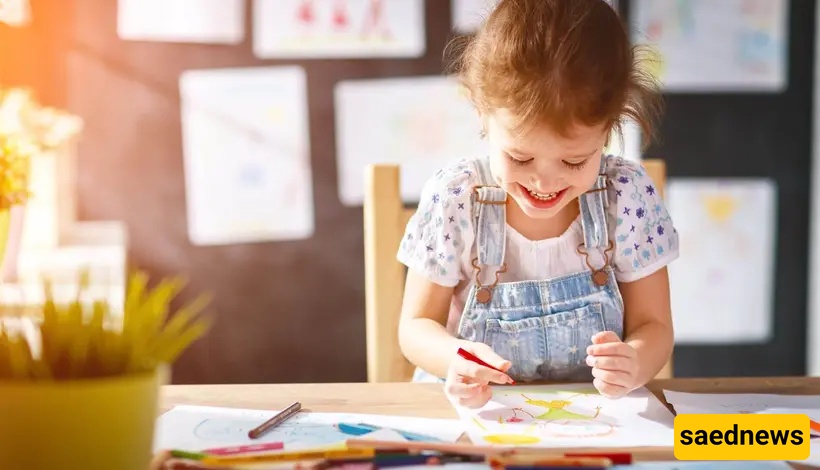
Usually, children imagine themselves within their drawings. The person closest to them emotionally is often drawn as the largest figure in the image—the one who provides them with security, calm, and love. Other figures may even be incomplete, but the person who represents safety is drawn in detail and prominence. This is not unusual. If a father appears outside the home in a drawing, the child should not be punished for it; it reflects their lived reality. Instead of reacting harshly, one should seek solutions that allow all family members to be present in the child’s sense of home.
Children who include elements of nature—such as the sun, trees, the sea, plants, and other living creatures—in their drawings are generally experiencing a joyful and carefree life. The presence of nature in their artwork reflects harmony with the natural world and affection for it. In contrast, isolated or angry children often struggle to connect with nature as well.
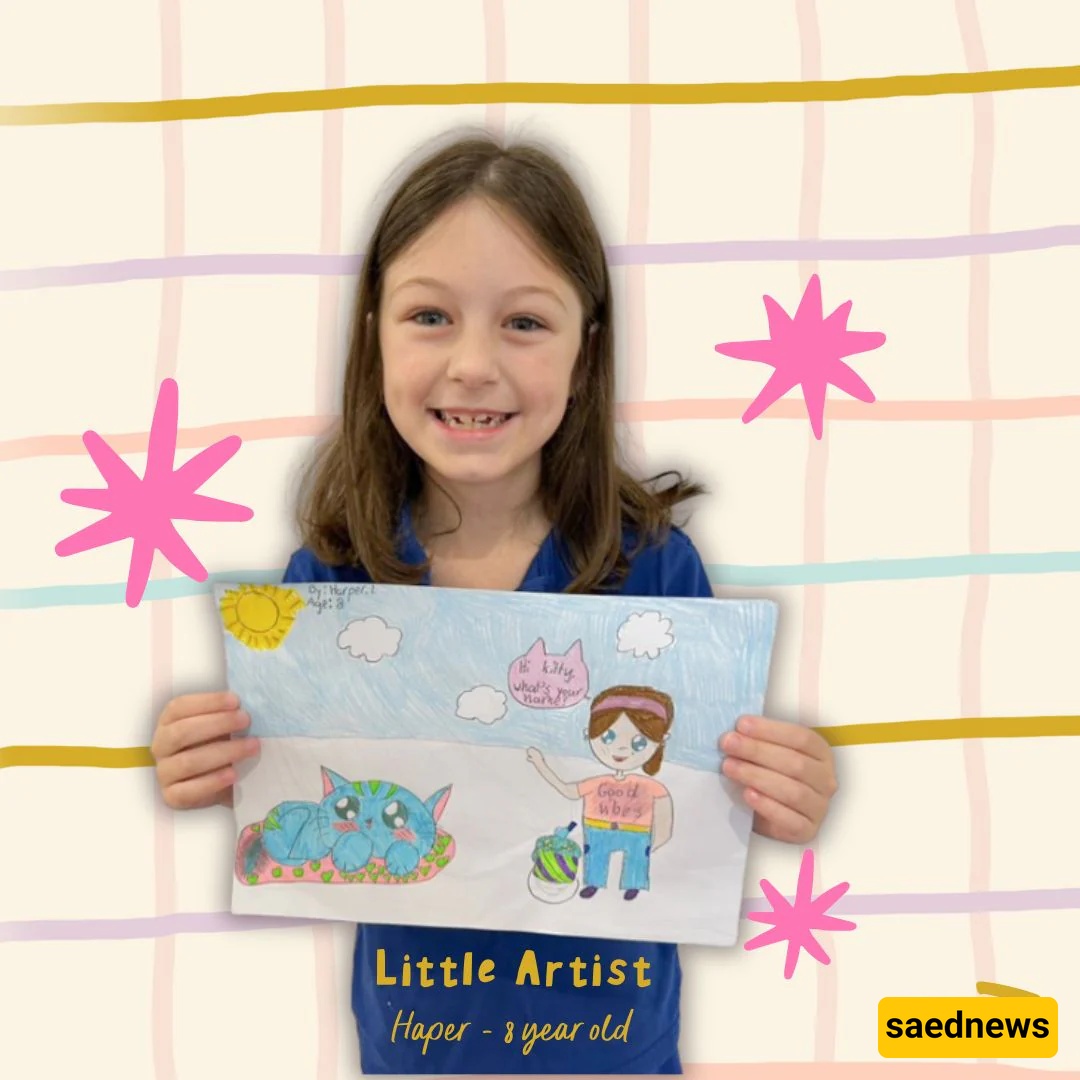
A child’s family lifestyle and culture play a significant role in how they relate to nature. Families that respect animal rights usually teach children to be gentle with animals such as dogs, chickens, and roosters, and these creatures often appear in their drawings. If a child draws a predatory animal as the central element of their artwork, it may indicate hidden fears or anxiety about events in their life.