SAEDNEWS: Excess weight has various causes. Having information about the reasons for severe obesity can be very effective in the weight loss process. In this article, the causes of obesity and reliable methods for losing weight are explained, which are specifically tailored for you.
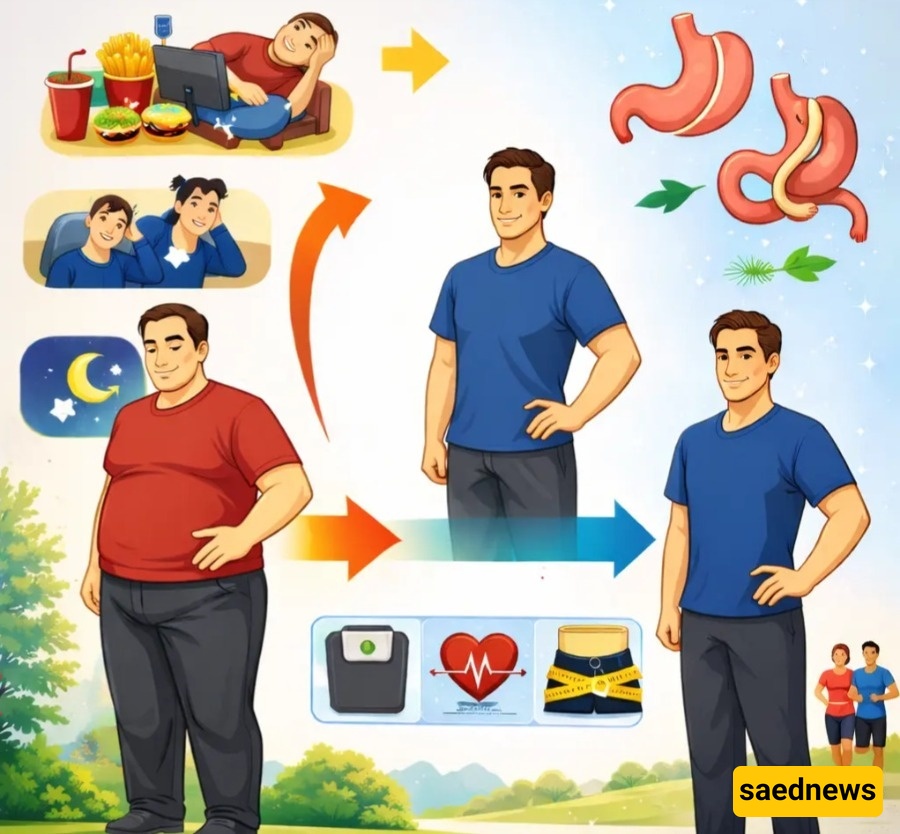
According to Saednews, Fat accumulation in the abdominal and waist area has become one of the most common, challenging, and at the same time dangerous health problems. In addition to negatively affecting body shape and appearance, it increases the risk of heart disease, diabetes, and high blood pressure. Abdominal and waist obesity can develop for various reasons, the most important of which are explained below.
One of the main causes of abdominal and waist fat is an unhealthy and unbalanced diet. Consuming foods high in sugar, fatty foods, and meals lacking sufficient protein can lead to weight gain, reduced metabolism, and shorter satiety duration.
A sedentary lifestyle and lack of physical activity prevent the body from burning consumed calories, leading to weight gain. Inactivity also reduces metabolism and the body’s fat-burning capacity.
Habits such as insufficient sleep, smoking, stress and anxiety, alcohol consumption, and poor sleep quality can significantly contribute to weight gain and abdominal fat accumulation.
One of the most common and effective ways to reduce weight and eliminate abdominal fat is consistent physical activity. Regular exercise increases metabolism and enhances fat burning, helping reduce excess body fat.
A healthy diet should include fresh fruits and vegetables, fiber, and protein to meet the body’s nutritional needs and keep a person full for longer periods. At the same time, the consumption of sugary, fatty, and high-calorie foods should be limited.
Replacing unhealthy habits such as smoking, alcohol consumption, insufficient sleep, and dehydration with healthier behaviors can significantly support weight loss and fat reduction.
These general methods can be effective for weight reduction; however, for individuals with resistant fat or those who do not have enough time to follow these methods, the results may not be significant.
Unlike diet and exercise, weight-loss surgeries can reduce body weight in a shorter period and are considered effective methods for removing resistant abdominal fat. The most common surgical procedures include:
Sleeve gastrectomy involves removing a large portion of the stomach, leaving a narrow tube-shaped stomach. This reduces stomach capacity, decreases appetite, and lowers food intake, resulting in weight loss.
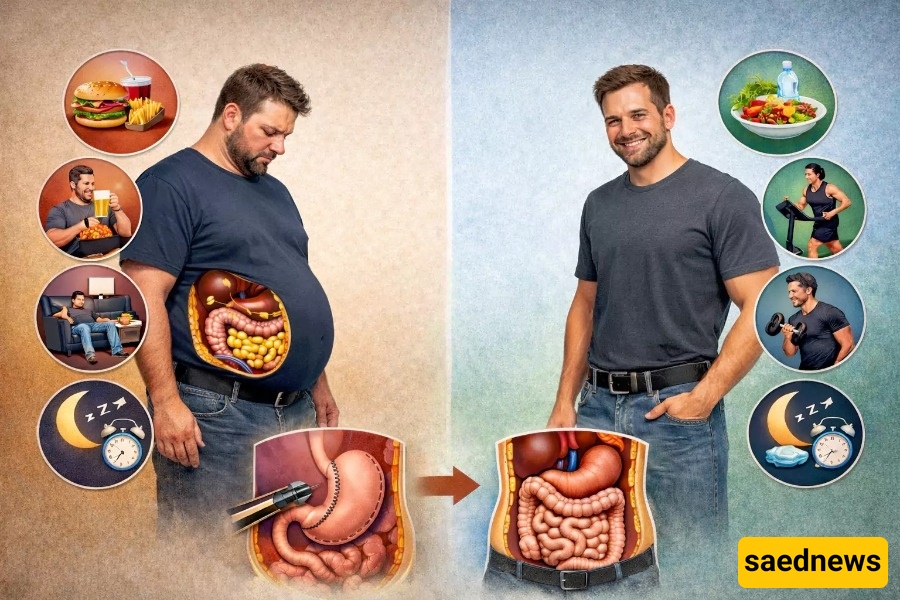
In gastric bypass surgery, the size of the stomach is reduced, and the digestive tract is rerouted so that food bypasses part of the stomach and enters the intestine more directly. This leads to reduced food intake and earlier satiety.
Mini gastric bypass is a combination procedure that reduces stomach size and connects it to the small intestine in a modified way. It is typically recommended for individuals with severe obesity who have not achieved results through diet and exercise. It reduces food intake and prolongs satiety.
SASI bypass involves removing part of the stomach and connecting the end of the small intestine to the stomach. This procedure helps reduce food intake and supports weight loss in individuals with severe obesity.
Bariatric surgeries are generally suitable for individuals with severe obesity (BMI of 40 or higher), especially those who have not achieved weight loss through diet and exercise. They may also be recommended for individuals suffering from obesity-related conditions such as diabetes and cardiovascular diseases.