SAEDNEWS: Sumac is a popular seasoning in Iranian cuisine, adding a pleasant, tangy flavour to dishes. However, bitterness can sometimes affect its taste and diminish the overall dining experience. This article explores the reasons behind bitter-tasting sumac and practical ways to prevent it.
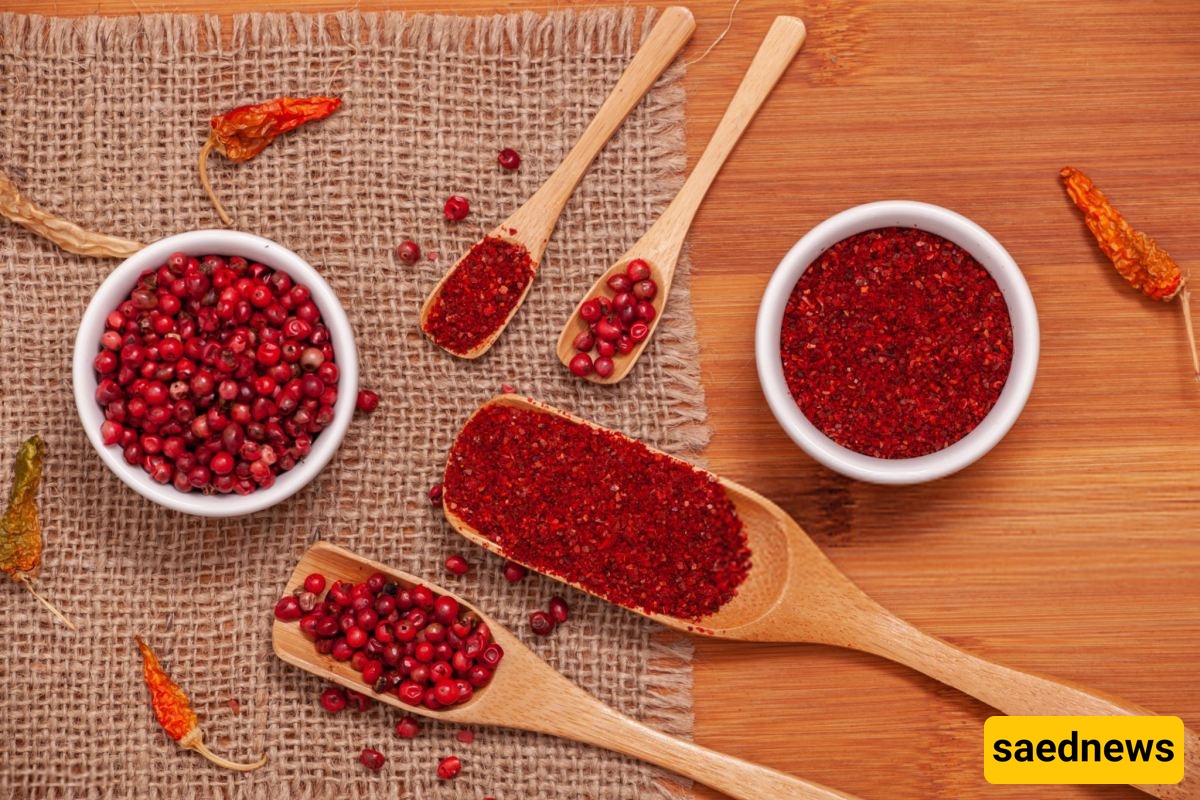
According to Saednews, To understand why sumac tastes bitter, it is important to identify the compounds responsible for its flavor. Sumac is rich in organic acids, such as malic acid and citric acid, which give it its characteristic sour taste. Phenolic compounds and tannins contribute to its astringency and mild bitterness. Anthocyanins are responsible for its deep red color, while volatile oils found in the seeds contribute to its distinctive aroma.
Any change in the balance of these compounds can affect sumac's overall flavor. For example, when organic acids break down or tannins undergo oxidation, the sourness becomes less noticeable, while bitterness becomes more pronounced. Therefore, bitter sumac is often the result of an imbalance in its flavor profile rather than simply the presence of bitter compounds.
One of the most common reasons sumac becomes bitter is aging and oxidation. Once ground, sumac has a larger surface area exposed to air, allowing its phenolic compounds and oils to react more readily with oxygen.
This oxidation process can cause its color to change from bright red to dark brown and make its flavor harsher and more bitter. Sumac stored improperly for more than a year will often lose much of its original flavor.
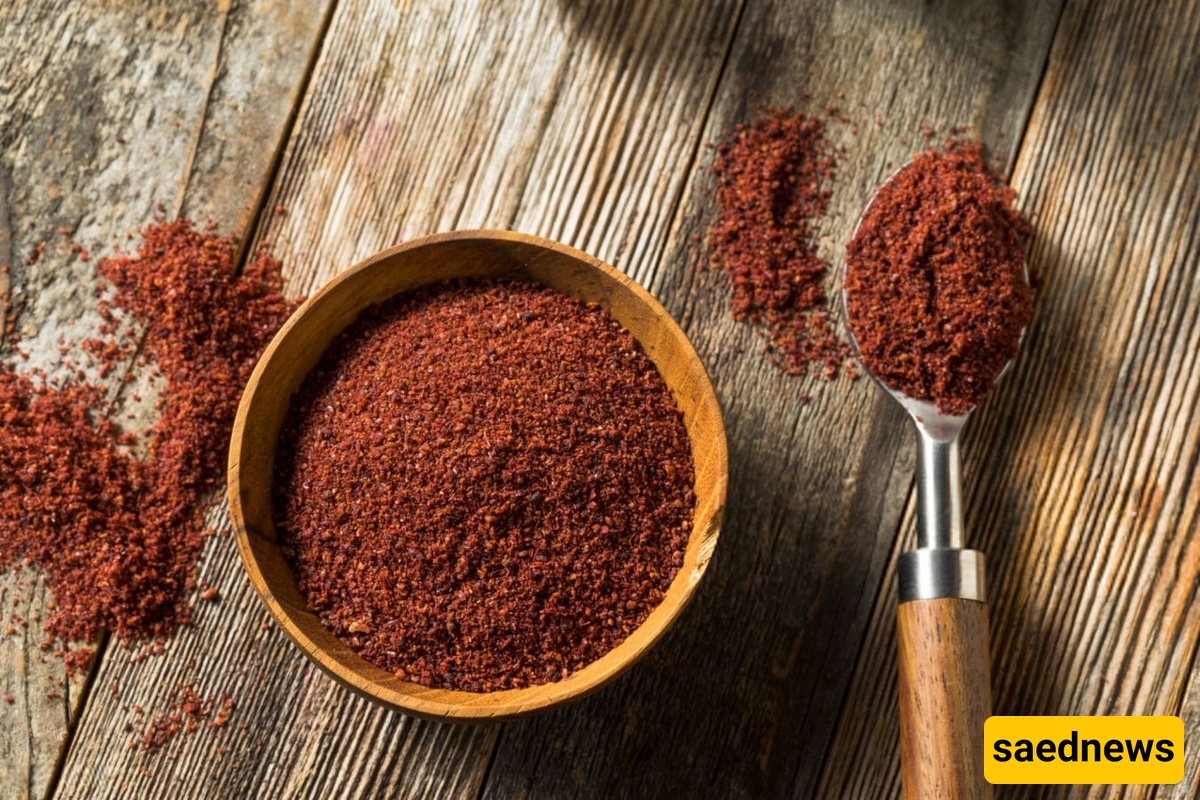
Sumac is highly sensitive to moisture. When moisture enters sumac powder, its particles may stick together and form lumps, creating favorable conditions for mold and microbial growth.
Even before visible mold appears, moisture-related chemical reactions can make sumac taste bitter and develop an unpleasant smell. Storing sumac on a shelf above the stove or near the kitchen sink is a common mistake.
Direct sunlight and high temperatures can damage sumac's anthocyanins and accelerate oxidative reactions.
As a result, sumac may lose its characteristic red color and aroma while developing a bitter taste. For this reason, it should be stored in an airtight container in a cool, dark place.
Storing sumac in metal containers, particularly those made of iron, copper, or aluminum, may contribute to changes in its flavor.
The acids naturally present in sumac can react with certain metals, potentially producing metallic or unpleasant flavors. Dark glass jars, covered ceramic containers, and suitable airtight food-storage bags are better alternatives.
Low-quality or adulterated sumac is relatively common in some markets. To increase weight and reduce production costs, some suppliers may mix sumac with ingredients such as salt, dried pomegranate powder, bran, sawdust, artificial coloring, or even small stones.
Excessive salt can make sumac taste unusually salty and, when combined with other impurities, may create an unpleasant overall flavor.
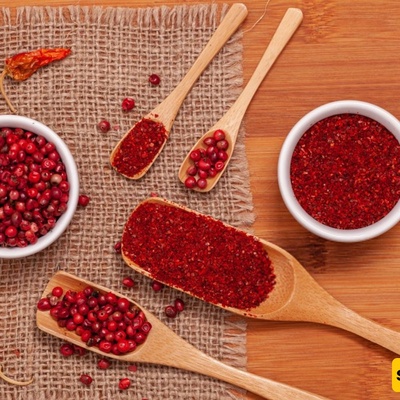
Authentic sumac should have a pleasant aroma, a relatively uniform red color, and a sour, mildly astringent taste.
Sumac made from unripe berries, incompletely dried fruits, or old raw materials may have a bitter taste from the beginning.
Harvesting berries too early can result in higher-than-normal levels of bitter compounds. Improper drying, such as drying in excessively humid conditions or at very high temperatures, can also destroy aromatic compounds and negatively affect the flavor.
Sumac berries contain hard, woody seeds. In high-quality processing, the seeds and stems are properly separated from the edible outer fruit.
However, in cheaper production methods, all parts may be ground together. Crushing the hard seeds can create a coarse, gritty texture and introduce a strong bitter and astringent flavor.
If your sumac feels gritty or sandy between your teeth, it may have been ground with its seeds.
Grinding sumac into an extremely fine powder increases its exposure to air and accelerates oxidation.
As a result, finely ground sumac may lose its aroma and develop bitterness much faster than coarsely ground sumac. A medium grind is generally preferable for preserving its flavor and shelf life.
One common cooking mistake is adding sumac at the beginning of the cooking process or frying it in hot oil.
High temperatures can damage its aromatic compounds and produce an unpleasant bitter taste. Sumac is best added toward the end of cooking or after the heat has been turned off.
Mixing it with very hot fried onions or adding it directly to an extremely hot pan can also quickly alter its flavor.
Even high-quality sumac does not last indefinitely. Its best flavor is generally maintained for approximately 6 to 12 months after production.
Beyond this period, its flavor gradually deteriorates, even when stored properly, and the likelihood of bitterness increases.
Checking the production date and purchasing quantities appropriate for your consumption are simple but effective ways to maintain its quality.
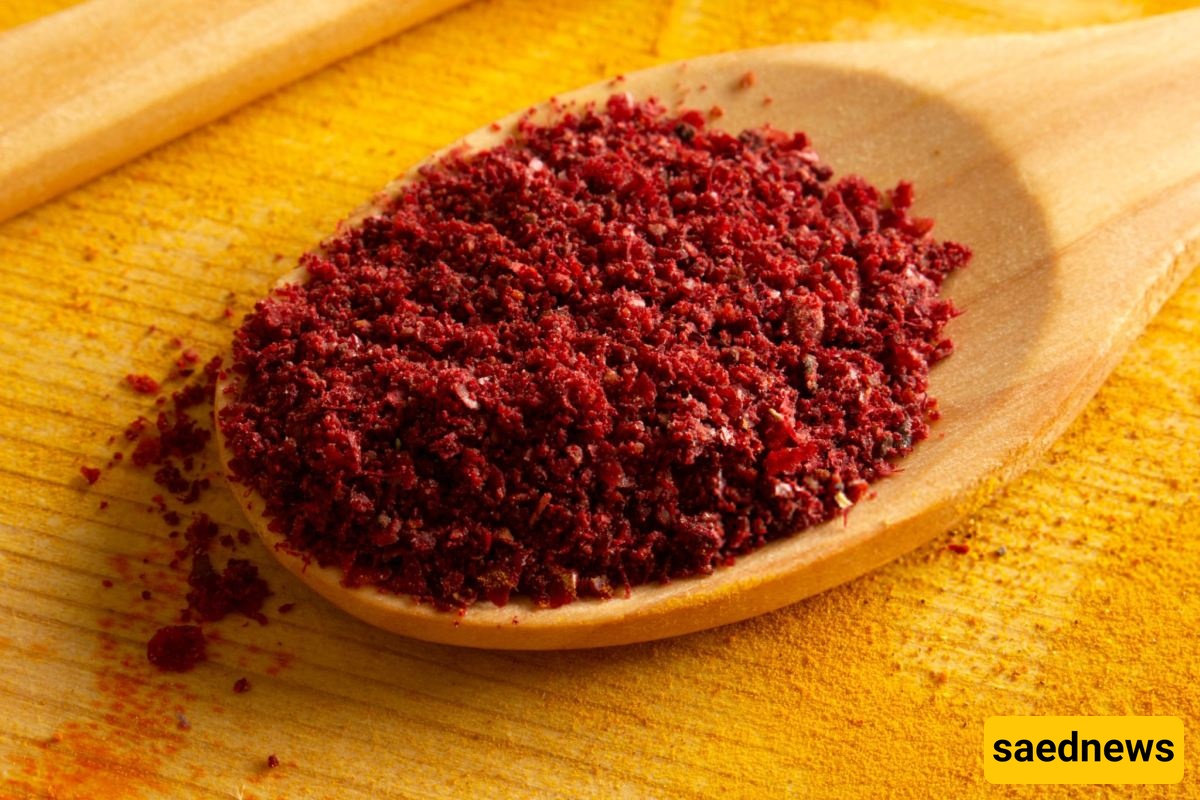
In most cases, bitterness indicates aging, oxidation, or the presence of impurities and does not necessarily pose a serious health risk. However, it should not be ignored.
If sumac smells musty, damp, or earthy, or has changed significantly to a dark brown color, mold growth and possible toxin production may be concerns. Consuming such sumac is not recommended.
Sumac containing unauthorized artificial colors or mineral contaminants may also be harmful.
If you notice an unusual smell or signs of spoilage, the safest option is to discard it.
Follow these practical tips to preserve the natural flavor and quality of sumac:
Buy from reputable suppliers: Choose trusted sellers and look for sumac with a natural color and aroma.
Check its smell and taste: Authentic sumac should have a pleasant, slightly sour aroma and a mildly astringent flavor, rather than an intensely bitter or salty taste.
Use airtight glass containers: Store sumac in a sealed container away from light, heat, and moisture.
Avoid metal containers: Choose dark glass or ceramic containers instead of metal tins.
Refrigerate in humid climates: Keeping sumac in a cool section of the refrigerator may help protect it from environmental moisture, provided it is kept tightly sealed.
Add it toward the end of cooking: Add sumac during the final minutes of cooking or after turning off the heat.
Buy smaller quantities: Purchase only enough for a few months to prevent prolonged storage.
Avoid wet spoons: Always use a completely dry spoon to prevent moisture from entering the container.
If sumac has developed a slightly bitter taste but has no unpleasant odor or signs of mold, you may be able to improve its flavor to some extent.
For example, mixing it with a small amount of fresh sumac or saffron petal powder may help balance its flavor. You can also use mildly bitter sumac in strongly flavored dishes, such as eggplant stew or Mirza Ghasemi, where its bitterness may be less noticeable.
However, if the bitterness is intense or the sumac has an unpleasant smell, discoloration, or signs of mold, discarding it is the best option. Using spoiled sumac may compromise the flavor and safety of the entire dish.
The key to maintaining good-quality sumac is proper storage, choosing fresh and authentic products, and protecting it from moisture, heat, light, and excessive exposure to air.