SAEDNEWS: How to Remove Hair Dye Stains from Skin: Safe and Effective Home Remedies, Prevention Tips, and Methods to Avoid
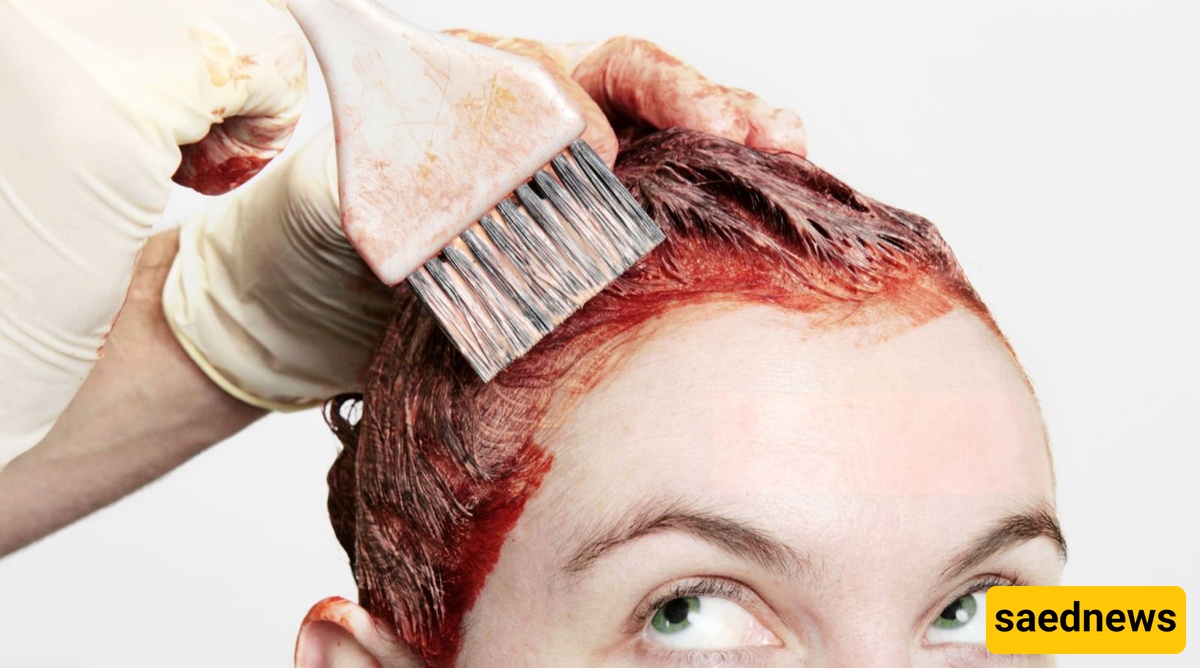
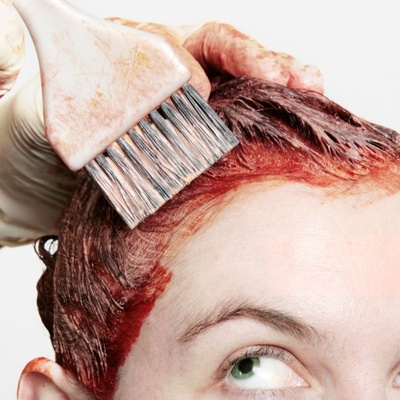
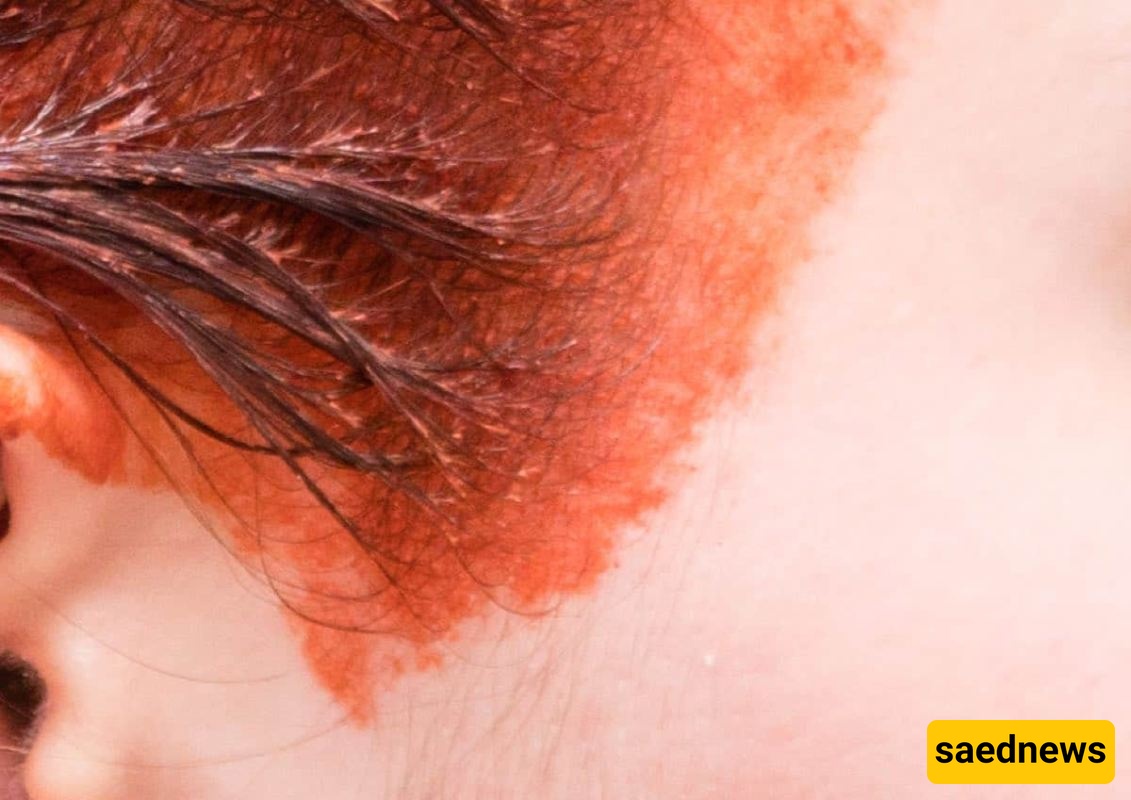
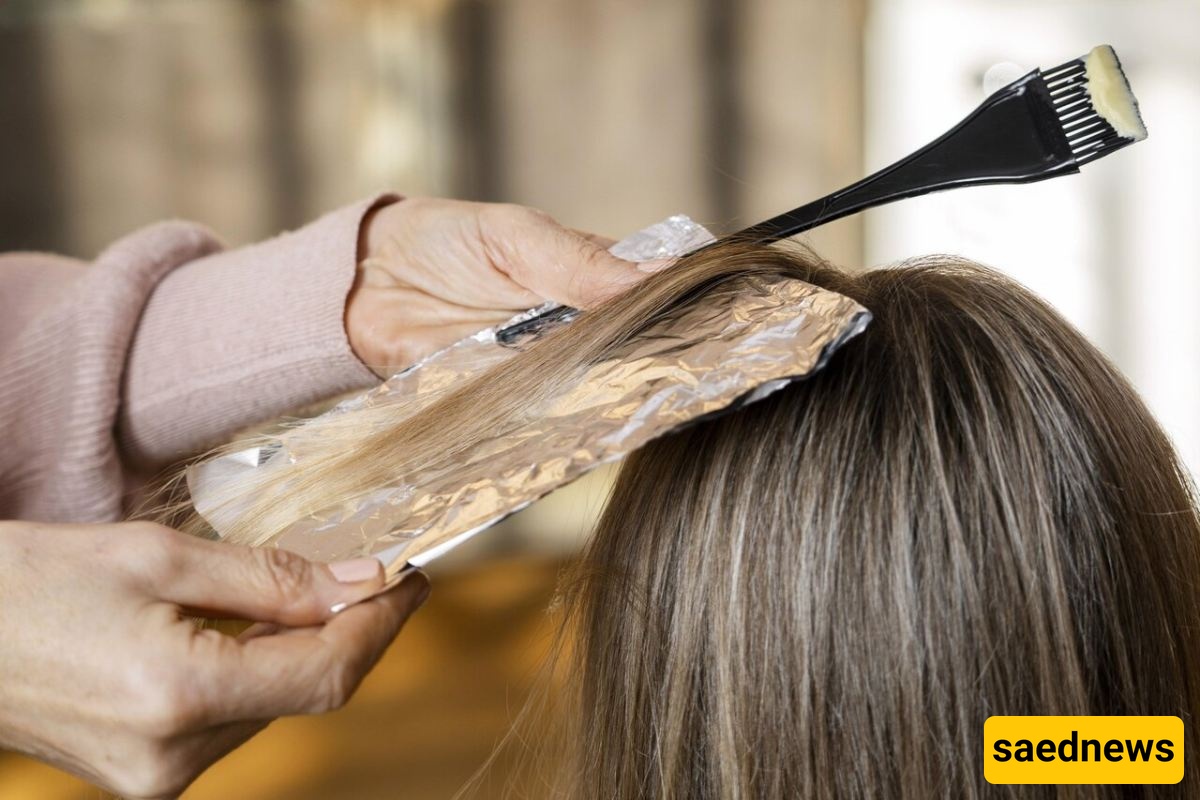
According to Saednews, Hair dye, particularly permanent and semi-permanent formulas, contains strong pigments and chemicals designed to penetrate the hair shaft. During the coloring process, some of these substances come into contact with the skin. The outermost layer of the skin, known as the stratum corneum, can trap these pigments, resulting in visible stains. This does not mean the dye has penetrated deeply into the skin; it is generally a superficial cosmetic stain.
Darker shades, such as black, dark brown, copper, and red, tend to leave more noticeable stains. The longer the dye remains on the skin and dries when exposed to air, the harder it becomes to remove. Therefore, acting quickly is essential. Fresh stains are much easier to remove using gentle methods.
As soon as you notice hair dye on your skin, take action.
First, wash your hands to prevent the dye from spreading to other areas. Then, gently clean the stained area with lukewarm water and a mild cleanser, such as fragrance-free soap or facial wash.
Avoid using hot water, as it may irritate the skin and potentially make the stain more difficult to remove.
Do not scrub aggressively or rub your skin with a rough towel. The skin around the face and neck is particularly sensitive, and excessive friction can cause redness, irritation, or even minor scratches.
If the stain is around your ears or hairline, gently wipe it with a cotton pad soaked in makeup remover.
When removing hair dye stains from the skin, patience and gentle care are more important than aggressive scrubbing.
There are several home remedies for removing hair dye stains, but not every method is suitable for all skin types. Before applying any substance, test it on a small area, such as the inside of your arm.
If you have sensitive, dry, irritated, or damaged skin, avoid stronger cleaning methods.
Oils are among the safest options for removing hair dye stains from the skin. Baby oil, olive oil, coconut oil, and castor oil can help loosen pigments and make them easier to remove.
Apply a small amount of oil to a cotton pad and place it over the stain for a few minutes. Gently rub the area in circular motions, then wash it with a mild cleanser.
This method is generally suitable for dry and sensitive skin because it does not excessively strip away the skin's natural oils.
However, if you have oily skin, make sure to wash your face afterward to remove any remaining oil.
Makeup removers, particularly dual-phase formulas and micellar water, can help remove superficial hair dye stains.
Soak a cotton pad with the product and gently wipe the stained area. Avoid rubbing too hard.
Cleansing milk is another gentle option, although it may not be effective enough for stubborn stains.
If your makeup remover contains alcohol, avoid using it on sensitive skin or near your eyes. For stains around the eyes, use only eye-safe products or lukewarm water.
Baking soda acts as a mild exfoliant and may help loosen superficial pigment stains.
To prepare the paste, mix a small amount of baking soda with water until it forms a smooth consistency.
Apply it to the stain for one to two minutes, then gently remove it without applying pressure. Rinse the area immediately with lukewarm water.
Do not use this method on sensitive, inflamed, or damaged skin. Avoid leaving the paste on for too long, as it can cause dryness.
This method should never be used as a substitute for appropriate treatment if an allergic reaction occurs.
Toothpaste is a commonly suggested remedy for removing hair dye stains, but it should be used cautiously.
Apply a small amount of plain white, non-gel toothpaste to the stain and leave it for no longer than one minute. Gently remove it with your fingertip or a soft toothbrush without applying pressure.
Toothpaste may dry out the skin and is not recommended for sensitive skin.
Avoid toothpastes containing strong abrasive particles, harsh whitening ingredients, or intense mint flavoring, especially on the face.
Never use this method near the eyes, lips, or on damaged skin.
If the hair dye stain remains after several hours or a day, you may consider using a gentle exfoliating method.
A facial scrub with very fine particles or a soft, damp washcloth used with gentle movements may help remove dead skin cells containing pigment.
Do not exfoliate more than once a day.
Excessive exfoliation can damage the skin barrier and cause inflammation. If your skin becomes red, dry, or sensitive, stop exfoliating and use only a gentle moisturizer.
Specialized wipes designed to remove hair dye from the skin are also available.
These products generally contain mild solvents and moisturizing ingredients and are formulated for use on areas such as the face and neck.
Check the ingredients before purchasing. If you have sensitive skin, avoid products containing high concentrations of alcohol or strong fragrances.
Some commonly suggested methods can be harmful and should never be used to remove hair dye stains from the skin.
Avoid using:
Acetone and nail polish remover
Bleach
Gasoline
Industrial solvents
These substances can seriously damage the skin and may cause chemical burns, severe dryness, redness, and inflammation.
You should also avoid aggressive scrubbing with pumice stones, rough brushes, or your fingernails.
The skin on your face and neck is much thinner and more vulnerable than the skin on your hands and feet.
Applying undiluted lemon juice is also not recommended because it can irritate the skin and increase sensitivity to sunlight.
If gentle methods do not remove the stain, it is better to wait a few days for it to fade naturally rather than risk damaging your skin.
The easiest way to remove hair dye stains is to prevent them from developing in the first place.
Before coloring your hair, apply petroleum jelly or a thick barrier cream along your hairline, forehead, around your ears, and on your neck. This protective layer helps prevent direct contact between the dye and your skin.
You should also use protective gloves, a hairdressing cape, and keep wet wipes nearby.
If you color your hair at home, follow the product instructions carefully and avoid allowing excess dye to spread onto your skin.
Once you finish applying the dye, immediately remove any fresh stains with a damp cotton pad.
The less time hair dye stays on your skin, the easier it will be to remove.
Removing hair dye stains from the skin does not require harsh chemicals or aggressive scrubbing. Gentle oils, makeup removers, and appropriate cleansing products are often enough to deal with fresh stains.
The most important factors are acting quickly, choosing a method suitable for your skin type, and avoiding irritating substances.
With proper preparation and a gentle approach, you can keep your skin free from unwanted hair dye stains while protecting its natural barrier.