SAEDNEWS: Sound therapy is a complementary approach that uses sound to support physical and psychological well-being. This article explores its definition, underlying mechanisms, techniques, potential benefits, and scientific evidence.

According to Saednews, The sound of a drop of water, the ringing of a bronze bowl, or the sustained note of a tuning fork can transform our inner state within moments. Humans have been familiar with this experience for thousands of years. In recent decades, however, this ancient understanding has been reorganized into a more structured and systematic approach known as sound therapy or sound healing.
Today, sound is used as a tool to reduce stress, improve sleep, and relieve pain in rehabilitation clinics, elderly care facilities, meditation studios, and even hospitals.
Nevertheless, there is a significant gap between exaggerated promotional claims and scientific evidence. This article provides a comprehensive, balanced, and evidence-based overview of sound therapy, covering its definition, history, neurological mechanisms, common techniques, research findings, and important precautions.
Sound therapy is a group of complementary therapeutic approaches that use sound waves, vibrations, music, and rhythmic tones to influence a person's physical, psychological, and emotional well-being.
Contrary to popular belief, sound therapy is not simply about listening to relaxing music. It is an interdisciplinary field connected to both clinical music therapy and traditional healing practices from Eastern cultures.
More precisely, sound therapy can be divided into two main branches:
Clinical and evidence-based approaches: These involve trained music therapists using structured programs to achieve specific goals, such as reducing anxiety before surgery or improving speech in stroke patients.
Vibrational and intuitive approaches: These focus primarily on personal experiences, meditation, and the concept of energy alignment. Instruments such as Tibetan singing bowls, gongs, and tuning forks are commonly used.
Understanding the distinction between these two branches is essential because their scientific credibility and clinical applications are not the same.

The key question is how sound waves travel from the ears and influence the body and mind. Research has identified several possible mechanisms:
1. The auditory-neural pathway
After entering the ear, sound is processed through the auditory pathways in the brainstem and eventually reaches the auditory cortex. Regular and predictable sounds may reduce sympathetic nervous system activity (the body's fight-or-flight response) and enhance parasympathetic activity, which is associated with relaxation.
2. Effects on heart rate and breathing
Slow-tempo music, particularly music around 60 beats per minute, may help reduce heart rate and breathing speed. This phenomenon is known as entrainment, in which biological rhythms synchronize with external rhythmic stimuli.
3. Hormonal responses
Evidence suggests that listening to relaxing music may reduce cortisol levels, the hormone associated with stress, while increasing the release of dopamine and endorphins.
4. Mechanical vibrations
In techniques such as Tibetan singing bowl therapy, where vibrating bowls are placed on or near the body, mechanical vibrations are transmitted to surrounding tissues. These vibrations may influence bodily awareness and attention, potentially promoting localized relaxation.
5. Attention and distraction
Some of the soothing effects of sound may result from psychological mechanisms, including redirecting attention, creating a sense of safety, and establishing a calming therapeutic ritual, rather than from sound waves alone.
6. Brainwave activity
Some studies suggest that rhythmic sounds can influence patterns of brainwave activity. However, definitive claims about synchronizing the brain's hemispheres or deliberately activating alpha waves should be treated with caution.
Metal or crystal bowls produce sustained, harmonic-rich sounds when struck or played with a mallet in a circular motion.
During a sound bath, several bowls tuned to different frequencies are played while participants lie down and listen.
This technique is primarily used for relaxation and meditation.

Gongs produce rich, powerful, resonant sounds and have symbolic significance in several Eastern traditions, where they are associated with mental cleansing and spiritual awareness.
Gong sessions can create deeply immersive experiences, although some people may find the intensity of the sounds overwhelming.
Tuning forks are precision instruments designed to produce specific frequencies. In certain therapeutic practices, they are placed near the ears or on particular points of the body.
Their clinical use in hearing assessments is well established. However, broader therapeutic claims, such as regulating the body's energy field, lack strong scientific support.
Clinical music therapy is a structured professional discipline conducted by trained therapists.
It may include:
Musical improvisation
Songwriting
Guided music listening
Rhythm-based interventions
It has documented applications in autism, dementia, depression, motor rehabilitation, and palliative care.

Repeating vocal sounds, chanting, and group singing can help regulate breathing and strengthen feelings of social connection.
Singing as an active practice has a range of physical and psychological benefits and has gained particular attention in promoting the well-being of older adults.
Methods such as Tomatis Auditory Training, the Bonny Method, and sound-based vibrational therapy each have their own theoretical frameworks.
Some are used in rehabilitation programs for learning difficulties or tinnitus, although the quality of supporting evidence varies and is sometimes limited.
Claims are frequently made about the therapeutic properties of specific frequencies, including 432 Hz and 528 Hz.
To date, reliable scientific research has not established that these frequencies are definitively superior to the standard tuning frequency of 440 Hz for treating medical conditions.
Much of the information promoting these frequencies lacks sufficient experimental evidence.

Sound therapy and music therapy have their strongest research support in the following areas:
Reducing anxiety and stress: Particularly before medical procedures and in healthcare settings.
Improving sleep quality: Relaxing music and continuous soothing sounds may reduce the time it takes to fall asleep.
Pain management: Music can serve as a complementary intervention for chronic pain and post-surgical discomfort.
Elderly care and dementia: Music may stimulate memories, reduce agitation, and improve social interaction.
Neurological rehabilitation: Rhythm-based therapy can support gait retraining in people with Parkinson's disease and improve speech recovery following a stroke.
Psychological support for cancer patients and palliative care: Music may reduce feelings of isolation and improve quality of life.
Children's well-being: Sound-based activities may help with relaxation, concentration, and emotional expression.
It is important to be clear: clinical music therapy and structured sound-based interventions have a substantial body of research behind them and are accepted as complementary treatments in many clinical guidelines.
By contrast, some claims associated with intuitive sound healing, such as eliminating toxins through vibrations or curing cancer with specific frequencies, have no credible scientific foundation and may even be dangerous if they discourage people from receiving effective medical treatment.
Another important issue is the quality of many existing studies. Common limitations include small sample sizes, the absence of control groups, and the difficulty of separating the effects of sound from those of expectations and the therapeutic setting.
Therefore, the most reasonable conclusion is that sound therapy should be viewed as a complementary tool for improving quality of life and reducing distress, not as a replacement for conventional medical care.

Although sound is generally safe, certain situations require additional care:
People with epilepsy, severe tinnitus, or sound sensitivity should participate cautiously and seek professional guidance.
Excessively loud sounds can damage hearing. Sessions should always be conducted at safe volume levels.
Individuals with post-traumatic stress disorder (PTSD) may experience distress or the resurfacing of unpleasant memories during sound bath sessions.
Sound therapy should never replace medical diagnosis or prescribed treatment.
Choosing a properly trained and qualified therapist is essential.
If you would like to explore sound therapy, there are several simple steps you can follow.
First, identify your objective. Are you hoping to reduce stress, improve sleep, or complement an existing treatment?
Next, look for a therapist or facility with relevant training, recognized qualifications, and professional experience.
During your first session, avoid expecting miraculous results. Instead, focus on your personal experience and how your body responds.
If you experience dizziness, nausea, severe anxiety, or ear discomfort, stop the session.
For better overall results, consider combining sound therapy with healthy sleep habits, regular physical activity, and effective stress management.
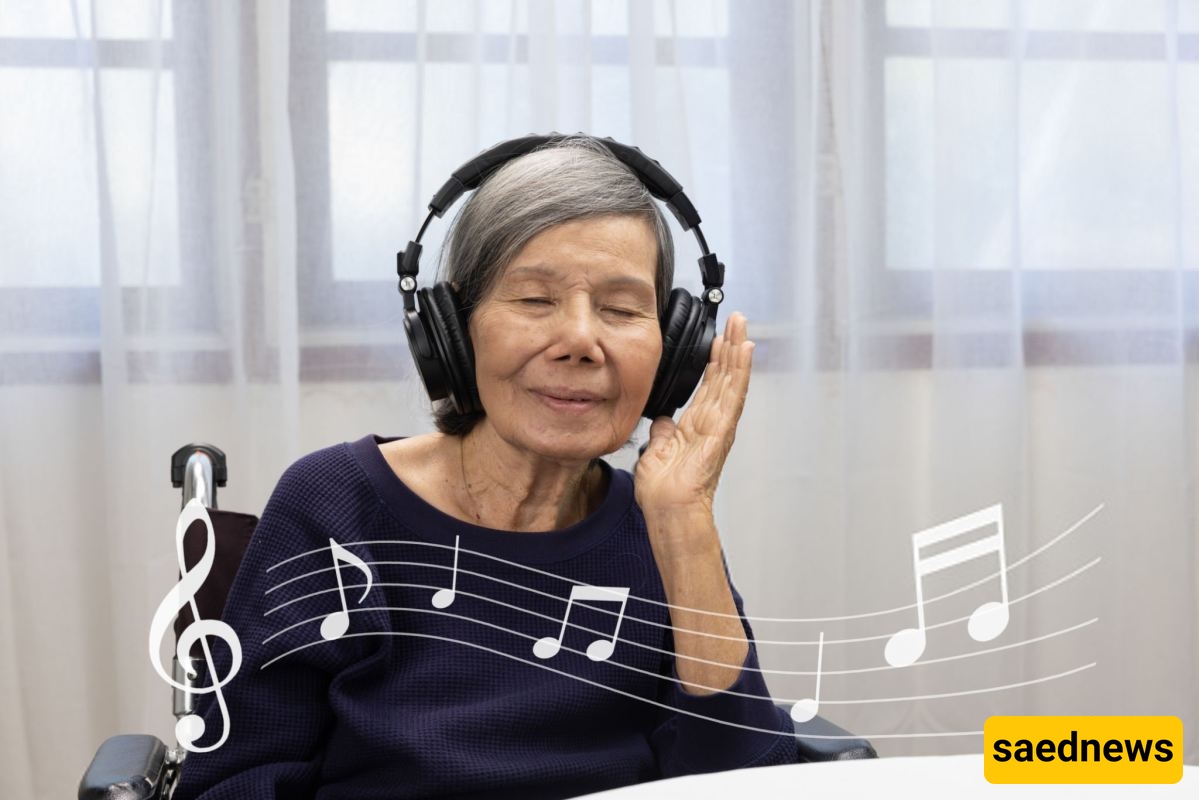
Sound therapy offers an interesting way to explore the relationship between sound, the brain, the body, and emotional well-being.
Scientific research supports the use of clinical music therapy and certain structured sound-based interventions for reducing anxiety, managing pain, improving sleep, and supporting neurological rehabilitation.
However, not every sound healing technique has been scientifically validated. In particular, claims involving miraculous healing frequencies, energy cleansing, or cures for serious diseases should be approached with skepticism.
Ultimately, sound therapy can be a valuable complementary approach to relaxation and well-being when practiced safely and alongside evidence-based medical care.