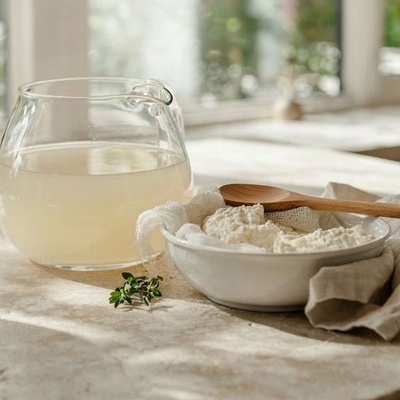
SAEDNEWS: Whey, a by-product of the dairy industry, is rich in soluble proteins, lactose, and minerals. This article explores its nutritional value and the diverse applications of whey and whey powder in the food industry and home cooking.
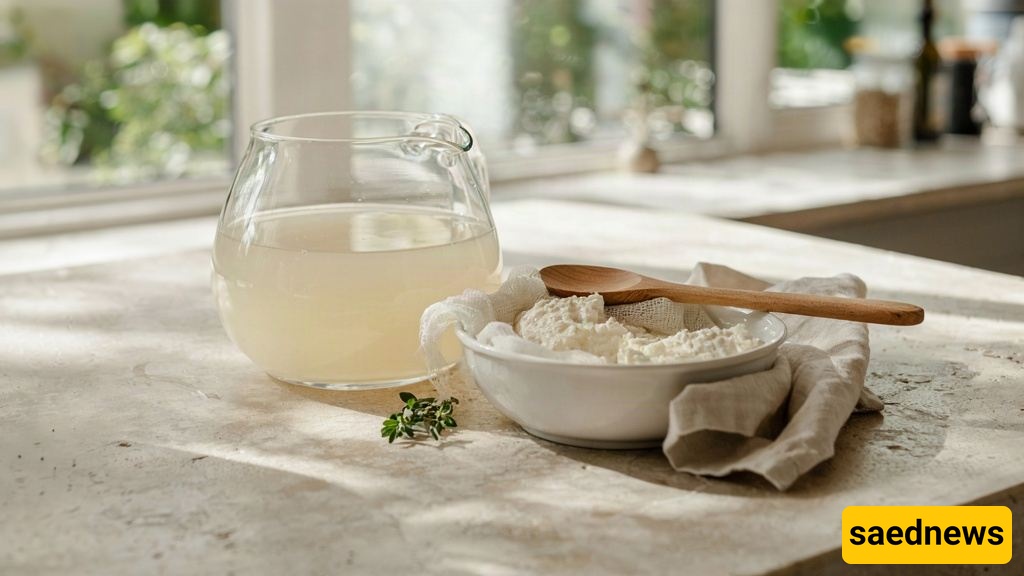
According to Saednews, Whey can be described as the liquid portion of milk that remains after casein coagulates and is separated. During cheese production, lactic acid bacteria become active and produce acid. This acid causes the main milk proteins, known as casein, to coagulate. As a result, the solid portion, which is primarily used to make cheese, separates from the liquid portion. The remaining liquid is known as whey.
Whey, however, is far from being a worthless by-product. It contains soluble proteins, lactose, organic acids, minerals, and certain vitamins. For this reason, it plays an important role in the food industry and the production of protein supplements.
Today, whey is not used exclusively in its liquid form. One of its most common forms is whey powder. It is produced by drying liquid whey and has become an important ingredient in the food industry due to its longer shelf life, easier transportation, and wide range of applications.
Whey powder is used in the production of various food products, including snacks, potato chips, popcorn, extruded snacks, bakery products, beverages, and certain dairy products. It can help improve texture, flavor, nutritional value, and the overall appearance of food products. In some formulations, it also serves as a functional ingredient.
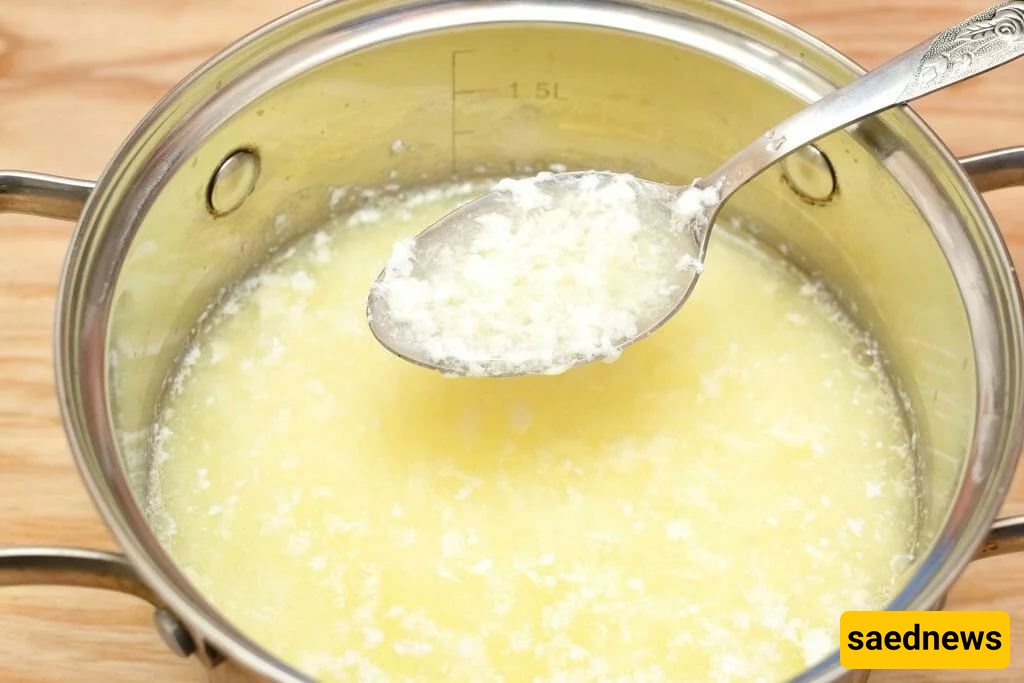
One of the major applications of whey and whey powder is in the production of snacks and snack foods. Whey powder can be used in potato chips, popcorn, extruded snacks, and similar products. Its presence can contribute to a desirable flavor and enhance the nutritional value of the finished product.
In industrial food production, whey powder is used to improve flavor coatings, extend shelf life, and create desirable sensory characteristics. Beyond industrial applications, however, it can also be used at home to prepare healthier snacks. Families can use whey powder to make homemade snacks without preservatives while achieving flavors similar to commercially available products.
Whey and whey powder can also be used in home cooking. One approach is to use them as partial substitutes for commercially produced artificial seasonings and flavor enhancers. This can be particularly useful when preparing meals for children and older adults, as more natural ingredients with additional nutritional value can help create appealing flavors.
It is worth noting that whey powder cannot completely replace spices and seasonings. Instead, it can partially contribute to their function. Combining it with natural spices, dried vegetables, and healthy flavoring ingredients can produce better results.
Whey also has important applications in the dairy industry. Certain dairy products, including protein beverages, fermented products, and some types of cheese, may incorporate whey or its components.
In baking, whey powder can help improve the texture, color, and nutritional value of bread and pastries.
In food manufacturing, properties such as solubility, water absorption, viscosity development, and flavor contribution are particularly important. Whey powder can improve these characteristics in certain formulations. This makes it a versatile multifunctional ingredient in the food industry.
Whey protein is widely used in sports beverages and protein supplements. People looking to increase their daily protein intake may incorporate whey powder into their diets. It dissolves relatively easily in water or milk and can be used to prepare smoothies, protein shakes, and nutritious snacks.
However, supplement consumption should be tailored to individual nutritional requirements and health conditions. People with underlying medical conditions, food allergies, or lactose intolerance should consult a qualified nutritionist before using these products regularly.
Using whey powder in home cooking offers several advantages.
First, it can help increase the protein content of certain foods. Second, it allows home cooks to control the ingredients used in homemade snacks and reduce their reliance on artificial additives. Third, it can improve the flavor and texture of various food products.
Whey powder also has a relatively long shelf life and is easier to store than liquid whey. This makes it more practical for everyday cooking. Nevertheless, it should be used in moderation, and excessive amounts should not be added to food.
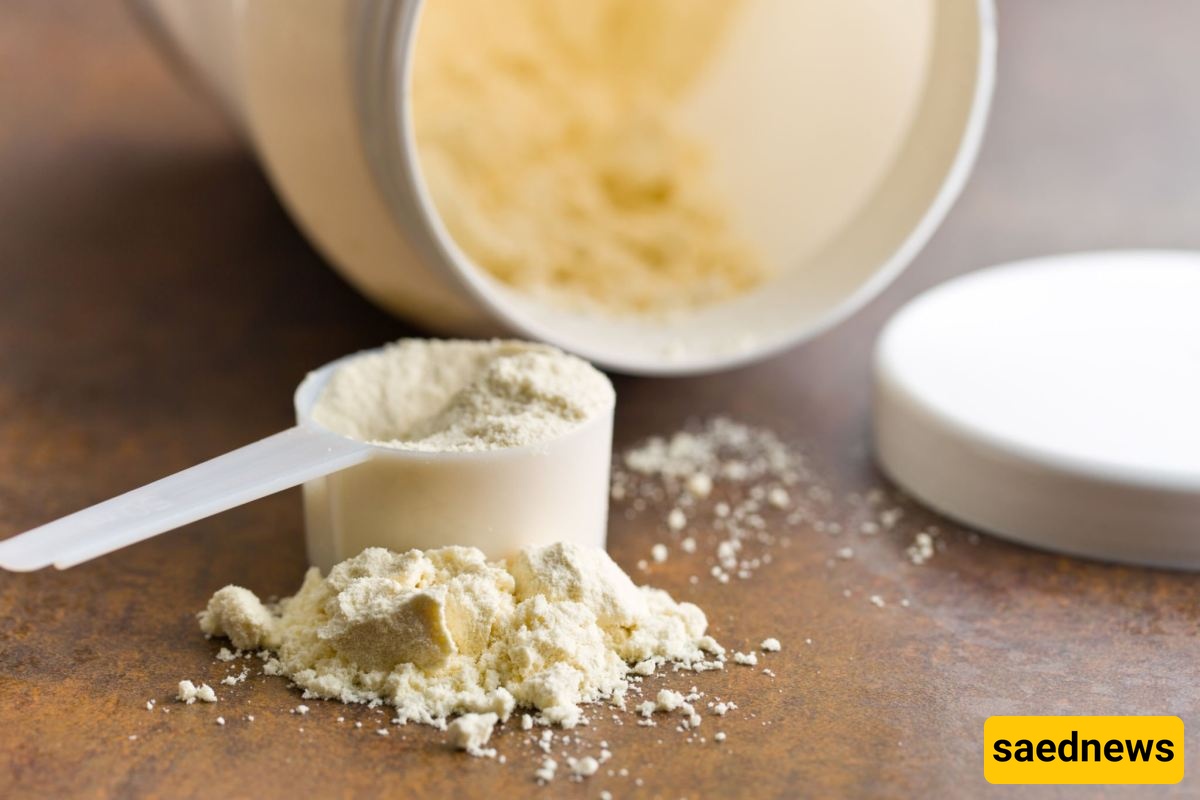
When purchasing whey powder, it is important to consider its quality, production and expiration dates, storage conditions, and source of manufacture.
Whey powder should be kept in intact packaging and protected from moisture. Exposure to moisture can cause clumping and reduce product quality.
It is best to store whey powder in a cool, dry place. Once the package has been opened, the powder should be transferred to an airtight container. Always use a clean, dry spoon when handling the product to prevent moisture contamination.
Following these recommendations can help preserve the quality and shelf life of whey powder.