SAEDNEWS: This article provides a comprehensive list of foods you can cook in an air fryer, along with the approximate cooking times and temperatures for each. Join us as we explore the possibilities!
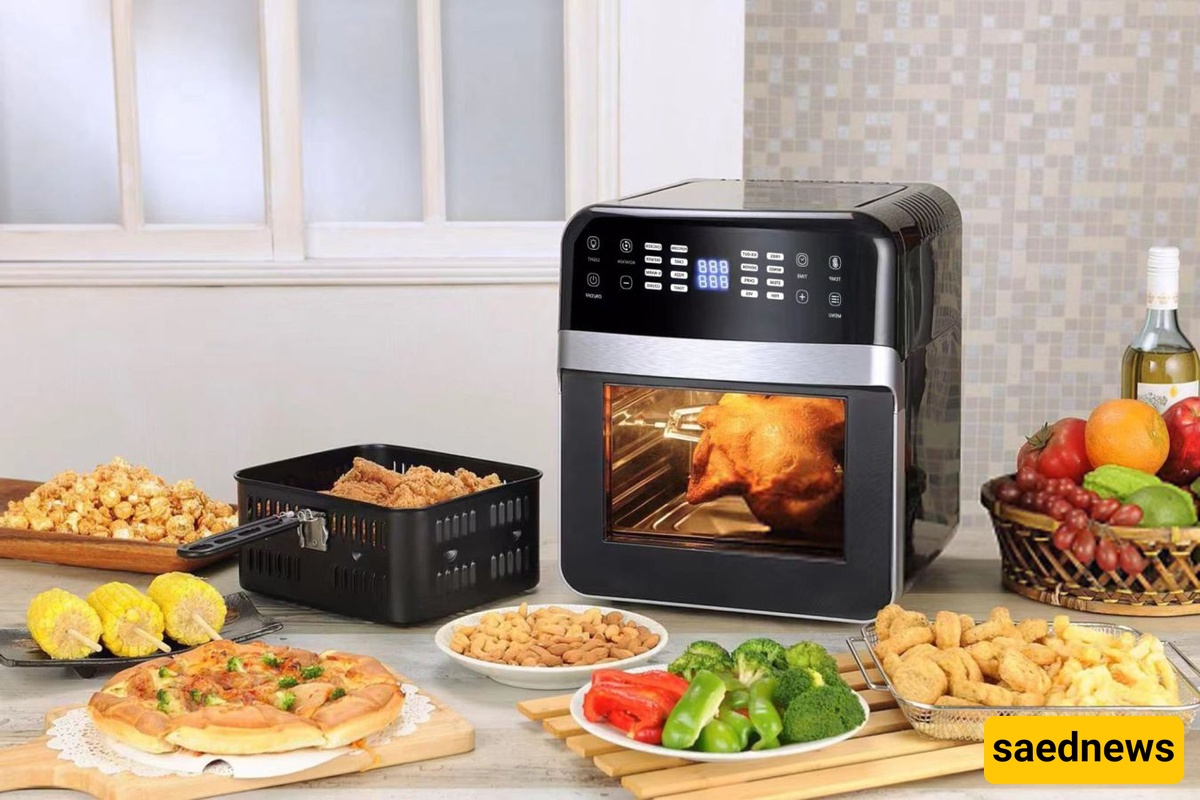
According to Saednews, An air fryer is one of the most popular appliances in modern kitchens. It uses circulating hot air to cook food without submerging it in oil. After purchasing one, many users have an important question: What foods can you cook in an air fryer, and what are the ideal cooking times and temperatures for each?
This guide provides a comprehensive list of foods you can prepare in an air fryer, along with practical cooking instructions to help you make healthy, quick, and delicious meals. Keep in mind that the suggested temperatures and cooking times are approximate and may vary depending on the appliance model, food quantity, and thickness of the ingredients.
Before using the air fryer food guide, keep these basic principles in mind:
Preheat the appliance for approximately 3–5 minutes at the desired temperature.
Arrange food in a single layer, leaving enough space for air to circulate evenly.
If you have a large quantity of food, cook it in several batches.
Shake the basket or turn the food halfway through cooking.
Cut ingredients into evenly sized pieces to ensure they cook at the same rate.
For moist foods or dishes containing sauces, use an air-fryer-safe container or heat-resistant dish.
Always check that meat and poultry are thoroughly cooked using a kitchen thermometer.
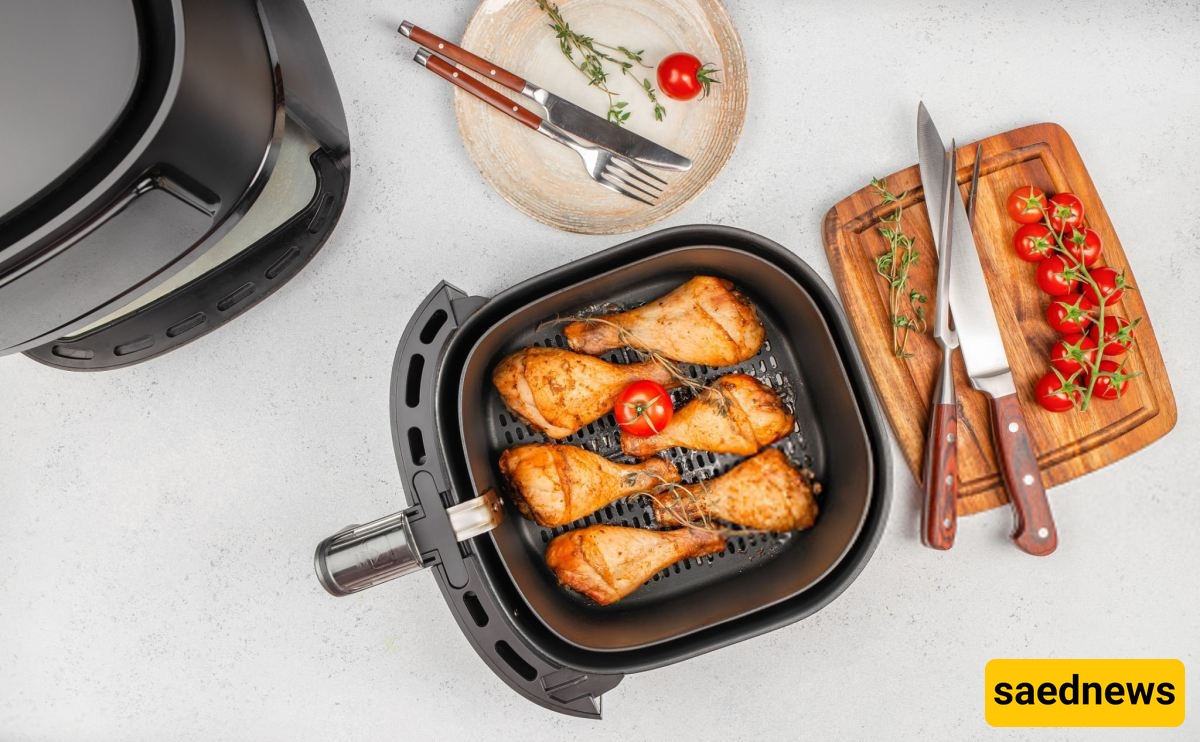
The following table provides approximate cooking times and temperatures for common air fryer foods. Temperatures are listed in degrees Celsius, and cooking times are given in minutes.
Category | Food | Recommended Temperature (°C) | Approximate Time (Minutes) | Important Tip |
|---|---|---|---|---|
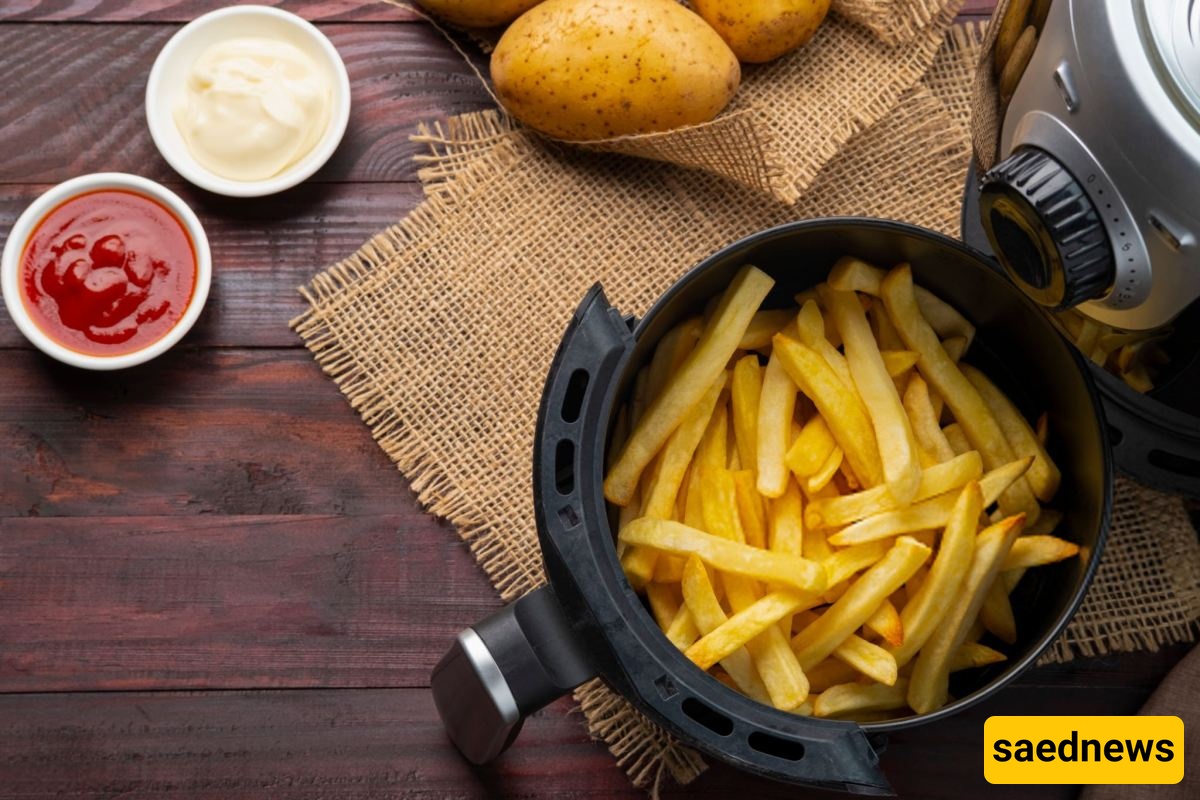
Vegetables | Fresh French fries | 190–200 | 15–25 | Soak the potatoes and dry them thoroughly. |
Vegetables | Diced potatoes | 200 | 15–20 | Shake the basket halfway through cooking. |
Vegetables | Eggplant slices | 190 | 12–15 | Cut into thin, evenly sized slices. |
Vegetables | Zucchini rounds | 190 | 10–12 | Avoid cutting the slices too thin. |
Vegetables | Bell peppers | 190 | 8–10 | Cut into evenly sized strips or cubes. |
Vegetables | Cauliflower | 200 | 15–20 | Use medium-sized florets. |
Vegetables | Broccoli | 190 | 10–12 | Avoid overcooking to prevent it from becoming too soft. |
Vegetables | Carrots | 190 | 15–20 | Cut into thin slices or strips. |
Vegetables | Green beans | 190 | 12–15 | Trim both ends before cooking. |
Vegetables | Mushrooms | 190 | 8–10 | Avoid overcrowding the basket. |
Vegetables | Cherry tomatoes | 180 | 8–10 | They may split slightly during cooking. |
Protein | Diced chicken breast | 190 | 15–20 | The internal temperature must reach 74°C. |
Protein | Chicken thighs | 190 | 25–30 | Check doneness with a food thermometer. |
Protein | Chicken wings | 190 | 20–25 | Turn halfway through cooking. |
Protein | Salmon | 180 | 10–12 | Choose fillets of similar thickness. |
Protein | Fish fillets | 190 | 10–12 | Avoid overcooking to prevent dryness. |
Protein | Shrimp | 190 | 6–8 | Shrimp cook quickly, so avoid overcooking. |
Protein | Beef burgers | 190 | 12–15 | Make a slight indentation in the center of each patty. |
Protein | Koobideh kebabs | 190 | 12–15 | Shape the portions evenly. |
Protein | Eggs | 170 | 10–12 | Suitable for preparing hard-boiled-style eggs. |
Protein | Tofu | 190 | 12–15 | Remove excess moisture before cooking. |
Frozen foods | Frozen French fries | 200 | 15–20 | No defrosting required. |
Frozen foods | Frozen chicken nuggets | 190 | 12–15 | Shake the basket halfway through cooking. |
Frozen foods | Frozen samosas | 190 | 12–15 | Lightly coat the surface with cooking oil spray. |
Frozen foods | Falafel | 190 | 10–12 | Avoid stacking the pieces. |
Bread and baked goods | Toast or flatbread | 180 | 3–5 | Ideal for refreshing and crisping bread. |
Bread and baked goods | Pizza | 180 | 8–10 | Use an air-fryer-safe tray or liner. |
Bread and baked goods | Sandwiches | 180 | 5–7 | Avoid using excessively moist fillings. |
Snacks | Homemade potato chips | 180 | 15–20 | Slice the potatoes very thinly and dry them thoroughly. |
Snacks | Almonds or walnuts | 160 | 5–8 | Shake occasionally and watch carefully to prevent burning. |
Fruits | Apples | 180 | 10–12 | Thick, evenly sized slices work best. |
Fruits | Bananas | 180 | 8–10 | Ripe bananas brown more quickly. |
Fruits | Pineapple | 180 | 8–10 | Remove excess moisture before cooking. |
Reheating | Previously cooked food | 160–180 | 3–6 | Use a short cooking time to prevent drying. |
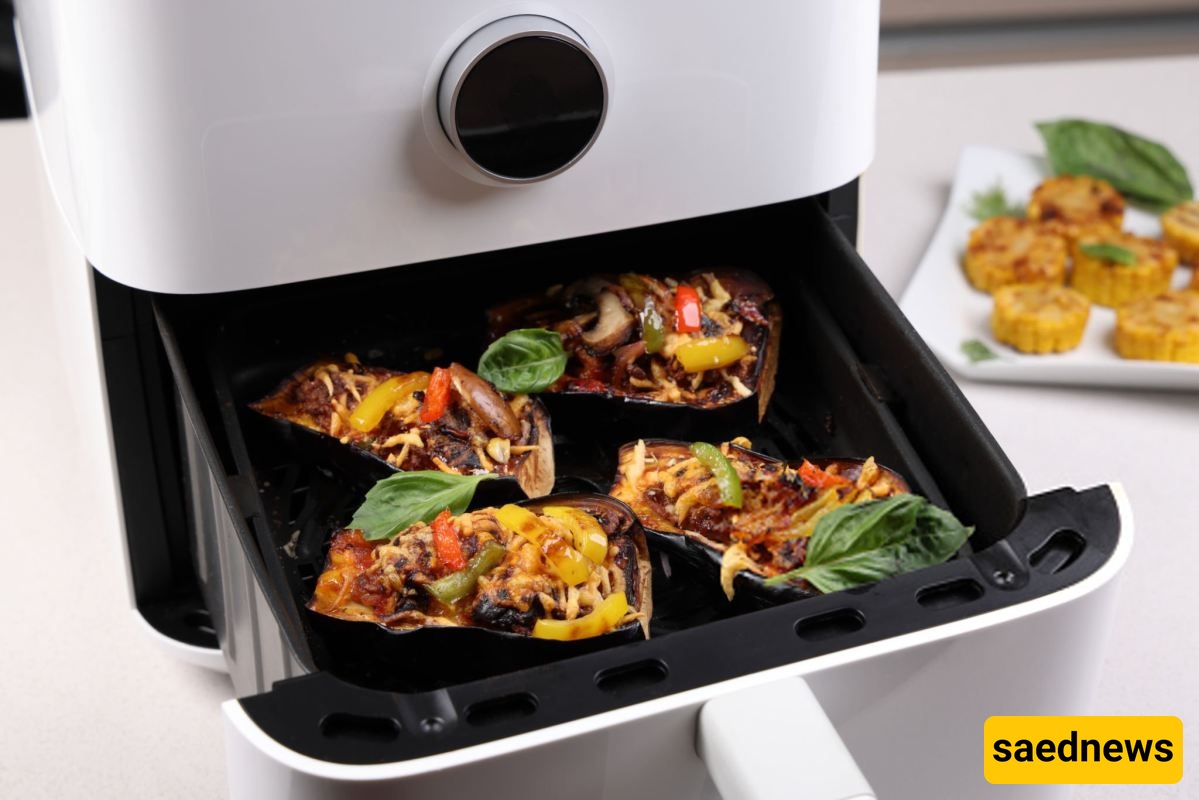
The table above is a general guide. However, several important factors can affect cooking results.
1. Temperature accuracy
The recommended temperatures assume that your air fryer has a reasonably accurate thermostat. If your appliance runs hotter or cooler than expected, start with a slightly lower temperature and adjust it as needed after a few cooking sessions.
2. Food quantity
The suggested cooking times are based on small quantities arranged in a single layer. When you double the amount of food, increase the cooking time by approximately 20–30% and shake the basket halfway through.
3. Food thickness
Thickness is often more important than weight. Two potato pieces with the same weight but different thicknesses will not cook in the same amount of time.
4. Food temperature before cooking
Cold food taken directly from the refrigerator may require additional cooking time. Allowing ingredients to sit at room temperature for a few minutes can help them cook more evenly, provided food safety is maintained.
Vegetables contain considerable moisture, which can prevent them from becoming crispy. Before cooking, thoroughly dry washed vegetables.
For French fries, soak the potato strips in cold water for 15–30 minutes to remove excess surface starch. Then dry them completely and toss them with a very small amount of oil.
Eggplant and zucchini absorb moisture easily. Lightly salting them and allowing them to rest can help remove excess water.
Divide vegetables such as cauliflower and broccoli into evenly sized pieces so they cook at the same rate.
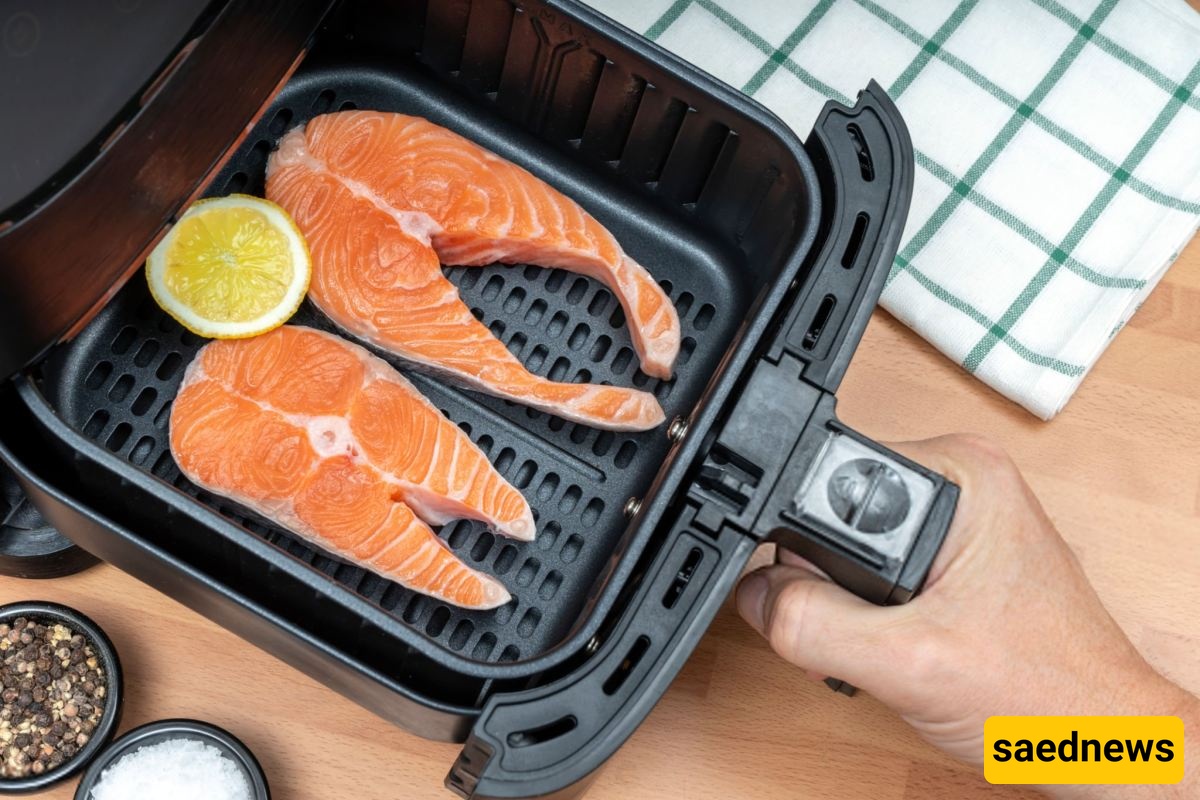
Proper cooking is essential when preparing chicken and meat.
The internal temperature of chicken breast should reach approximately 74°C (165°F). Ground meat must also reach its recommended safe internal temperature.
Turn larger pieces, such as chicken thighs, halfway through cooking.
To prevent meat from drying out, lightly spray it with oil or marinate it with seasonings and lemon juice.
Fish and shrimp require shorter cooking times. Overcooking can make their texture dry and tough. Cooking fish fillets in suitable air-fryer parchment can help retain moisture.
One of the biggest advantages of an air fryer is that you can cook many frozen foods directly without defrosting them first.
However, keep these tips in mind:
Remove excess ice from frozen foods before cooking.
Arrange the food in a single layer.
Frozen foods generally require more cooking time than fresh ingredients.
Shake the basket a few minutes before cooking is complete.
For chicken nuggets, frozen French fries, and samosas, applying a small amount of cooking oil spray can help achieve a golden, crispy finish.
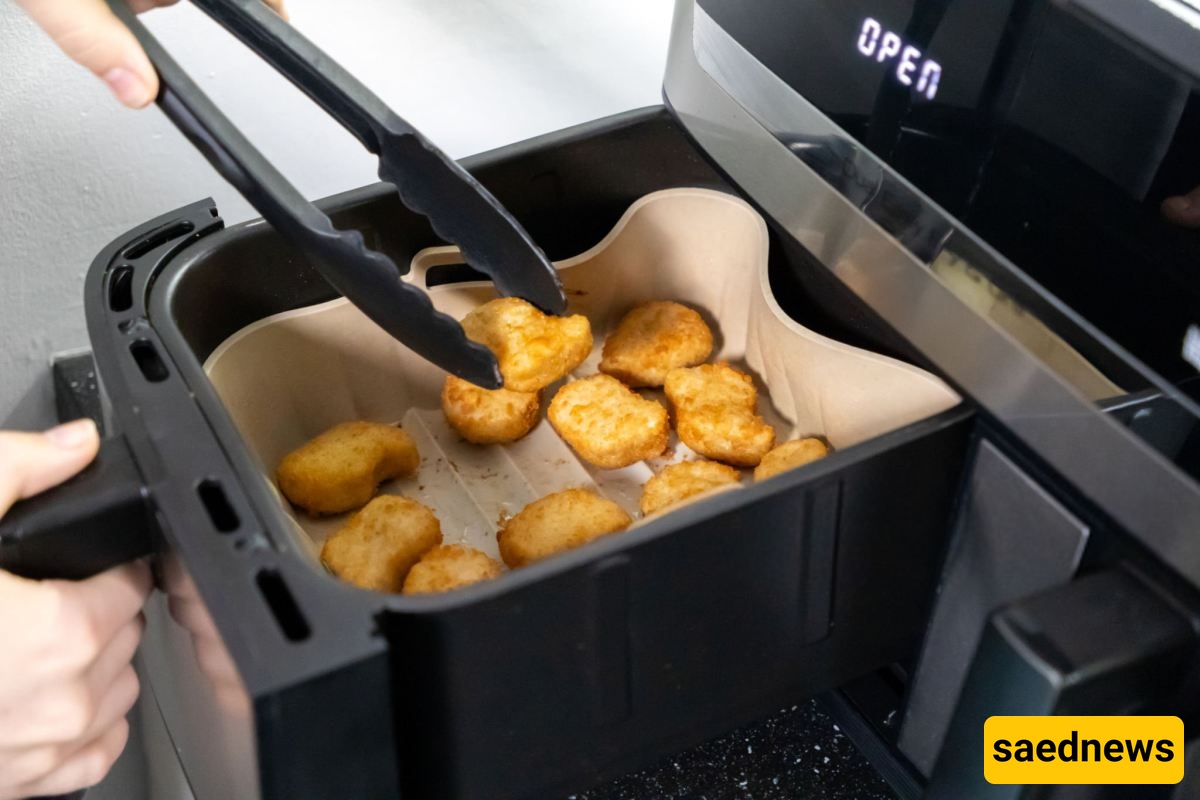
When reheating bread, pizza, or sandwiches, choose a lower temperature and shorter cooking time. This prevents the outside from burning before the inside becomes warm.
Using air-fryer parchment paper or a heat-resistant perforated container can prevent food from sticking and ingredients from falling into the basket.
Previously cooked meals generally require only a short reheating period. Longer cooking times can make food dry.
Placing a small heat-safe container of water alongside the food may help reduce excessive dryness.
Fruits such as apples, pineapples, and bananas can be cooked in thick slices.
Very ripe fruits soften and darken more quickly, so it is best to use evenly sized, thicker pieces.
To prevent sticking, use suitable air-fryer parchment paper.
This cooking method is ideal for preparing healthy snacks or adding cooked fruit to desserts.
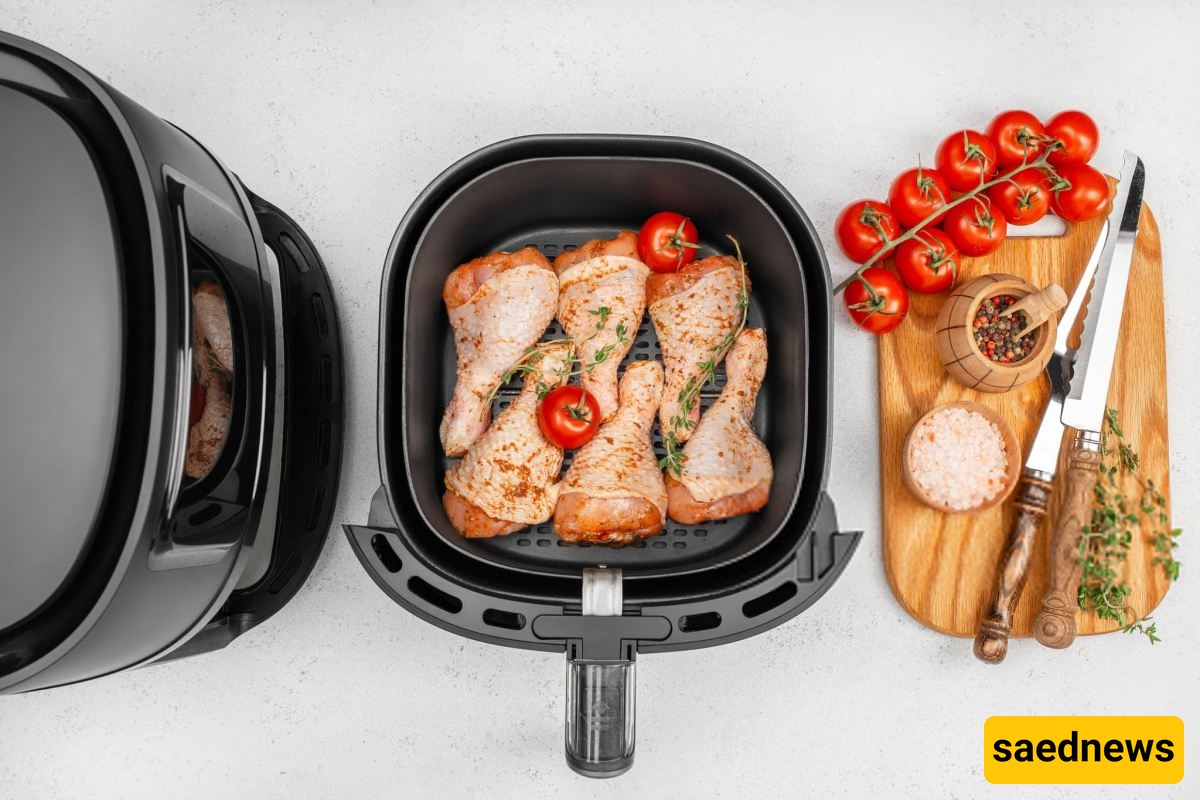
1. Overfilling the basket: This restricts airflow and prevents food from cooking evenly. Always arrange food in a single layer whenever possible.
2. Not shaking the basket halfway through: Many foods need to be shaken or turned during cooking for even browning.
3. Skipping preheating: Preheating can improve crispiness and help achieve more consistent cooking times.
4. Using too much oil: The main purpose of an air fryer is to reduce oil consumption. Excessive oil can cause smoke and food to stick.
5. Not using suitable containers: Powdered ingredients and foods containing sauces should be cooked in appropriate containers to prevent mess and residue in the basket.
6. Opening the appliance too frequently: Every time you open the basket or door, heat escapes and cooking time may increase.
7. Not cleaning the basket after each use: Food residue can cause smoke and unpleasant burnt smells during subsequent cooking sessions.
An air fryer can be used to prepare a wide variety of meals, from vegetables and meat to frozen snacks, bread, fruit, and reheated dishes. By choosing the right temperature, adjusting cooking times, and avoiding common mistakes, you can enjoy convenient, delicious, and healthier meals with less oil.
The cooking chart in this guide provides a useful starting point, but always adjust the settings according to your air fryer model and the size and thickness of your ingredients.