SAEDNEWS: Body odor cannot be controlled simply by masking unpleasant smells. Fungal deodorants target the underlying causes of odor by inhibiting skin fungi, reducing odor-producing bacteria, absorbing moisture, and regulating perspiration. This article explores how these products work, their active ingredients, and tips for proper use.
According to Saednews, Before answering the main question, it is important to understand where body odor comes from. Fresh sweat secreted by the sweat glands does not usually have a particularly unpleasant smell on its own. The main cause of body odor is the breakdown of compounds in sweat by microorganisms living on the skin.
Apocrine glands, which are mainly active in areas such as the armpits, groin, and scalp, produce secretions containing proteins and lipids. Bacteria break down these substances into fatty acids and other odor-producing compounds, resulting in unpleasant body odor.
Therefore, controlling body odor is not simply about masking unpleasant smells. It requires targeting the factors responsible for odor production, including moisture, bacteria, and fungi.
Most people consider bacteria to be the primary cause of body odor, but fungi also play an important role. Skin fungi, particularly species of Malassezia and Candida, can grow rapidly in warm, moist areas of the body, such as skin folds, armpits, and the groin.
Excessive fungal growth can cause itching, redness, and flaking. It can also disrupt the skin's natural microbial balance, creating conditions that encourage odor-producing bacteria to multiply.
For this reason, products that target both fungi and bacteria may be more effective than conventional deodorants in certain situations.
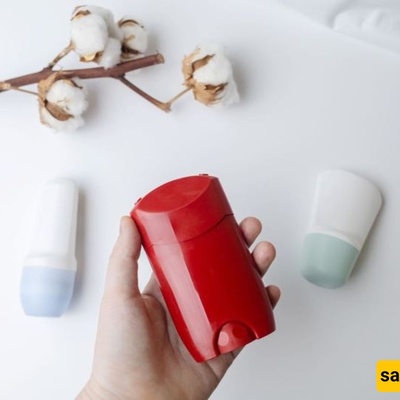
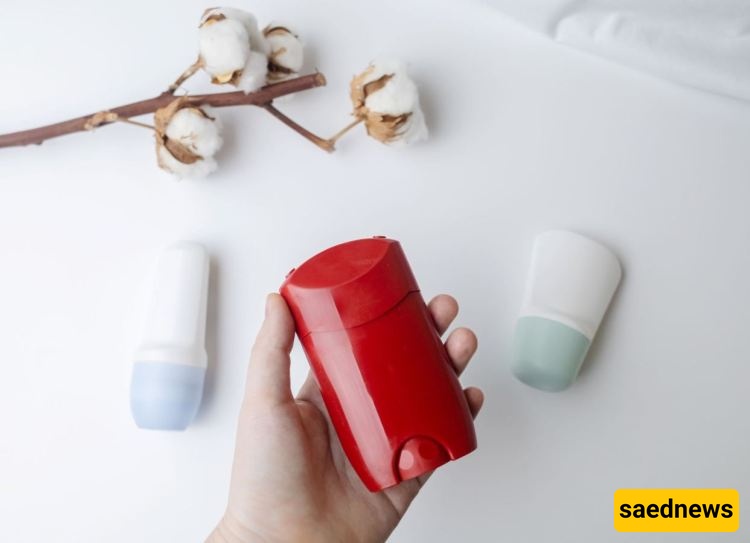
An antifungal deodorant is a type of topical product formulated to help control skin fungi, perspiration, and body odor simultaneously. Depending on the brand and formulation, these products typically contain a combination of the following ingredients:
Antifungal agents: Such as clotrimazole or miconazole, which help inhibit fungal growth.
Zinc oxide: An ingredient with drying, anti-inflammatory, and mild antimicrobial properties.
Moisture-absorbing ingredients: Such as purified talc or starch, which help reduce surface moisture.
Mild antibacterial agents: These help control odor-producing bacterial populations.
Essential oils or cooling ingredients: Such as menthol, which provide a refreshing sensation.
It is important to check the ingredient list on each product's packaging, as different formulations may have different effects and levels of effectiveness.
The effects of antifungal deodorants on body odor can be explained through several complementary mechanisms.
The first and most important mechanism is preventing fungi from multiplying. Antifungal ingredients work by damaging fungal cell membranes or interfering with ergosterol synthesis, thereby inhibiting fungal growth.
By reducing the fungal population on the skin, one of the factors contributing to changes in the skin's microbial balance and the production of odor-causing compounds can be controlled.
By helping restore the skin's microbial balance, these products may indirectly reduce the population of bacteria that break down sweat into unpleasant-smelling compounds.
This indirect effect is particularly important because body odor is primarily a result of bacterial activity.
Moist environments provide ideal conditions for fungal and bacterial growth. Moisture-absorbing ingredients in antifungal deodorants help absorb surface moisture and create a drier environment.
This simple but important change can help slow the multiplication of microorganisms.
Some formulations contain ingredients that temporarily block sweat gland ducts or reduce their activity, thereby decreasing the amount of sweat produced.
Less sweat means less moisture on the skin, which can ultimately help reduce body odor.
Finally, part of the deodorant's effect comes from its ability to neutralize or mask unpleasant smells. Cooling and fragranced ingredients can reduce the perceived intensity of body odor.
However, this effect may be temporary and does not replace treatment of the underlying cause.
To achieve the best results, it is important to follow a few basic guidelines:
Make sure the skin is completely clean and dry before application.
Apply a small amount of the product to the desired area and allow it to absorb.
Avoid applying the product to broken, irritated, or freshly shaved skin.
Consider performing a patch test on a small area of skin before regular use.
Discontinue use if severe burning, redness, or itching occurs.
Important: Not every body odor problem is caused by fungal growth. Antifungal deodorants are not necessarily suitable for everyone, and products containing ingredients such as clotrimazole or miconazole should be used according to their intended indications. Persistent odor, irritation, or suspected fungal infection may require medical evaluation.