SAEDNEWS: Light-colored furniture is a popular choice in interior design, creating a sense of spaciousness, brightness, and tranquility. However, maintaining its appearance and preventing stains can be challenging.
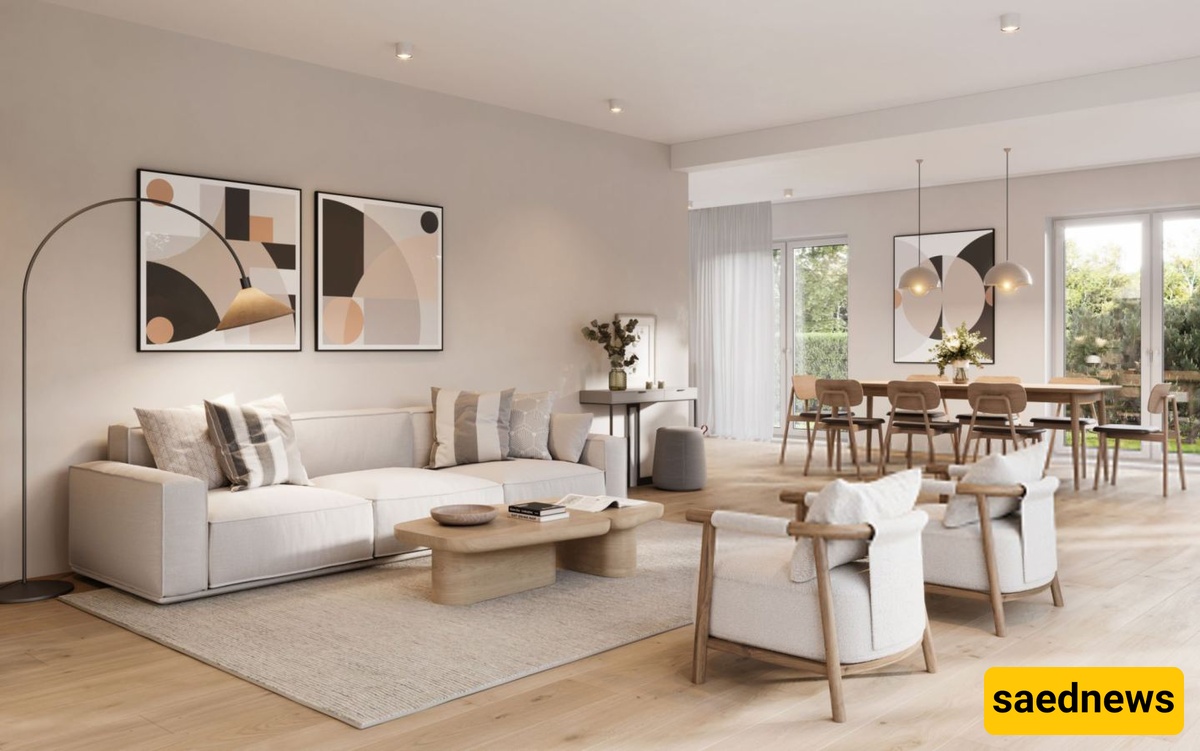
According to Saednews, Furniture is one of the main elements of any living space, and its color has a direct impact on interior aesthetics, the feeling of comfort, and even how large or spacious a room appears. In recent years, light-colored furniture has become an increasingly popular choice in interior design.
White, cream, ivory, beige, and light gray sofas are often associated with cleanliness, modernity, and a more spacious atmosphere. However, alongside their visual appeal, their maintenance requirements and practical limitations should not be overlooked.
Many people focus primarily on appearance and color coordination when purchasing furniture. After some time, however, they may encounter issues such as staining, fabric discoloration, yellowing, or difficult cleaning.
On the other hand, light-colored furniture can be an excellent choice for small or poorly lit spaces. Making the right decision therefore requires a clear understanding of its advantages and disadvantages.
In this article, we take an in-depth look at the benefits and drawbacks of light-colored furniture, the spaces where it works best, and practical ways to maintain its appearance.
1. Makes Spaces Look Larger and More Open
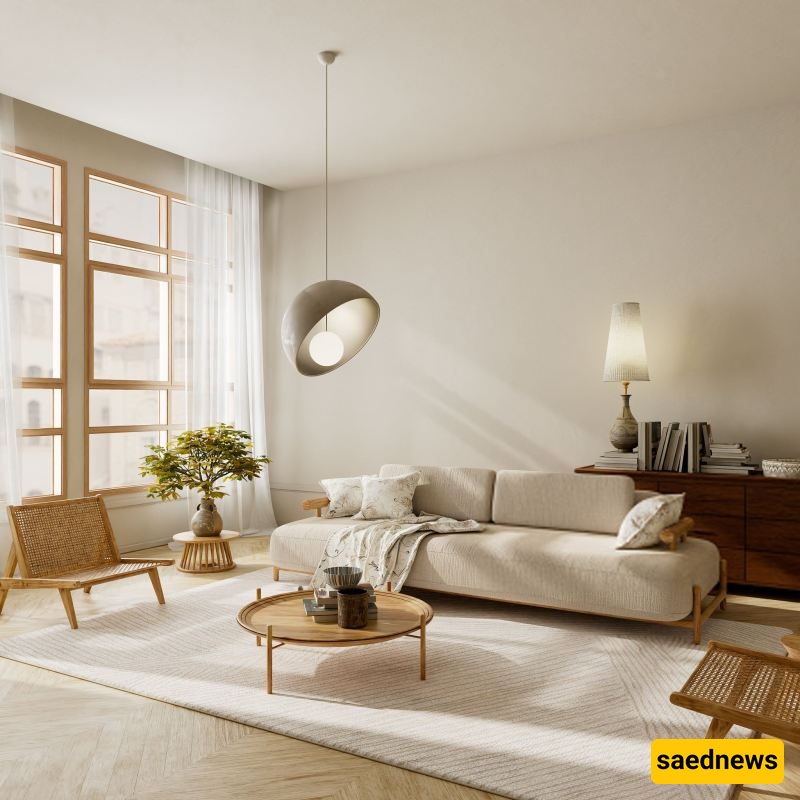
One of the most significant advantages of light-colored furniture is its effect on the perception of space. Light colors reflect more light, making walls and floors appear farther apart. As a result, small rooms and compact apartments can look more spacious and airy.
This feature is particularly valuable for people living in limited spaces. A cream or light gray sofa can create a sense of openness and order without making the room feel cluttered.
2. Reflects Light and Brightens the Room
Light-colored furniture reflects both natural and artificial light more effectively. In rooms with small windows or limited natural lighting, a light-colored sofa can help make the space appear brighter.
This is particularly beneficial during darker seasons or in regions with predominantly cloudy weather.
However, it is important to remember that light reflection does not depend solely on sofa color. Curtains, flooring, and wall colors also play an important role. Nevertheless, light-colored furniture is one of the most effective elements for creating a bright and pleasant interior.
3. Creates a Clean and Relaxing Atmosphere
Light colors are generally associated with cleanliness, simplicity, and tranquility. A white or cream sofa can give a living room a neat, peaceful, and inviting appearance.
This characteristic makes light-colored furniture particularly popular in minimalist, Scandinavian, and modern interior design styles.
For people who want to reduce visual clutter and create a simple, calming environment, light-colored furniture can be especially appealing. It is also commonly used in residential interiors, medical offices, and certain commercial spaces designed to promote relaxation.
4. Highly Versatile Across Different Interior Design Styles
Another major advantage of light-colored furniture is its versatility. It complements a wide range of colors and interior design styles.
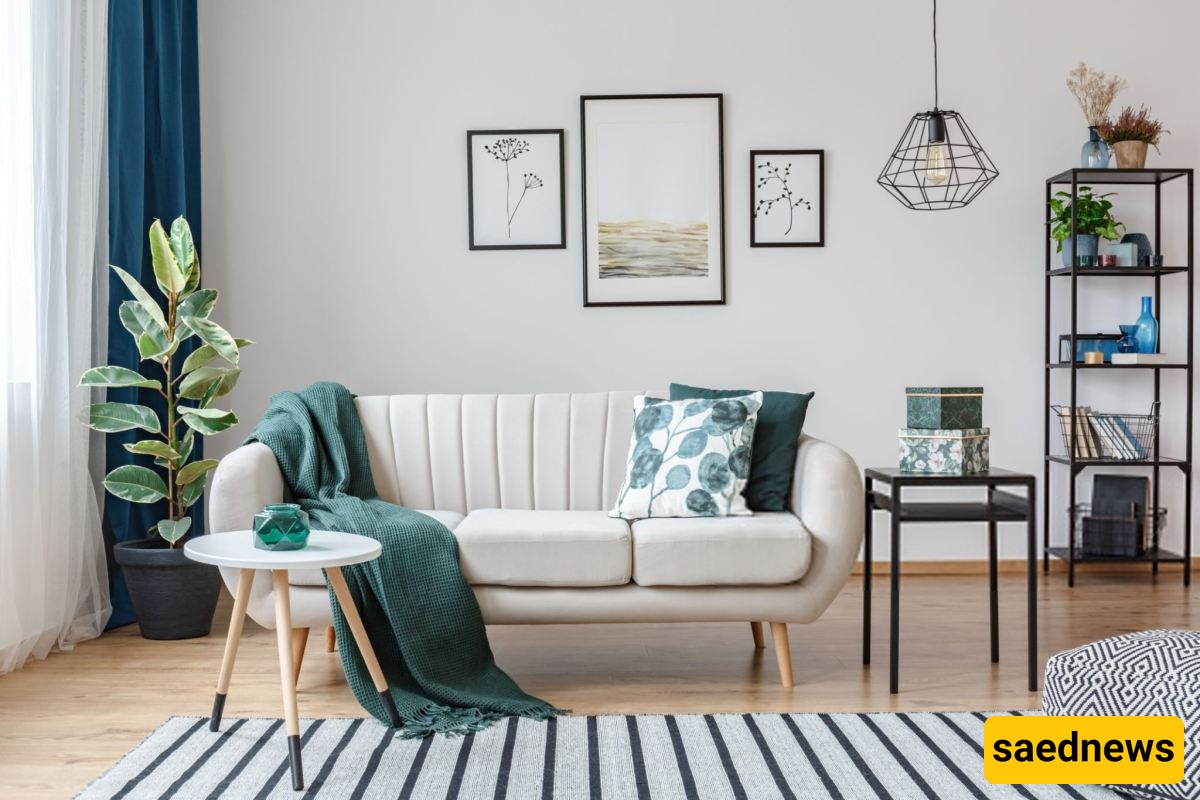
It can be paired with natural wood, black metal, glass, colorful rugs, and decorative cushions.
In other words, light-colored furniture works like a blank canvas, allowing you to update your interior without replacing the sofa itself. Simply changing cushions, bedding, artwork, or curtains can give the entire room a refreshed appearance.
5. Ideal for Modern and Minimalist Interiors
Simplicity and reducing visual clutter are essential principles of minimalist interior design. Light-colored furniture, especially pieces with clean lines and geometric shapes, fits perfectly into this style.
Sofas in light shades without busy patterns can reinforce a sense of order and spaciousness.
Similarly, cream, ivory, and light gray sofas are popular choices in Scandinavian interiors, which emphasize natural materials, simplicity, and abundant light.
6. Highlights Decorative Elements
When a sofa has a light color, decorative accessories such as colorful cushions, vases, artwork, and rugs become more noticeable.
This allows interior designers to create attractive focal points without spending a great deal of money.
For example, a simple cream sofa can be paired with mustard yellow, olive green, or deep teal cushions to create a warm and personalized living space.
1. Highly Susceptible to Stains and Dust
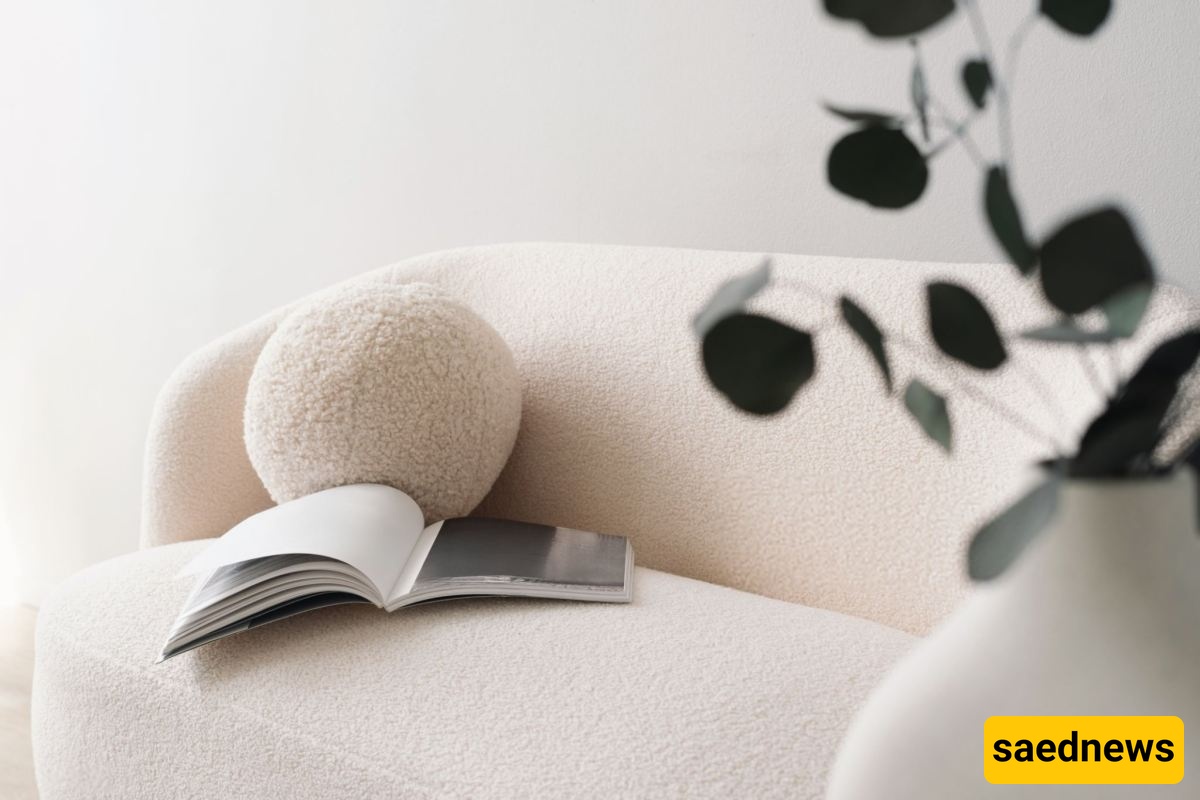
The biggest drawback of light-colored furniture is its sensitivity to stains, dust, and dirt.
Even small amounts of dust or spills such as tea, coffee, or food can become immediately noticeable on a white or cream sofa.
This can be particularly challenging in households with children or pets.
Of course, the severity of this problem also depends on the fabric. Some stain-resistant materials offer better protection, but no fabric is completely immune to staining.
2. Requires Frequent Cleaning and Maintenance
Maintaining light-colored furniture generally requires more time and effort.
Stains need to be removed quickly to prevent them from penetrating the fabric. Regular dusting, deep cleaning, and, in some cases, professional upholstery cleaning may also be necessary.
This can be a significant disadvantage for people with busy lifestyles or those who prefer not to clean frequently.
On the other hand, people who value cleanliness and organization may not consider this requirement a major drawback.
3. Risk of Fading and Discoloration
Direct sunlight, humidity, and certain cleaning products can cause light-colored furniture to change color over time.
A white sofa may gradually turn yellow, while a cream sofa may develop darker areas in frequently used sections.
Such discoloration can affect the overall consistency and appearance of the interior.
To minimize this risk, avoid placing furniture in direct sunlight and always use suitable cleaning products. Choosing fabrics with high colorfastness is also important.
4. Not Suitable for Every Lifestyle
Light-colored furniture is not necessarily the best choice for every household.
In homes with young children, pets, or frequent visitors, the risk of stains and physical damage is considerably higher.
Similarly, using light-colored sofas in high-traffic environments, such as certain office spaces, may increase maintenance costs.
In these situations, medium shades such as light gray or darker beige can offer a better balance between appearance and practicality.
5. May Create a Cold or Lifeless Atmosphere
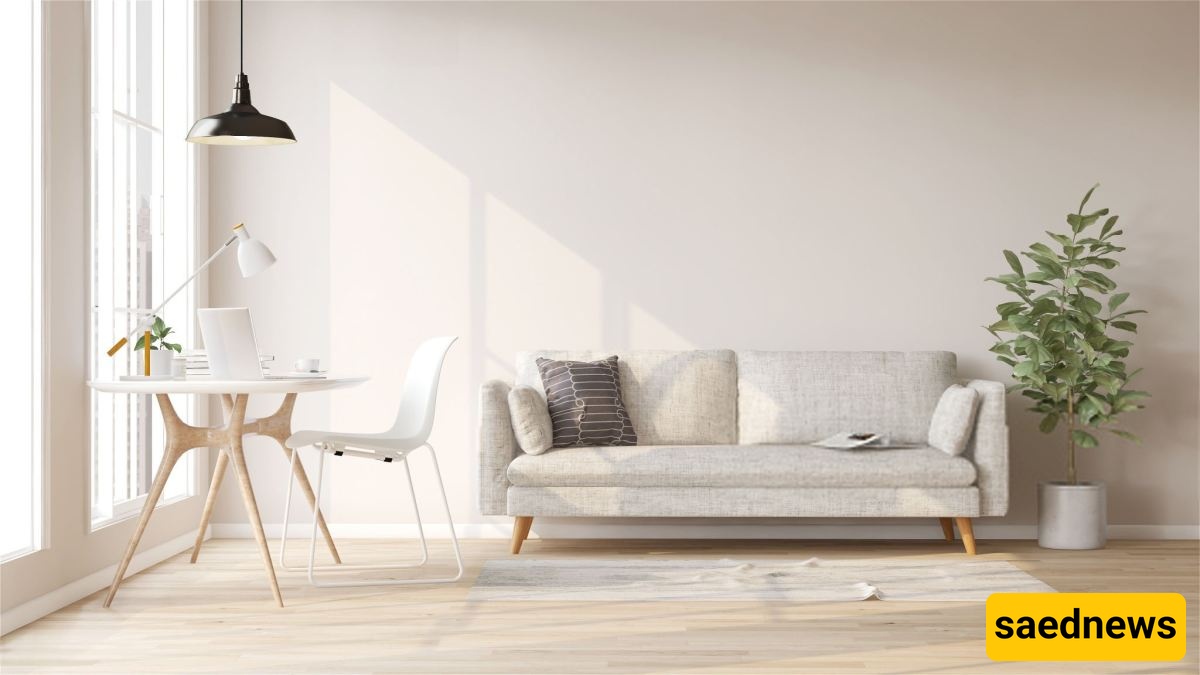
When light-colored furniture is combined with cool colors and glossy surfaces, it may create an interior that feels cold or uninviting.
For example, a white sofa placed alongside white walls, gray flooring, and cool lighting may make the room resemble a medical facility or exhibition space.
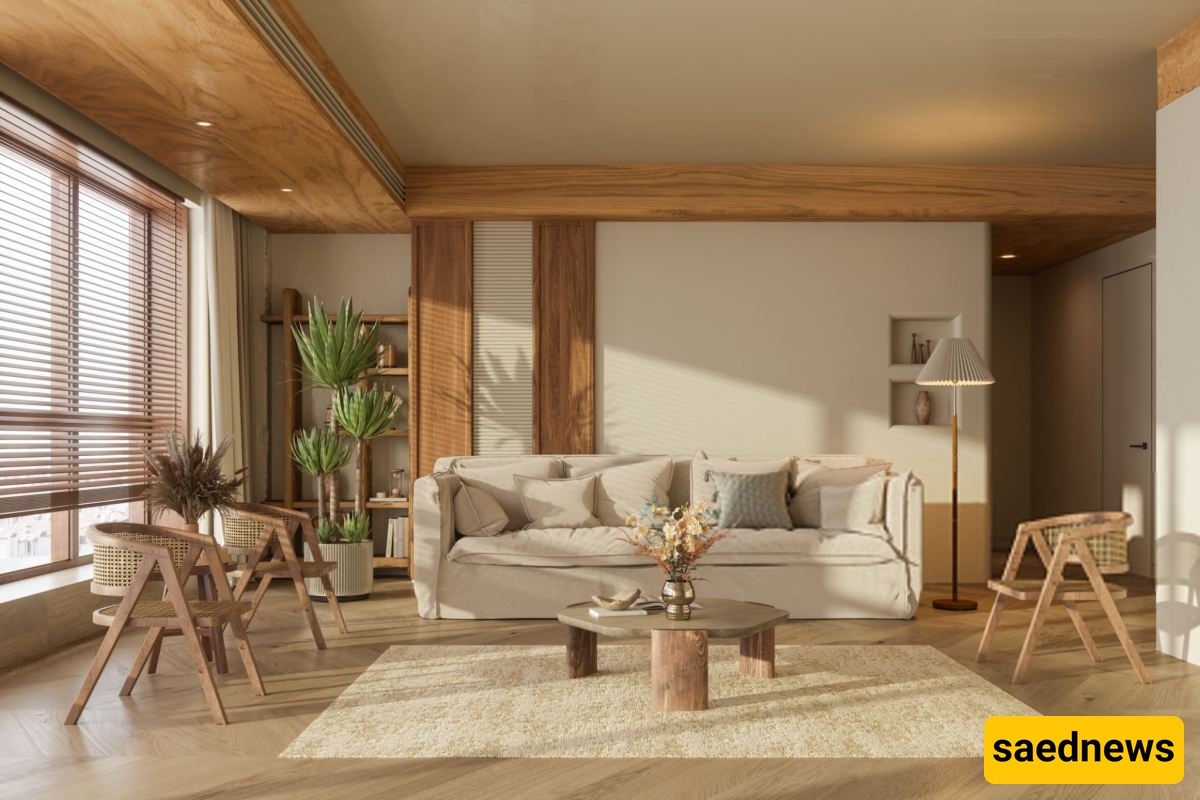
To avoid this, consider incorporating warm textures such as linen, lightweight velvet, wool, and natural wood.
Adding decorative cushions in warm shades such as mustard yellow, terracotta, or olive green can also help. Natural-textured rugs and warm lighting further contribute to a cozy atmosphere.
The important point is that light-colored furniture is not inherently cold. The overall atmosphere depends on how it is combined with other elements in the room.
6. Limited Compatibility with Certain Interior Design Styles
Although light-colored furniture works particularly well with modern, minimalist, and Scandinavian interiors, it may be more challenging to incorporate into certain styles.
These include heavily traditional, ornate classic, or predominantly dark and warm interiors.
In such settings, light-colored sofas may appear out of place or disrupt the overall visual harmony.
However, this limitation is not absolute. By choosing velvet upholstery, dark wooden frames, and classic decorative details, light-colored furniture can also work in traditional interiors. Doing so simply requires more careful planning and professional design advice.
7. Higher Maintenance Costs and Effort
Light-colored furniture generally involves higher maintenance costs.
Stain-resistant fabrics, protective coatings, specialized upholstery cleaners, and professional sofa-cleaning services can all add to the expense.
If serious damage or stubborn stains occur, replacing the upholstery or even certain furniture components may become necessary.
This is particularly important for people working with a limited budget.
Sometimes, choosing a medium shade such as beige, light gray, or darker cream can reduce maintenance costs while preserving much of the beauty associated with light-colored furniture.
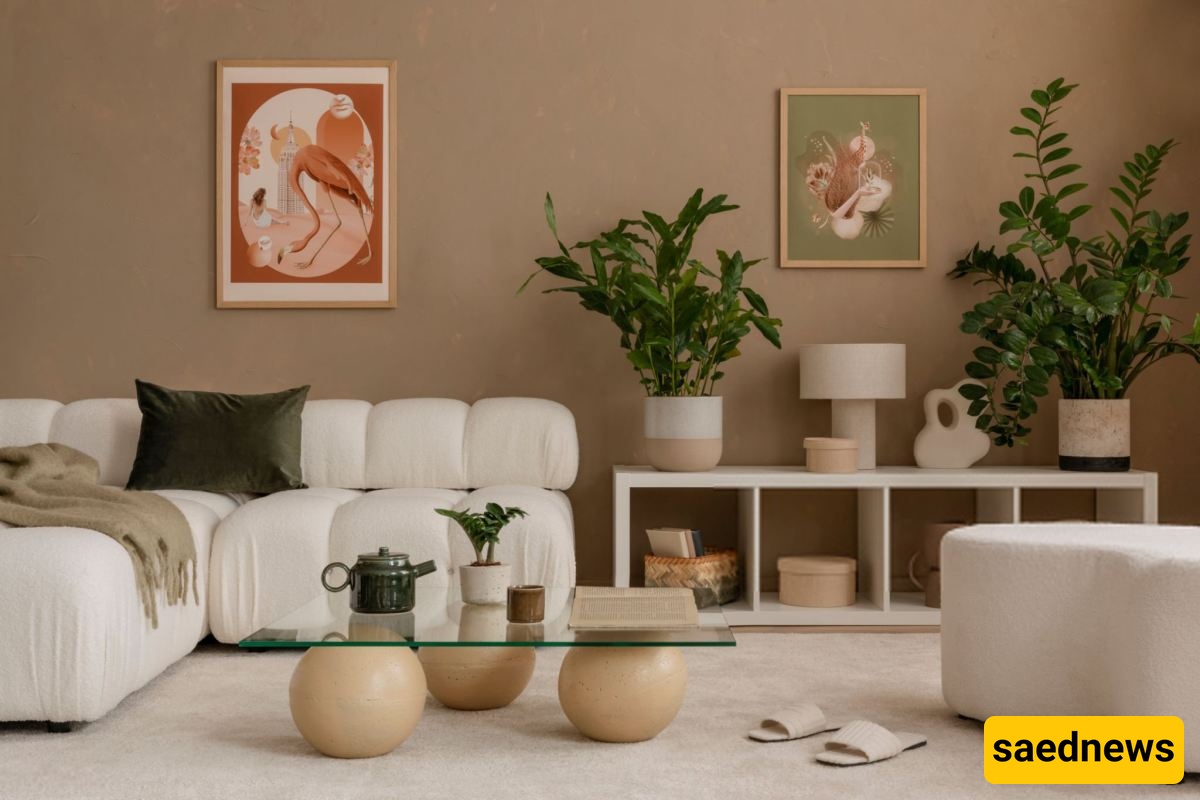
Light-colored furniture is particularly suitable for spaces that:
Receive sufficient natural light or have appropriate artificial lighting.
Have limited floor space and would benefit from a more spacious appearance.
Are occupied by people with relatively calm and organized lifestyles.
Do not have young children or highly active pets, or allow for quick and regular cleaning.
Feature modern, minimalist, Scandinavian, or Japanese interior design.
Use stain-resistant and washable upholstery fabrics.
By contrast, darker or medium furniture shades may be more practical for busy households, poorly lit and cold-looking interiors, homes with young children or pets, and spaces where regular cleaning is difficult.
To enjoy the benefits of light-colored furniture while minimizing its drawbacks, consider the following strategies:
Choose stain-resistant and washable fabrics: Fabrics with nano-protective coatings, blended linen, and microfiber generally offer better resistance to stains.
Use protective covers: Canvas covers and furniture protectors can help prevent dirt, stains, and everyday wear.
Clean stains immediately: The sooner a stain is removed, the less likely it is to penetrate the fabric.
Keep furniture away from direct sunlight: Placing sofas in shaded areas or using light-filtering curtains can help prevent fading and discoloration.
Combine warm colors and textures: Natural wood, wool rugs, colorful cushions, and warm lighting can make the interior feel more inviting.
Choose medium shades: If pure white seems too difficult to maintain, consider cream, beige, light gray, or ivory. These shades still create a bright atmosphere while being somewhat more forgiving in everyday use.
Schedule professional cleaning: Periodic professional upholstery cleaning can help preserve the furniture's appearance and extend its lifespan.
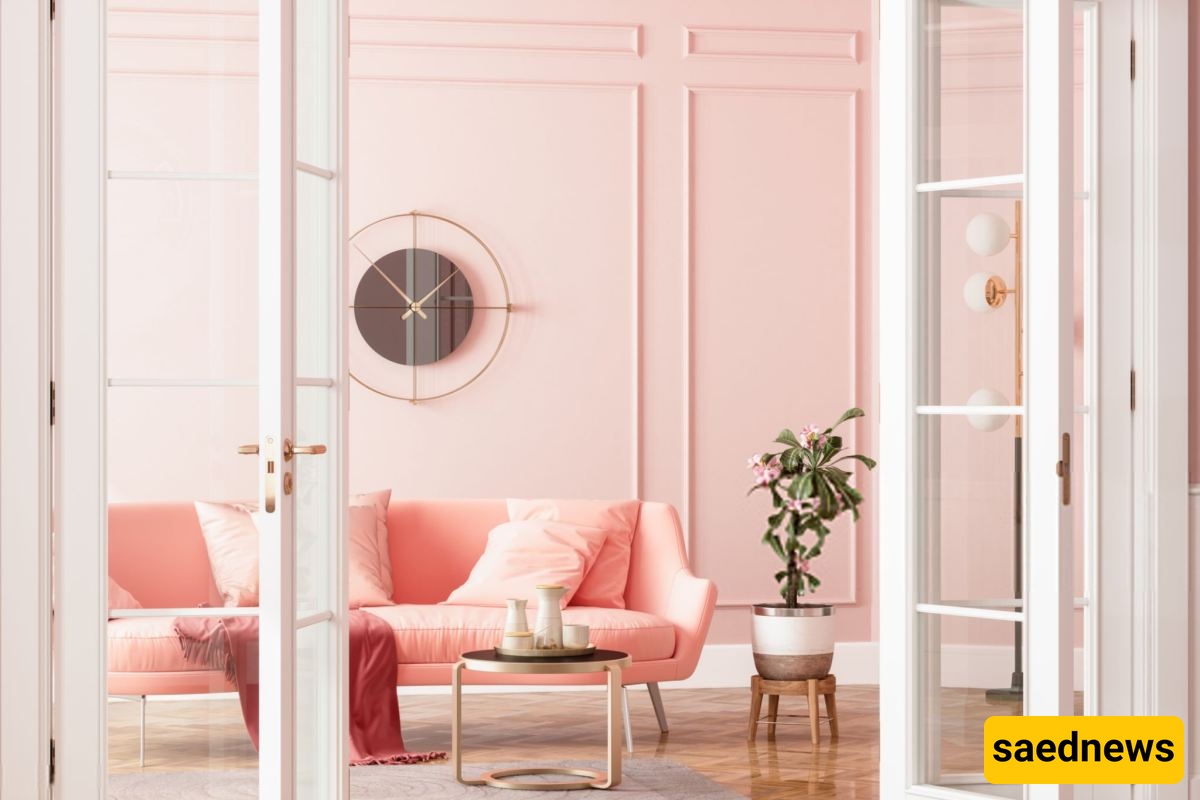
Dark-colored furniture generally hides stains more effectively and is often better suited to busy households. However, it can make smaller rooms feel heavier and more confined.
In contrast, light-colored furniture makes interiors appear brighter, more spacious, and more relaxing, but requires additional maintenance.
The choice between the two ultimately depends on your priorities.
If aesthetics, brightness, and creating a sense of spaciousness are your main concerns, light-colored furniture is an excellent option.
However, if practicality, maintaining a clean appearance, durability, and easy maintenance are more important, darker or medium shades may be a better choice.
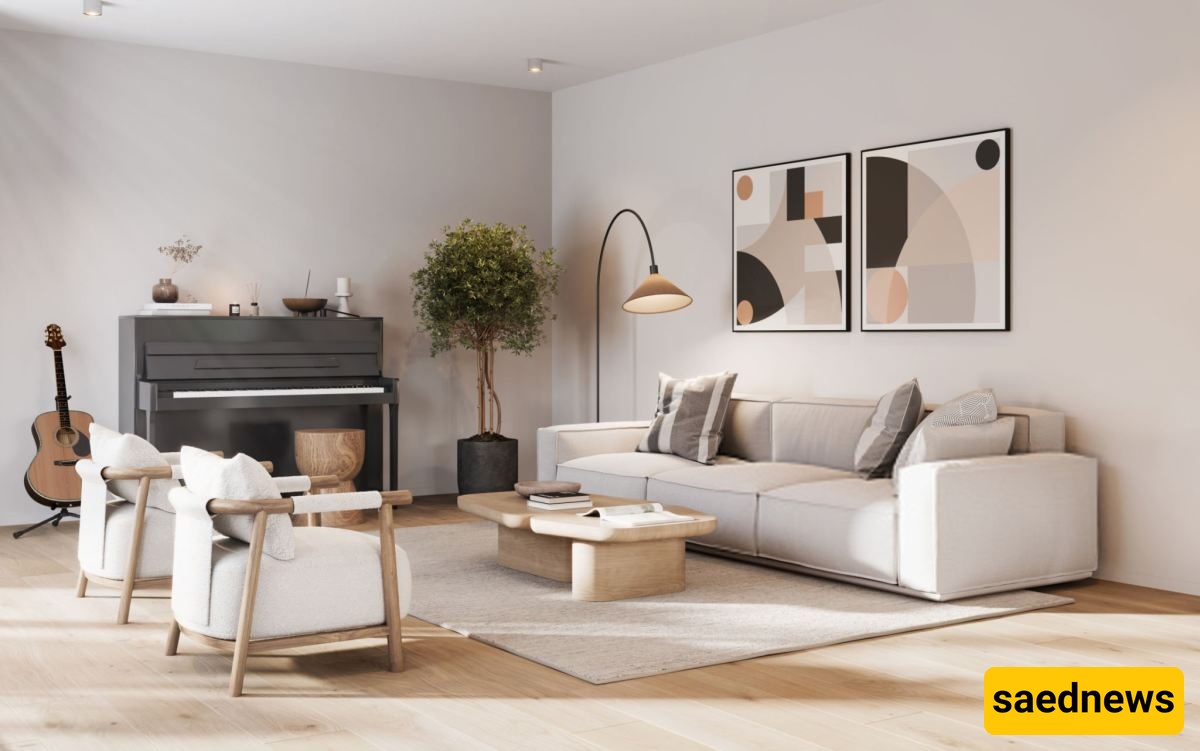
Final Verdict: Are Light-Colored Sofas the Right Choice for Your Home?
Light-colored furniture can transform an interior by making it feel brighter, more spacious, elegant, and peaceful. However, its maintenance requirements, susceptibility to stains, and potential discoloration should be carefully considered before making a purchase.
The best choice is not necessarily the lightest or darkest option. It is the color and fabric combination that complements your interior design while matching your household's lifestyle, cleaning habits, and budget.