SAEDNEWS: Cleaning products are an essential part of modern life, but their chemical compounds can enter the respiratory tract through inhalation and affect lung function.

According to Saednews, Cleaning products are an essential part of modern life, ranging from dishwashing liquids and surface cleaners to bleach, descalers, glass cleaners, disinfectants, and air fresheners. When cleaning, many of us focus solely on the results—clean, shiny surfaces—while paying little attention to the air we breathe. However, the chemical compounds in these products can enter the respiratory tract through inhalation and affect lung function.
Understanding the effects of cleaning products on lung health is an important issue in public health and occupational safety. Repeated and prolonged exposure to fumes, mists, and fine particles released by these products, particularly in enclosed spaces with inadequate ventilation, may cause respiratory irritation, worsen asthma symptoms, and increase the risk of certain respiratory conditions.
The lungs are sensitive organs with an extensive surface area for gas exchange. This feature is essential for absorbing oxygen, but it also increases the potential for inhaling and absorbing irritating substances.
When cleaning products are dispersed into the air as sprays, vapors, mists, or tiny particles, the likelihood of inhalation increases. The smaller the particles, the deeper they can penetrate into the lungs, making them more difficult for the respiratory system to remove.
The effects of cleaning products on the lungs depend on several factors:
Type and concentration of the chemical: Strong alkaline or acidic substances and chlorine-based bleach tend to be more irritating.
Duration and frequency of exposure: Daily and repeated use can lead to cumulative exposure, even when relatively mild products are involved.
Method of application: Spray products increase exposure because they release fine airborne particles.
Ventilation: Small, enclosed spaces, such as bathrooms, can allow chemical concentrations to build up rapidly.
Individual health conditions: People with asthma or respiratory allergies are generally more sensitive.

Many cleaning products contain surfactants, solvents, acids, alkalis, quaternary ammonium compounds, and fragrances. These substances can irritate the protective lining of the respiratory tract, leading to inflammation, coughing, and increased mucus production.
In susceptible individuals, even brief exposure may trigger respiratory symptoms.
Acute effects usually occur following short-term exposure and result from direct irritation of the respiratory tract.
Common symptoms include:
Burning or irritation of the nose, throat, and eyes
Dry or productive cough
Sneezing and runny nose
Hoarseness and a sensation of a lump in the throat
Shortness of breath and wheezing
Temporary worsening of asthma symptoms
Exposure to highly concentrated acidic or alkaline substances can cause more severe damage, potentially resulting in chemical burns to the respiratory tract.
One of the most dangerous situations involves mixing chlorine bleach with ammonia or acidic cleaning products. This can release toxic, irritating gases. Inhaling these gases may cause severe respiratory symptoms and require immediate medical attention.
One of the main concerns associated with cleaning products is their potential role in increasing the risk of asthma and occupational asthma.
Observational studies have found that frequent use of cleaning sprays and occupational exposure to cleaning chemicals among professional cleaners are associated with an increased risk of asthma symptoms and adult-onset asthma.
However, an observational association does not necessarily establish a definitive cause-and-effect relationship. Other factors, including smoking, air pollution, and genetic predisposition, may also contribute.
Nevertheless, the available evidence is sufficient to support precautionary measures and reducing unnecessary exposure.
People with asthma, chronic obstructive pulmonary disease (COPD), respiratory allergies, or cardiopulmonary conditions may be more sensitive to irritating chemicals.
Exposure to strong cleaning products can worsen coughing and shortness of breath and increase the need for bronchodilator medications.
People in these groups should take extra precautions when using irritating cleaning products.
Certain fragrances and scented ingredients can irritate the respiratory tract and trigger allergy-like symptoms in sensitive individuals.
Long-term exposure to respiratory irritants may also contribute to increased airway sensitivity.
Although evidence regarding the long-term effects of all cleaning product ingredients remains limited, reducing unnecessary product use and improving ventilation are practical and cost-effective preventive measures.
Chlorine bleach is one of the most widely used disinfectants, but its fumes can irritate the respiratory system.
The greatest danger occurs when bleach is mixed with ammonia, vinegar, acidic substances, or other cleaning products. Such combinations can release toxic gases, including chlorine gas and other hazardous compounds.
Never mix bleach with ammonia, vinegar, acidic products, or other household cleaners.
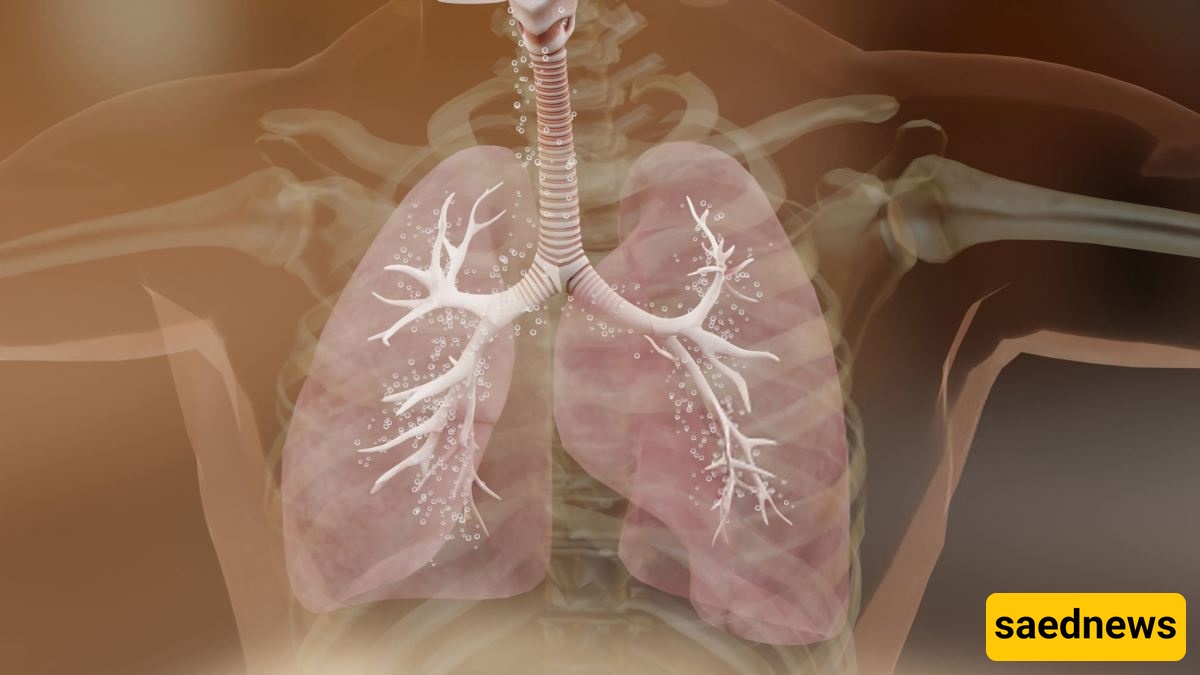
Spray products increase the likelihood of inhalation because they release fine particles and volatile organic compounds (VOCs) into the air.
Air fresheners may also contain fragrances and volatile chemicals that can trigger respiratory symptoms in sensitive individuals.
Using these products in enclosed spaces without adequate ventilation is not recommended.
Quaternary ammonium compounds are commonly used in disinfectants and may cause irritation of the eyes, skin, and respiratory tract.
Excessive use, particularly in spray form, increases exposure.
Following product label instructions and using the correct dilution are essential safety measures.
Professional cleaners, hotel housekeeping staff, and hospital cleaning personnel often experience the highest levels of occupational exposure.
Other vulnerable groups include:
Children: Their respiratory systems are still developing, and their lower body weight may make them more susceptible to chemical irritants.
Older adults: Age-related health changes may increase their vulnerability.
People with respiratory diseases: Those with asthma, COPD, or respiratory allergies may experience more severe symptoms.
Pregnant women: It is advisable to minimize unnecessary exposure to strong cleaning chemicals during pregnancy.
Persistent coughing, shortness of breath, wheezing, chest pain or tightness, severe throat irritation, and significant eye irritation are important warning signs.
If symptoms persist or worsen after exposure to cleaning products:
Leave the contaminated area immediately.
Move to fresh air.
Seek medical attention when necessary.
Following skin or eye exposure, rinse thoroughly with plenty of water and seek medical advice when appropriate.
Severe breathing difficulties or suspected toxic gas inhalation require emergency medical attention.
Reducing exposure is the most effective preventive measure.
Open windows while cleaning and create cross-ventilation whenever possible.
Avoid spraying cleaning products in enclosed spaces.
Use diluted cleaning solutions and damp cloths instead of sprays whenever possible.
Ventilate the area for several minutes after cleaning.
For occupational cleaning and intensive household cleaning, protective equipment such as gloves, suitable respiratory protection, and safety goggles may be necessary.
Simple cloth masks do not provide adequate protection against chemical vapors. When exposure to airborne chemicals is possible, an appropriate respirator should be selected based on the specific substance and exposure conditions.
Fragrance-free or low-fragrance products, mild multipurpose cleaners, and properly diluted solutions may cause less respiratory irritation.
Avoid mixing cleaning products and always read the product label before use.
Store cleaning products in their original containers and keep them out of children's reach.
Training cleaning personnel about chemical hazards, proper dilution methods, and the importance of ventilation plays an important role in reducing respiratory risks.
At home, educating family members about the dangers of mixing cleaning products and recognizing early warning signs can help prevent accidents.
The effects of cleaning products on lung health range from temporary respiratory irritation to potentially serious conditions such as occupational asthma. Although these products are essential for maintaining hygiene, improper use, excessive exposure, and inadequate ventilation can pose significant respiratory risks.
By choosing safer products, avoiding chemical mixtures, improving indoor ventilation, and following appropriate safety precautions, we can maintain a clean environment while protecting our respiratory health.
Do you like this personality?