SAEDNEWS: Paint and oil fumes can cause headaches, nausea, eye and throat irritation, and breathing difficulties due to chemical irritation rather than a true allergy.

According to Saednews, For many people, the smell of paint and oil is simply an unpleasant, temporary odor. However, for some individuals, exposure to these smells can quickly trigger headaches, nausea, eye and throat irritation, shortness of breath, or extreme fatigue. These reactions are commonly referred to as sensitivity to paint and oil fumes. Although this term is widely used in everyday language, it does not always indicate a true medical allergy. In many cases, the symptoms result from chemical irritation caused by volatile compounds found in paints, solvents, thinners, industrial oils, and similar products.
Understanding this condition is important because people sensitive to paint and oil fumes may experience uncomfortable symptoms at home, in the workplace, or in recently painted environments without knowing how to protect themselves.
Sensitivity to paint and oil fumes refers to a range of unpleasant reactions that occur after inhaling or coming into contact with vapors released by paints, oils, solvents, or similar chemicals. These reactions may be mild and temporary or develop into more severe and persistent symptoms.
The severity of symptoms depends on several factors, including the type of substance, vapor concentration, duration of exposure, ventilation, and the individual's overall health.
Paints and oils contain various chemical compounds. Solvent-based paints, thinners, varnishes, lacquers, industrial adhesives, and certain lubricating oils may release volatile organic compounds (VOCs). These substances evaporate at room temperature and enter the surrounding air.
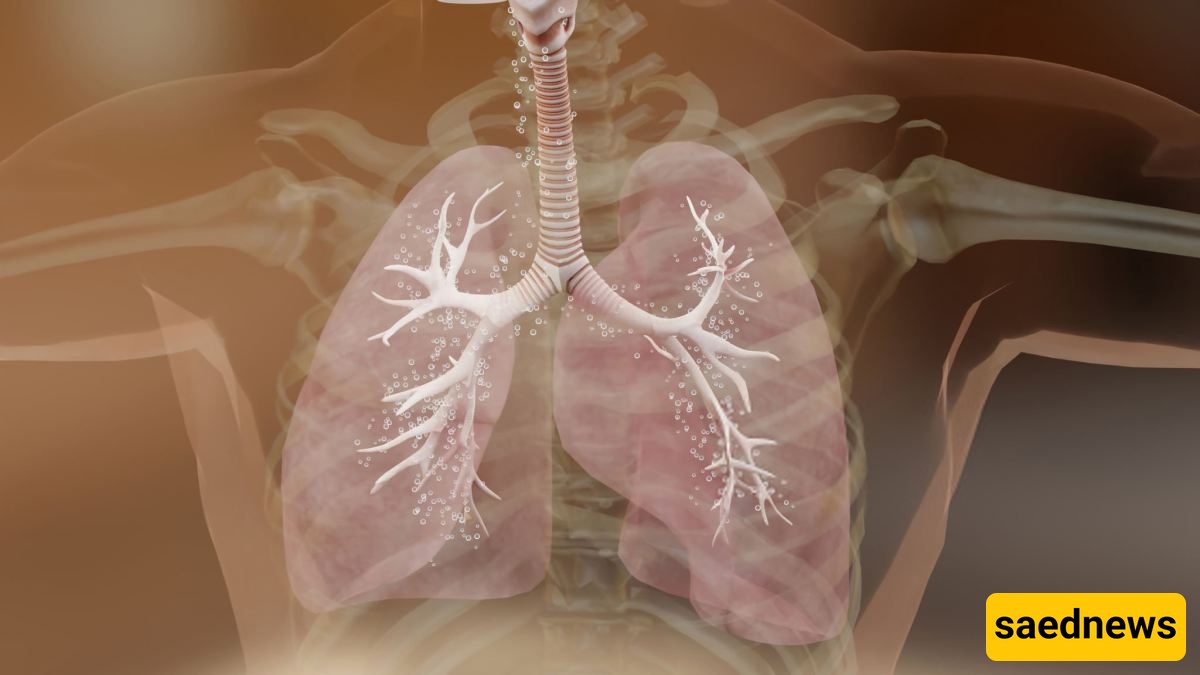
Inhaling these vapors can irritate the mucous membranes of the nose, throat, eyes, and respiratory system. Therefore, sensitivity to paint and oil fumes may be more accurately described as an irritant reaction rather than a classic allergic response.
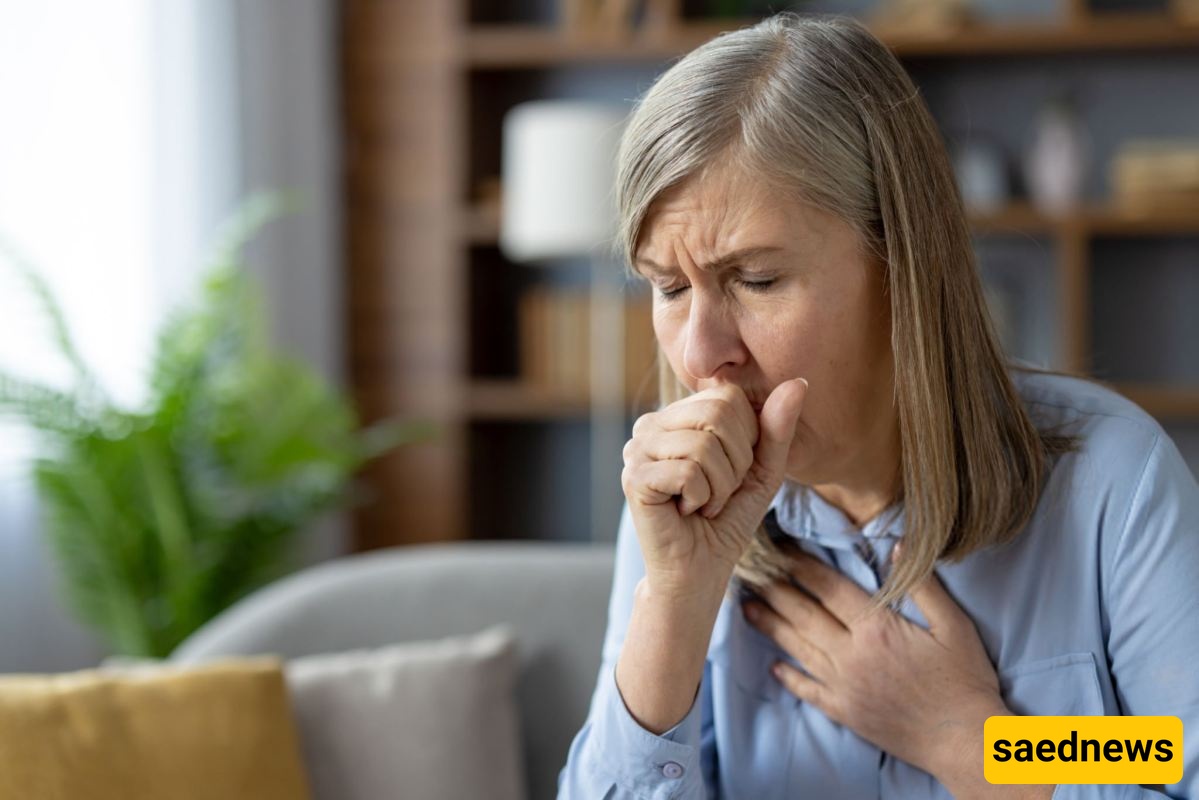
One important aspect of understanding sensitivity to paint and oil fumes is distinguishing between a genuine allergic reaction and chemical irritation.
In a true allergic reaction, the immune system responds to a specific allergen. For example, someone may be allergic to a particular additive used in paint or oil. Symptoms may include:
Sneezing
Runny nose
Itchy eyes
Hives
Shortness of breath in rare cases
However, chemical irritation does not necessarily involve a specific immune response. Paint and oil vapors can directly irritate the body's mucous membranes. This can happen to anyone, particularly when chemical concentrations are high or exposure lasts for an extended period.
Nevertheless, people with asthma, respiratory allergies, skin conditions, or a history of reactions to chemical odors may experience more severe symptoms.
Therefore, describing every reaction to paint fumes as an allergy is not medically accurate. A proper diagnosis requires evaluating the person's medical history, symptoms, timing, and environmental exposure. An allergist, immunologist, or occupational medicine specialist can provide appropriate guidance.
Sensitivity to paint and oil fumes can cause a wide range of symptoms affecting different parts of the body.
The most common symptoms include:
Headaches, particularly dull pain or pressure around the forehead and eyes
Nausea, loss of appetite, or general discomfort
Eye irritation, watering, redness, and itching
Burning sensations in the nose and throat
Sneezing, nasal congestion, or a runny nose
Dry cough, wheezing, or shortness of breath
Dizziness, a heavy-headed feeling, and difficulty concentrating
Unusual fatigue, restlessness, or weakness
Skin irritation, redness, itching, or rashes following direct contact
Worsening respiratory symptoms in people with asthma or other respiratory conditions
The severity of these symptoms can range from mild discomfort to significant disruption of daily activities.
Some people develop symptoms only in enclosed spaces with poor ventilation, while others react even to relatively low concentrations of chemical odors.
If symptoms repeatedly occur after exposure, the situation should be taken seriously.
Sensitivity to paint and oil fumes is generally associated with exposure to volatile and irritating chemical compounds.
Oil-based paints, solvents, thinners, acetone, toluene, xylene, formaldehyde, and certain alcohols are among the substances that may be present in these environments.
However, the exact chemical composition varies between products, and not all paints or oils contain the same ingredients.
Several mechanisms may contribute to these reactions:
Nervous system irritation: Chemical vapors can stimulate sensory nerve receptors in the nose and throat, causing burning sensations, sneezing, and coughing.
Effects on the central nervous system: Certain compounds may affect the central nervous system, potentially causing headaches, dizziness, and nausea.
Respiratory irritation: In people with asthma, exposure may irritate the airways and trigger wheezing or breathing difficulties.
Skin reactions: Direct contact with paints or oils may cause irritant contact dermatitis or an allergic skin reaction.
Certain environmental and personal factors can make symptoms worse, including:
Poor ventilation and enclosed spaces
High temperatures
Excessive humidity
Using large quantities of paint or solvents
Failure to use appropriate protective equipment
Prolonged exposure to chemical vapors
Children, older adults, pregnant women, and individuals with respiratory or skin conditions may be more vulnerable to these effects.
Diagnosis is generally based on a detailed medical history and an assessment of the individual's symptoms.
A doctor may ask about:
The type of symptoms experienced
When the symptoms first appeared
How long they last
The environments in which they occur
The specific chemicals or products involved
For example, symptoms that appear only at work, inside a recently painted home, or near industrial oils may provide important diagnostic clues.
In some cases, allergy testing may be recommended to investigate sensitivity to specific substances. However, standard allergy tests do not always provide definitive answers when symptoms are caused by chemical vapors or odors.
For work-related exposure, an occupational health assessment and evaluation of indoor air quality may also be helpful.
Doctors may consider and rule out other conditions, such as:
Migraines
Sinusitis
Asthma
Anxiety disorders
Other causes of respiratory irritation
Self-diagnosis and taking antihistamines without medical advice are not recommended. If symptoms are recurrent or severe, medical evaluation is essential.
An accurate diagnosis helps individuals avoid unnecessary exposure and receive appropriate treatment.
The first and most important step in managing sensitivity to paint and oil fumes is to move away from the source of exposure and get fresh air.
If symptoms are mild, they often improve once exposure is reduced or eliminated.
Helpful measures include:
Resting in a well-ventilated area
Drinking enough water
Breathing clean, fresh air
Avoiding further exposure until symptoms resolve
Washing affected skin with water and mild soap if direct contact has occurred
Avoiding scratching irritated skin
If symptoms are severe or persistent, a doctor may prescribe medications to manage headaches, nausea, respiratory irritation, or skin reactions.
People with asthma should follow their prescribed treatment plans and seek medical attention if their symptoms worsen.
Anyone experiencing significant breathing difficulties should seek urgent medical care rather than waiting for symptoms to improve on their own.
In workplaces, appropriate ventilation, respiratory protection suitable for the specific chemical, gloves, and protective clothing can help reduce exposure.
Choosing water-based paints, low-odor products, and products with clear safety labeling may also be beneficial. However, all products should be used according to the manufacturer's instructions and safety recommendations.
Prevention is the most effective way to reduce reactions to paint and oil fumes.
When painting or working with industrial oils, follow these precautions:
Ensure proper ventilation: Keep windows open and use exhaust fans whenever possible.
Work in suitable environments: Carry out painting and chemical-related activities outdoors or in areas with adequate airflow.
Wear protective equipment: Use appropriate respiratory protection, gloves, and safety goggles.
Avoid direct skin contact: Do not allow chemicals to come into contact with unprotected skin.
Store products safely: Keep paint and oil containers tightly sealed after use and store them in appropriate locations.
Dispose of contaminated materials properly: Do not leave cloths soaked with solvents or oils in enclosed spaces.
Protect children and pets: Keep them away from areas where painting or chemical work is taking place.
Continue ventilation after painting: Maintain airflow until the paint has dried and the fumes have sufficiently dissipated.
Avoid unnecessary exposure: People who are particularly sensitive to chemical odors should stay away during painting and until the environment is adequately ventilated.
In workplaces, following occupational safety standards is essential. Employers should assess chemical hazards and provide workers with appropriate personal protective equipment.
Educating employees about sensitivity to paint and oil fumes and recognizing warning signs can help prevent serious health problems.
If someone repeatedly experiences symptoms at work, they should report the issue to their workplace safety officer or occupational health physician.
Sensitivity to paint and oil fumes can cause a variety of symptoms, ranging from headaches and nausea to eye irritation and breathing difficulties. Although these reactions are often described as allergies, they are frequently caused by direct chemical irritation rather than a true immune response.
Identifying the source of exposure, improving ventilation, using appropriate protective equipment, and avoiding prolonged contact with chemical vapors are essential steps in preventing symptoms.
People who experience repeated, severe, or persistent reactions should consult a healthcare professional to determine the underlying cause and receive appropriate treatment.