SAEDNEWS: Understanding the Difference Between the Granulated Suga and White Suga
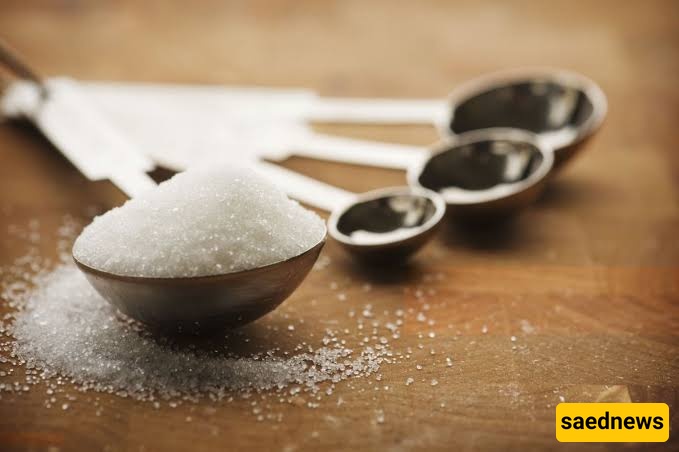
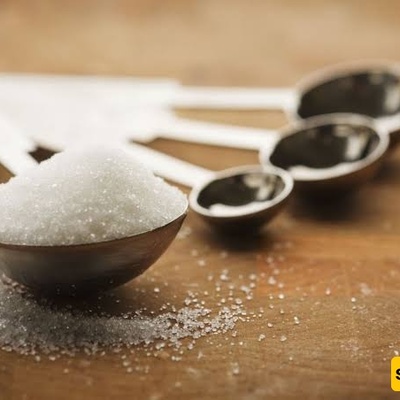
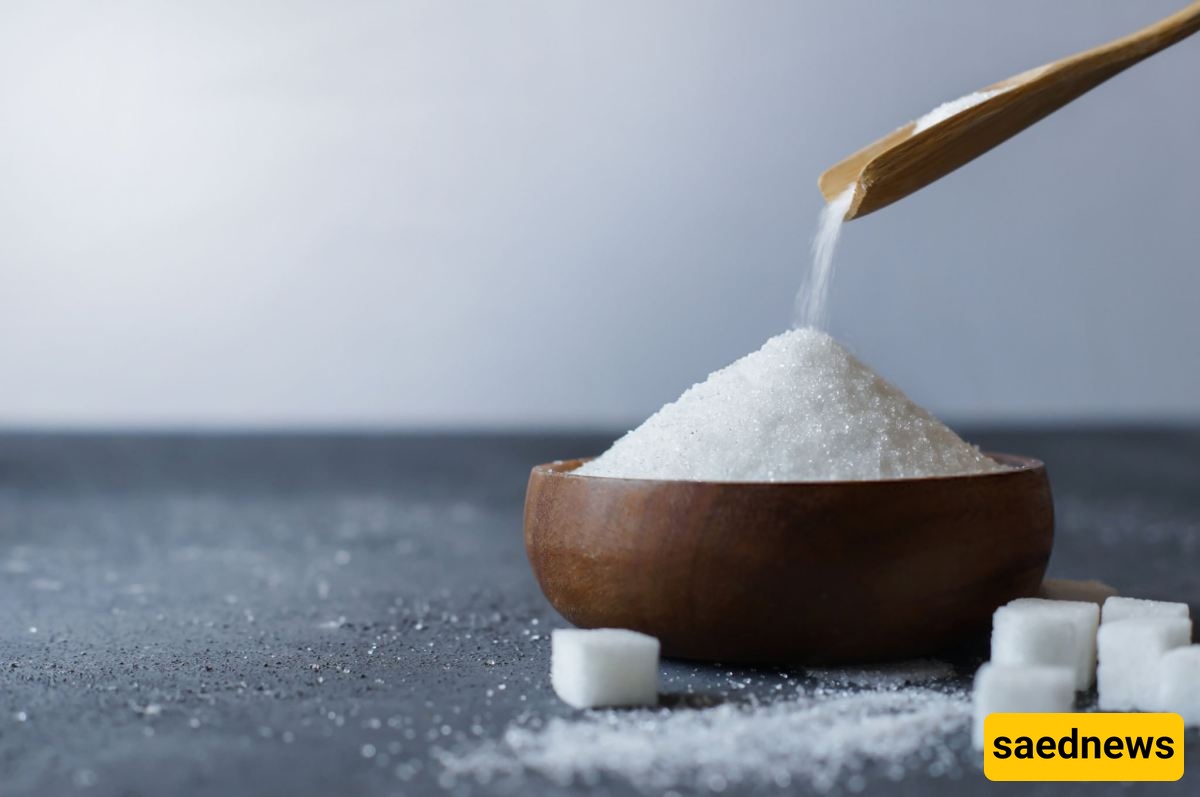
According to Saednews, Granulated sugar refers to sugar produced in the form of small, relatively uniform, free-flowing crystals. The word “granulated” comes from the Latin word granulum, meaning “small grain.” Therefore, granulated sugar simply means sugar in a grain-like form. The term describes the physical structure of the product rather than a special additive or unique formulation. In other words, granulation is a characteristic of the sugar’s crystal shape and size, not a distinct type of sweetening substance.
Granulated sugar is generally obtained from two main sources: sugarcane and sugar beets. After harvesting, the sugary juice is extracted from the plants and processed through several stages, including purification, filtration, concentration, crystallization, molasses separation, washing, and drying. The final product consists primarily of sucrose, the same naturally occurring sugar found in many plants.
The term “regular sugar” is not a precise scientific or technical classification. Instead, it is a common expression whose meaning depends largely on everyday usage and cultural context.
In Iranian households, for example, “regular sugar” generally refers to the white granulated sugar sold in standard one-kilogram or half-kilogram packages and commonly used in tea, baking, and cooking. In many cases, this is exactly the same product that is commercially and industrially known as “granulated sugar.”
However, when the term “sugar” is used in a broader sense, it encompasses a wide variety of products, including powdered sugar (icing sugar), brown sugar, yellow sugar, raw cane sugar, sugar cubes, sugar lumps, liquid sugar, and specialized confectionery sugars. From this broader perspective, granulated sugar is just one member of the sugar family and is not identical to all other varieties.
The short answer is: In most cases, yes, but not always.
If regular sugar refers to the white, crystal-shaped sugar commonly used in households, then granulated sugar and regular sugar are essentially the same product, with no fundamental difference in composition. In this context, “granulated” simply describes the crystalline form of the sugar and serves as a commercial or technical term for the familiar white sugar.
However, if regular sugar is used as a general term covering all types of sugar, granulated sugar cannot be considered identical to every variety.
For example:
Powdered sugar: Made by grinding granulated sugar into much finer particles.
Brown sugar: Contains more molasses, giving it a darker color, higher moisture content, and distinctive flavor.
Raw cane sugar: Undergoes less refining and generally has a coarser texture and darker color.
Therefore, whether granulated sugar and regular sugar are the same depends entirely on what is meant by “regular sugar.”
The main reason these terms are often used interchangeably is their shared physical characteristics.
The common white sugar available in supermarkets is manufactured in the form of crystalline granules. Therefore, describing it as granulated sugar is entirely accurate.
Manufacturers and packaging companies also use the term “granulated” to distinguish their products from powdered or brown sugar. This terminology emphasizes that the product consists of free-flowing crystals rather than powder or syrup.
The term is also widely used in food industry ingredient lists because it identifies the type of sugar used in a product, distinguishing granulated white sugar from powdered sugar or liquid sweeteners.
An important point is that the word “granulated” does not imply any additional nutritional or health benefits. Like regular white sugar, granulated sugar consists primarily of sucrose and has essentially the same caloric value. Therefore, the label “granulated” should not be interpreted as an indication that the product is healthier or has a different chemical composition.
To better understand the characteristics and applications of granulated sugar, it is useful to compare it with other commonly available varieties.
1. Powdered Sugar (Icing Sugar)
Powdered sugar is produced by grinding granulated sugar into extremely fine particles. It is commonly used in icing, frosting, confectionery creams, and decorative coatings because it dissolves more quickly and creates a smoother texture. A small amount of starch is sometimes added to prevent clumping.
2. Brown Sugar
Brown sugar consists of sugar crystals from which molasses has either been partially or completely removed and then added back, or which retain some of their original molasses. It has a higher moisture content and a characteristic caramel-like flavor. It is commonly used in specialty baked goods, sauces, and certain beverages.
3. Raw Cane Sugar
Raw cane sugar undergoes less processing than refined white sugar. It generally has a darker color, a stronger flavor, and a coarser texture. It is commonly found in traditional products and certain local markets.
4. Sugar Cubes and Sugar Lumps
Sugar cubes and lumps are made from refined sugar that has been compressed or molded into specific shapes. They are commonly served with tea and other hot beverages. Their basic composition is not significantly different from granulated sugar, but their physical form and intended use are different.
5. Liquid Sugar
Liquid sugar is a concentrated sugar solution commonly used in the beverage industry and various food manufacturing processes. It offers advantages in transportation, handling, and precise measurement.
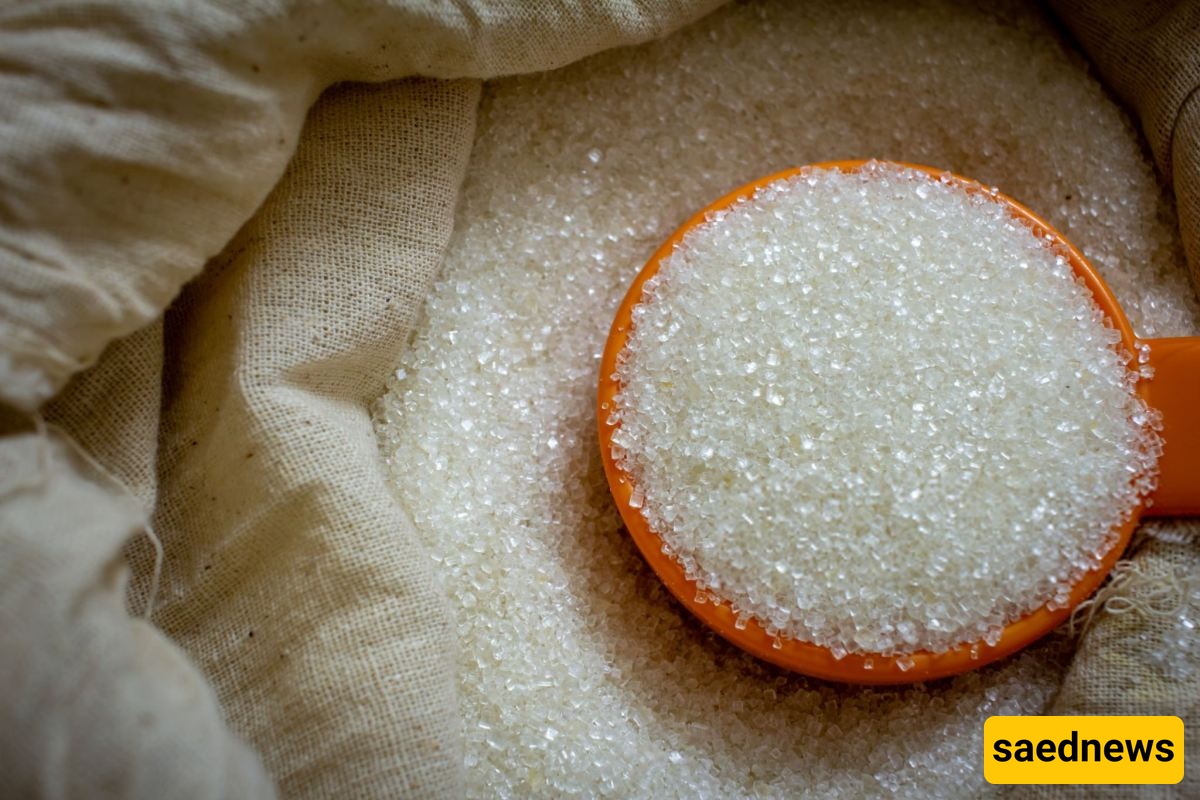
Granulated sugar is widely used because of its free-flowing texture, consistent crystal size, and neutral sweetness.
In households, it is commonly used for:
Sweetening tea, coffee, and other beverages.
Preparing jams, jellies, and fruit preserves.
Making cake and pastry batters.
Baking cookies, cakes, and other desserts.
Adding sweetness to various cooked dishes.
In the confectionery industry, granulated sugar is a key ingredient in many creams, syrups, doughs, and dessert preparations.
It is also widely used in food manufacturing, particularly in the production of soft drinks, sweetened dairy products, biscuits, chocolate, and canned foods.
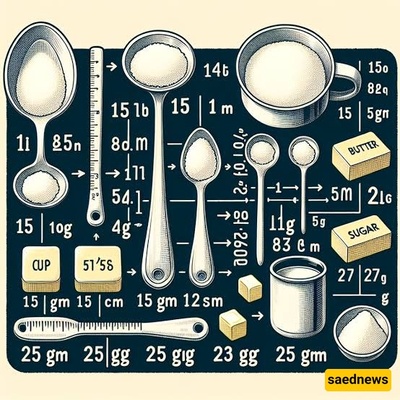
Its ease of measurement using kitchen scales and measuring cups, along with its predictable dissolving behavior in liquids, makes it a convenient and versatile ingredient for both household and industrial applications.
Granulated sugar is generally the same as regular white table sugar. The word “granulated” simply describes its small, crystalline, free-flowing structure rather than indicating a different ingredient or special formulation.
However, granulated sugar is only one variety within the broader sugar category. Powdered sugar, brown sugar, raw cane sugar, and liquid sugar have different physical properties, processing methods, and applications.
In short, regular white table sugar is usually granulated sugar, but not all types of sugar are granulated sugar.