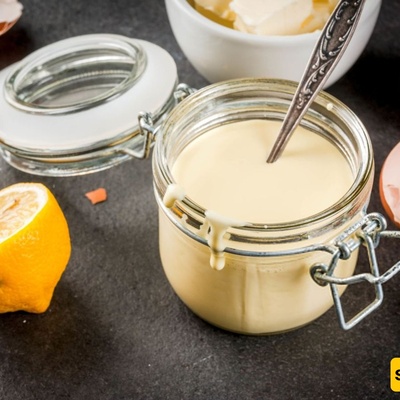
SAEDNEWS: Hollandaise sauce is one of the five French mother sauces, renowned for its silky texture and perfectly balanced blend of butter, lemon juice, and egg yolks, making it an essential element of professional cuisine.
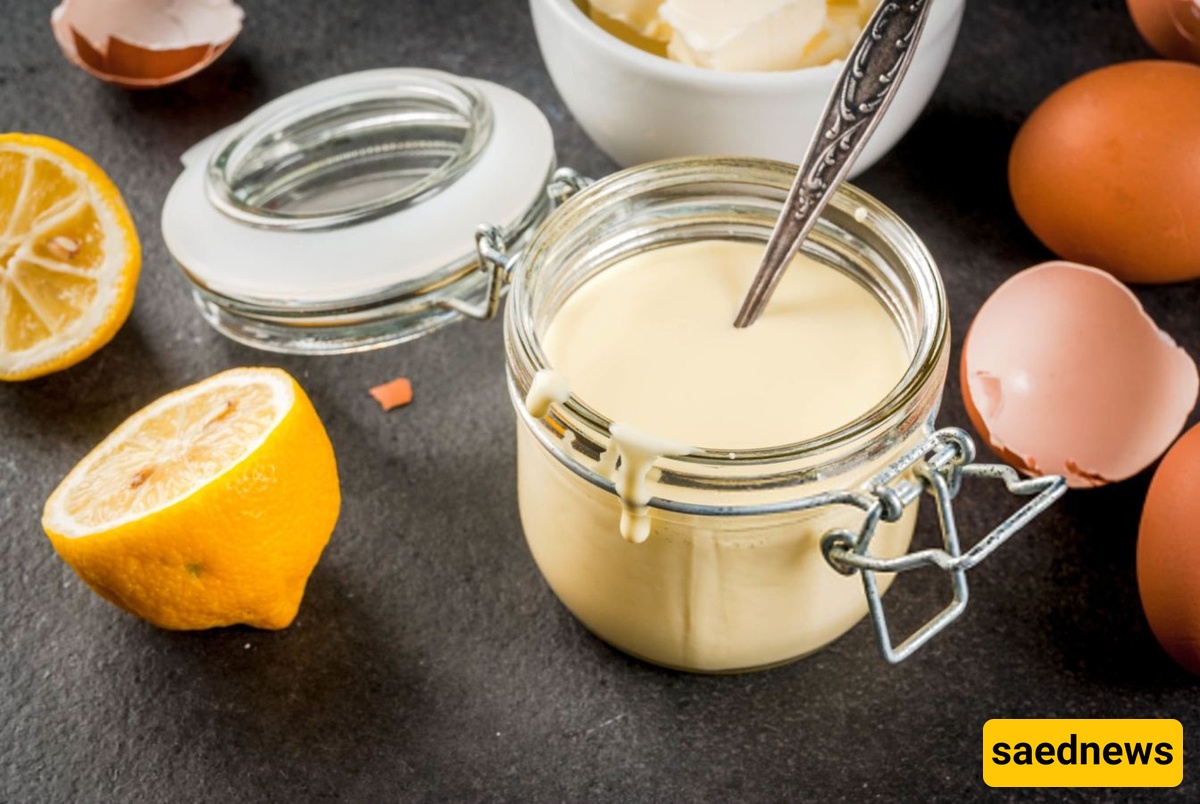
According to Saednews, Hollandaise sauce is made from a combination of butter, lemon juice, egg yolks, Dijon mustard, and salt. Some chefs also add a small pinch of cayenne pepper to give it a pleasant, spicy kick. Traditionally, French cuisine used clarified butter to prepare Hollandaise sauce. However, most modern chefs prefer regular melted butter, while some opt for clarified ghee.
Hollandaise sauce is popular for its silky, smooth texture, rich buttery aroma, and perfect balance of buttery and tangy flavors. When prepared correctly, it can significantly enhance the taste and quality of almost any dish. This luxurious sauce is an excellent accompaniment to breakfast, lunch, or dinner.
To prepare approximately one cup of Hollandaise sauce, you will need:
3 large egg yolks
1 tablespoon freshly squeezed lemon juice
1 teaspoon Dijon mustard
½ cup warm, melted butter
¼ teaspoon salt
Cayenne pepper, to taste (optional)
It is best to prepare all the ingredients before starting, as making Hollandaise sauce requires precision and careful timing.
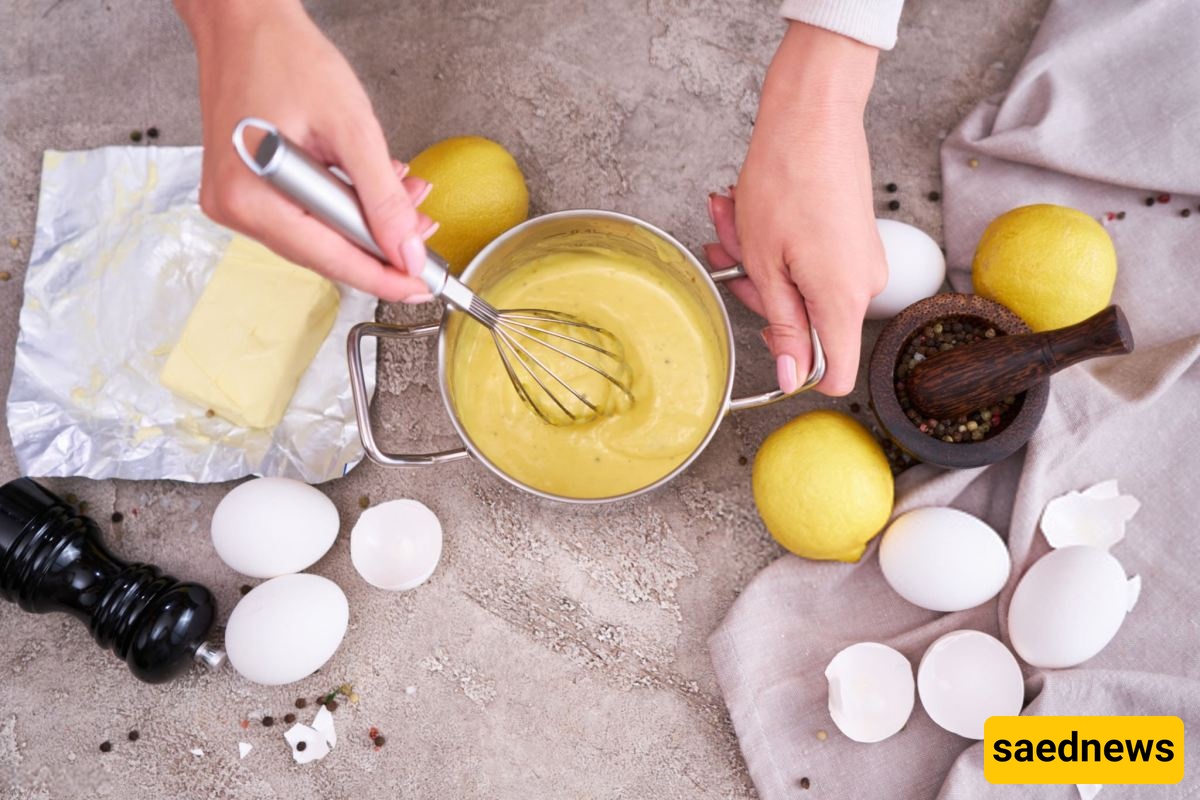
Step 1: Prepare a Double Boiler
Fill a small saucepan halfway with water and place it over low heat. The water should not reach a vigorous boil; it should produce only a gentle simmer.
Place a heatproof bowl over the saucepan, making sure the bottom of the bowl does not touch the water. This technique provides gentle, consistent heat.
Step 2: Combine the Egg Yolks
Place the egg yolks in the heatproof bowl. Add the lemon juice and Dijon mustard.
Whisk the mixture continuously for one to two minutes until it becomes pale in color and slightly thickened. At this stage, avoid excessive heat. The goal is simply to combine the ingredients evenly.
Step 3: Gently Heat the Mixture
Place the bowl over the simmering water and whisk continuously.
Keep the heat very low to prevent the egg yolks from cooking too quickly. Continue whisking until the mixture thickens enough to leave a ribbon-like trail when the whisk is lifted.
This process usually takes a few minutes.

Step 4: Add the Butter
Remove the bowl from the heat.
Gradually add the warm, melted butter in several small portions while whisking continuously. Adding the butter all at once increases the risk of the sauce separating.
Slowly incorporating the butter helps create a stable emulsion and gives the sauce its smooth, creamy texture.
Step 5: Season the Sauce
Add the salt and, if desired, a pinch of cayenne pepper.
Whisk briefly until the seasonings are evenly incorporated. A properly prepared Hollandaise sauce should be smooth, glossy, delicate, and creamy.
If the sauce becomes too thick, add a few drops of warm water and whisk until it reaches the desired consistency.
Step 6: Serve
Serve Hollandaise sauce immediately while warm.
It pairs beautifully with poached eggs, fish, asparagus, broccoli, steak, and boiled potatoes. Serving it warm is essential to maintaining its characteristic flavor and texture.