SAEDNEWS: Insomnia is one of the most common sleep-related complaints. Understanding the difference between primary and secondary insomnia can help clarify the condition and guide individuals toward the most appropriate treatment.

According to Saednews, Insomnia is one of the most common sleep-related health complaints. However, not all cases of insomnia follow the same pattern or have the same underlying cause. The key question is whether sleep difficulties occur independently or are associated with another condition, medication, substance, or environmental factor.

The answer helps distinguish between primary insomnia and secondary insomnia. Understanding the difference is important not only for identifying the nature of the sleep problem but also for determining the most appropriate treatment approach.
This article explores the definitions, causes, symptoms, differences, diagnostic approaches, and treatment principles of primary and secondary insomnia.
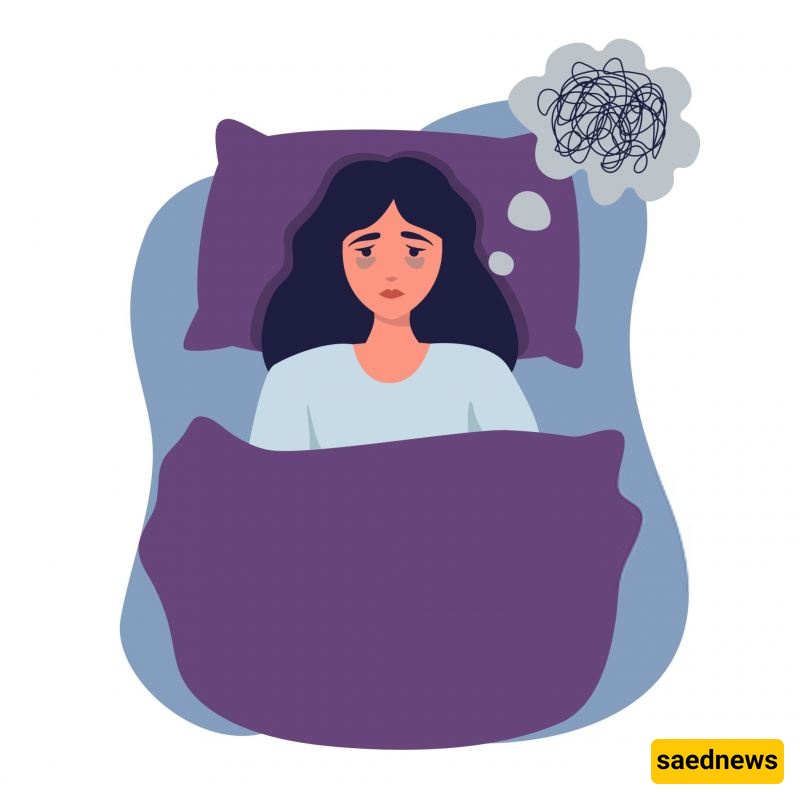
Insomnia refers to difficulty falling asleep, staying asleep, or achieving restorative sleep despite having adequate time and opportunity to sleep. It can lead to daytime consequences such as fatigue, poor concentration, irritability, reduced work or academic performance, and feeling unrefreshed upon waking.
Insomnia becomes a clinically significant disorder when it occurs repeatedly, persists over time, and interferes with daily functioning. Diagnosis is based on a detailed clinical history, assessment of sleep patterns, and evaluation of other possible contributing factors.

Primary insomnia refers to sleep difficulties that are not primarily attributable to another medical or psychiatric condition, medication, or substance use. In this case, insomnia is considered the main problem rather than a symptom of another identifiable condition.
However, the term primary does not mean that insomnia has no cause. Instead, it suggests that the main contributing factors are related to sleep itself, including behavioral, cognitive, physiological, or environmental influences.
People with primary insomnia may experience anxiety or worry before bedtime, difficulty falling asleep despite feeling tired, or repeated awakenings during the night followed by difficulty returning to sleep.
Some individuals also experience a state of heightened alertness or hyperarousal at night, making it difficult for the brain and body to transition into sleep.
The condition may be aggravated by:
Irregular sleep schedules.
Daily stress and psychological tension.
Prolonged screen exposure at night.
Excessive caffeine consumption.
Inconsistent bedtime routines.
In primary insomnia, an active underlying condition, such as severe depression or chronic pain, is not considered the main explanation for the sleep disturbance.
Primary insomnia is generally multifactorial.
Behavioral factors, including irregular bedtimes, prolonged daytime naps, and using the bed for working or watching television, can disrupt normal sleep patterns.
Cognitive factors may also contribute. Fear of not sleeping, worrying about the consequences of poor sleep the following day, and repeatedly checking the clock can reinforce the insomnia cycle.
Some individuals may also have greater physiological sensitivity to stress, making it more difficult to relax and fall asleep.
Primary insomnia is generally considered after an appropriate medical assessment has ruled out other significant causes.

Secondary insomnia refers to sleep difficulties that occur as a result of, or alongside, another underlying condition or contributing factor.
These factors may include medical illnesses, psychiatric disorders, medications, stimulants, substance use, or environmental influences.
In secondary insomnia, sleep disturbance is often one of the symptoms of the underlying condition. Treating or managing that condition may help improve sleep.
For example, someone with chronic pain may struggle to sleep because of physical discomfort, while a person with an anxiety disorder may experience persistent racing thoughts before bedtime.
1. Medical conditions
Several medical conditions can interfere with sleep, including:
Chronic pain.
Respiratory conditions such as asthma.
Gastroesophageal reflux disease (GERD).
Hyperthyroidism.
Heart failure.
Hormonal disorders.
Obstructive sleep apnea.
Restless legs syndrome.
2. Mental health conditions
Psychiatric disorders are important contributors to secondary insomnia, including:
Depression.
Anxiety disorders.
Post-traumatic stress disorder (PTSD).
Bipolar disorder.
3. Medications and substances
Certain medications can interfere with normal sleep patterns, including some corticosteroids, antidepressants, blood pressure medications, and stimulant medications.
Substances such as caffeine, nicotine, alcohol, and other stimulants may also contribute to sleep disturbances.
In secondary insomnia, sleep difficulties generally occur alongside symptoms of the underlying condition.
Insomnia may begin after the onset of an illness, the introduction of a new medication, or a period of significant stress.
The sleep pattern may also reflect the nature of the underlying cause. For example, chronic pain may lead to frequent nighttime awakenings, while anxiety may primarily interfere with falling asleep.
For this reason, a comprehensive assessment of medical history, medication use, and psychological health is essential.

The main distinction between primary and secondary insomnia lies in their underlying causes.
In primary insomnia, sleep difficulties are considered relatively independent of other medical or psychological conditions. In secondary insomnia, another condition or contributing factor plays a causal or aggravating role.
This distinction can influence treatment decisions. Primary insomnia is commonly managed through interventions targeting sleep itself, particularly cognitive behavioral therapy for insomnia (CBT-I). In secondary insomnia, identifying and addressing the underlying condition is also a priority.
Comparison | Primary Insomnia | Secondary Insomnia |
|---|---|---|
Main cause | Relatively independent of other conditions | Associated with an underlying condition or factor |
Common examples | Poor sleep habits, sleep-related anxiety, physiological hyperarousal | Chronic pain, depression, sleep apnea, medications, caffeine |
Onset | Often gradual and associated with sleep-related behaviors | May follow an illness, medication change, or stressful event |
Treatment focus | Improving sleep behaviors and thought patterns | Treating the underlying cause and managing sleep |
Role of medical assessment | Helps rule out other causes | Essential for identifying contributing conditions |
However, the distinction is not always clear-cut.
Many people experience a combination of both patterns. For example, an underlying condition such as chronic pain or anxiety may initially disrupt sleep. Over time, unhealthy sleep habits and persistent worries about insomnia can develop, allowing the sleep problem to continue even when the original cause improves.
In such cases, insomnia may persist despite partial improvement in the underlying condition.
Therefore, insomnia should not always be attributed to a single cause. Medical, psychological, medication-related, behavioral, and environmental factors may all need to be considered.
Distinguishing between primary and secondary insomnia generally requires a detailed clinical assessment.
A physician or sleep specialist may ask about the following:
When the sleep problem began and whether it coincided with an illness, medication, stressful event, or lifestyle change.
Sleep patterns throughout the day and night, including bedtime, wake-up time, time spent awake in bed, and perceived sleep quality.
Consumption of caffeine, nicotine, alcohol, and medications, particularly those that affect sleep.
Symptoms of psychological conditions such as depression, anxiety, and severe stress.
Signs of other sleep disorders, including loud snoring, pauses in breathing during sleep, excessive daytime sleepiness, or involuntary leg movements.
Medical conditions such as chronic pain, acid reflux, asthma, hyperthyroidism, and heart failure.
Sleep-related habits and personal beliefs about sleep.
In some cases, additional assessments may be necessary, including sleep questionnaires, sleep diaries, or specialized sleep evaluations.
The purpose of this assessment is not simply to classify insomnia as primary or secondary. Rather, it is to identify modifiable contributing factors and determine the most appropriate treatment strategy.
Treatment for primary insomnia focuses primarily on improving sleep itself.
One of the most effective approaches is Cognitive Behavioral Therapy for Insomnia (CBT-I). This evidence-based treatment combines sleep education, correction of unhelpful beliefs, stimulus control, sleep restriction, and relaxation techniques.
Sleep hygiene refers to developing healthy habits and creating an environment that supports good-quality sleep. It does not mean following a rigid set of rules.
Practical recommendations include:
Maintaining consistent sleep and wake-up times.
Keeping the bedroom dark, quiet, and comfortable.
Avoiding caffeine and heavy meals close to bedtime.
Reducing exposure to bright screens at night.
However, sleep hygiene alone is insufficient for many people with persistent insomnia. It is generally more effective when incorporated into a structured treatment plan.

Stimulus control aims to strengthen the association between the bed and sleep.
Individuals are encouraged to use their beds primarily for sleeping and sexual activity.
If they are unable to fall asleep after approximately 20 minutes, they should get out of bed and engage in a quiet activity under dim lighting until they feel sleepy again.
This approach helps reduce the association between the bed, wakefulness, and sleep-related anxiety.
Sleep restriction involves limiting the amount of time spent in bed to more closely match the individual's actual sleep duration, followed by gradually increasing time in bed as sleep efficiency improves.
This technique should be performed under professional guidance because it may require careful adjustment for certain individuals, including professional drivers and people with specific medical conditions.
Excessive worry about sleep can reinforce insomnia.
Thoughts such as "If I do not sleep tonight, tomorrow will be a disaster" or "I must get exactly eight hours of sleep" can increase anxiety and make falling asleep more difficult.
CBT-I helps individuals recognize unhelpful beliefs and replace them with more realistic and balanced ways of thinking.
Relaxation techniques may help reduce physiological and mental arousal before bedtime.
Examples include:
Slow, controlled breathing.
Progressive muscle relaxation.
Mindfulness exercises.
These techniques are not substitutes for primary insomnia treatment but can be useful components of a comprehensive management plan.
In secondary insomnia, identifying and treating the underlying cause is a major priority.
For example, if chronic pain is responsible for sleep disturbances, appropriate pain management may improve sleep quality.
If depression or anxiety is contributing to insomnia, psychological assessment and appropriate psychological or medication-based treatment may be necessary.
When a medication interferes with sleep, a physician may consider adjusting its timing or prescribing an alternative. However, medications should never be stopped or changed without medical advice.
Other sleep disorders, such as obstructive sleep apnea and restless legs syndrome, should also be investigated when suspected.
Caffeine, nicotine, and alcohol consumption should be reviewed as well.
In many cases, treating the underlying condition alone is not enough. Behavioral and cognitive interventions may also be necessary to restore healthy sleep patterns.
The following habits may help improve sleep and support treatment:
Maintain a consistent morning wake-up time, even after a poor night's sleep.
Keep daytime naps short and preferably limit them to the early afternoon.
Avoid caffeine during the afternoon and evening.
Do not use alcohol as a sleep aid, as it can fragment sleep.
Reserve the bed primarily for sleeping and avoid working in bed.
Write down daily worries before bedtime to reduce mental preoccupation.
Seek professional help if insomnia persists for several weeks or interferes with daily functioning.
Medical evaluation is recommended if insomnia occurs at least three nights per week for three months or longer.
You should also consider consulting a healthcare professional if sleep difficulties are accompanied by:
Loud snoring or pauses in breathing during sleep.
Dangerous levels of daytime sleepiness.
Depression or severe anxiety.
Chronic pain.
Use of medications that may interfere with sleep.
Professional advice is also important if you rely on alcohol or non-prescription medications to fall asleep, or if insomnia significantly affects your work, education, or everyday activities.

Primary and secondary insomnia are clinical concepts used to describe the role of underlying factors in sleep disturbances.
Primary insomnia refers to sleep difficulties that are relatively independent of another medical or psychological condition. Treatment typically focuses on improving sleep patterns and addressing unhelpful thoughts and behaviors, with CBT-I serving as a central therapeutic approach.

Secondary insomnia, on the other hand, is associated with an underlying medical condition, psychiatric disorder, medication, substance, or environmental factor. In these cases, identifying and managing the underlying cause is a key part of treatment.
Nevertheless, many individuals experience overlapping features of both types. A comprehensive, multidimensional assessment is therefore more useful than relying on a simple distinction between primary and secondary insomnia.