SAEDNEWS: Finding the Right Balance Between Motherhood and Self-Care: Practical Tips for Moms

According to Saednews, Motherhood is one of the most rewarding yet challenging roles in life. From the earliest days of becoming a mother, many women devote nearly all their energy, time, and attention to their children and families, gradually neglecting their own personal needs.
Although this self-sacrifice comes from love and a sense of responsibility, over time it can lead to chronic exhaustion, emotional burnout, and a reduced quality of life. This raises an important question: How can mothers find a healthy balance between caring for their children and taking care of themselves?
Balancing motherhood and self-care does not mean loving your children less or neglecting your responsibilities as a mother. Instead, it means recognizing that mothers are human beings with physical, emotional, and psychological needs of their own.
A mother who takes care of herself has more energy to spend with her children, greater patience when dealing with everyday challenges, and more emotional stability to create a healthy family environment.
This article explores the different aspects of balancing motherhood and self-care and offers practical strategies to help mothers maintain their well-being while raising their children.

A mother's mental health is one of the foundations of a healthy family. When mothers consistently neglect their own needs, they become more vulnerable to stress, anxiety, irritability, and feelings of emptiness.
Regular self-care, even through small daily activities, can help reduce psychological pressure and improve emotional well-being. A calmer mother is better equipped to respond to her children's emotional needs.
Maternal burnout occurs when a mother feels emotionally and physically drained, as though she has nothing left to give. Common signs include persistent fatigue, lack of motivation, feelings of inadequacy, and losing interest in activities that once brought joy.
Maintaining a balance between motherhood and self-care can help protect against burnout. Getting enough rest, eating nutritious meals, maintaining a regular sleep schedule, and making time to recharge can all help prevent emotional and physical exhaustion.
Children often learn more from their parents' behavior than from their advice. When mothers respect their own needs, they teach their children that self-care is not selfish but an essential part of a healthy lifestyle.
This example helps children develop personal boundaries, self-esteem, and healthy self-care habits that will benefit them throughout their lives.
One of the biggest obstacles to maternal self-care is guilt. Many mothers feel that taking time to rest or pursue personal interests means they are failing their children.
These feelings often come from social expectations and unrealistic beliefs about what it means to be a devoted mother.
Recognizing these beliefs and accepting that mothers also need rest is the first step toward overcoming guilt.
Perfectionism can turn motherhood into an endless competition. Mothers who feel pressured to perform flawlessly in every role often lose sight of their own needs, time, and energy.
The truth is that being a good-enough mother is far more sustainable than trying to be a perfect one.
Accepting personal limitations and setting realistic priorities can create more room for self-care.
Many mothers struggle with finding enough time for themselves. However, self-care does not always require long periods of free time.
A few minutes of deep breathing, a short walk, drinking enough water, or having a brief conversation with a friend can all contribute to personal well-being.
Time management should not revolve exclusively around household responsibilities and childcare. Even a small amount of time should be reserved for personal rest and recovery.
Society often expects mothers to sacrifice everything for their families. Such expectations can gradually erase their personal boundaries and individual identities.
Achieving a balance between motherhood and self-care requires redefining the maternal role in a way that recognizes a mother's right to enjoy life, pursue happiness, and experience personal growth.

Self-care is not limited to massages, vacations, or expensive entertainment.
Getting enough sleep, eating nutritious food, staying physically active, allowing yourself mental breaks, maintaining supportive relationships, and setting healthy boundaries are all essential forms of self-care.
Think of self-care as a basic human need rather than a luxury or special privilege.
Learn to say no in situations where necessary.
Setting boundaries does not mean disrespecting others. It means protecting your energy and preserving your ability to manage important responsibilities.
For example, you can decline additional commitments when you are exhausted or ask family members to share household responsibilities.
Self-care plans should be simple, specific, and achievable.
Instead of setting an ambitious goal such as exercising for two hours every day, start with something manageable, like taking a ten-minute walk daily.
Writing down your priorities and scheduling short periods of personal time can gradually turn self-care into a lasting habit.
Motherhood should not be the mother's responsibility alone.
Partners and older children can contribute to household chores, childcare, and everyday family management.
Teaching children independence not only reduces the mother's workload but also helps them develop valuable life skills.
No family is perfect, and no mother can do everything flawlessly.
Accepting that some days, simply doing enough is an achievement can significantly reduce emotional pressure.
Instead of comparing yourself with other mothers, focus on small improvements and building a strong emotional connection with your children.
Self-care does not need to be complicated. A few simple habits can make a meaningful difference in a mother's quality of life.
Regular sleep: Try to maintain a consistent bedtime and, whenever possible, make time for short daytime rests.
Healthy nutrition: Avoid skipping meals and make sure you drink enough water throughout the day.
Physical activity: Short walks, gentle stretching, or light home workouts can help reduce physical and emotional tension.
Mindful breathing: Spending a few minutes practicing deep breathing can help calm your nervous system.
Social connections: Talking with a friend or family member can reduce feelings of loneliness and isolation.
Enjoyable activities: Make room in your weekly schedule for reading, listening to music, gardening, or any hobby that brings you happiness.

Balancing motherhood and self-care should not depend entirely on the mother's individual efforts. Partners and other family members also play an important role.
Fairly distributing responsibilities, respecting a mother's personal time, offering emotional support, and avoiding criticism can help create a healthier family environment.
When family members recognize that caring for the mother is part of maintaining everyone's well-being, self-care becomes a shared responsibility rather than an individual burden.
One effective way to reduce guilt is to change the way you think about self-care.
Instead of telling yourself, "I'm selfish because I think about my own needs," try replacing that thought with:
"I am responsible for my own well-being so that I can take better care of my family."
You can also make self-care a shared family activity, such as going for a family walk or enjoying a short period of relaxation together.
Recognizing that caring for yourself and caring for your family are not competing priorities can help reduce guilt and create a healthier perspective on motherhood.
A mother's needs change as her children grow. Therefore, self-care strategies should evolve alongside each stage of a child's development.
During this stage, sleep and proper nutrition should be the mother's main priorities.
Break self-care into small, manageable steps. Sleep when your baby sleeps, accept help from family members or friends who can look after the baby for a few hours, and avoid expecting yourself to return immediately to your previous routine.
At this stage, being good enough is a more realistic goal than trying to be perfect.
As children become more independent, mothers gradually gain more opportunities for personal time.
You can slowly reintroduce enjoyable activities into your routine and encourage children to participate in simple household tasks.
This approach helps children develop independence and practical skills while reducing some of the mother's daily responsibilities.
One of the main challenges during adolescence is adjusting parental supervision while allowing teenagers greater independence.
Mothers who have maintained personal boundaries and individual interests throughout earlier stages of motherhood may be less likely to experience a loss of personal identity during this period.
Reconnecting with personal interests, maintaining friendships, and pursuing professional activities become particularly important during these years.
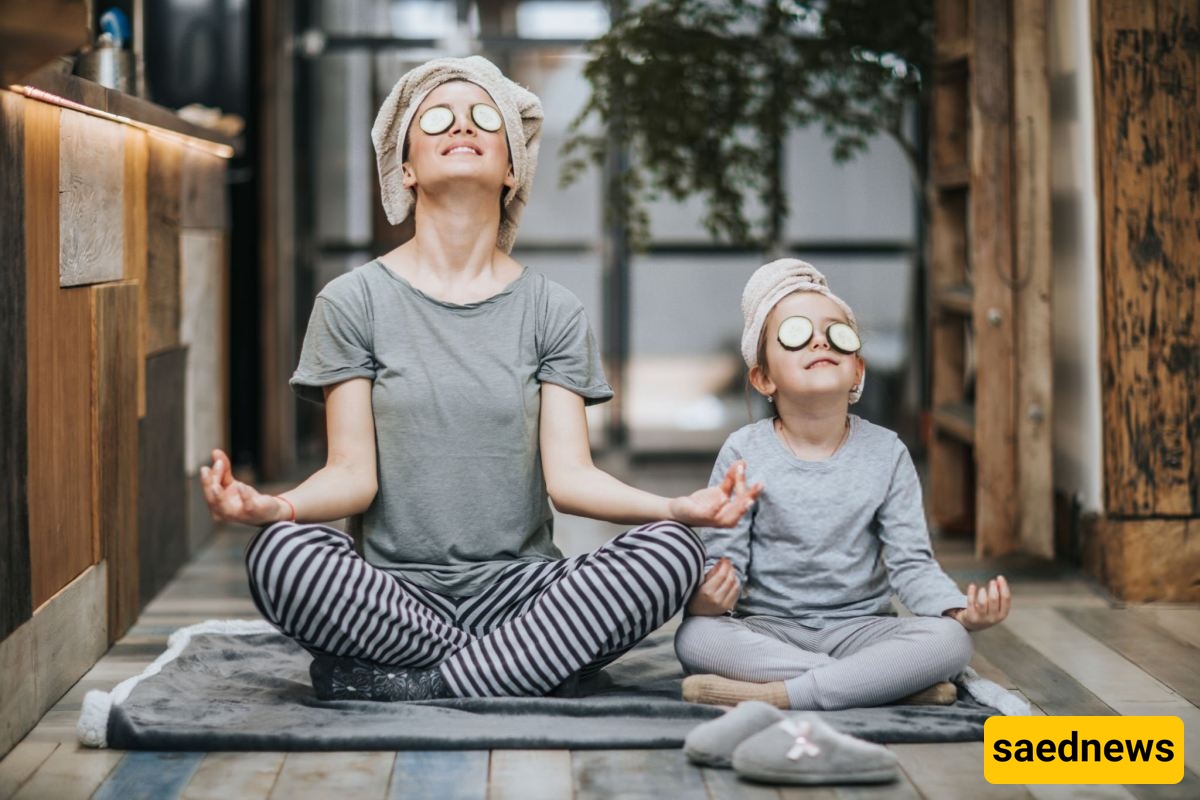
Motherhood is an important part of life, but it does not have to become the entirety of a woman's identity.
Taking care of yourself is not a sign of selfishness, weakness, or a lack of commitment to your children. It is an essential part of maintaining your physical health, emotional well-being, and family relationships.
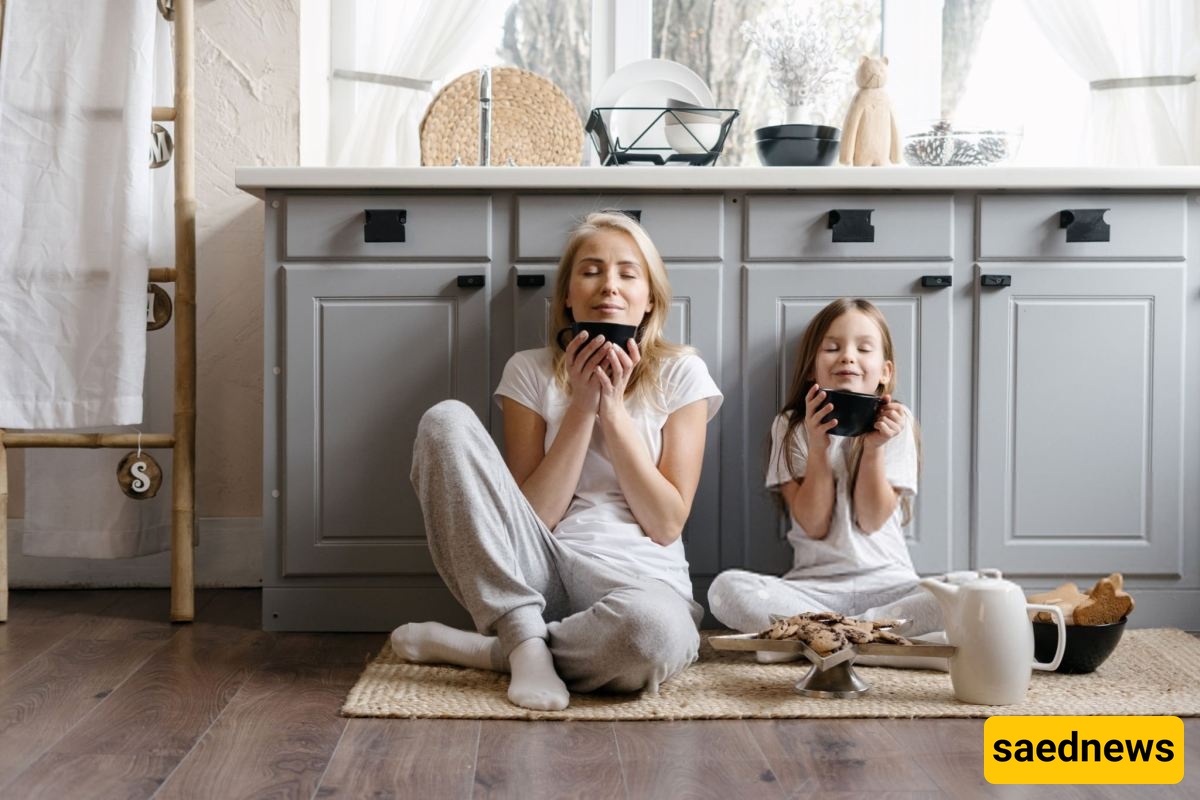
You do not need to make dramatic changes to achieve balance. Small, consistent steps, realistic expectations, healthy boundaries, and support from family members can make a meaningful difference.
Remember: Your children need a happy, healthy, and emotionally present mother—not a mother who has completely forgotten herself in the process of caring for everyone else.