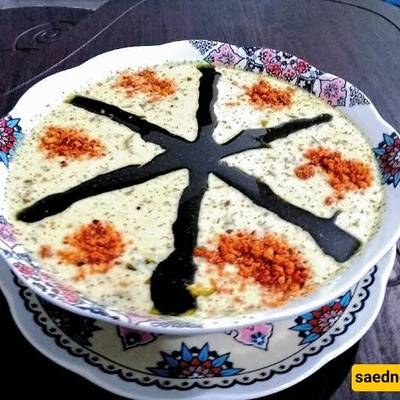
SAEDNEWS: Ash-e Doogh is one of the most popular and delicious traditional soups from Ardabil, Iran. Known for its distinctive aroma and rich, refreshing flavor, this local specialty is a beloved part of Iranian cuisine. In this article, we’ll show you how to prepare this authentic dish at home.
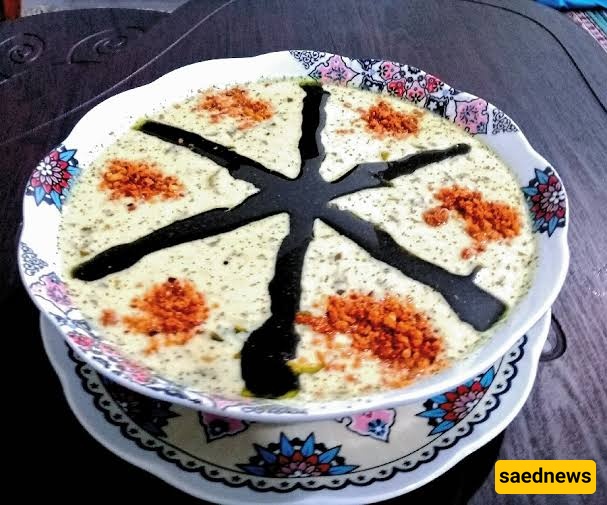
According to Saednews, Ash-e Doogh is one of Iran's most beloved traditional soups, enjoyed in almost every region of the country. However, certain cities are particularly well known for their distinctive versions, including Sarein, Tabriz, Ardabil, Shiraz, Urmia, Rasht, Mazandaran, and Heyran Pass.
This ancient and flavourful Iranian dish is prepared in different ways depending on the region. Although the main ingredients are generally similar, its consistency varies. In northern Iran, Ash-e Doogh is often prepared with a lighter, broth-like texture, while other regions prefer a thicker version.
Despite its simple ingredients, Ash-e Doogh is among the most popular Iranian traditional soups, alongside famous dishes such as Ash Reshteh and Ash-e Jo.
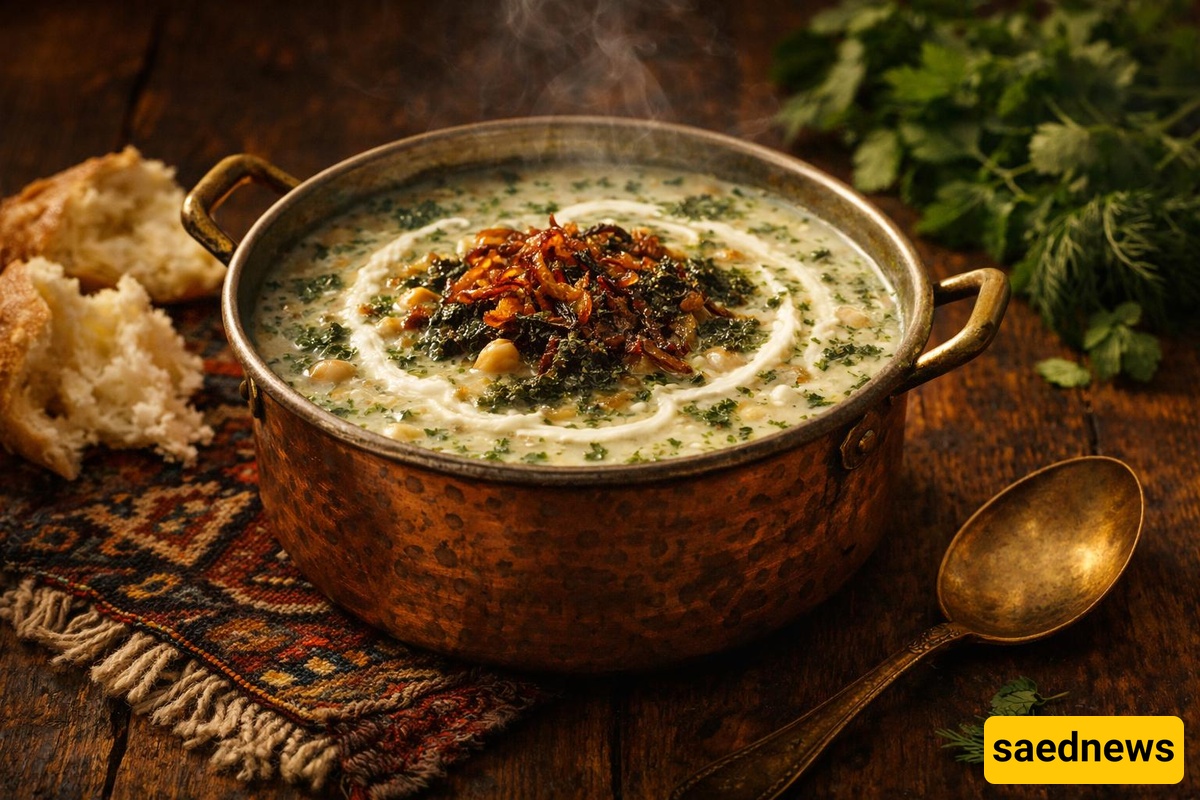
Preparation time: 30 minutes
Cooking time: Approximately 2 hours
Servings: 6 people
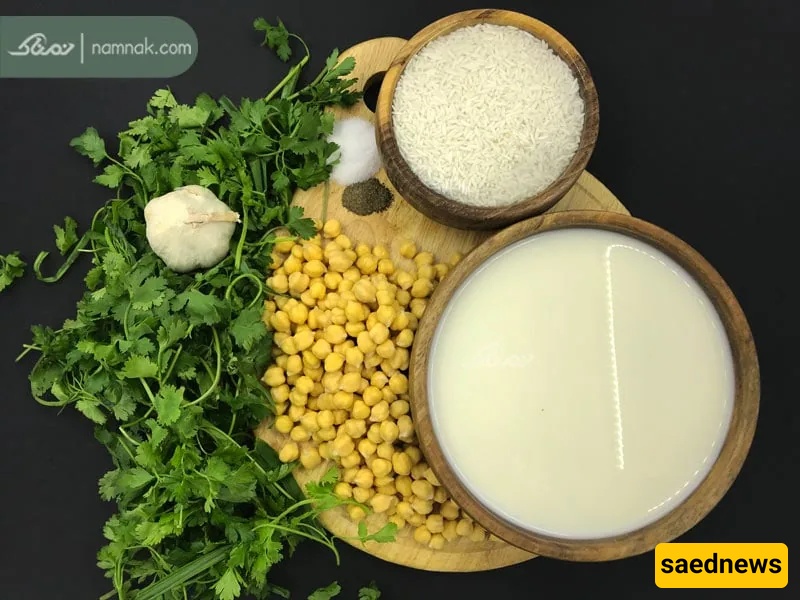
Ingredient | Quantity |
|---|---|
Chickpeas | 150 g |
Rice | 1 cup |
Fresh herbs (leek, parsley, coriander) | 200 g |
Sour Doogh (fermented Iranian yogurt drink) | 2 litres |
Salt and black pepper | To taste |
Garlic | 1 bulb |
Step 1: Soak the chickpeas
Wash the chickpeas thoroughly and soak them overnight. Change the water several times to help reduce bloating and improve digestion.
Step 2: Soak the rice
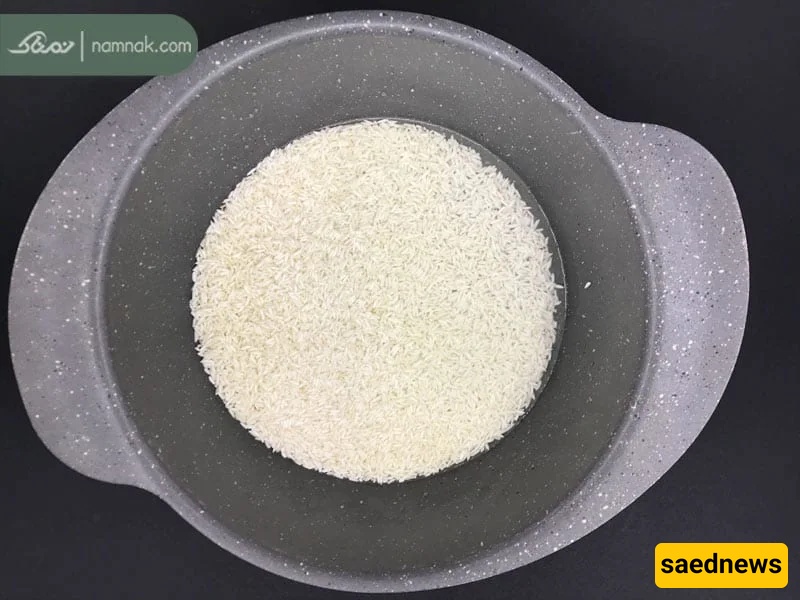
Wash one cup of rice and soak it in one cup of water for approximately 2–3 hours. This helps soften the rice and allows it to cook more quickly.
Step 3: Cook the rice with Doogh
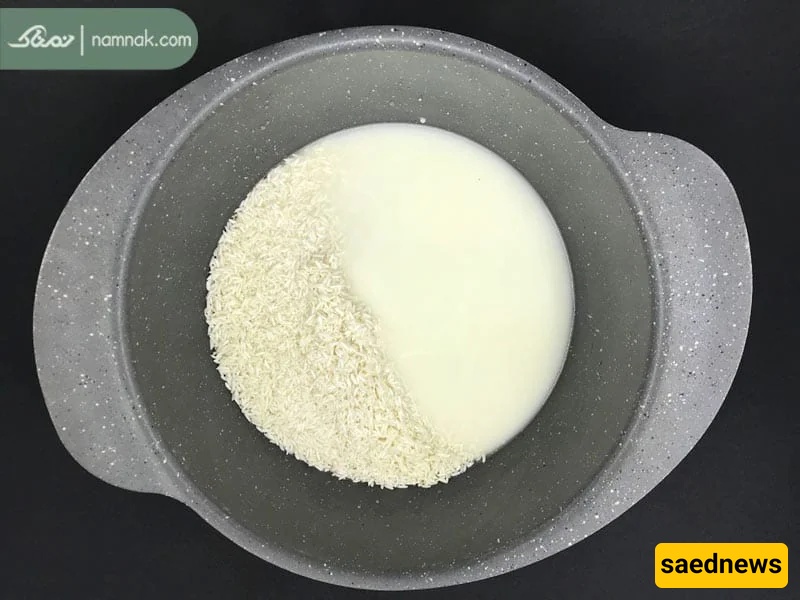
Pour the soaked rice and two litres of Doogh into a large pot. Place over medium heat and bring to a boil, stirring occasionally. Continue cooking until the rice becomes soft.
Step 4: Cook the chickpeas
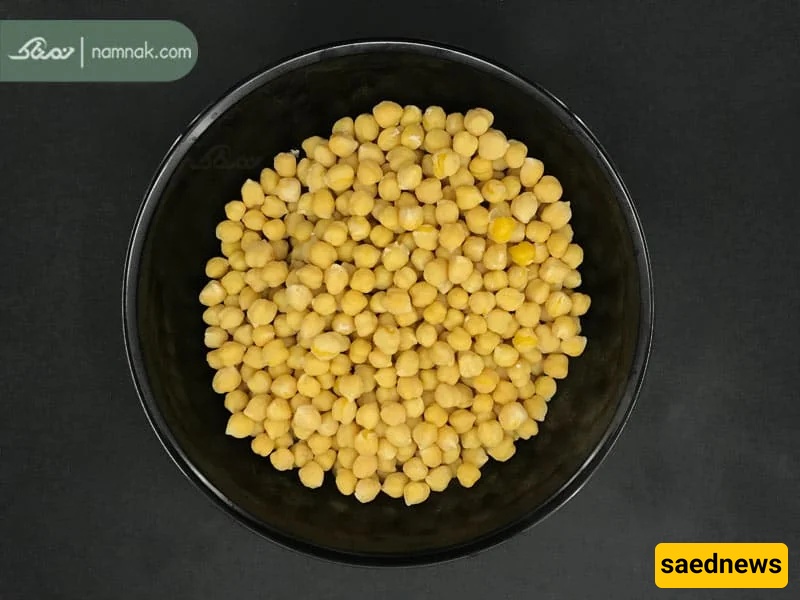
In a separate pot, cook the soaked chickpeas in water until completely tender.
Step 5: Prepare the herbs
Wash the fresh herbs thoroughly and chop them finely.
Step 6: Combine the chickpeas and rice
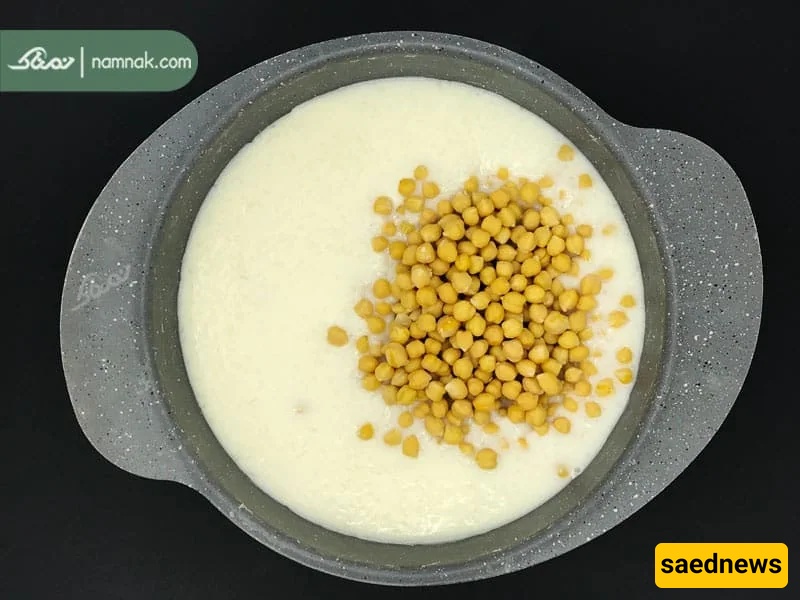
Once the rice is fully cooked, add the boiled chickpeas to the rice and Doogh mixture. Stir gently.
Step 7: Add the garlic
Peel approximately half of the garlic bulb and grate or crush the cloves. Sauté the garlic in a little oil until fragrant, then add it to the soup.
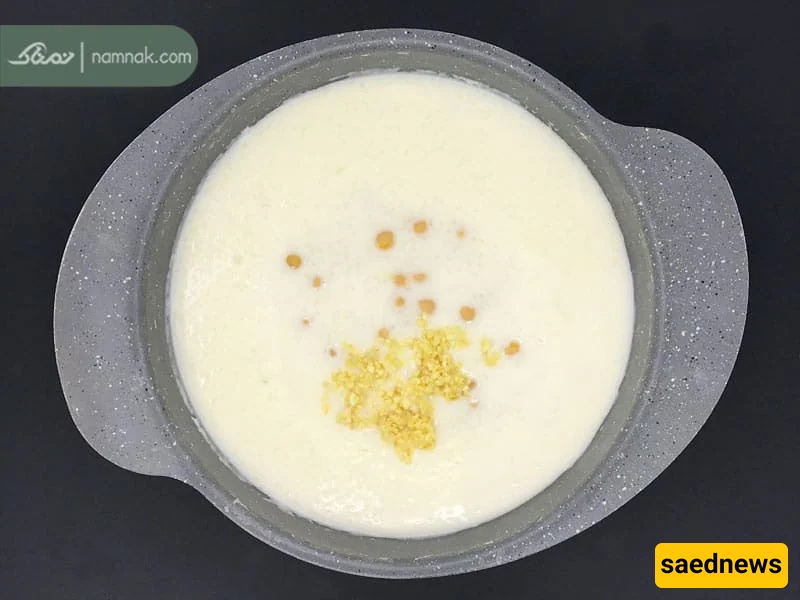
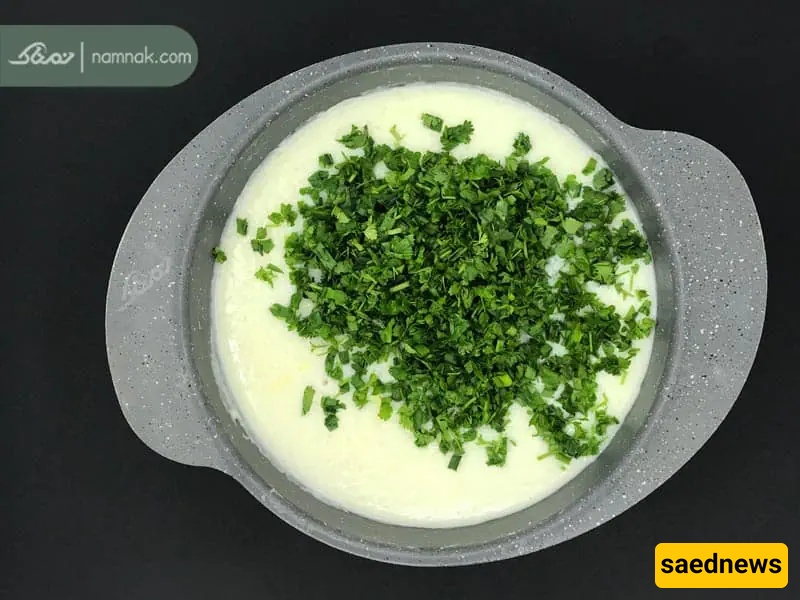
Step 8: Add the fresh herbs
Add the chopped herbs to the pot and stir well. Allow the soup to simmer until the herbs are thoroughly cooked.
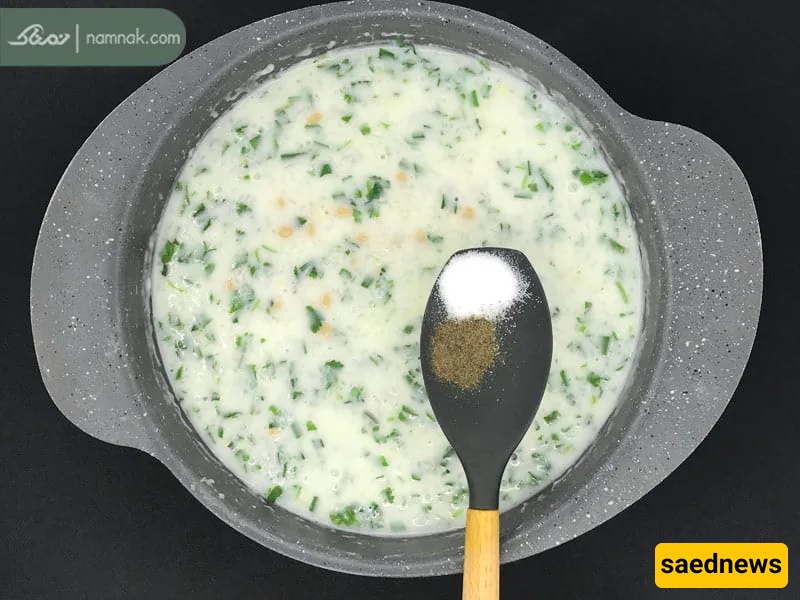
Step 9: Season the soup
Add salt and black pepper according to your taste. Cover the pot partially and allow the soup to simmer until all the ingredients are well combined.
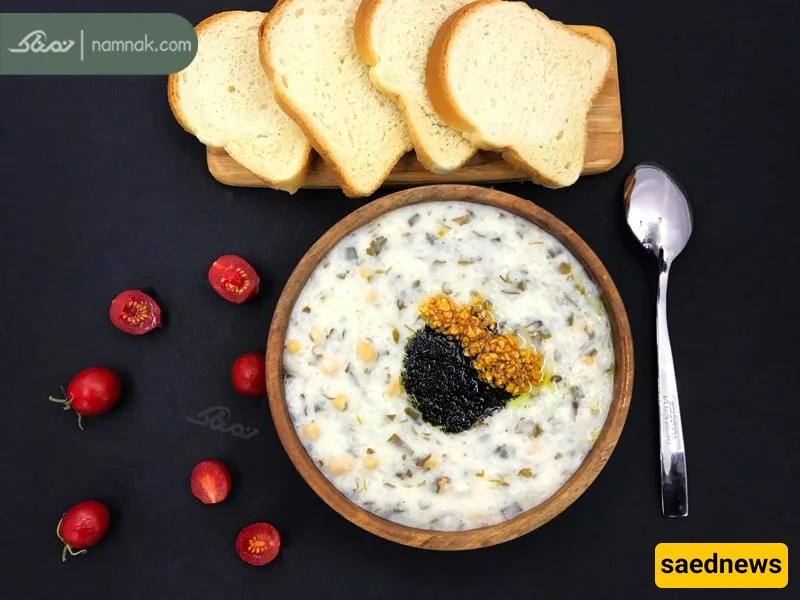
Step 10: Serve and garnish
Your traditional Ash-e Doogh is ready! Serve hot and garnish with fried mint, crispy garlic, or fried onions.
If the soup becomes too thick, add a little more Doogh to achieve the desired consistency.
Garlic can be omitted if you dislike its flavour, although it adds a distinctive taste to the dish.
The traditional herbs used in Ash-e Doogh are leek, coriander, and parsley. Spinach, dill, or garlic leaves can also be added according to preference.
Avoid using turmeric or brightly coloured spices if you want to preserve the traditional white appearance of the soup.
If using dried garlic, crush it thoroughly with a little salt before adding it.
Iranian rice gives the soup a wonderful aroma and texture. Broken rice is also an excellent choice.
Cooked bulgur can be used instead of rice.
A stainless-steel or heavy-bottomed pot is preferable to a non-stick pot because Ash-e Doogh requires frequent stirring.
Chickpeas can be replaced with one cup of cooked split peas or beans.
To prevent the Doogh from curdling, stir the soup continuously, particularly during the initial heating process. Some traditional recipes also use an egg as a stabiliser.
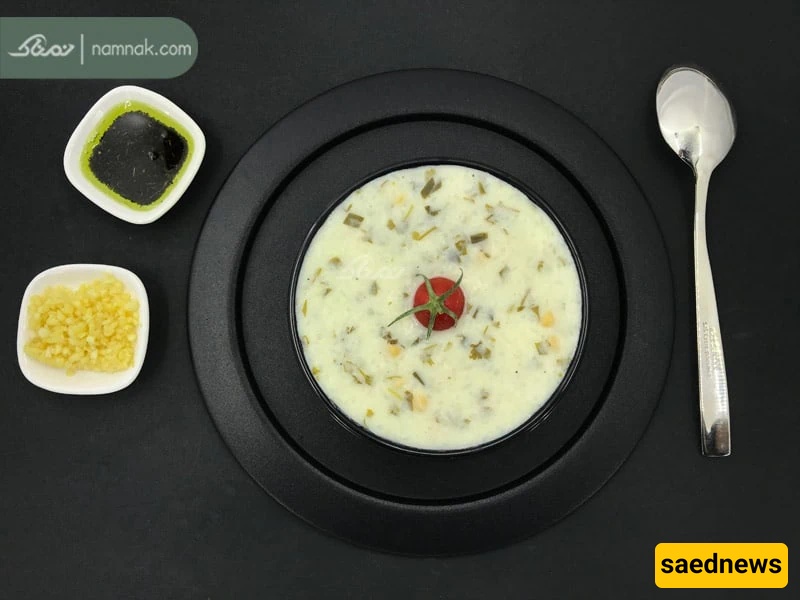
Ash-e Doogh is generally thinner than many other traditional Iranian soups. Its flavour can be adjusted with additional black or red pepper.
Different regions have developed their own versions:
Ardabil: Locally produced Doogh is recommended for preparing the authentic Ardabil version of Ash-e Doogh.
Mazandaran: The local recipe differs from the Ardabil version and may include Ash noodles, pinto beans, lentils, and yoghurt.
Northern Iran: In some areas, Ash-e Doogh is prepared without fresh herbs and is instead flavoured with fried dried mint.
Lighter version: Using low-fat Doogh reduces the overall calorie content.
Garlic variation: Mixing six grated garlic cloves with half a small glass of boiling water and adding the mixture to the soup while serving can enhance its flavour.
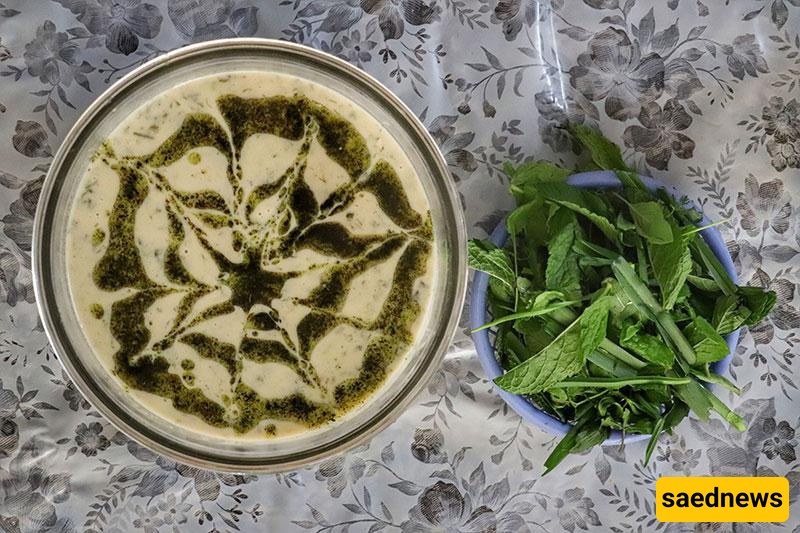
Ash-e Doogh can be served on several occasions, including:
As a main dish for lunch.
As a light meal or afternoon snack.
As a traditional Iranian starter.
As an evening meal during Ramadan, particularly for Iftar.
For additional flavour, garnish the soup with a little oil, red or black pepper, and fried mint.
Ash-e Doogh is much more than a simple yoghurt-based soup. Its regional variations, fresh herbs, chickpeas, and distinctive tangy flavour make it an important part of Iran's rich culinary heritage.
Whether enjoyed in the mountain towns of Ardabil and Sarein or in the lush northern provinces, this comforting traditional dish offers a delicious introduction to authentic Iranian home cooking.