SAEDNEWS: Ruling on Buying and Selling Women’s Hair in Islam: What Do Leading Shia Scholars Say? Key Guidelines and Considerations
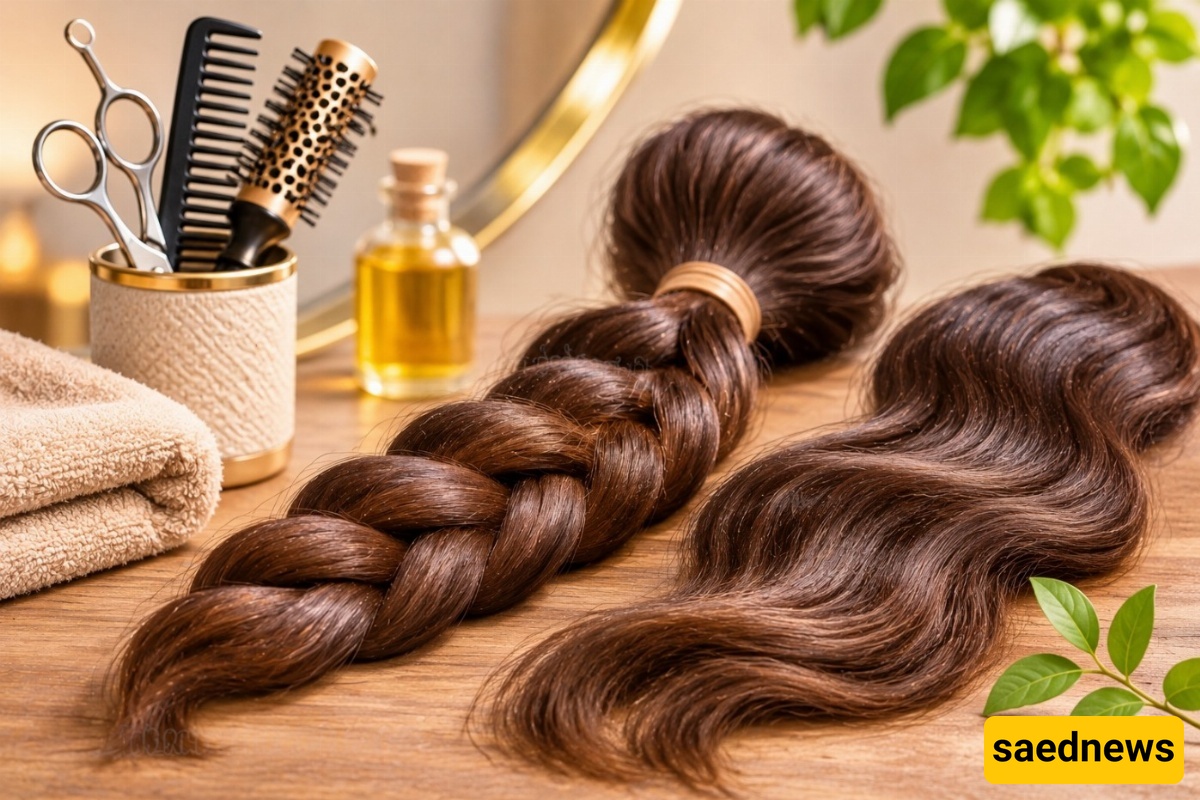
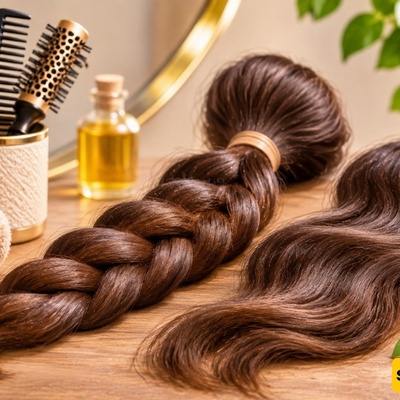
According to Saednews, Selling natural human hair is an issue that may attract people's attention for various reasons, such as earning money, changing their appearance, or cutting their hair. However, before deciding to sell their hair, people often have several questions, including whether selling natural hair is permissible under Islamic law and what Islamic scholars and religious authorities say about it.
It is also important to understand the possible side effects of selling hair, particularly if cutting, collecting, or preparing it involves damage to the scalp or hair.
In this article, we address questions such as the religious ruling on selling natural hair according to the late Supreme Leader Ayatollah Khamenei and the opinion of Ayatollah Makarem Shirazi. The aim is to provide clearer information about the religious aspects of this practice before making a decision.
According to the fatwas (religious rulings) attributed to various Shia Islamic authorities, buying and selling natural human hair is generally considered permissible. However, certain rulings also take into account the conditions of the transaction and the intended use of the hair.
Below are the opinions of some of the most frequently consulted religious authorities on this subject.
When asked about the Islamic ruling on selling hair, Ayatollah Khamenei stated that the transaction is not inherently objectionable and is permissible in itself.
According to Ayatollah Sistani, buying and selling human hair is not prohibited in itself and carries no religious objection.
According to the fatwa attributed to Ayatollah Makarem Shirazi, buying and selling human hair is permissible and presents no religious issue.
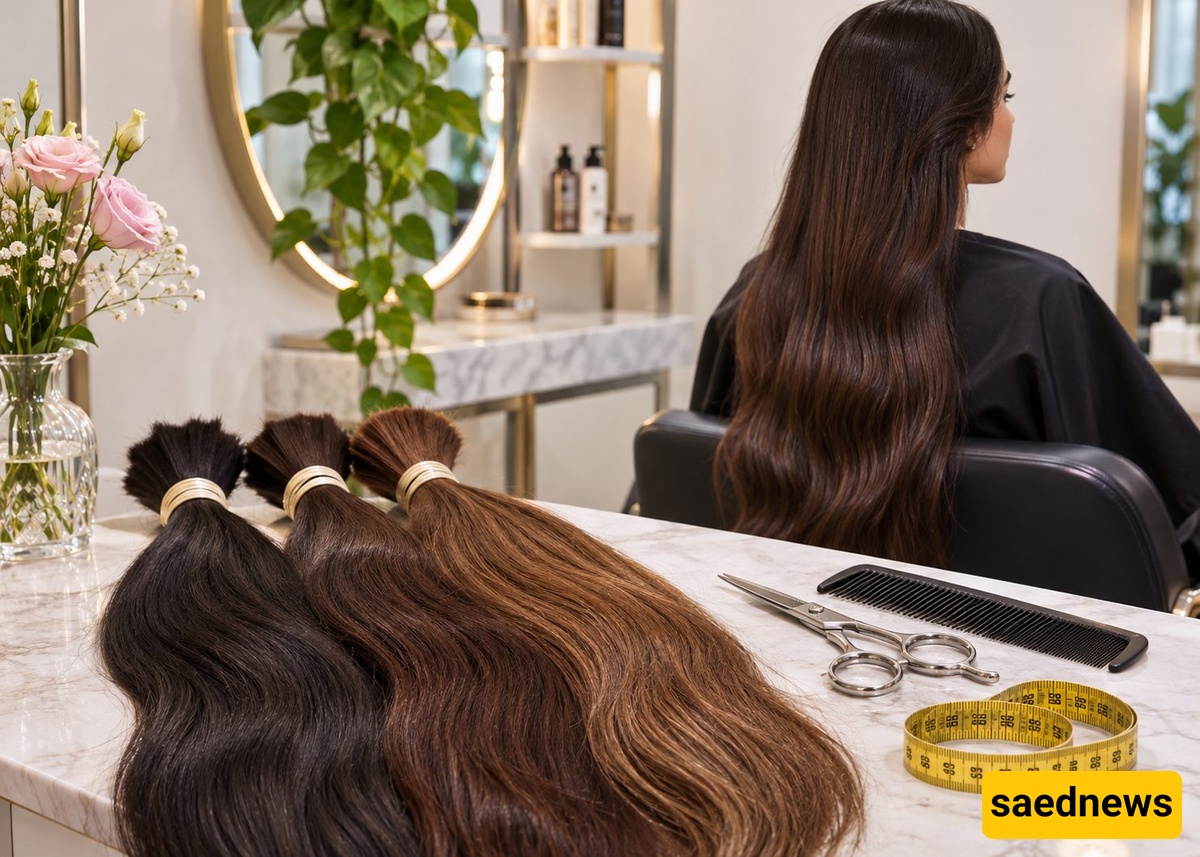
In addition to the scholars mentioned above, rulings concerning the sale of human hair have also been published by other prominent Shia religious authorities, including Ayatollah Vahid Khorasani, Ayatollah Shobeyri Zanjani, and Ayatollah Fazel Lankarani.
Their opinions are summarized below:
Ayatollah Vahid Khorasani: Selling human hair is permissible and has no religious objection.
Ayatollah Shobeyri Zanjani: Buying and selling human hair is permissible.
Ayatollah Fazel Lankarani: If human hair has a lawful and rationally recognized benefit, selling a woman's hair for a legitimate and permissible purpose is allowed, provided that it does not lead to corruption or an impermissible consequence.
According to the religious rulings cited above, selling natural human hair is generally considered permissible by the mentioned Shia Islamic authorities.
However, Ayatollah Fazel Lankarani's ruling specifically emphasizes that the hair must have a lawful and reasonable use and that the transaction must not result in any form of religiously prohibited harm or corruption.