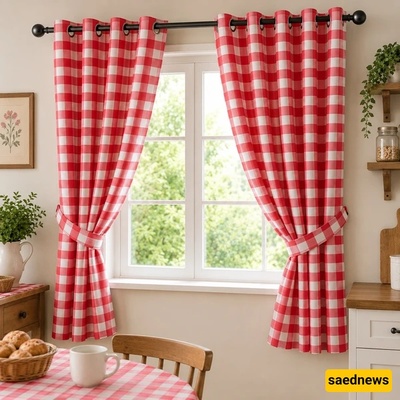
SAEDNEWS: Which Fabric Is Best for Kitchen Curtains? Discover the best fabric options for kitchen curtains that combine style, practicality, and durability to create a beautiful and functional kitchen space.
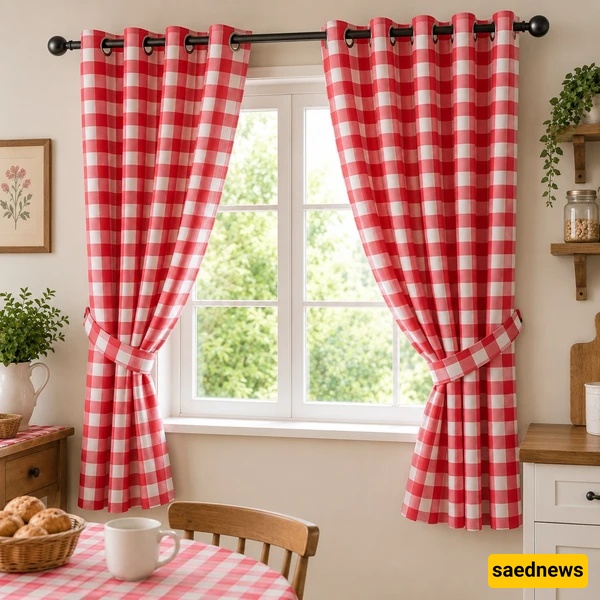
According to Saednews, Choosing kitchen curtains may seem simple at first, but selecting the right fabric can make the decision more challenging. There are many different fabrics available, each with its own appearance and characteristics. Moreover, a curtain that looks beautiful in a store may not necessarily be the right choice for your kitchen.
So, which fabric is best for kitchen curtains, and what should you consider before buying? In this guide, we explore different types of kitchen curtain fabrics and their features to help you make a practical choice you won't regret.
Polyester, cotton, linen, voile, sheer netting, and cotton-polyester blends are among the most suitable fabrics for kitchen curtains. However, no single fabric is ideal for every kitchen. Factors such as natural light, humidity, grease exposure, and washing frequency all influence which fabric will work best.
Cotton fabric is a great choice for kitchens with simple, warm, and welcoming interiors. Its attractive appearance and wide range of colors and patterns make it easy to coordinate with different decorating styles. Cotton is generally easy to wash, and lightweight varieties are particularly suitable for short kitchen curtains.

Advantages:
Simple and attractive appearance.
Wide selection of colors and patterns.
Reasonably easy to wash.
Disadvantages:
May wrinkle after washing.
Can shrink.
Often requires ironing.
Best for: People who prefer simple, natural-looking fabrics and don't mind ironing their curtains.
Tip: If you plan to make curtains from cotton fabric, ask about its shrinkage rate before purchasing. This will help prevent your curtains from becoming shorter than expected after the first wash.
With its distinctive texture and naturally matte appearance, linen is an attractive option for modern, minimalist, and rustic kitchens. Lightweight linen allows some natural light to pass through while providing more coverage than extremely sheer fabrics.
Advantages:
Natural and elegant appearance.
Beautiful fabric texture.
Available in different weights and thicknesses.
Disadvantages:
Prone to wrinkling.
May shrink.
Some varieties are sensitive to frequent washing.
Best for: Kitchens where the window is positioned away from the stove and sink.
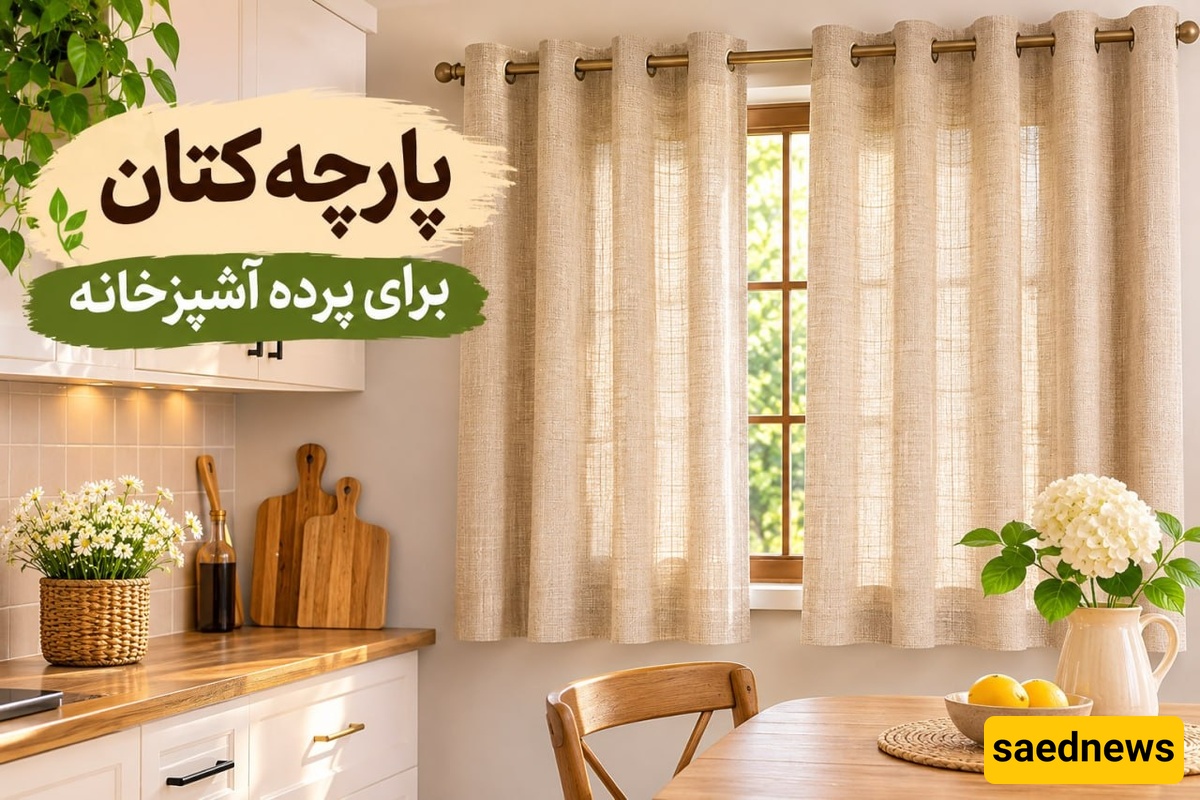
Tip: The term linen is sometimes used for fabrics with different fiber compositions. Always check the fabric label, as pure linen and linen-look materials may require different care.
If you're looking for kitchen curtains that are easy to maintain, polyester is one of the most practical options. It generally wrinkles less than natural fibers, dries quickly, and is available in a wide variety of designs and colors.
Advantages:
Wrinkle-resistant.
Quick-drying.
Available in many colors and patterns.
Relatively easy to maintain.
Disadvantages:
Can absorb odors and grease.
May be sensitive to high temperatures.
Some varieties have an artificial appearance.
Best for: Busy kitchens and households that prioritize easy-to-clean curtains.
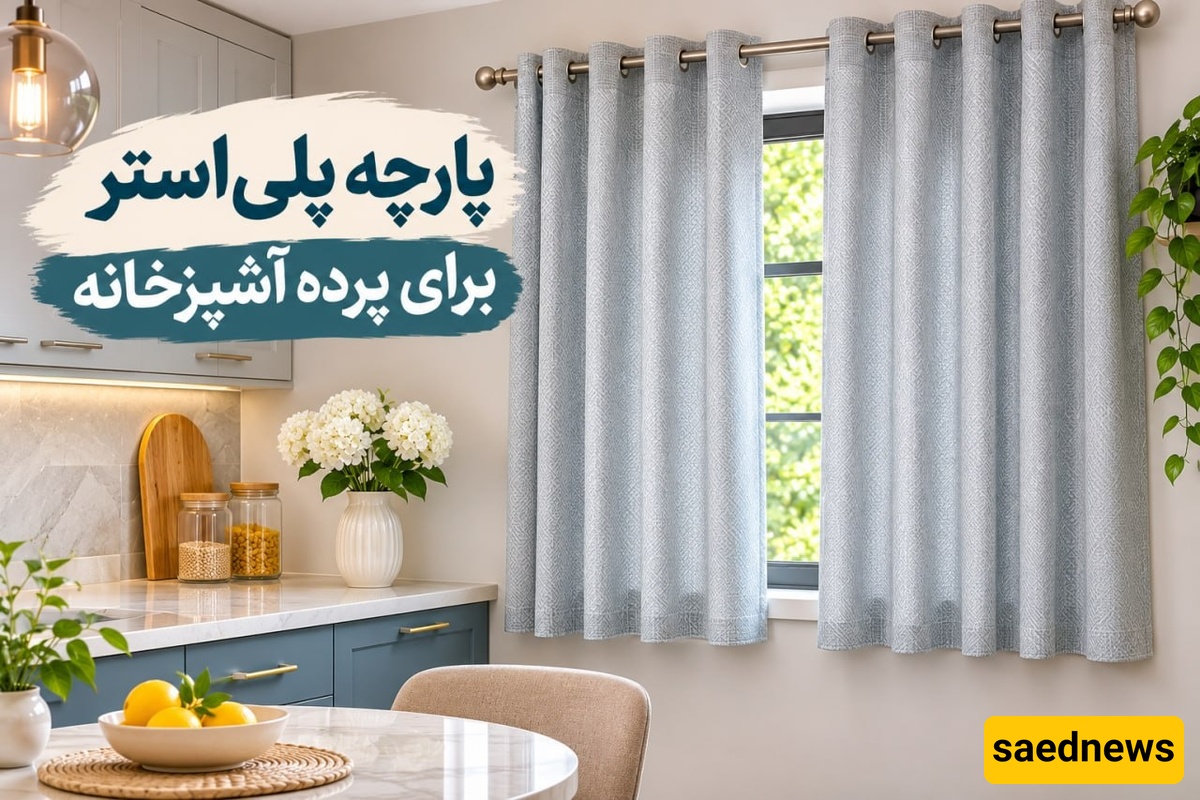
Tip: Polyester is not automatically grease-resistant or flame-retardant. Even if it is easy to wash, it should never be placed near open flames or direct heat.
Cotton-polyester blends combine the characteristics of both fiber types. These fabrics often have a more natural appearance than some pure polyester materials while being less prone to wrinkling than pure cotton. They may also be easier to maintain.
Advantages:
Good balance between appearance and practicality.
Relatively wrinkle-resistant.
Easy to wash in suitable varieties.
Disadvantages:
Quality and performance vary depending on fiber percentages, thickness, and weave.
Best for: Everyday use, especially for people who want curtains that are both attractive and easy to clean.
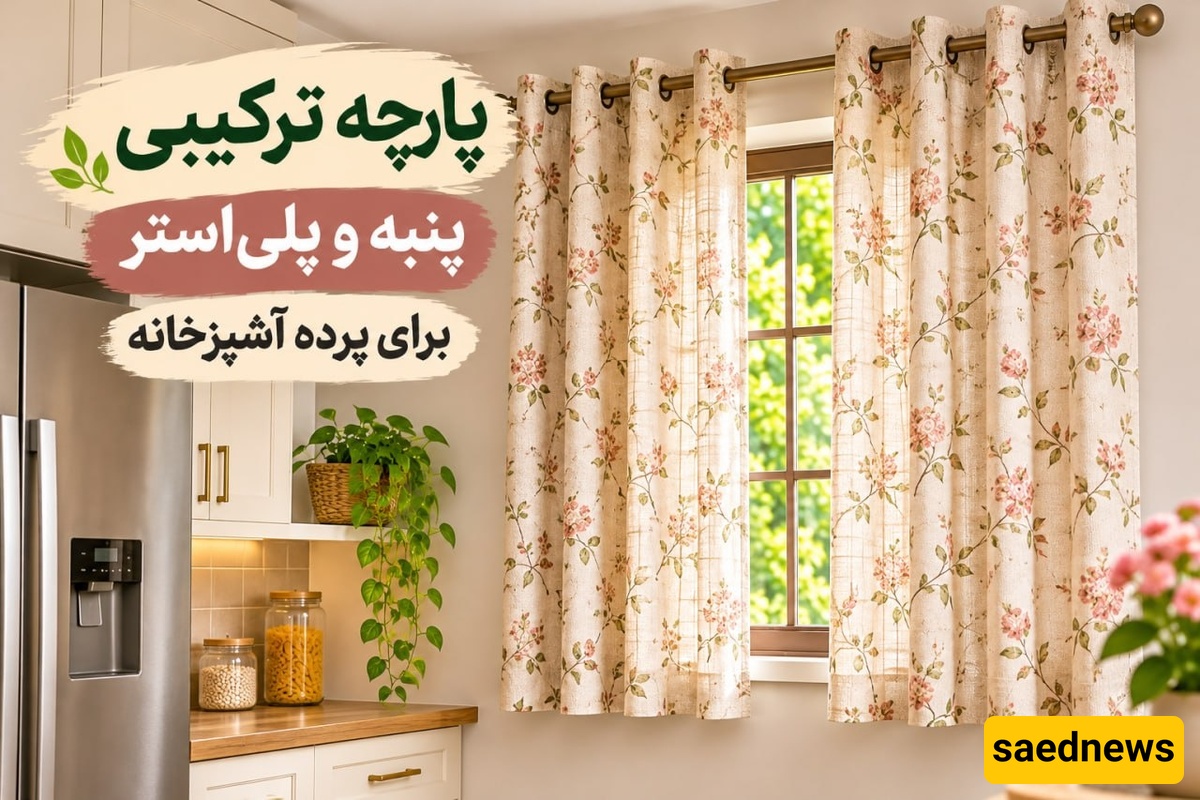
Tip: If you're undecided between cotton and polyester, consider looking at blended fabrics as well.
Voile is a popular choice for kitchens that need plenty of natural light. Its lightweight, semi-transparent weave allows sunlight to filter through the window, making the kitchen feel brighter and more spacious.
Advantages:
Allows plenty of natural light.
Elegant and delicate appearance.
Lightweight.
Particularly attractive on small windows.
Disadvantages:
Provides limited privacy.
Some varieties require delicate washing.
Its fine weave can be easily damaged.
Best for: Small or poorly lit kitchens where the window does not face a neighboring property or an area with direct outside visibility.

Tip: If your kitchen window faces another building, very thin voile may not provide enough privacy, especially at night when the indoor lights are on.
Sheer net curtains come in a wide range of patterns and textures, making them an attractive option for kitchen windows. They allow plenty of natural light into the room and enhance the appearance of the window without making the overall decor feel heavy.
Advantages:
Lightweight.
Allows natural light to pass through.
Available in various designs.
Creates a bright and elegant look.
Disadvantages:
Offers limited privacy.
Threads may snag on nearby objects.
Heavily patterned varieties can be more difficult to clean.
Best for: Windows located away from cooking areas, where the main purpose of the curtains is decoration and gentle light control.

Tip: If you frequently prepare fried foods in your kitchen, simple net curtains with minimal detailing are a better choice than heavily textured or intricately patterned designs.
A fabric that works perfectly in a small, dimly lit kitchen may not be suitable for a kitchen with a window positioned directly above the sink. Before purchasing, consider the amount of natural light your kitchen receives and the location of its windows.
For small or poorly lit kitchens, lightweight voile, delicate net fabric, and thin cotton in light colors are excellent options. These materials allow natural light to enter and help prevent the space from feeling dark or cramped.
If your kitchen receives little sunlight, avoid thick, dark, and multilayered fabrics. Short curtains with minimal gathering are also better suited to small windows because they cover less of the glass.
Practical recommendation: Simple ivory or white voile is an excellent option for kitchens with limited natural light, provided there are no significant privacy concerns.
If your kitchen receives direct sunlight for extended periods, choose a fabric that offers good light control and durability.
Polyester and blended fabrics with a tighter weave can be suitable choices. Medium-weight cotton may also work well, provided it can withstand regular washing.
Keep in mind that not all fabrics have the same level of colorfastness. Before purchasing, ask whether the fabric is resistant to fading caused by sunlight.
Practical recommendation: Choose a light-colored fabric with a relatively dense weave for particularly sunny windows. This helps reduce excessive brightness without making the kitchen too dark.
Curtains installed above the kitchen sink are more exposed to water and moisture. Therefore, a fabric that dries quickly, is easy to wash, and does not interfere with everyday sink activities is a better choice.
Washable polyester and cotton-polyester blends are worth considering. Short curtains are preferable, and their bottom edges should not touch the faucet, sink, or items placed on the countertop.
No. Installing fabric curtains close to an open flame is not recommended. Cotton and linen are combustible, while synthetic fabrics such as polyester may melt or catch fire when exposed to excessive heat.
If your kitchen window is directly behind the stove or very close to it, avoid installing fabric curtains. Only consider alternative window coverings if they can be installed safely and kept away from flames and direct heat.
If your kitchen window directly faces a neighboring building or a public walkway, privacy becomes an important consideration. In these situations, voile and thin net curtains may not provide sufficient coverage on their own.
Cotton and blended fabrics with a relatively dense weave are generally better options. However, if you also want to maintain natural light, you'll need to find a balance between fabric thickness and light transmission.
Practical recommendation: Before purchasing, hold a fabric sample against the light and check how clearly objects can be seen through it. Remember that semi-transparent curtains may offer insufficient privacy at night when the kitchen lights are switched on.
Some fabrics may look beautiful but are not particularly practical for everyday kitchen use, especially if you cook frequently and want to keep your kitchen clean and tidy.
Heavy velvet: This fabric is bulky, and cleaning some varieties can be difficult.
Highly textured or fuzzy fabrics: Dust and greasy residue can accumulate within their fibers.
Natural silk: Usually requires more delicate care and washing, making it less suitable for an environment where curtains get dirty frequently.
Thick, multilayered fabrics: These can reduce natural light in small kitchens and are often more difficult to wash.
Once you understand the different types of fabrics available, there are a few important factors to consider. Paying attention to these details can help you avoid unsuitable purchases and unnecessary expenses.
Kitchen curtains are generally exposed to more steam, cooking odors, and airborne grease than bedroom or living room curtains. Therefore, choose a fabric that is easy to clean and maintain.
If your kitchen is dark, prioritize lightweight fabrics in light colors. On the other hand, windows that receive strong sunlight or face neighboring buildings may require fabrics with a denser weave.
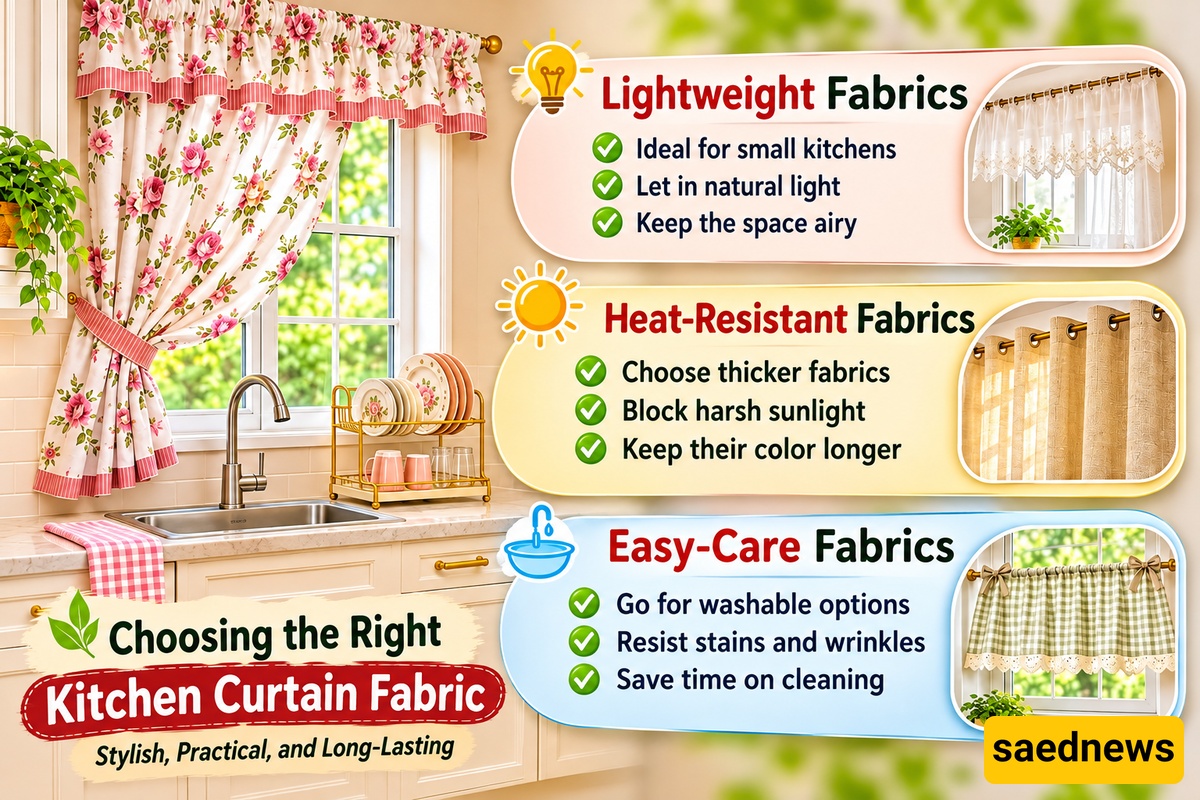
Very thick fabrics can block too much natural light and make washing more difficult. Meanwhile, extremely thin fabrics may not provide the coverage or privacy you need.
Try to choose a fabric with a thickness and texture that suit your kitchen's lighting conditions and practical requirements.
Curtain colors and patterns affect more than just the appearance of your windows; they also influence the overall look of your kitchen.
If your cabinets, tiles, or walls already feature busy patterns, plain curtains will usually create a more balanced appearance. Conversely, patterned fabrics can add visual interest to kitchens with simple cabinetry and neutral decor.
White, ivory, cream, and light gray are particularly suitable for small or poorly lit kitchens. However, stains may be more noticeable on very light-colored fabrics.
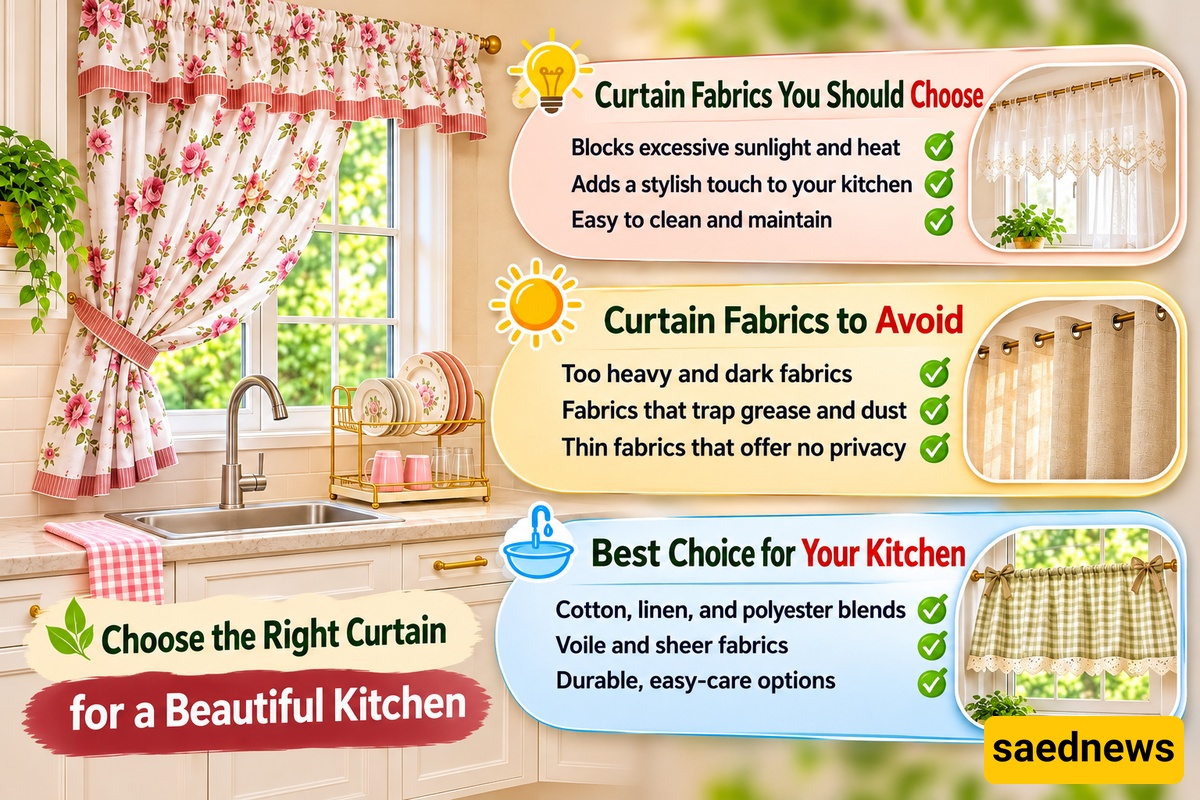
If easy maintenance is a priority, consider richer colors and subtle, small-scale patterns that can help conceal everyday marks.
Choosing the right kitchen curtain fabric involves more than simply finding a design you like. You should also consider natural light, moisture, grease exposure, privacy, and how frequently the curtains will need washing.
Cotton and linen offer a natural, elegant appearance, while polyester and cotton-polyester blends are practical options for everyday use. Voile and sheer net fabrics are ideal when maximizing natural light is your main priority.
Ultimately, the best kitchen curtain fabric is the one that complements your interior design while meeting the everyday needs of your kitchen.