SAEDNEWS: Tomatoes are a staple food widely enjoyed in our daily diets. In this article, we’ll explore their calorie content, nutritional value, and potential health benefits.
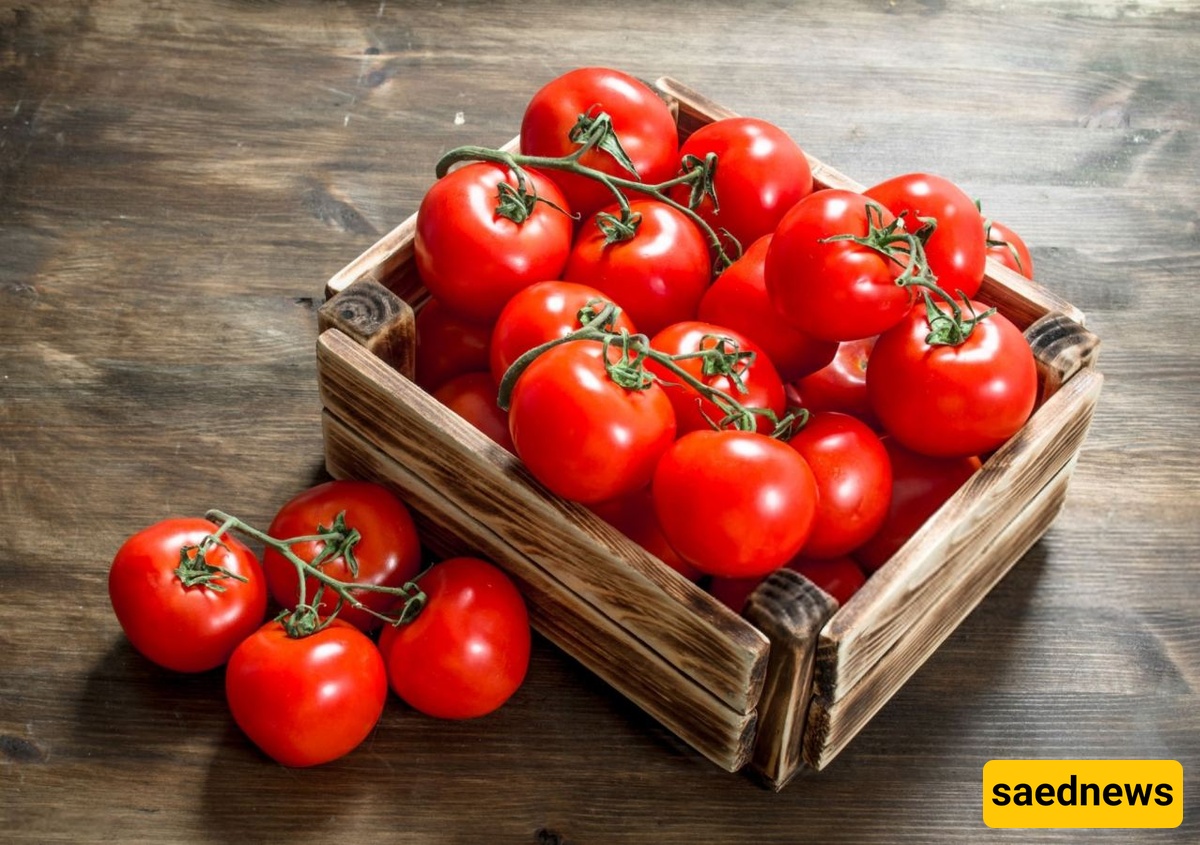
According to Saednews, Tomatoes are not only beautiful in color and shape but also delicious and nutritious. However, some people may be allergic to them.
Tomatoes have a very high nutritional value.
Raw tomatoes contain 18 calories per 100 grams.
Nutrient | Per 100 g |
|---|---|
Calories | 18 kcal |
Carbohydrates | 3.89 g |
Protein | 0.88 g |
Fat | 0.20 g |
Water | 94.52 g |
Fiber | 1.20 g |
Sugar | 2.63 g |
Cholesterol | 0.00 mg |
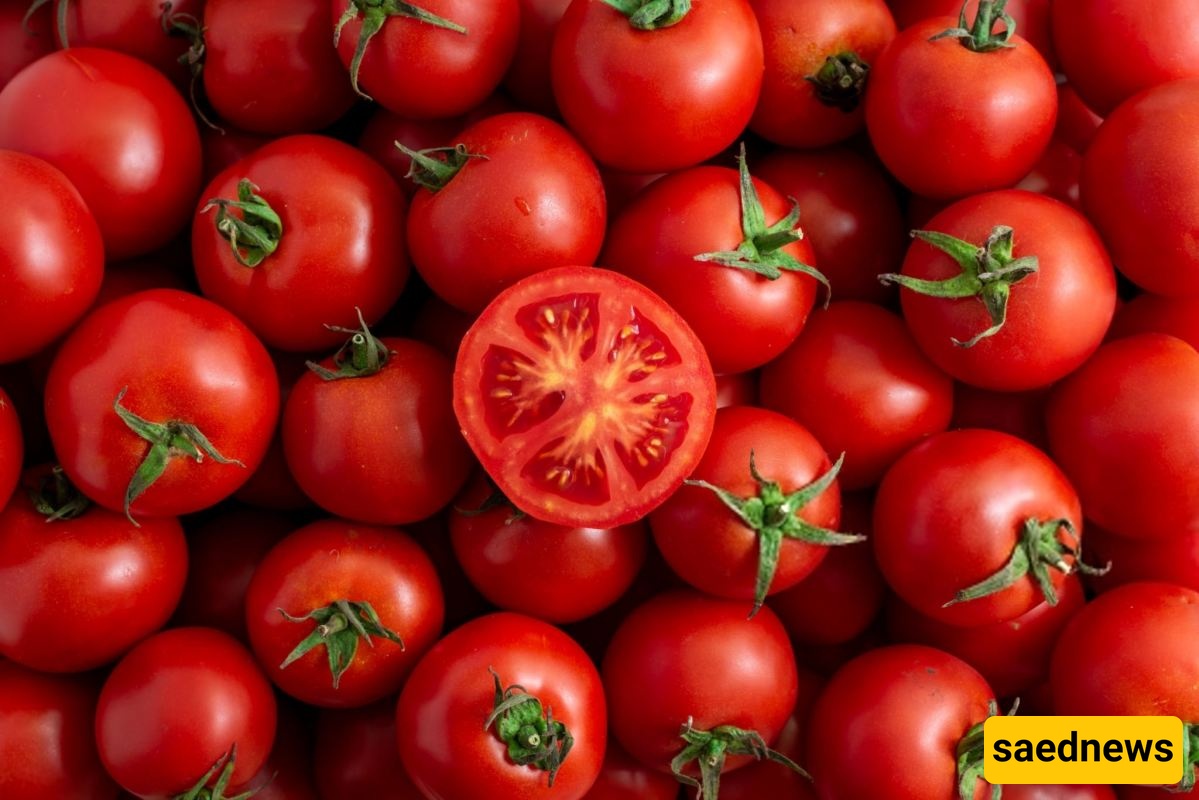
Cooked tomatoes contain 18 calories per 100 grams.
Nutrient | Per 100 g |
|---|---|
Calories | 18 kcal |
Carbohydrates | 4.01 g |
Protein | 0.95 g |
Fat | 0.11 g |
Water | 94.34 g |
Fiber | 0.70 g |
Sugar | 2.49 g |
Cholesterol | 0.00 mg |
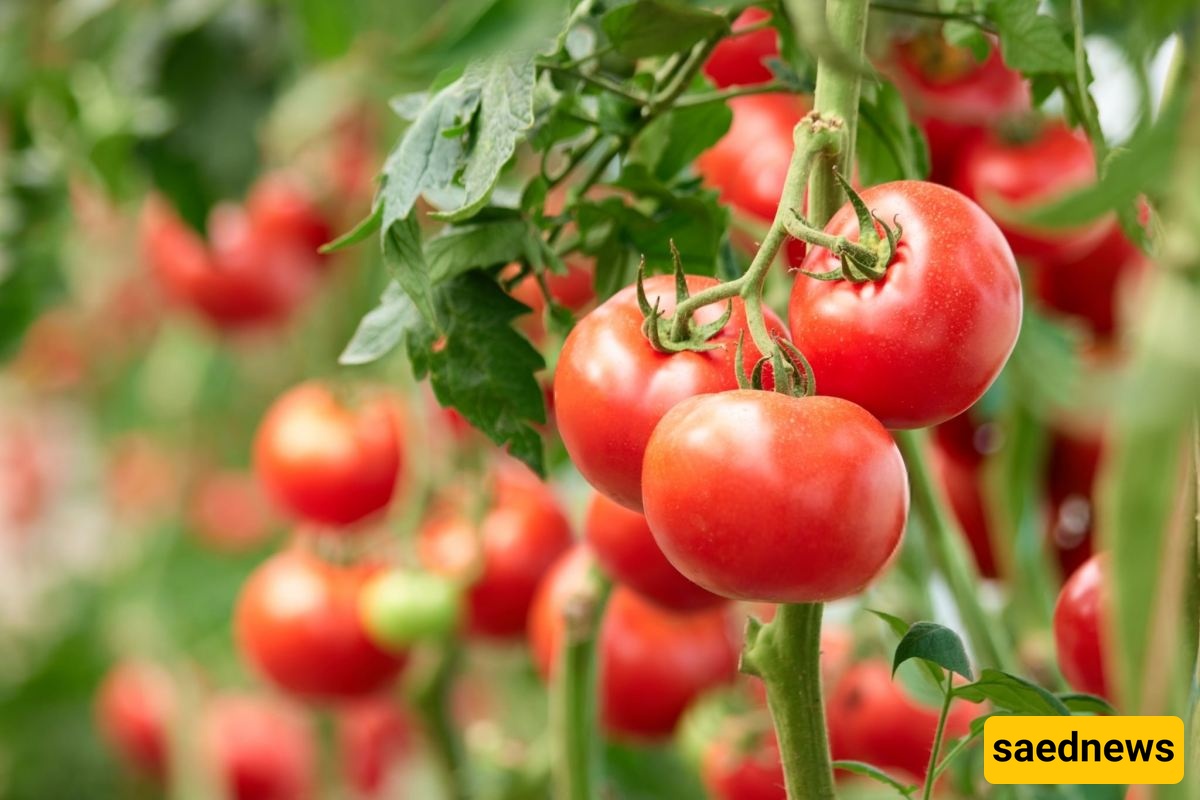
Tomatoes may help with weight management because they contain fiber and relatively little sugar. People who are overweight may include raw tomatoes and barley bread in their breakfast as part of a balanced diet.
Tomatoes are naturally low in sugar and sodium, making them a suitable food choice for many people with diabetes and high blood pressure.
People with diabetes should consider their overall dietary needs when consuming tomato juice. Portion size and any added salt or sugar are important factors.
Applying tomato to the skin is traditionally believed to help reduce freckles and prevent wrinkles.
Another suggested method is to extract tomato juice and add a few drops of lemon juice. Apply the mixture to the face with a cloth and leave it on for 15 minutes.
Mashed tomato is also sometimes used as a face mask to help treat pimples.
Tomato masks may help reduce excess oil on the skin. Tomatoes are also traditionally used in hair care to help prevent hair loss.
To address enlarged pores, tomato juice can be mixed with honey and applied to the skin.
Tomatoes are often associated with healthy, radiant skin, particularly facial skin. Regular application of tomato juice is traditionally believed to help fade old acne marks and brown spots while improving skin softness and appearance. However, scientific evidence for these topical benefits is limited, and acidic ingredients may irritate sensitive skin.
Tomatoes are associated with several potential health benefits:
Help maintain healthy muscles.
Support eye health.
Help protect the body against free radicals.
Support weight management.
Help maintain healthy teeth.
Support strong, healthy bones.
May help reduce the accumulation of body fat when included in a balanced diet.
May contribute to healthier-looking skin.
Are traditionally used in acne treatments.
May help improve the appearance of dry skin.
May support skin recovery, although evidence for treating damaged skin is limited.
Are sometimes used as a complementary skincare ingredient for eczema, but they are not a proven treatment.
May help cleanse the skin when used in skincare products.
Tomatoes are an important part of the Mediterranean diet. Many Mediterranean dishes use fresh tomatoes or tomato sauce.
Some studies suggest that people who follow a Mediterranean-style diet have a lower risk of death from cardiovascular disease and certain cancers than people who follow less healthy dietary patterns.
Tomatoes contain large amounts of lycopene, a carotenoid pigment known for its antioxidant properties. Lycopene is one of the major antioxidants found in tomatoes.
Tomatoes and broccoli provide complementary nutrients and beneficial plant compounds. Some research suggests that compounds in these vegetables may have potential protective effects against certain cancers, including prostate cancer. However, eating them together has not been conclusively shown to prevent prostate or pancreatic cancer.
Tomatoes contain three important antioxidant nutrients:
Beta-carotene: A precursor that the body can convert into vitamin A.
Vitamin E: Helps protect cells from oxidative damage.
Vitamin C: Supports immune function and collagen production.
These nutrients contribute to the nutritional benefits of tomatoes.
Tomatoes are rich in potassium, an essential mineral that supports normal muscle function, nerve signaling, and blood pressure regulation.
According to the figures cited in the original article:
One cup of tomato juice contains approximately 543 mg of potassium.
Half a cup of tomato sauce contains approximately 454 mg of potassium.
Actual amounts vary depending on the product and serving size.
Tomatoes contain four important carotenoids:
Alpha-carotene
Beta-carotene
Lutein
Lycopene
Each has distinct properties, and together they contribute to the nutritional value of tomatoes.
When breastfeeding women consume tomato products, the concentration of lycopene in their breast milk may increase.
Tomatoes contain high concentrations of carotenoids. Some research suggests that tomato paste containing tomato skin may provide more carotenoids than paste made without the skin.
Therefore, leaving the skin on tomatoes when preparing food may help preserve their nutritional benefits.
Although tomatoes can be beneficial for the skin and overall health, they may cause side effects in some people.
Consuming tomatoes can trigger allergic reactions in susceptible individuals. Symptoms associated with tomato allergy may include:
Hives
Itching
Swelling of the lips
Severe swelling or difficulty breathing requires immediate medical attention.
Tomatoes contain vitamins such as vitamins A and C. However, eating tomatoes in ordinary dietary amounts is unlikely to cause vitamin toxicity.
The original article states that excessive tomato consumption may cause nausea, kidney stones, kidney pain, and headaches. These are not established typical effects of eating tomatoes, and such symptoms may have other causes.
People with specific medical conditions, including those requiring potassium restriction, should follow their healthcare professional's dietary advice.
Tomatoes are low in calories and provide fiber, potassium, vitamin C, beta-carotene, and lycopene. They can be a valuable addition to a balanced diet and may support cardiovascular health, healthy weight management, and normal skin function.
Although tomatoes are generally safe for most people, those with tomato allergies or particular dietary restrictions should exercise caution.