SAEDNEWS: Matcha latte is one of today’s most popular beverages. In this article, you’ll learn how to make both hot and iced matcha lattes, along with professional tips for achieving the best flavor and texture.
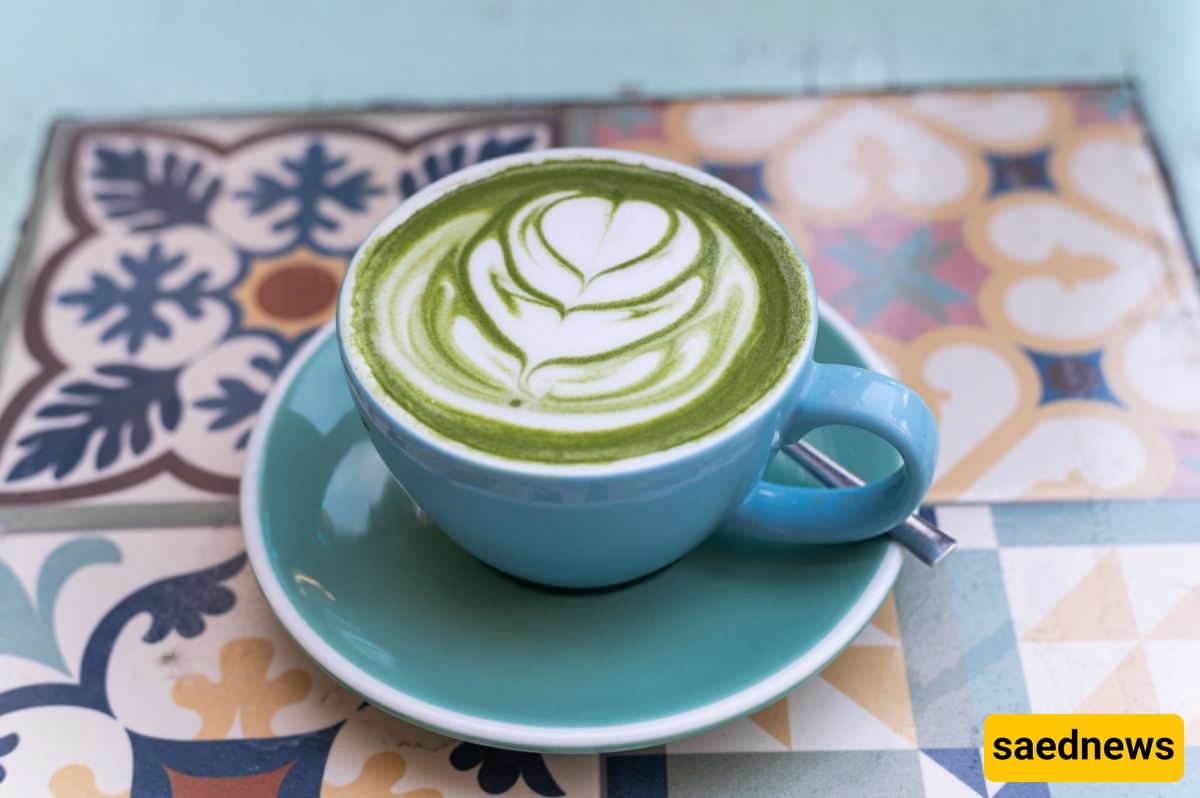
According to Saednews, Matcha latte has become one of the most popular beverages in cafés around the world. Combining green matcha tea with warm or cold milk creates a smooth, creamy, and energizing drink that can be an excellent alternative to coffee.
Many people assume that making this drink requires professional equipment and barista-level skills. In reality, with a few simple techniques, you can prepare a café-quality matcha latte at home.
In this guide, you’ll learn how to make both hot and iced matcha latte step by step, along with practical tips for achieving a smoother, richer, and more professional result.
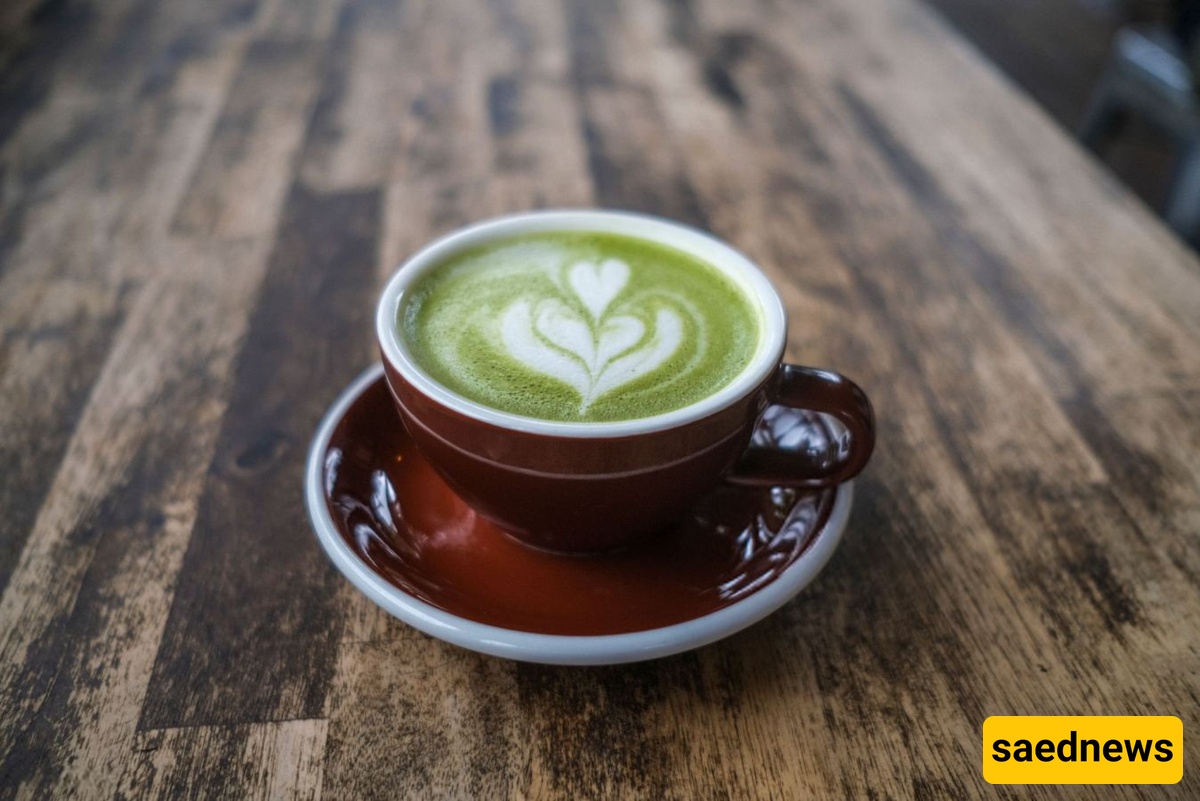
Matcha is a type of finely ground green tea that comes in the form of a bright green powder. Unlike regular green tea, where the leaves are steeped in water and then discarded, matcha involves consuming the entire tea leaf. As a result, it contains significant amounts of antioxidants, chlorophyll, and caffeine.
On its own, matcha has a slightly bitter and vegetal flavor. When combined with milk, however, it becomes creamy, mild, and pleasantly smooth. This balance has helped make matcha latte one of the most popular drinks worldwide.
Matcha is made from green tea leaves that are grown in the shade. This growing method increases the levels of chlorophyll and amino acids in the leaves, contributing to matcha’s vibrant green color and distinctive flavor.
For this reason, matcha differs considerably from conventional green tea in both taste and nutritional properties.
Matcha latte is not only enjoyable to drink; it may also offer several potential benefits. Some of the commonly associated benefits include:
Steady energy: The caffeine in matcha can provide a more gradual source of energy for some people.
Rich in antioxidants: Matcha contains catechins, which help protect cells from oxidative stress.
Improved focus: The combination of caffeine and L-theanine may support concentration and a calm, alert state of mind.
Metabolic support: Some research suggests that compounds in green tea may have a modest effect on metabolism.
Skin support: Matcha’s antioxidants may help protect against oxidative stress and inflammation.
However, matcha still contains caffeine, so excessive consumption may not be suitable for everyone. Moderation is important.
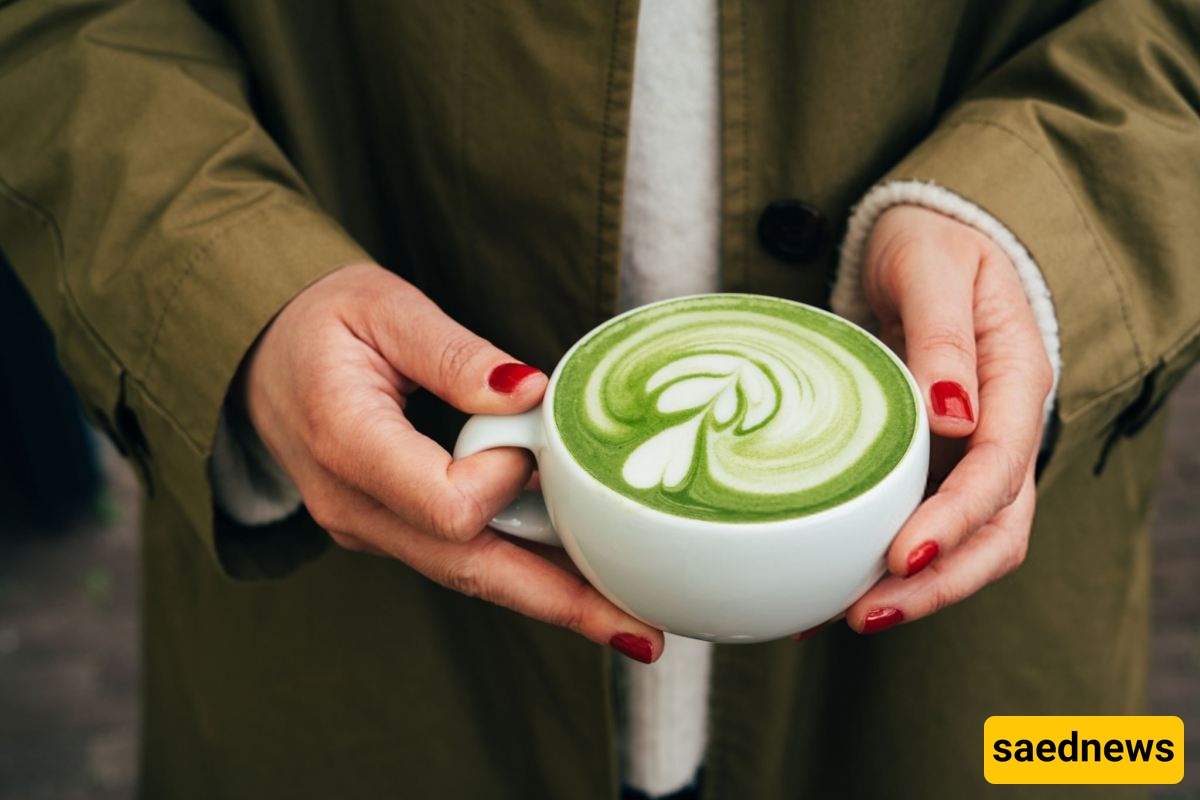
You do not need complicated equipment to make matcha latte at home, although the right tools can noticeably improve the texture and overall experience.
Matcha bowl (Chawan): A wide, relatively deep bowl that makes whisking easier.
Bamboo whisk (Chasen): A traditional matcha whisk that helps create a smooth, even layer of foam.
Fine-mesh sieve: Helps remove clumps from the matcha powder.
Matcha scoop: Useful for measuring the powder accurately.
Thermometer: Helps ensure that the water is at the right temperature.
Milk frother: Optional, but useful for creating smooth, velvety milk foam.
If you do not have these tools, a small electric whisk or shaker can work as an alternative. However, a bamboo whisk provides a more traditional matcha-making experience.
For one standard cup of matcha latte, you will need:
1–2 teaspoons high-quality matcha powder
60–80 ml hot water, approximately 80°C (176°F)
200 ml warm or cold milk, such as dairy, almond, oat, or coconut milk
Sweetener to taste, such as sugar, honey, vanilla syrup, or maple syrup
Choosing high-quality matcha has a major impact on the final flavor. Ceremonial-grade matcha is generally intended for drinking, while culinary-grade matcha is commonly used in baking, desserts, and smoothies.
Follow these steps for a smooth and flavorful hot matcha latte:
Sift the matcha powder into your matcha bowl using a fine-mesh sieve. This helps prevent clumps and produces a smoother texture.
Pour approximately 60–80 ml of water at around 80°C (176°F) over the matcha. Avoid boiling water, as excessive heat can make the matcha taste more bitter and may negatively affect some of its compounds.
Using a bamboo whisk, whisk the matcha rapidly in a W or M-shaped motion. This helps dissolve the powder and creates an even layer of foam. Whisk for approximately 30–45 seconds.

Heat the milk to approximately 60–65°C (140–149°F). If you have a milk frother, use it to create a smooth, velvety foam.
Avoid boiling the milk, as excessive heat can alter its flavor.
Pour the prepared matcha into a cup and slowly add the warm milk. For a more café-style presentation, pour the milk gently and in a circular motion to create attractive layers.
Add sugar, honey, vanilla syrup, maple syrup, or another sweetener if desired. Stir gently and serve immediately.
Iced matcha latte is especially refreshing on warm days. Here is a simple method:
Prepare the matcha using the same method as for a hot latte, but make it relatively concentrated. This creates a strong matcha base.
Fill a tall glass about halfway with ice.
Pour cold milk over the ice.
Slowly pour the concentrated matcha over the milk to create attractive layers.
Add your preferred sweetener if desired and stir with a straw before drinking.
The key to a flavorful iced matcha latte is using a concentrated matcha shot. The ice and milk can dilute the flavor, so a stronger matcha base helps maintain the drink’s character.
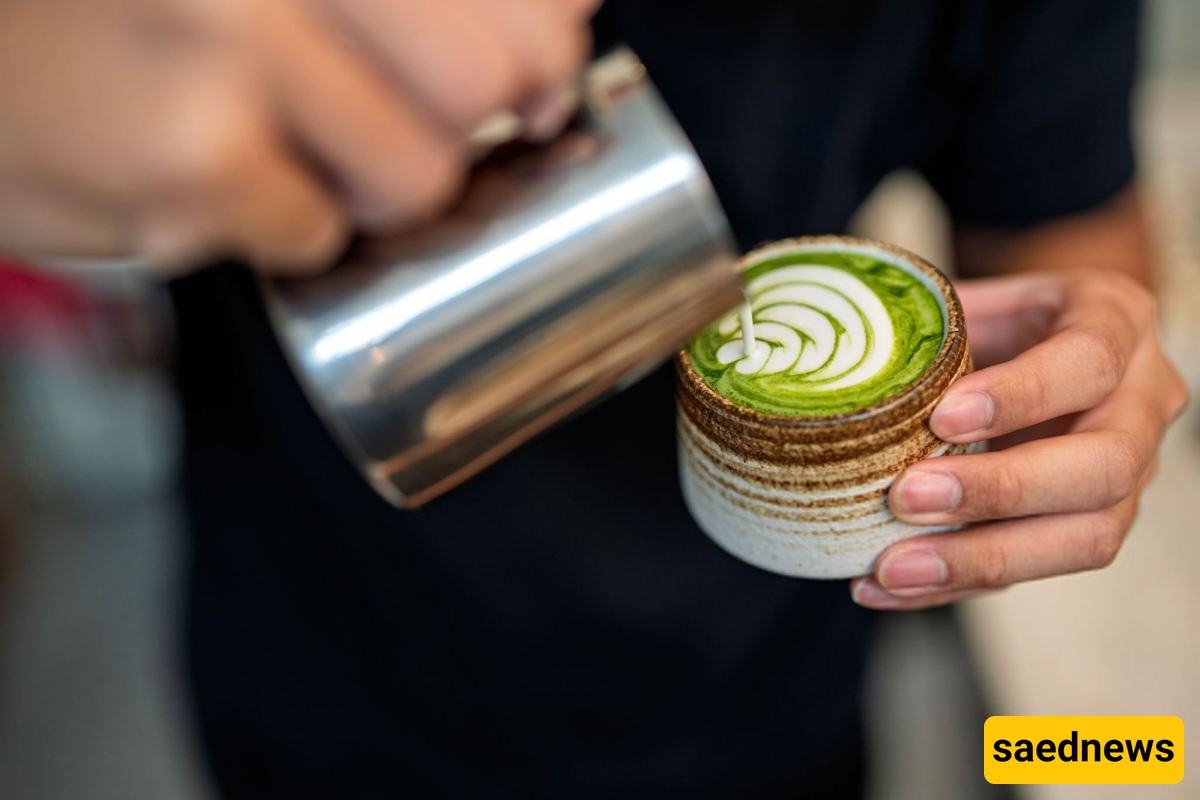
If you want your homemade matcha latte to taste closer to one from a specialty café, keep these tips in mind:
Use fresh matcha: Matcha can gradually lose its color and flavor. Store it in an airtight container in the refrigerator.
Control the water temperature: Water around 70–80°C (158–176°F) generally works well.
Choose the right milk: Full-fat dairy milk can produce excellent foam, while plant-based options such as oat milk can provide a naturally creamy texture and pleasant flavor.
Do not over-sweeten: Too much sweetness can overpower the distinctive flavor of matcha.
Preheat your cup: For a hot matcha latte, rinse the cup with hot water first so the finished drink stays warm longer.
Several common mistakes can negatively affect the taste and texture of your drink:
Using boiling water: This can make matcha taste excessively bitter.
Skipping the sifting step: Unsifted powder can leave unpleasant clumps.
Insufficient whisking: The matcha may not dissolve evenly and the drink may lack a smooth foam.
Using low-quality matcha: The final color and flavor may be disappointing.
Adding overly hot milk: Boiling milk can produce an unpleasant cooked or burnt flavor.
Matcha latte is a versatile base for experimenting with different flavors. Here are several popular variations:
Add a few drops of vanilla extract or a spoonful of vanilla syrup to the matcha for a sweet, aromatic flavor.
Combine matcha with lavender syrup for a fragrant and relaxing drink that works especially well as an afternoon beverage.
Add a small amount of cocoa powder to the matcha for a richer and more distinctive flavor. This can be a good option for people who find the taste of plain matcha too strong.
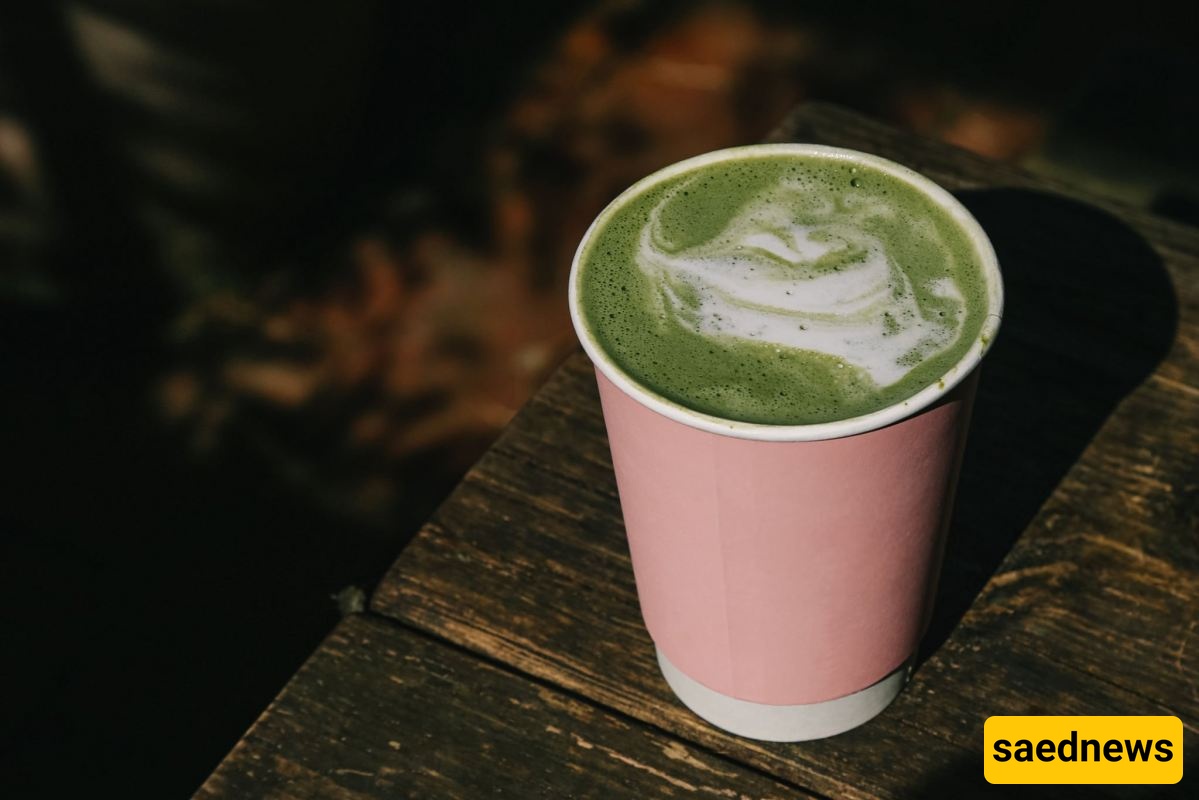
Use coconut milk with a small amount of coconut syrup to create a tropical twist on the classic matcha latte.
Making a matcha latte at home is simple and gives you complete control over the drink’s flavor, sweetness, and texture. By choosing quality matcha, controlling the water temperature, sifting the powder, and properly frothing the milk, you can create a café-style drink in just a few minutes.

Whether you are looking for an alternative to coffee or simply want to try something new, matcha latte is an excellent choice.
From the classic hot version to refreshing iced matcha and creative flavor combinations, there are countless ways to enjoy this versatile drink. Now that you know the essential techniques and tips, all you need to do is prepare your ingredients and enjoy your first homemade matcha latte.