SAEDNEWS: Glutinous rice flour is made from sticky rice and, despite its name, contains no gluten. It has a soft, sticky texture and is commonly used to make mochi, dango, tteokbokki, tangyuan, as well as gluten-free breads and pastries.
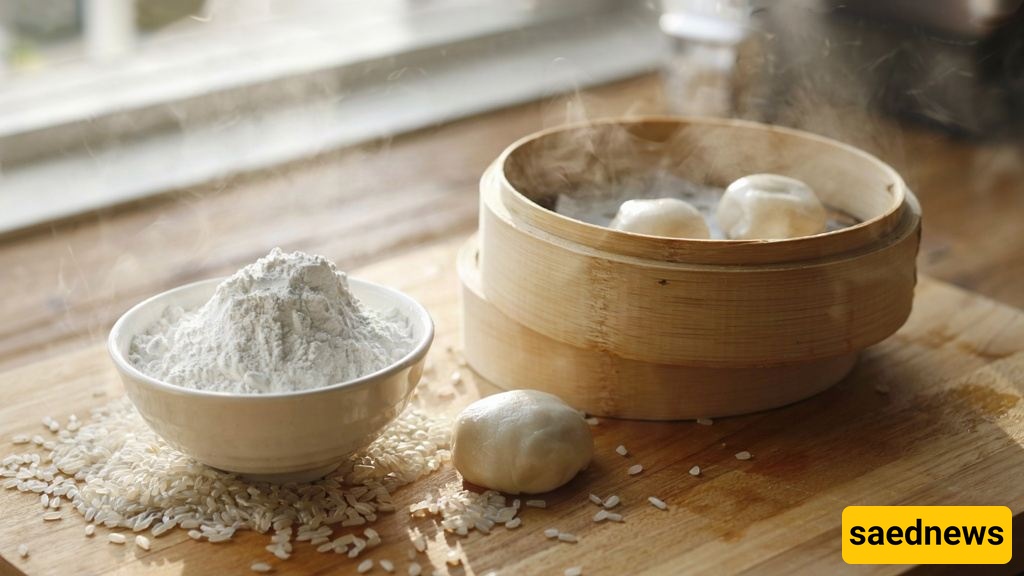
According to Saednews, Glutinous rice flour is made by grinding glutinous rice, also known as sticky rice. Compared with ordinary rice, glutinous rice has shorter, rounder grains and develops a soft, sticky texture after cooking. The flour made from it is very fine, white, and highly adhesive.
Despite its name, glutinous rice flour does not contain gluten. Gluten is a protein found in wheat, barley, and rye that gives dough its elasticity. Glutinous rice does not contain gluten; its characteristic stickiness comes from its starch composition.
Sticky rice starch consists mainly of amylopectin, with very little amylose. This allows glutinous rice flour to gelatinize when mixed with water, producing a stretchy, chewy, and slightly rubbery texture.
In addition to its culinary uses, glutinous rice flour has several nutritional characteristics:
Source of energy: Like other grain-based flours, it is rich in carbohydrates and provides energy.
Contains choline: Glutinous rice contains choline, a nutrient involved in normal liver function and lipid metabolism.
Provides fiber: Whole or less-processed versions can contain a meaningful amount of dietary fiber, which supports healthy digestion. Refined white flour generally contains less fiber.
Naturally gluten-free: It can be used as part of a gluten-free diet.
Generally easy to digest: Sticky rice is often considered relatively gentle on the digestive system.
However, glutinous rice flour is relatively calorie-dense, so it is best consumed in appropriate portions as part of a balanced diet.
Making glutinous rice flour at home is relatively simple, although it requires some time and care. Raw glutinous rice can be used.
Prepare the ingredients: Use approximately 1 kilogram of glutinous rice and 2 liters of water. Adjust the quantities according to how much flour you need.
Soak the rice: Place the rice in water and soak it for about two days. Change the water several times during this period to prevent unpleasant odors and remove impurities.
Crush the rice: After soaking, crush the rice using a mortar and pestle. A food processor or grinder can also be used.
Dry the rice: Spread the crushed rice over a clean surface and leave it in a cool, dry place until it is completely dry.
Grind: Grind the dried rice in an electric grinder or mortar until it becomes a fine powder.
Sift: Pass the flour through a sieve to remove any coarse particles. The sifted flour is ready to use.
Important: The rice must be completely dry before grinding. Any remaining moisture can cause the flour to become damp and develop mold. For high-quality mochi flour, using fresh glutinous rice is recommended.
Glutinous rice flour is widely used in Asian cooking and baking. Its sticky texture and ability to gelatinize make it particularly useful for desserts, rice cakes, and traditional dishes.
Mochi: One of the best-known uses of glutinous rice flour. Mochi is a Japanese rice cake made by cooking and kneading glutinous rice flour into a soft, chewy dough.
Dango: A traditional Japanese dessert made from small balls of rice dough.
Tteokbokki: A popular Korean dish made with chewy rice cakes; rice flour is used in preparing the rice-cake dough.
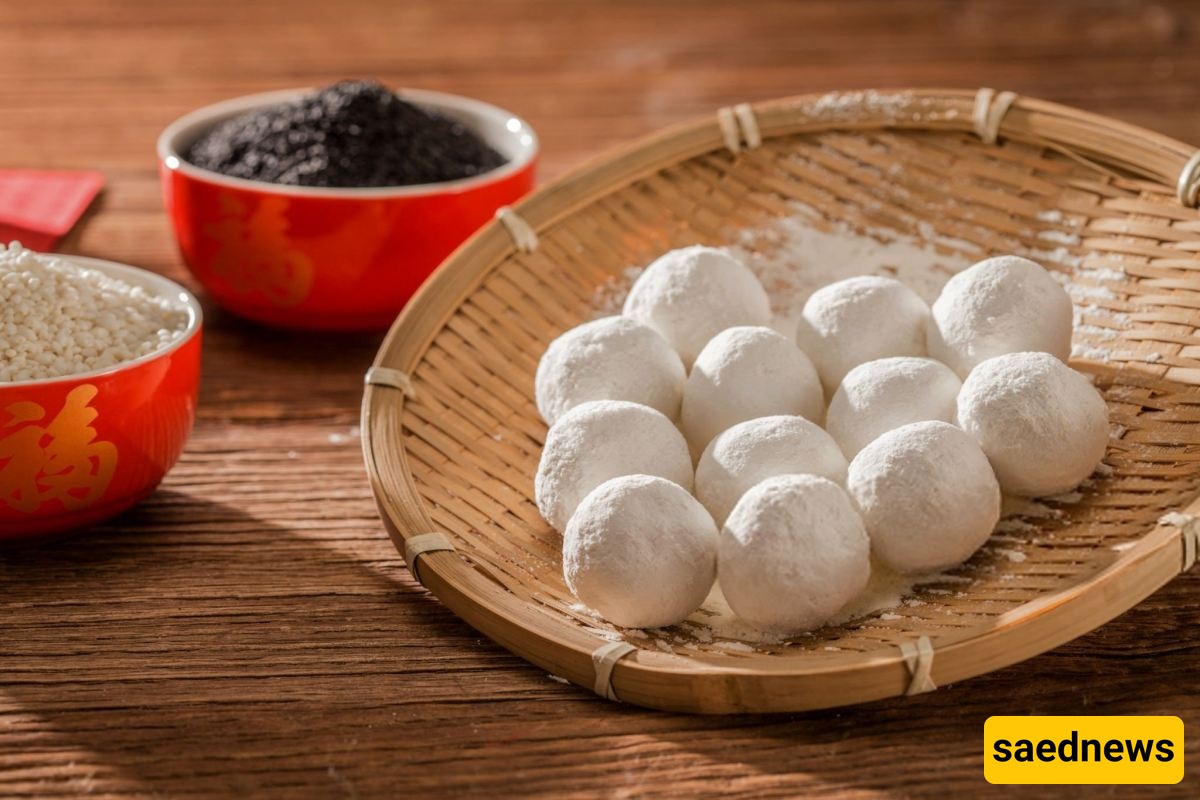
Tangyuan: Traditional Chinese glutinous rice balls commonly associated with the Lantern Festival.
Gluten-free breads: It can be combined with other gluten-free flours to create breads with a soft and distinctive texture.
Cookies and pastries: It is used in various soft cookies and traditional Asian sweets.
Thickener: Glutinous rice flour can be used to thicken certain sauces and soups.
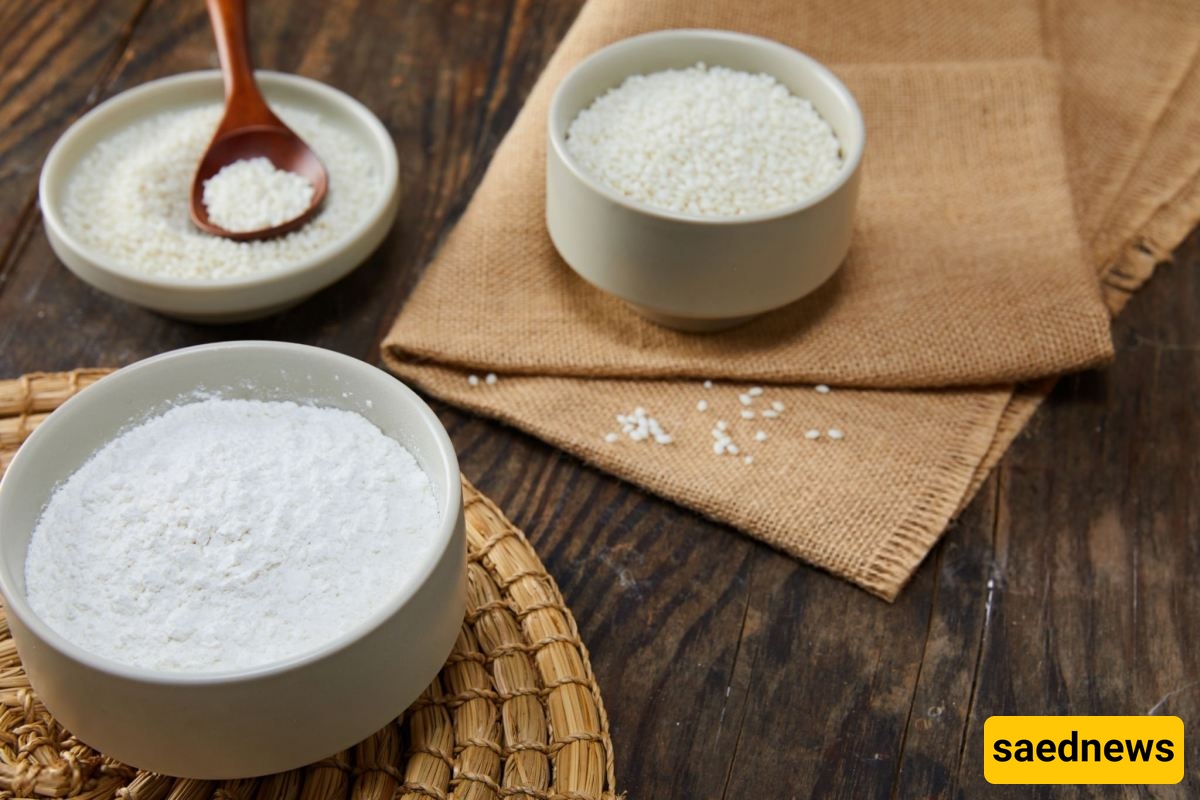
When purchasing glutinous rice flour, consider the following:
Freshness and quality: Fresh flour should have a pleasant smell and should not contain excessive lumps.
Packaging: Choose flour stored in tightly sealed, moisture-resistant packaging.
Ingredients: Check the label to make sure the product is pure glutinous rice flour without unnecessary additives.
Storage: Keep the flour in an airtight container in a cool, dry place. For longer-term storage, it can be kept in the refrigerator or freezer to help protect it from spoilage and insects.
Glutinous rice flour is a naturally gluten-free flour with a distinctive sticky and chewy texture. Its high amylopectin content makes it particularly suitable for mochi, rice cakes, Asian desserts, gluten-free baking, and thickening applications.