SAEDNEWS: Gilan Province is one of the most renowned and historically rich provinces of our country, known for its long list of traditional handicrafts. Among the most important handicrafts of Gilan are…
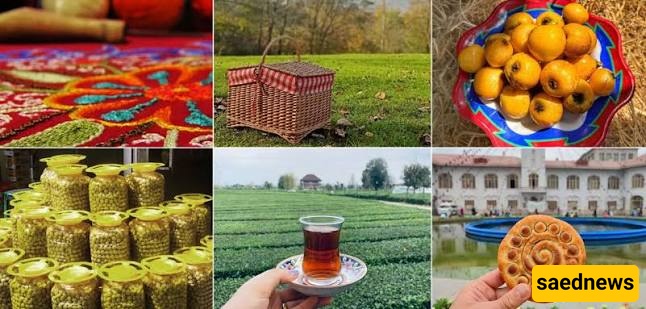
According to Saednews, Souvenirs are an important part of traveling, especially when they are handmade and traditional. They hold a unique cultural value and can serve as memorable reminders of a journey. Gilan Province is particularly well known for its long-standing handicraft traditions, which add great variety and color to the shopping experience of visitors.
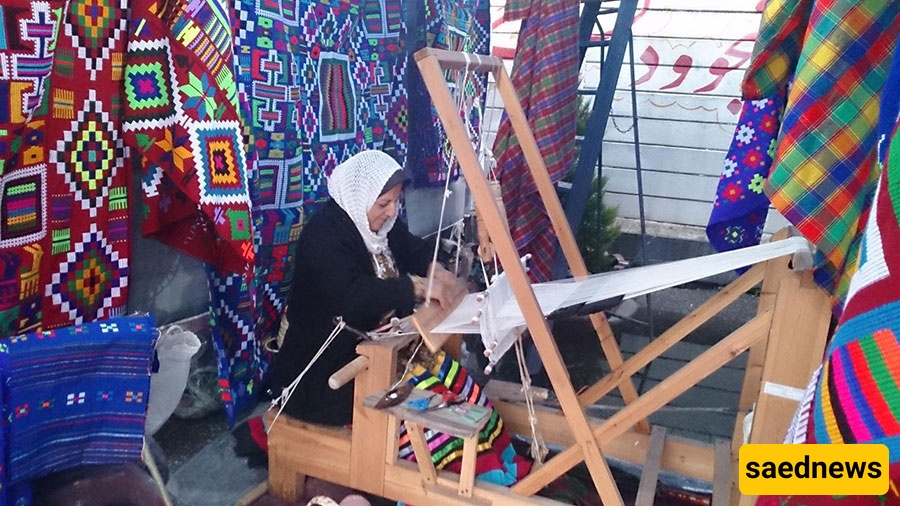
Gilan has preserved an important place among Iran’s regions known for authentic traditional crafts. Its colorful handmade products are created by skilled local artisans, both women and men, and are popular among Iranian travelers as well as international tourists. Visiting the markets of Gilan offers an opportunity to discover these crafts and purchase meaningful gifts for family and friends.
In this guide, we explore some of the most important traditional handicrafts of Gilan and Rasht.
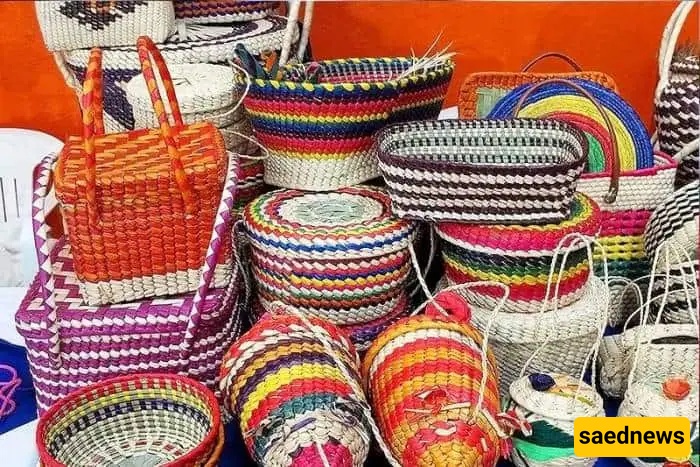
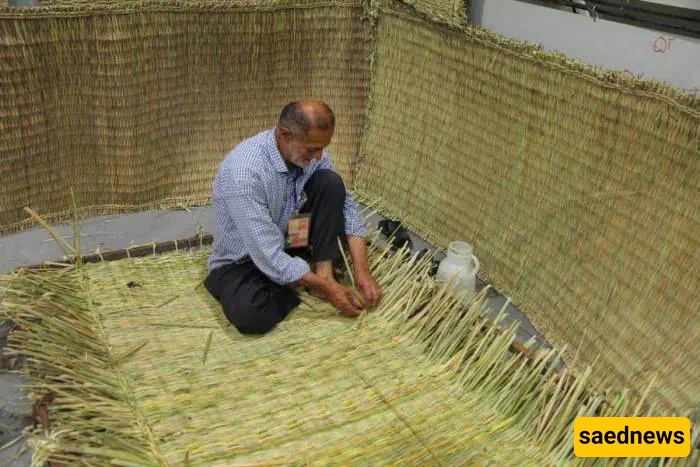
Mat weaving is one of the most common traditional crafts in Gilan, particularly in areas such as Ghazian, Bandar Anzali, Jafroud, and Khomam. The craft is mostly practiced by women.
Materials such as souf and li are commonly used. These plants grow naturally around small ponds and wetlands. During the agricultural off-season, mat weaving provides an important source of work for rural families and farmers.
Common products include strainers, floor mats, heat-resistant mats, baskets, and various household items.
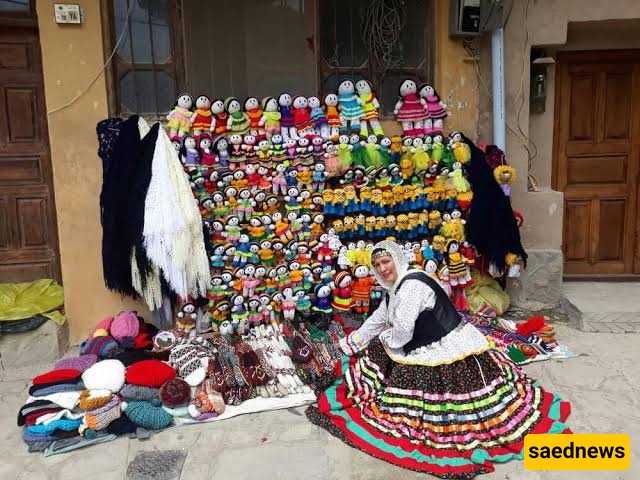
Yarn dolls are handmade decorative dolls traditionally produced by women in Masuleh during their leisure time. They have become popular souvenirs because of their colorful and charming appearance.
Visitors to Masuleh can find these handmade dolls in local markets and take them home as distinctive keepsakes.
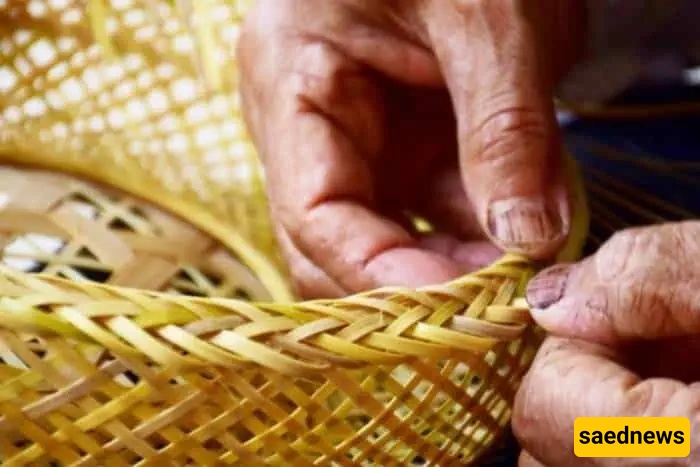
The Persian word bamboo refers to a type of reed or cane that grows in wet and marshy environments. Bamboo craftsmanship is particularly common in Gilan.
Bamboo is flexible and naturally elastic, allowing artisans to create delicate, attractive, and varied products. Lahijan, especially the village of Lialestan, is one of the major centers for bamboo cultivation, weaving, and production.
Chamoosh is a traditional type of handmade leather shoe produced by artisans in several parts of Gilan. Different styles exist, with some of the most traditional versions featuring long straps that are wrapped around the feet and legs.
These shoes are generally made in simple, natural colors and decorated with red, yellow, and green threads. Traditionally, natural dyes were also used to color the leather.
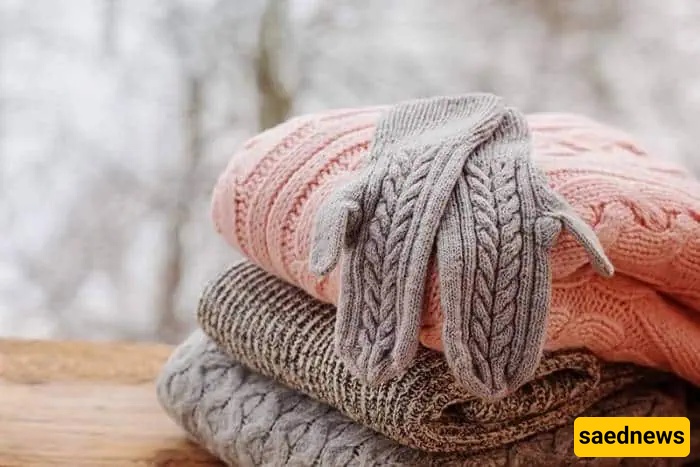
Wool obtained from local livestock is an important raw material for traditional textile production in Gilan. After the wool is sheared, it is spun into yarn and dyed using either natural or chemical methods.
In the mountainous areas of the province, women traditionally use this yarn to make woolen garments and accessories such as gloves, sweaters, socks, and scarves.
Masuleh, Anzali, and Rasht are among the places associated with the production of these traditional woolen textiles.
Shawl weaving is another traditional craft practiced by women in Gilan. It is particularly common in western parts of the province, including areas associated with the Galish and Talesh communities.
These colorful handmade woolen shawls provide protection from cold and moisture and are especially practical in Gilan’s humid and mountainous environment.
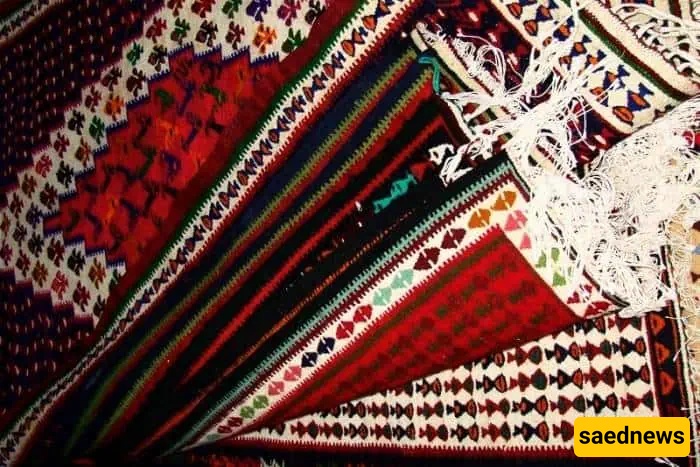
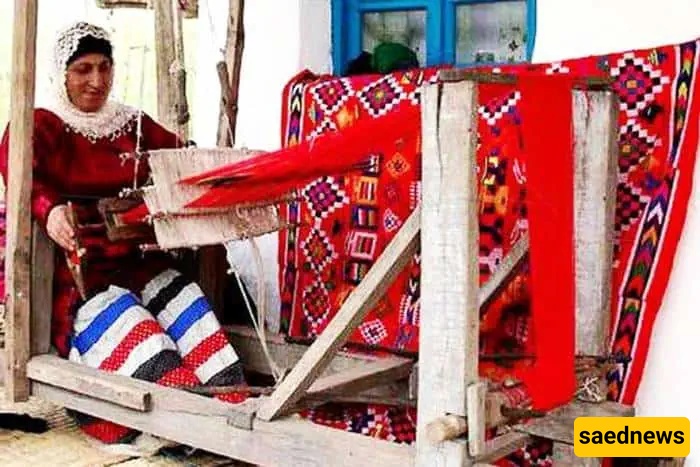
Kilim weaving is a traditional Iranian craft practiced throughout the country, with patterns and designs varying according to the culture of each region.
In Gilan, kilims are mainly used as floor coverings and are generally woven by women. They are commonly made from wool, cotton, or yarn and are particularly associated with higher-altitude areas such as Talesh and Astara.
Rashti-Duzi is a traditional form of embroidery associated with Rasht and is considered one of Gilan’s distinctive handicrafts.
The technique involves decorating thick fabrics through embroidery, often using silk threads to create intricate designs on the surface. It is regarded as one of the long-established textile arts of Gilan and continues to be practiced by local artisans.
Chadorshab is a traditional square piece of fabric, generally measuring around two by two meters, that has historically been woven in many towns and villages around Rasht.
In the past, these textiles were made from pure silk on a traditional wooden loom known as a pachal. Today, artisans also use synthetic yarn, wool, and other fibers, producing them in a wide range of distinctive colors and patterns.
Mina Kari, particularly the house-compartment or khanebandi technique, is another traditional craft found in Gilan.
The craft can involve materials such as sterling silver, gold plating, and mineral-based materials. Items produced using these techniques include mirrors and candleholders, tea sets, and other decorative objects. Some of these products are also made for international markets.
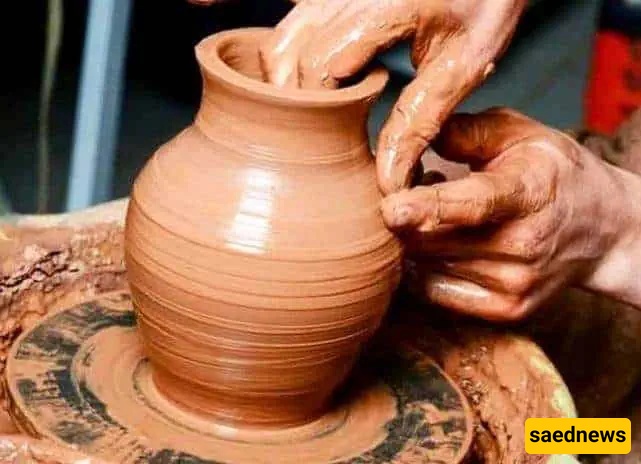
Pottery has a very long history in Gilan and dates back to prehistoric periods. It has continued to develop in different parts of the province over the centuries.
Lahijan, Talesh, Rasht, Langarud, and Someh Sara are among the areas where pottery has traditionally been practiced.
Gilan’s ceramic products are highly varied, and some traditional decorative pieces can even be found as distinctive elements in local homes.
Woodcarving is another important traditional craft in Gilan. Artisans create attractive carved and semi-relief patterns on wood using specialized tools known as maghar chisels.
Because Gilan is rich in forest resources and has access to many varieties of wood, woodcarving has developed considerably in the region, resulting in a wide range of handmade products.
Miniature paintings and marquetry panels have gained popularity in Rasht in recent years through workshops dedicated to both production and training.
These artworks are created with considerable attention to detail and craftsmanship and can have significant artistic and monetary value. Fine examples produced by local artisans have attracted considerable interest from visitors and art enthusiasts.
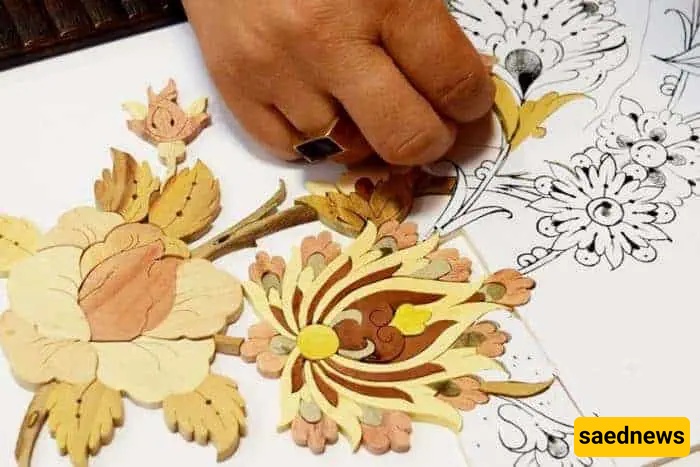
Wooden handicrafts are among Gilan’s most notable traditional products. Artisans create a variety of objects, including jewelry boxes, board games, chess sets, wooden chests, hookah components, and other decorative or household items.
Woodturning and fine woodworking are particularly well known among the province’s traditional crafts. The abundance of forests and different types of timber has helped the woodworking tradition flourish throughout Gilan.
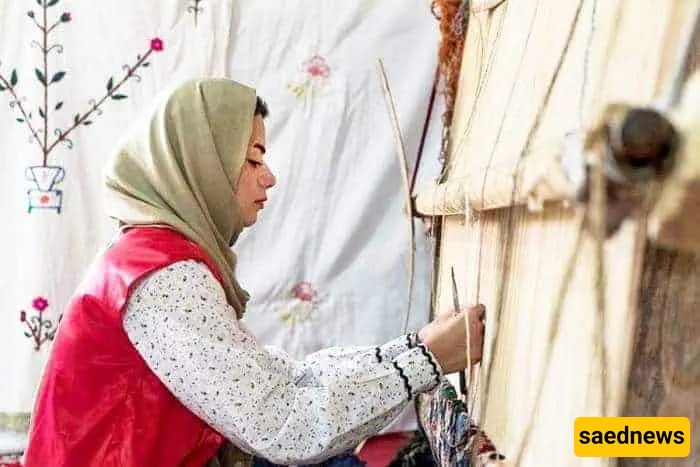
Carpet weaving has a long history in Iran and is internationally recognized for its distinctive designs and patterns.
In Gilan, carpet weaving experienced renewed development after the Islamic Revolution, supported by public investment in training, raw materials, and financial assistance. Production takes place both individually in homes and collectively in workshops across urban and rural areas.
Local artisans produce both woolen and silk carpets, many of which are highly detailed and valuable.
One of the more distinctive traditional crafts of Gilan is the production of hookah gourds.
Local artisans decorate gourds with painted designs and transform them into vessels, lamp bases, or containers used as part of traditional hookahs. This craft is also known locally as Ghalyan-Kui.
Eastern Gilan, particularly Lialestan near Lahijan, is considered one of the main areas associated with the production and continuation of this traditional art.