SAEDNEWS: Mold forming in verjuice is one of the common problems that many homemakers encounter. What are the signs that verjuice has developed mold?

According to Saednews, Verjuice, made from unripe grapes, is a popular sour seasoning among Iranians. It is commonly used in cooking and salads because of its distinctive tart flavor.
If verjuice is not stored properly, it can develop mold and spoil quickly.
In many cases, a white layer may form on the surface of verjuice, causing people to wonder whether it is mold. Mold spreads through tiny spores floating in the air. When these spores land on food, the moisture in the food can allow mold to grow.
Mold produces chemical substances that can break down verjuice and alter its taste. As a result, a white layer may appear on the surface. So, is the white layer on verjuice mold? In most cases, the answer is yes. Although uncommon, a white layer can occasionally form for reasons other than mold.
A white layer on verjuice is generally associated with mold. However, mold can sometimes appear in other colors as well.
Before making verjuice, separate damaged or spoiled grapes from healthy ones. Wash the healthy grapes thoroughly and allow them to dry completely. This can take approximately 14 to 24 hours.
Drying the grapes is especially important because any remaining water can increase the risk of mold developing in the verjuice.
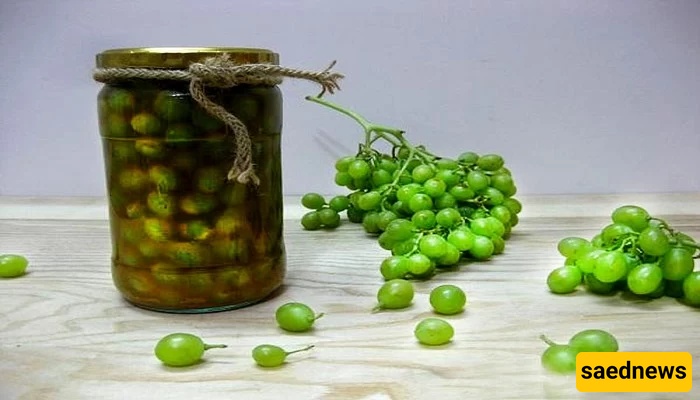
If you have noticed commercially prepared verjuice, you may have seen that it is usually sold in glass containers. In contrast, freshly prepared verjuice from some shops may be placed in plastic bottles or containers.
For long-term storage, glass is preferable to plastic. Because verjuice is acidic, acidic liquids can interact with certain plastics, particularly under unsuitable storage conditions. Glass also provides a better barrier for preserving the quality of the product.
If you purchase verjuice in a plastic container, transferring it to a suitable glass container is a better storage option.
One of the simplest ways to reduce the risk of mold is to store verjuice in a clean glass bottle or jar. However, the type of glass container also matters.
Choose a container with a narrow opening and as little exposure to air as possible. A properly sealed container can help maintain the quality of verjuice for longer.
If possible, use dark-colored glass bottles. In the past, sour seasonings such as verjuice and lemon juice were often stored in green or brown glass containers.
Dark glass is useful because it reduces the amount of light reaching the liquid, helping protect its color and flavor. If you do not have a dark-colored bottle, you can protect a clear bottle from light by covering it with a dark cloth or another suitable light-blocking material.
If you plan to reuse a container that previously held another food, wash it thoroughly and sanitize it before storing verjuice in it. Make sure no food residue or lingering odors remain.
Dry the inside completely with a clean cloth before filling it with verjuice. Avoid filling the container completely to the top; leave a small amount of space at the top.
Pasteurization is one method commonly used to extend the shelf life of various foods and beverages, including acidic products such as verjuice.
To pasteurize it, place the verjuice in the chosen container, seal the container tightly, and place it in a container of boiling water for several minutes before removing it.
Similar methods are also used for preserving certain pickles and jams.
As mentioned earlier, exposure to air can contribute to spoilage and mold growth. Make sure the container is properly sealed so that air cannot easily enter.
After filling the bottle, close it securely with an appropriate lid. The goal is to minimize air exchange while keeping the container properly sealed.
Vitamin C is one of the important nutrients found in sour seasonings such as verjuice. Unfortunately, vitamin C is sensitive to light and heat, which can accelerate its degradation.
For this reason, verjuice and lemon juice are best stored in dark containers and kept away from direct light. The storage area should also be dry and away from heat.
A refrigerator or a cool, dark cupboard is generally a suitable place for storage.
Food particles or other foreign objects can accidentally get into a bottle of verjuice. Another common mistake is pouring some verjuice out of the original container and then returning the unused portion to it.
Avoid doing this, as introducing food particles or contaminants can increase the risk of spoilage and mold growth.
The same principle applies to many other foods and beverages: once food has been removed from a container, it is better not to return it to the original container.
Small glass bottles are a practical choice for storing verjuice because once a bottle is opened, its contents can be consumed relatively quickly.
Ideally, the bottle should have a narrow opening and a secure lid to minimize exposure to air.
Important: Avoid storing verjuice in plastic bottles when possible. Because verjuice is acidic, prolonged contact with unsuitable plastic containers may affect the liquid and its quality. Dark glass containers are generally a better option because they limit exposure to light.
Mold can cause allergic reactions and, in some cases, food poisoning. Certain molds can produce substances called mycotoxins, some of which are toxic and may pose serious health risks.
Therefore, visibly moldy food should generally not be consumed. If you see mold growing on verjuice, the safest approach is to discard the verjuice rather than trying to remove the moldy layer and use the rest.
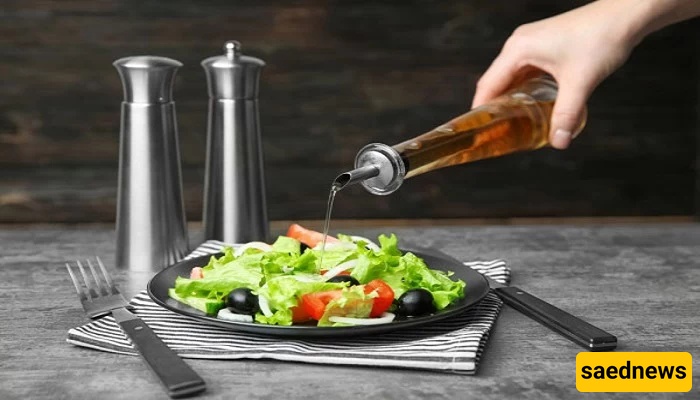
To identify whether verjuice has spoiled or developed mold, look for several signs:
Do not shake the bottle. Shaking can disperse the mold and make it more difficult to identify.
Check the color. Like lemon juice, verjuice may become darker or cloudy when it spoils.
Check the smell. An unpleasant or unusual odor can indicate spoilage.
Look for a white layer. A white layer on the surface can be a sign of mold.
Check the taste. A noticeable change in flavor or an unpleasant taste may indicate spoilage. However, do not taste a product if there are visible signs of mold or suspected spoilage.
When in doubt, it is safer to discard the verjuice rather than consume it.