SAEDNEWS: The browning of a cut apple depends on its variety, acidity, and natural enzyme activity. Some apples resist discoloration because their chemistry slows the reactions responsible for browning.
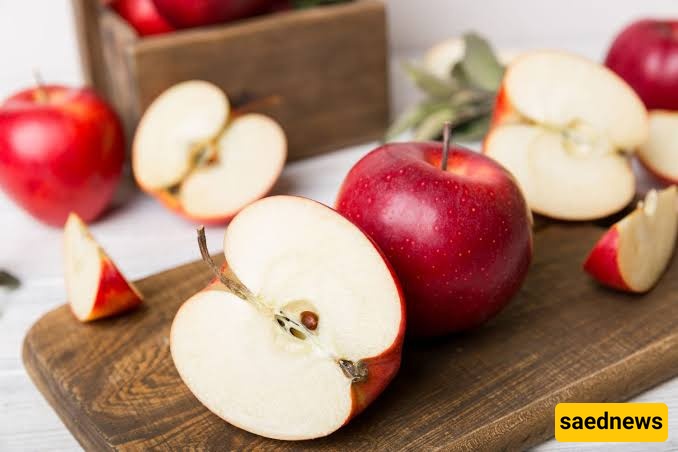
According to SAEDNEWS, the brown color that appears after an apple is cut is mainly caused by enzymatic browning. Once the flesh is exposed to air, an enzyme called polyphenol oxidase reacts with naturally occurring phenolic compounds in the apple. This produces new compounds that gradually give the cut surface its brown appearance.
Not all apples contain the same levels of enzymes and phenolic compounds. Their acidity and other chemical characteristics also vary by variety. As a result, some apples can remain relatively pale for longer after being sliced, while others begin browning quickly.
The condition of the fruit can also affect the process. An apple that is bruised or damaged may brown more readily because physical damage breaks cells and allows the enzymes and their substrates to come into contact.
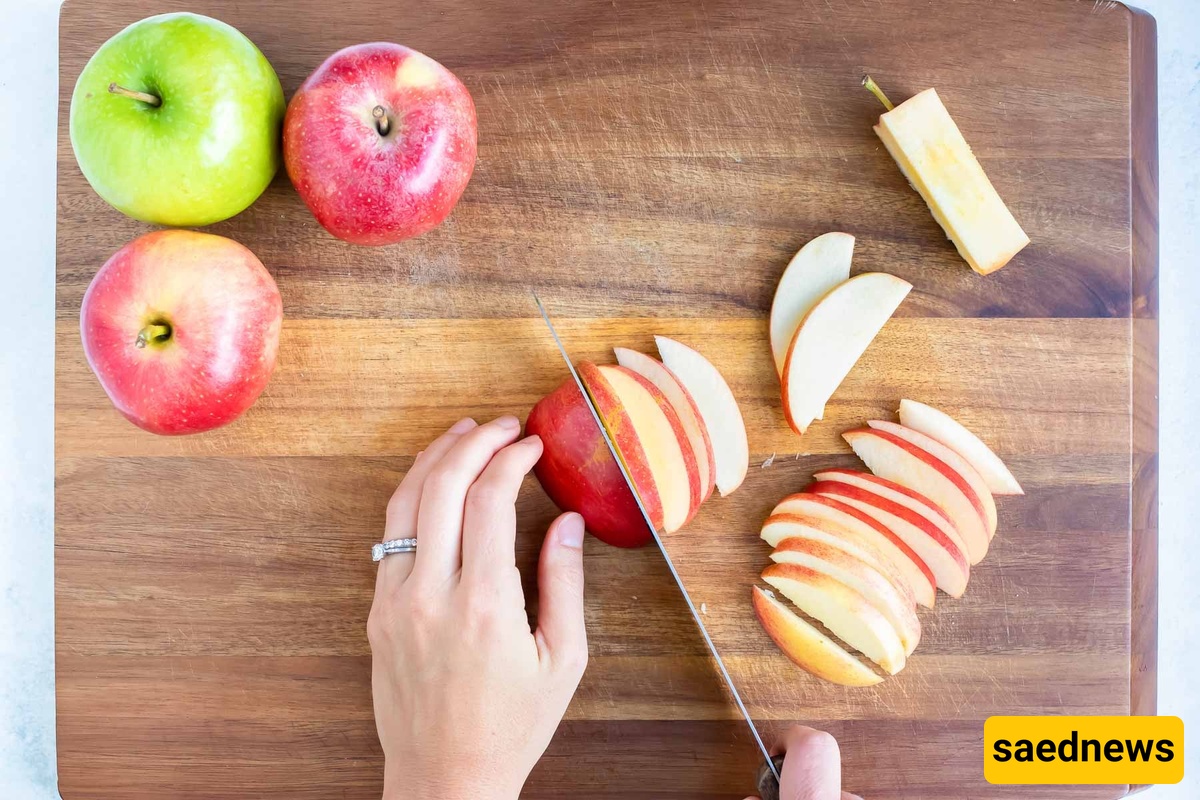
Several natural factors can reduce the rate at which a cut apple changes color:
Higher acidity: A more acidic environment can slow the activity of browning-related enzymes.
Lower oxygen exposure: The browning reaction requires oxygen, so limiting contact with air can delay discoloration.
Different enzyme levels: Apple varieties naturally differ in the amount and activity of polyphenol oxidase.
Different phenolic composition: The compounds available for the enzyme to react with are not identical in every variety.
This is why two apples cut at the same time can look noticeably different after sitting on the same plate.
A brown surface is primarily a visual and chemical change rather than an immediate sign that the apple has become unsafe to eat. Browning can affect appearance and, over time, may contribute to changes in flavor and texture, but discoloration alone does not mean the fruit has suddenly spoiled.
The key difference between apples is therefore not that some completely avoid browning, but that their natural chemistry can make the browning reaction happen more slowly.