SAEDNEWS: If you want to gain useful information about the temperament of sesame and the foods that complement it, follow this article to the end.
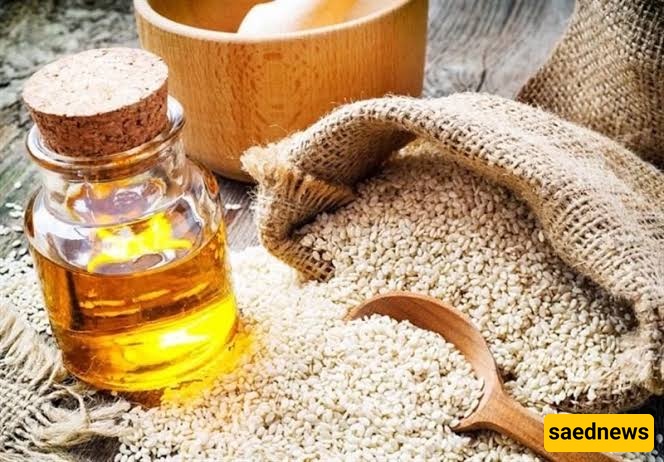
According to Saednews, Sesame is a small, oil-rich seed that has held an important place in cooking and traditional medicine for centuries. These tiny seeds, available in both white and black varieties, not only add a pleasant flavor and texture to foods but are also rich in vitamins, minerals, and antioxidants.
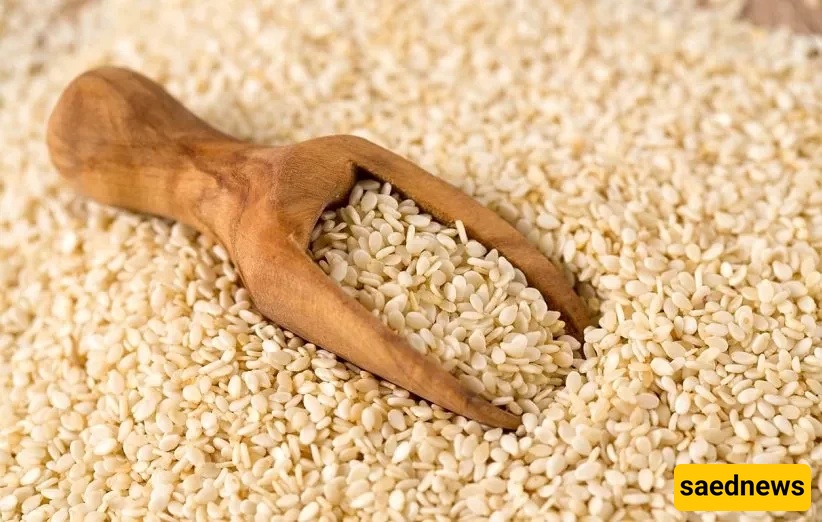
Sesame can be consumed raw, roasted, ground, or in the form of sesame oil. It is widely used in foods such as salads, bread, soups, sauces, desserts, and pastries. Its wide range of nutritional and traditional health properties has made sesame a popular choice for many people.
According to traditional Persian medicine, sesame has a warm and moist temperament. Because of its warm and moist nature, sesame is traditionally considered beneficial for conditions associated with a cold and dry temperament. It is generally recommended for people who are considered to have a naturally cold temperament.
In traditional medicine, honey is considered a corrective that complements and balances the properties and temperament of sesame. Consuming sesame together with honey is traditionally believed not only to be suitable but also to reduce some of the unwanted effects associated with sesame.
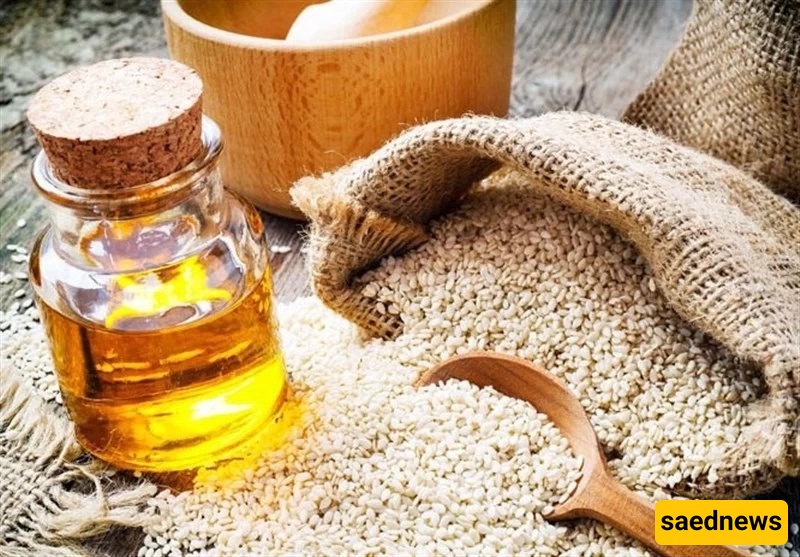
Sesame oil is an edible oil extracted from sesame seeds. It is widely used in cooking, particularly in South India, as well as in Chinese, Korean, Japanese, Middle Eastern, and Southeast Asian cuisine, where it is often used as a flavoring ingredient because of its distinctive aroma and taste.
According to traditional medicine, sesame oil is considered warm and moist. It is traditionally believed to be unsuitable for people with a melancholic, or sawdawi, temperament.
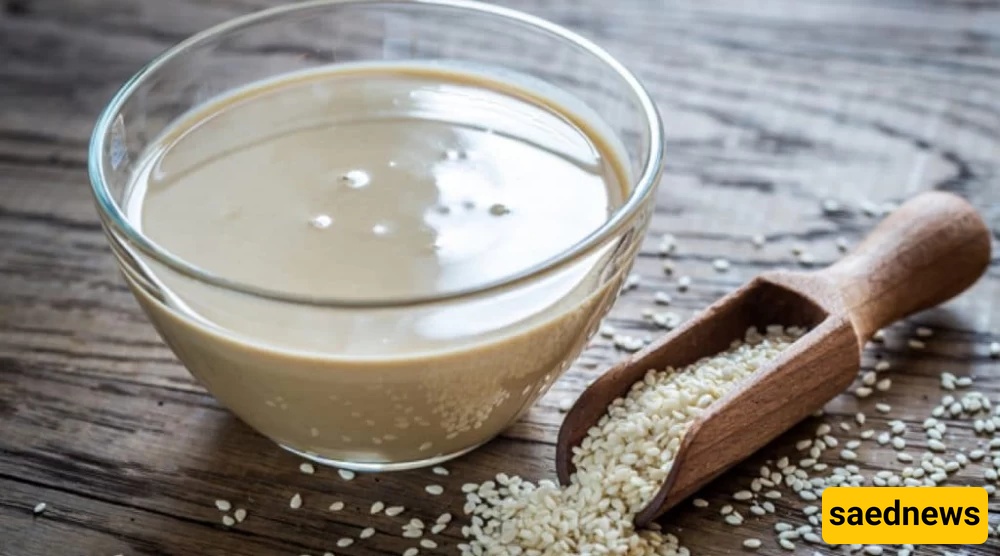
Tahini is one of the most well-known products made from sesame seeds. It is prepared by roasting sesame seeds and then grinding them into a smooth paste. Tahini is not limited to Iranian cuisine and is commonly used in countries such as Lebanon, Greece, Turkey, Bulgaria, and Armenia.
Tahini is often eaten on its own as a spread or condiment, particularly at breakfast. It is also an important ingredient in foods such as tahini halva, halva shekari, baba ganoush, and hummus.
Like sesame seeds, tahini is traditionally considered warm and moist. Every 100 grams of tahini contains approximately 43% of the daily value of calcium and around 595 calories. It is also rich in nutrients, vitamins, and protein.
Sesame is used not only as a condiment and flavoring ingredient but also to produce several nutritious foods. Tahini halva is another popular sesame-based product.
In many parts of the world, including the Balkans and Poland, tahini halva is consumed as a nutritious snack. To make tahini halva, sesame paste (tahini) is combined with sugar, date syrup, or grape molasses to create a firm mixture. Eggs, cardamom, and chobak may then be added as additional ingredients.
According to traditional medicine, tahini halva has a warm and moist temperament and is traditionally considered particularly suitable for people with a cold temperament.
Halva shekari is essentially a type of tahini halva made from similar ingredients. However, it generally contains a considerably higher proportion of sugar than traditional tahini halva.
Because of its high sugar content, halva shekari is not considered suitable for people with diabetes.
Like sesame and tahini, halva shekari is traditionally classified as having a warm and moist temperament.
Sesame seeds are rich in calcium, iron, magnesium, copper, phosphorus, vitamin E, vitamin B1, and dietary fiber. These nutrients are important for overall health and contribute to the normal function of the immune system, bones, cardiovascular system, skin, and hair.
Sesame can be consumed and used in many different ways. Because sesame seeds and sesame oil contain a variety of vitamins and minerals, they can also be a useful food choice for people following vegetarian diets.
Some of the commonly cited health benefits and traditional uses of sesame include:
Supporting healthy blood sugar management
Promoting digestive health
Antioxidant and potentially protective effects
Supporting cardiovascular health
Supporting healthy iron intake
Helping maintain joint health
Supporting oral and dental health
Strengthening and maintaining healthy bones
Supporting respiratory health
Helping protect cells from oxidative stress
Supporting healthy blood pressure
Supporting the immune system
Anti-inflammatory properties
Supporting the body's natural healing processes
Helping reduce stress and anxiety
Supporting healthy cholesterol levels
Protecting eye health
Supporting weight-management goals
Supporting liver health
Benefits of sesame oil for skin and hair
Supporting hair health
Helping prevent scalp problems
Providing some natural protection for hair from sun exposure
Helping maintain or enhance the appearance of darker hair
Softening dry hair
Helping care for cracked heels
Supporting the management of dry skin and eczema
Protecting and moisturizing babies' skin
Supporting skin cleansing and detoxification
Supporting the skin's natural healing process
Soothing sunburned skin
According to traditional Persian medicine, sesame is considered warm and moist, not cold. Sesame seeds, sesame oil, tahini, tahini halva, and halva shekari are generally classified within the same warm and moist category.
However, these classifications come from traditional medicine rather than modern scientific nutritional science. The health benefits of sesame are better understood in terms of its nutritional content, including healthy fats, protein, fiber, minerals, vitamins, and antioxidant compounds.