SAEDNEWS: Store halva and tahini halva in a cool, dark place away from direct sunlight, and always check the production date to maintain their quality for longer.
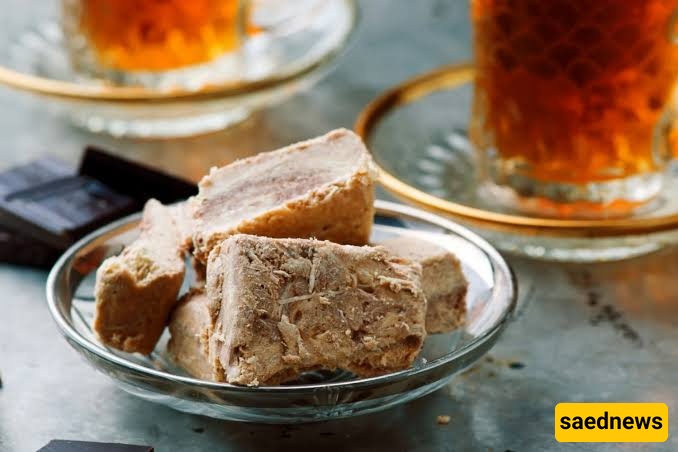
According to Saednews, Halva Ardeh is a special type of tahini-based confection made primarily from sesame seeds. Since sesame is highly nutritious, Halva Ardeh is rich in beneficial nutrients and can provide a variety of health benefits. However, like any food product, it needs to be stored properly to preserve its nutritional value, flavor, and quality. This guide explains the best ways to store Halva Ardeh and sesame halva at home.
Sesame-based products are both nutritious and delicious and are popular among many consumers. They contain vitamins, organic and mineral compounds, protein, fiber, and unsaturated fatty acids.
Halva Ardeh, also known as sesame halva, is one of these products. With proper storage, it can remain suitable for consumption for several months without significant loss of its original quality or nutritional value. The following storage practices can help extend its freshness.
Halva Ardeh should be kept in a cool place away from direct sunlight. Exposure to excessive heat and sunlight can cause some of its nutrients to deteriorate and may reduce its overall quality. Under unsuitable conditions, the product can spoil more quickly and become unsuitable for consumption.
The refrigerator is generally one of the best places to store Halva Ardeh. Because it is made from sesame and contains a high proportion of unsaturated fatty acids, exposure to heat, light, and oxygen can accelerate oxidation. This can negatively affect both its quality and flavor.
If you notice oil collecting on the surface of Halva Ardeh after some time, there is usually no need to worry. This is sesame oil, which naturally separates from the mixture and contains beneficial nutrients.
You can remove the oil and use it separately as a cooking oil, or simply stir it back into the Halva Ardeh before eating.
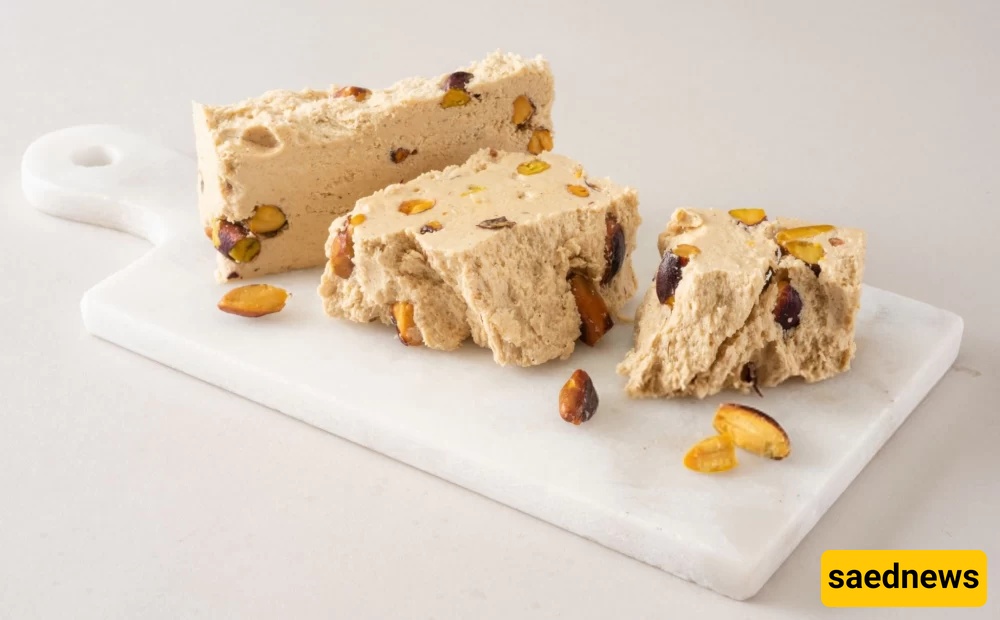
Halva Ardeh becomes firmer when it gets cold. Therefore, it is a good idea to stir and mix it thoroughly before placing it in the refrigerator.
Stirring helps distribute the sesame oil evenly throughout the product, giving the Halva Ardeh a smoother and softer consistency.
Keeping Halva Ardeh refrigerated slows down the separation of sesame oil. As a result, the product may become somewhat firmer than it normally is.
Refrigerating tahini-based products can therefore change their texture, but this does not necessarily mean that the product has spoiled.
Once Halva Ardeh is mixed with water, its shelf life becomes considerably shorter. It should be refrigerated under these conditions and generally should not be kept in the refrigerator for more than five to seven days.
For the best quality and safety, prepare only the amount you expect to consume within a short period.
Whenever possible, choose freshly produced Halva Ardeh and sesame halva from reputable brands and reliable stores. Checking the production date and expiration date can also help ensure that you are purchasing a fresh, high-quality product.
Properly roasted sesame seeds used to make tahini and Halva Ardeh can naturally have a mild bitter taste. This slight bitterness does not necessarily indicate that the product has spoiled.
Following appropriate storage practices can help prolong its shelf life and preserve its flavor and quality.
Halva Ardeh and especially sesame halva contain considerable amounts of sugar, so choosing an appropriate storage container is important.
A sealed container made from durable food-grade plastic or metal can be suitable for storage. A proper container helps protect the product from moisture, air, odors, and environmental contaminants while preserving its flavor and aroma for longer.
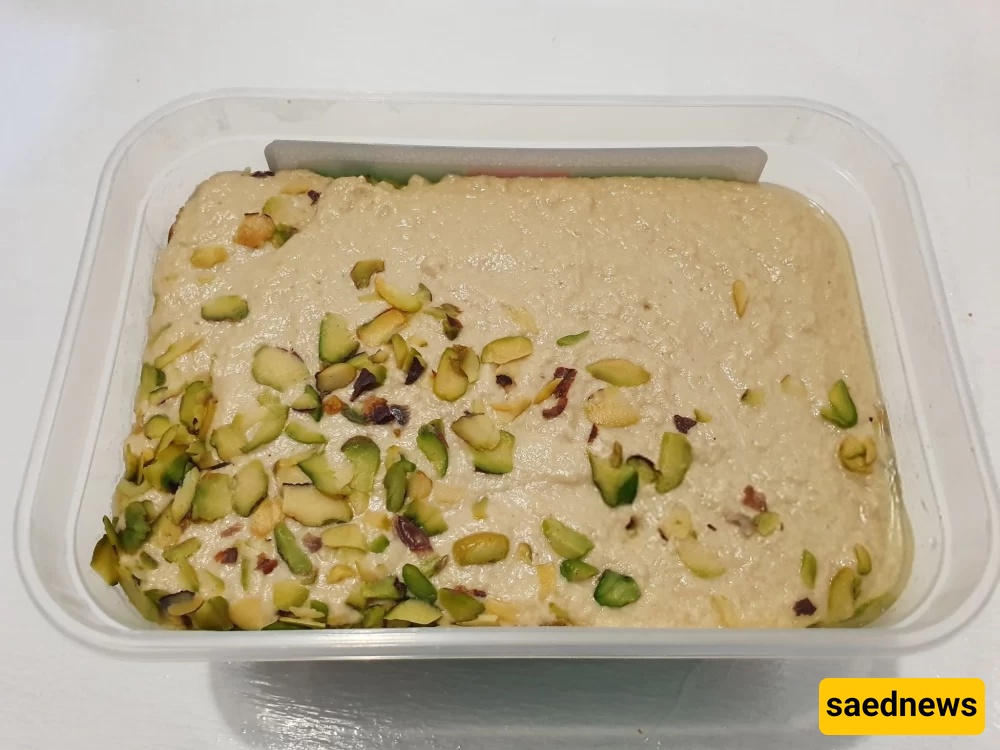
Adding water to Halva Ardeh can increase the risk of spoilage and significantly shorten its shelf life. If water has been added, the product should be refrigerated and consumed within a short period.
As mentioned above, Halva Ardeh and sesame halva should be stored in a cool environment away from direct sunlight and heat. Refrigeration can be particularly useful when the product has been opened or when room temperatures are high.
Research suggests that Halva Ardeh may be less susceptible to rancidity than sesame oil or tahini, although the reasons are not completely understood. Sesame oil consists largely of unsaturated fats, which can oxidize relatively easily.
However, Halva Ardeh made from whole, hulled sesame seeds may contain antioxidant compounds such as sesamin and sesamolin. These antioxidants can slow oxidation and may help prevent the product from becoming rancid too quickly.
There are several signs that can help you determine whether Halva Ardeh is still fresh.
A noticeable change in color or aroma may indicate that the product is no longer fresh.
Fresh Halva Ardeh is generally light beige rather than very dark brown. An unusual smell, particularly a strong rancid or unpleasant odor, is another warning sign.
Always check the production and expiration dates when purchasing Halva Ardeh. Choosing a product that is within its recommended shelf life is an important step in maintaining both quality and food safety.
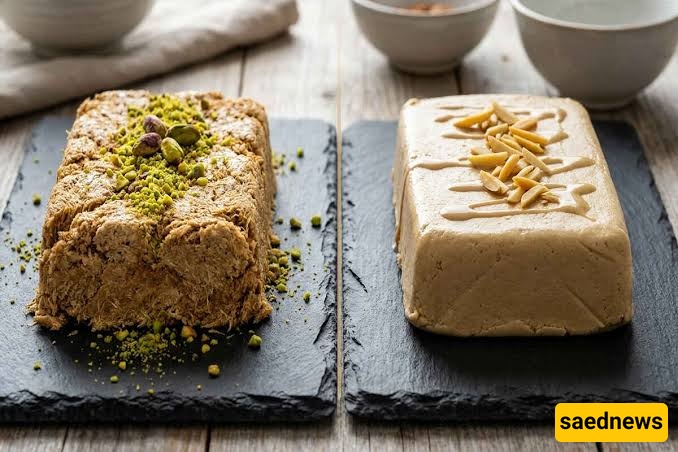
It is normal for some sesame oil to separate and accumulate on the surface of Halva Ardeh or sesame halva over time. This oil is naturally present in the sesame and is not, by itself, a sign of spoilage.
However, if the product develops an unusually large amount of oil along with an unpleasant smell, significant color changes, mold, or other abnormal characteristics, it should not be consumed.
For the best results, keep unopened products according to the manufacturer's storage instructions. Once opened, store Halva Ardeh in a clean, tightly sealed container in a cool, dry place or in the refrigerator, particularly in warm climates. Keep it away from direct sunlight, heat, moisture, and strong odors.
Before eating refrigerated Halva Ardeh, allow it to warm slightly if you prefer a softer texture, and stir separated sesame oil back into the product.
By following these simple storage practices, you can help preserve the taste, texture, aroma, and overall quality of Halva Ardeh and sesame halva for as long as possible.