SAEDNEWS: Proper storage can help legumes stay fresh, dry, and suitable for cooking for a longer time. Choosing appropriate containers, controlling moisture, and checking stored legumes regularly are simple habits that can reduce waste and protect their quality.
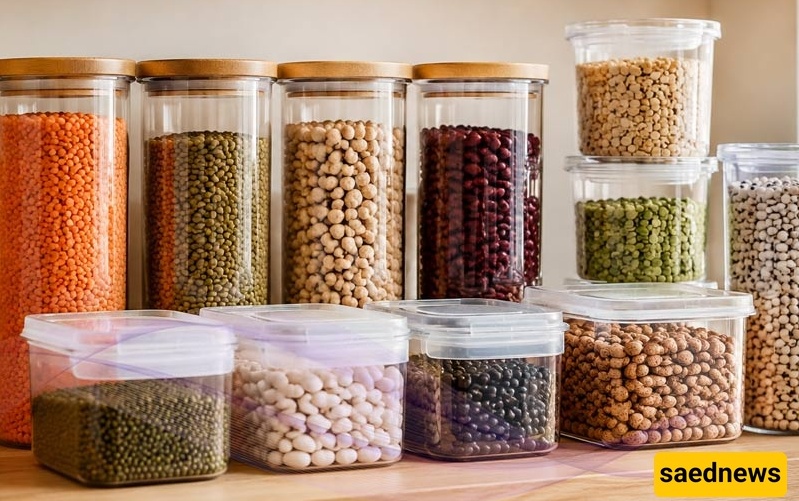
According to SAEDNEWS, legumes such as lentils, chickpeas, beans, and peas are useful pantry staples that can be stored for extended periods when the right conditions are maintained. Proper storage helps preserve their texture, flavor, and overall quality while keeping the kitchen more organized.
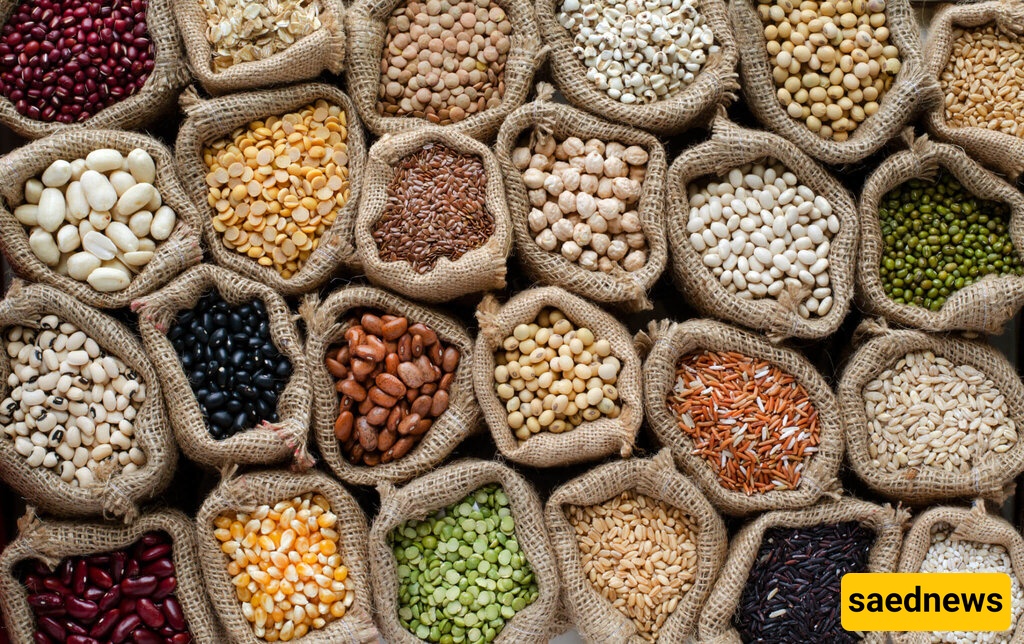
Moisture is one of the main factors that can reduce the quality of dried legumes. Store them in a completely dry environment and make sure containers are thoroughly dry before filling them. Avoid placing legumes near the sink, dishwasher, or other areas where steam and water are common.
Airtight glass or food-safe containers can provide better protection than loosely closed bags. They help prevent humidity, dust, and unwanted odors from reaching the legumes. Labeling each container with the type of legume and storage date can also make pantry organization easier.
A pantry or cupboard that remains cool and dry is generally suitable for dried legumes. Keep containers away from direct sunlight and heat-producing appliances. Stable storage conditions can help maintain quality and reduce the chance of moisture-related problems.
Even properly stored legumes should be inspected from time to time. Look for unusual odors, visible moisture, discoloration, or signs of insects. Removing older packages first and checking the pantry regularly can help prevent one affected package from causing problems for nearby foods.
Using older legumes before newly purchased ones is a simple way to reduce unnecessary food waste. Arrange containers so older supplies are easier to reach, and avoid buying large quantities unless they can be stored under suitable conditions. A well-organized pantry makes it easier to monitor supplies and keep legumes in good condition.