SAEDNEWS: Proper storage of dry foods helps preserve their freshness, flavor, and quality for longer. Common mistakes such as exposure to moisture, heat, air, and pests can reduce shelf life and cause unnecessary waste. Simple storage habits can keep dry ingredients in better condition.
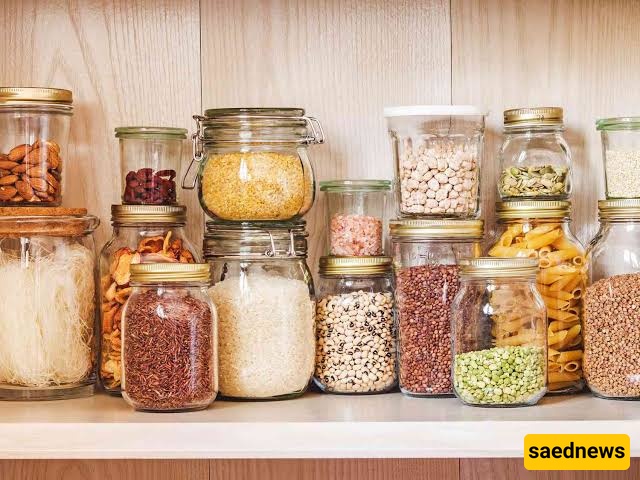
According to SAEDNEWS, dry foods can remain usable for a long time when they are stored correctly. However, improper conditions may affect their texture, taste, and overall quality. Paying attention to storage methods can help households protect their food supplies and reduce waste.
Moisture is one of the biggest problems when storing dry foods. Keeping items such as rice, flour, pasta, grains, and dried legumes near sinks, dishwashers, or other humid areas can encourage clumping and spoilage. A cool, dry cupboard is generally a better choice.
Leaving dry foods in opened bags or boxes allows air, moisture, and insects to reach them more easily. After opening a package, transfer the food to a clean, dry, tightly sealed container. Proper sealing also helps preserve the original texture and aroma.
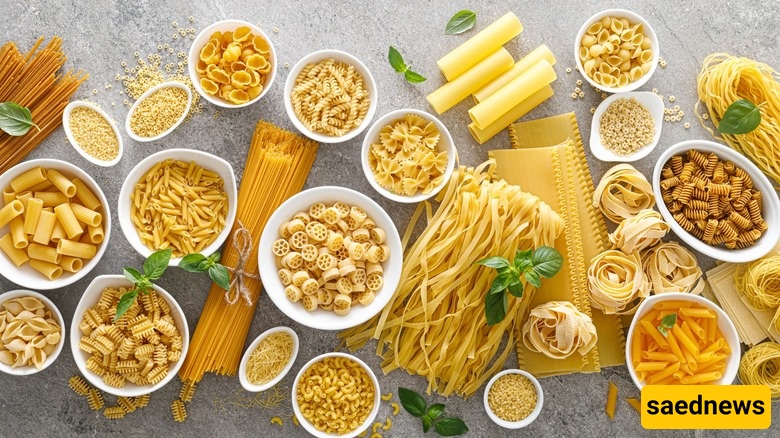
Excessive heat and direct sunlight can gradually affect the quality of many dry ingredients. Cabinets located away from windows, ovens, and other heat sources are more suitable. Keeping food in a stable, moderate environment can help maintain its quality.
Adding newly purchased food to an older container without checking the remaining amount can make it difficult to use older supplies first. A better approach is to finish or move the older portion first and then add the newer supply. Labeling containers with purchase or opening dates can also make organization easier.
Even dry foods should be checked from time to time. Look for unusual odors, moisture, discoloration, damaged packaging, or signs of insects. Keeping storage shelves clean and organized makes these problems easier to notice and helps maintain a safer and more efficient food-storage routine.