SAEDNEWS: Cucumber is one of those nutritious foods that offers numerous health benefits. In this article, we’ll explore cucumber’s calorie content, nutritional value, and potential health benefits. Stay with us until the end.
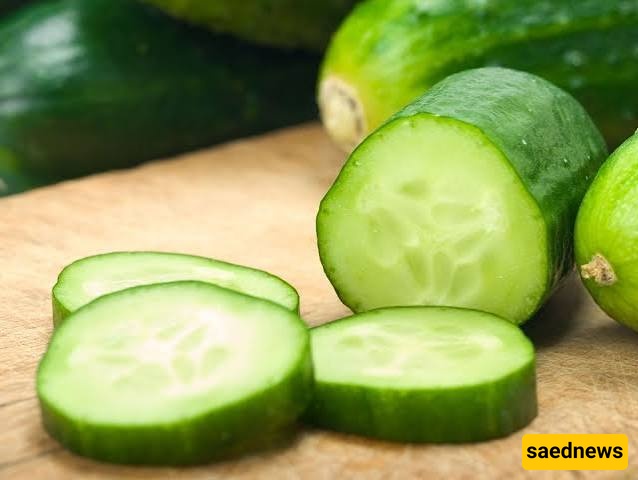
According to Saednews, Cucumbers are packed with various nutrients and beneficial plant compounds, including lignans and flavonoids. These compounds are known for their antioxidant and anti-inflammatory properties and may also have potential cancer-fighting effects. In this article, we take a closer look at the nutritional value and potential health benefits of cucumbers.
Cucumber is a very low-calorie food, containing approximately 15 calories per 100 grams.
Nutrient | Amount per 100 g |
|---|---|
Calories | 15 kcal |
Sodium | 2 mg |
Sugar | 1.7 g |
Fiber | 0.5 g |
Omega-3 | 5 mg |
Omega-6 | 28 mg |
Protein | 0.7 g |
Vitamin A | 2% DV |
Vitamin C | 5% DV |
Vitamin K | 21% DV |
Folate | 2% DV |
Calcium | 16 mg |
Magnesium | 13 mg |
Phosphorus | 24 mg |
Potassium | 147 mg |
Manganese | 0.1 mg |
Phytosterols | 14 mg |
Water | 95.2 g |
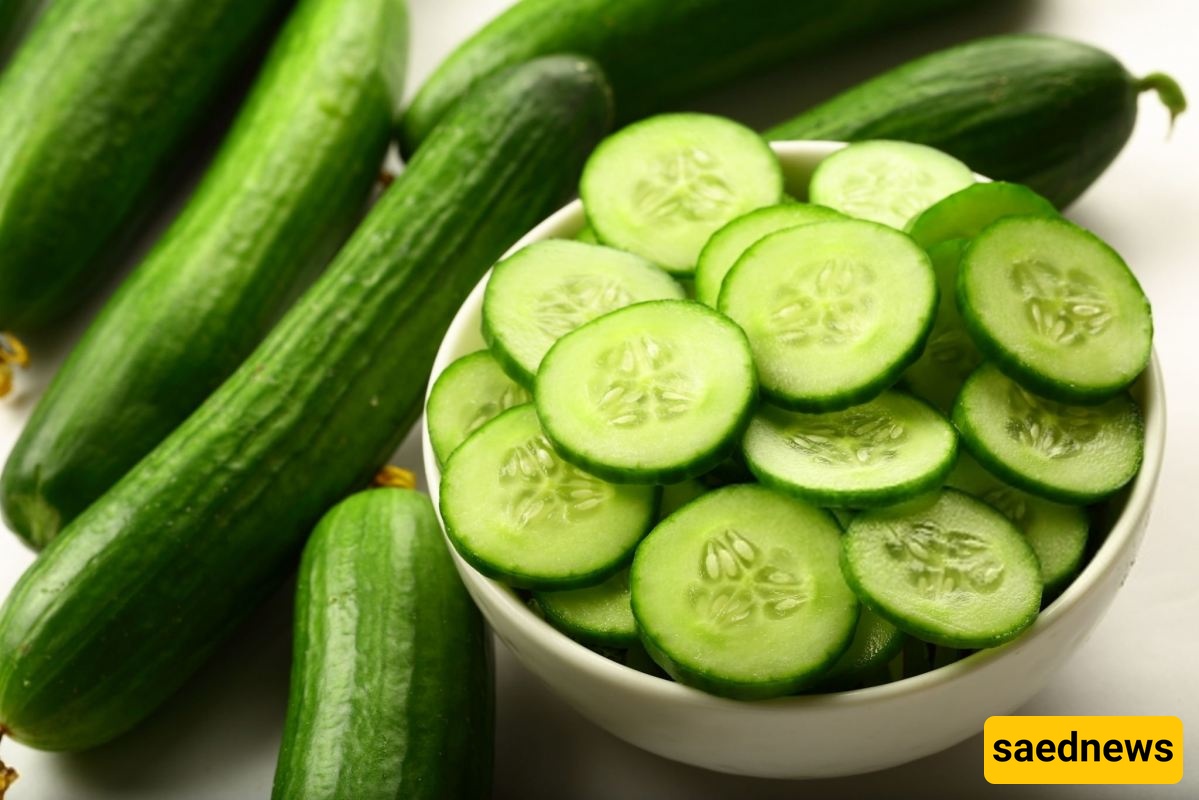
Because cucumbers contain very few calories and a high percentage of water, they can be a useful addition to a balanced weight-management diet. Their water and fiber content can also contribute to feelings of fullness.
Research into the potential anticancer effects of cucumbers is still developing. However, cucumbers contain plant compounds called cucurbitacins, which have attracted scientific interest because of their potential effects on cancer cell growth.
Cucumbers also contain lignans, another group of plant compounds being investigated for their possible protective effects. While these findings are promising, more research is needed before cucumbers can be considered a treatment or preventive measure for cancer.
Cucumbers have a very high water content, making them a refreshing food that can contribute to overall hydration. Cucumber is also commonly used topically because of its cooling and soothing properties.
Cucumber slices are often applied around the eyes to temporarily reduce the appearance of puffiness. Its plant compounds and nutrients may also support healthy skin.
Cucumbers contain small amounts of silica and sulfur-containing compounds, which are sometimes associated with hair and nail health. However, a balanced diet provides the broader range of nutrients needed for healthy hair.
For a refreshing drink, cucumber juice can be combined with carrot or spinach juice.
Cucumber contains water and various plant compounds that may contribute to oral freshness. Traditionally, placing a cucumber slice against the roof of the mouth has been suggested as a way to help reduce bad breath.
Its water and fiber content can also form part of an overall healthy diet that supports oral health. However, cucumber should not replace regular brushing, flossing, or professional dental care.

Cucumber is naturally low in calories while being rich in water, making it a convenient food for people trying to manage their calorie intake.
Its water and fiber content may also support normal digestion. Including cucumber and other fiber-rich foods in your diet can help maintain regular bowel movements and may be beneficial for people who experience occasional constipation.
Cucumbers contain potassium, magnesium, and fiber, nutrients that can contribute to a heart-healthy diet and healthy blood pressure.
Some studies have also investigated cucumber compounds and their possible effects on blood sugar regulation. However, claims that cucumber juice itself can treat diabetes should be viewed cautiously. People with diabetes should continue following their prescribed treatment and dietary plan.
Cucumbers provide several vitamins and minerals, including vitamin C, vitamin K, magnesium, and potassium. They also contain silica, a naturally occurring compound that has been studied in relation to connective tissue and bone health.
A healthy diet rich in vegetables can contribute to overall musculoskeletal health. However, cucumber juice should not be considered a treatment for gout or arthritis.
Cucumbers contain silica, along with small amounts of several vitamins and minerals. These nutrients contribute to overall nutritional health, although there is limited evidence that eating cucumbers alone can prevent brittle or weak nails.
A varied diet containing adequate protein, vitamins, and minerals is more important for maintaining healthy nails.
Cucumbers are made up of roughly 95% water, making them an excellent hydrating food.
Their high water content also means that cucumbers can contribute to daily fluid intake. Although cucumbers have a mild diuretic effect for some people, they should not be considered a treatment for kidney stones or other urinary conditions.
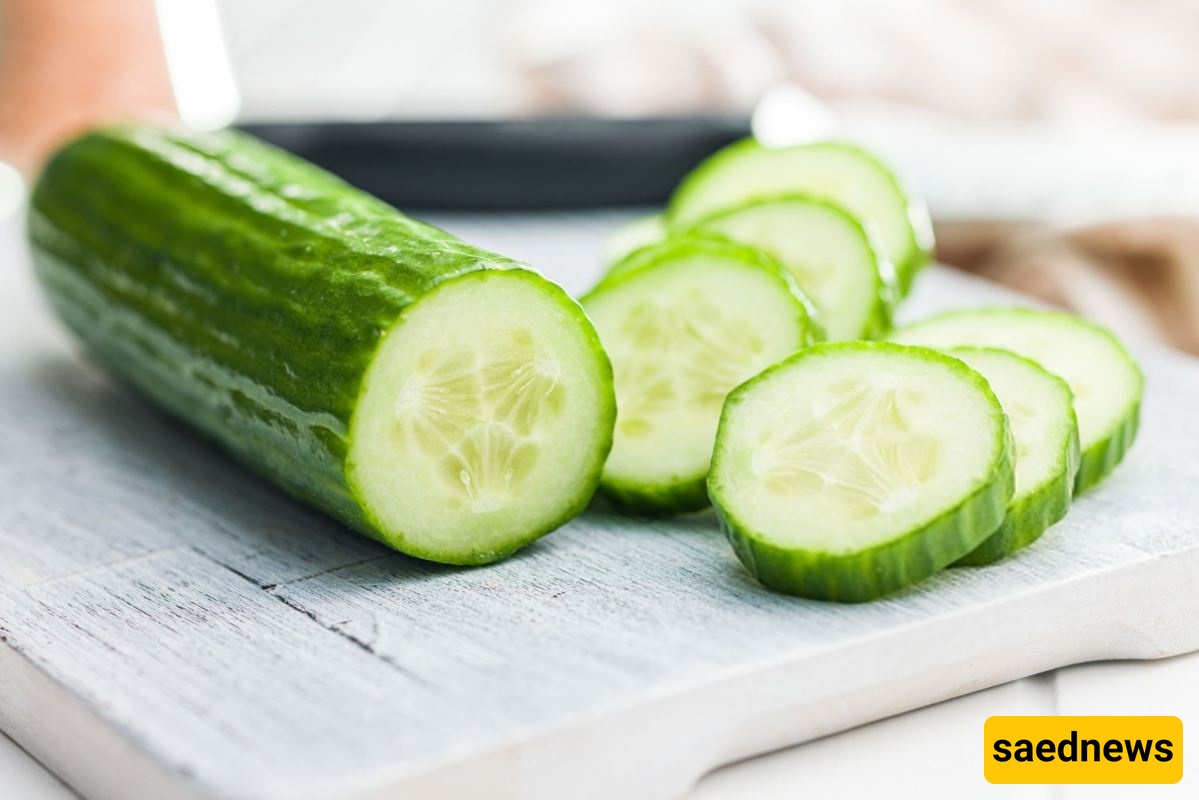
Cucumbers contain phytosterols, also known as plant sterols. Research suggests that phytosterols can help reduce LDL (“bad”) cholesterol when consumed as part of an appropriate diet.
Cucumbers also contain pectin, a type of soluble fiber. Research on pectin and cholesterol has shown promising results, although much of the evidence comes from studies using concentrated pectin or animal models rather than ordinary cucumber consumption.
Overall, cucumbers can be a nutritious, hydrating, and low-calorie addition to a balanced diet. Their combination of water, fiber, vitamins, minerals, and plant compounds makes them especially useful for people looking for nutrient-rich foods with relatively few calories.