SAEDNEWS: Some legumes cook quickly, while others require much more time to become soft. Factors such as age, storage conditions, soaking methods, and water quality all affect cooking time. Understanding these factors helps prepare tastier meals while saving both time and energy.
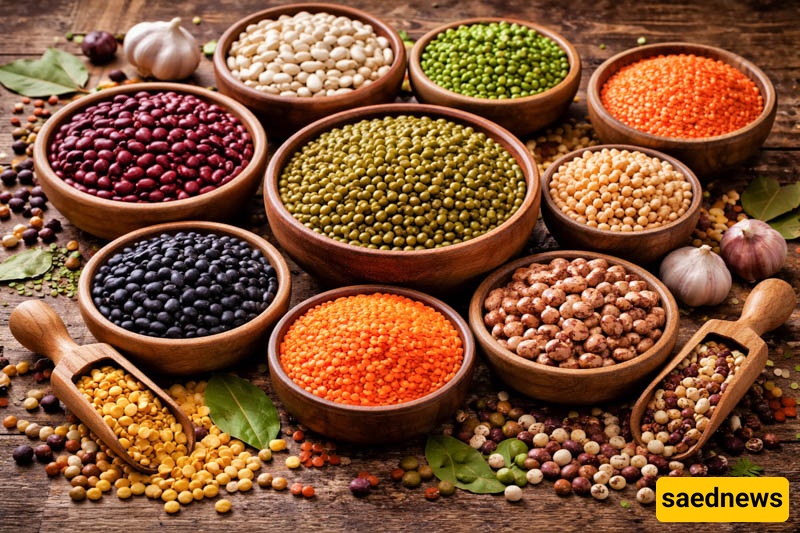
According to SAEDNEWS, cooking legumes can sometimes take longer than expected, even when using the same recipe. The natural characteristics of different legumes, along with how they are stored and prepared, play a major role in determining how quickly they soften. Learning the reasons behind longer cooking times can improve meal planning and cooking results.
Freshly harvested legumes generally cook faster than older ones. As legumes age, they gradually lose moisture, and their outer layers become firmer. This natural process makes it more difficult for water to penetrate during cooking, increasing the time needed for them to become tender.
Proper storage helps preserve the quality of legumes. Keeping them in a cool, dry place protects them from excessive moisture and temperature changes. Legumes stored for long periods or in poor conditions often become harder, making them slower to cook even after soaking.
Soaking legumes for several hours before cooking allows them to absorb water, reducing overall cooking time. The quality of the cooking water also matters. Water with a high mineral content may slow the softening process, while clean, soft water often produces better and faster cooking results.
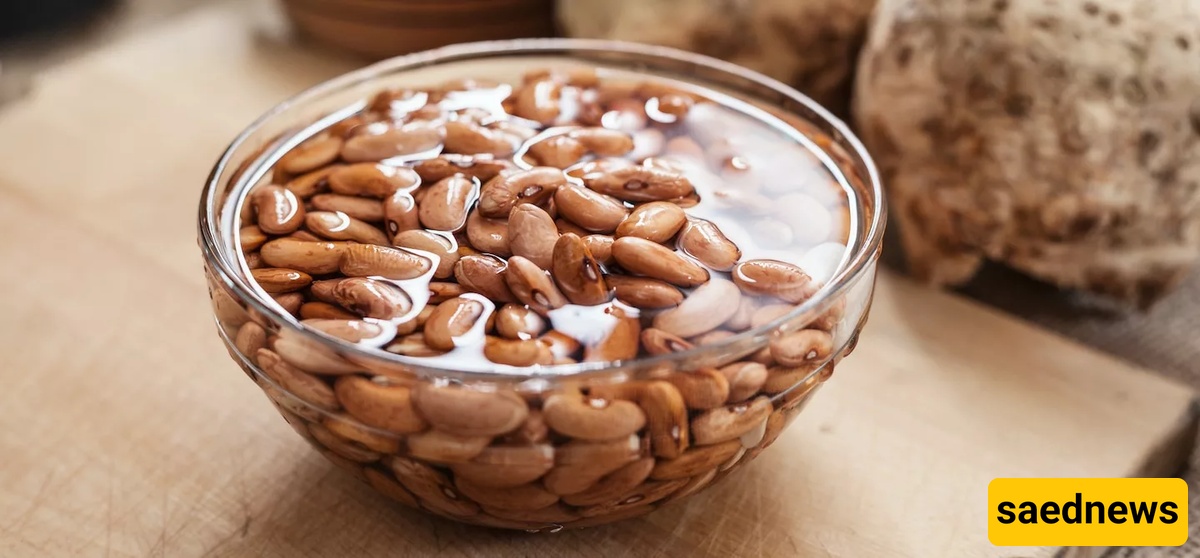
Choosing fresher legumes, storing them correctly, soaking them before cooking, and using fresh water can significantly reduce cooking time. Cooking over steady, moderate heat also helps legumes soften evenly while maintaining their texture and flavor. With these simple practices, preparing nutritious legume-based meals becomes easier and more efficient.