SAEDNEWS: Custard cream and crème pâtissière are two widely used creams in pastry making. Although they may appear similar, they differ significantly in their ingredients, texture, and culinary applications.
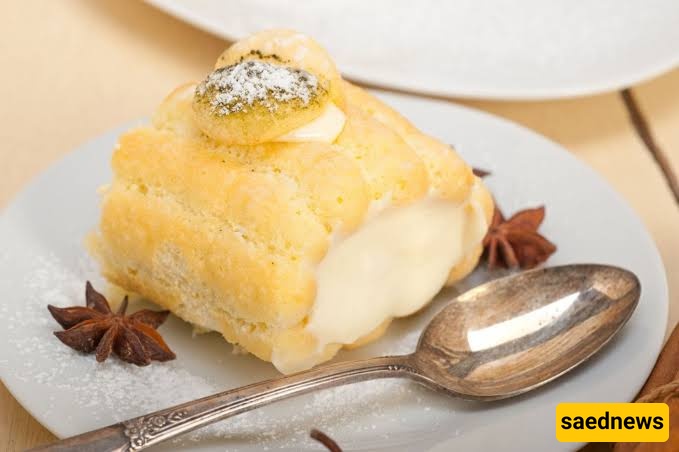
According to Saednews, In the world of pastry and dessert making, creams and fillings play an essential role in determining the final flavor, texture, and appearance of a dessert. Two of the most popular and widely used preparations in French and international pastry are custard and crème pâtissière (pastry cream).
Although these two creams share several ingredients, they are not the same. Their ingredients, consistency, preparation methods, stability, and applications can differ significantly.
Custard is one of the oldest and most fundamental preparations in cooking and pastry making. With roots in European cuisine, traditional custard is generally made from a simple combination of milk, eggs, and sugar.
Depending on the recipe, custard can be baked until set, as in crème caramel, or gently cooked into a smooth, pourable sauce, such as vanilla custard sauce.
Fresh milk: Provides the liquid base.
Whole eggs or egg yolks: Help thicken the mixture and create its creamy texture.
Sugar: Provides sweetness.
Vanilla: Adds the primary flavor, using either vanilla extract or vanilla beans.
Custard can generally be divided into three main categories:
Baked custard: Examples include crème caramel and bread pudding.
Stirred custard: Such as vanilla custard sauce, which is gently cooked while being stirred.
Cold custard: Ready-made or prepared custard products that do not require cooking.
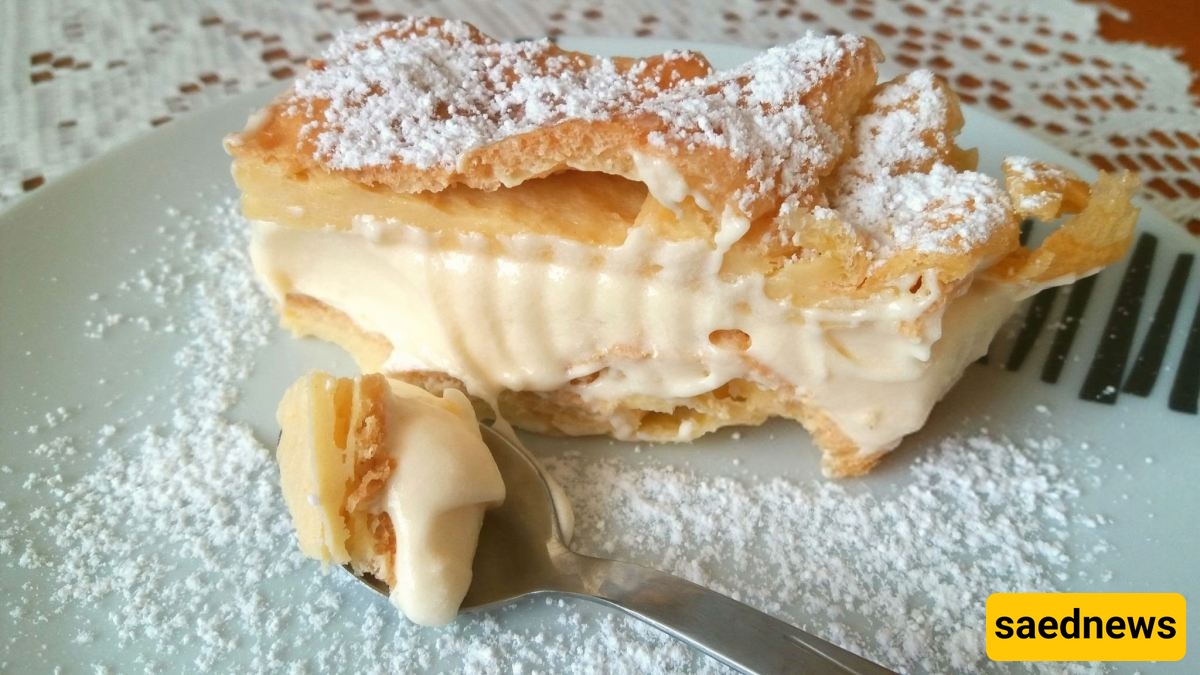
Soft and delicate texture: Traditional custard has a smooth, silky, and often pourable consistency.
Mild, natural flavor: Milk, egg, and vanilla are usually the dominant flavors.
No starch in traditional versions: Classic egg custard is thickened primarily by the eggs rather than flour or cornstarch.
Sensitive to heat: Custard can easily overcook, curdle, or scorch, so careful temperature control is important.
Crème pâtissière, commonly known as pastry cream, is a thick and stable cream used extensively in professional pastry making. It became an important component of French pastry and is now considered one of the fundamental preparations of modern baking.
Pastry cream is typically made with:
Fresh milk: The liquid base.
Egg yolks: Add richness, flavor, and part of the thickening power.
Sugar: Provides sweetness.
Cornstarch or flour: The primary thickening ingredient, giving the cream its characteristic stability.
Vanilla: Provides the main flavor.
Butter (optional): Adds richness, shine, and a smoother mouthfeel.
Thick and stable texture: The starch makes pastry cream considerably thicker than traditional custard.
Easy to shape and use as a filling: Its firm consistency makes it suitable for pastries, tarts, and cakes.
Greater heat stability: It generally tolerates heat better than egg-thickened custard.
Good storage stability: Its structure allows it to maintain its consistency for longer when properly refrigerated.
The most important distinction is the use of starch.
Custard: Traditional custard is made without starch, with the eggs providing most of the thickening.
Crème pâtissière: Pastry cream contains cornstarch or flour, which produces a thicker and more stable preparation.
Custard: Soft, smooth, silky, and often fluid enough to pour.
Pastry cream: Thick, creamy, and stable enough to hold its shape and be used as a filling.
Custard: The ingredients are combined and gently heated while being stirred until the eggs thicken the mixture.
Pastry cream: Milk is heated, then gradually incorporated into a mixture of egg yolks, sugar, and starch. The mixture is returned to the heat and cooked until it thickens.
Custard: Ideal for pourable sauces, puddings, crème caramel, and spoonable desserts.
Pastry cream: Commonly used to fill mille-feuille, éclairs, profiteroles, fruit tarts, and layered cakes.
Custard: Generally has a shorter refrigerated shelf life and is more sensitive to temperature changes.
Pastry cream: Usually maintains its structure longer when properly refrigerated, although storage time depends on the specific recipe, ingredients, and food-safety practices.
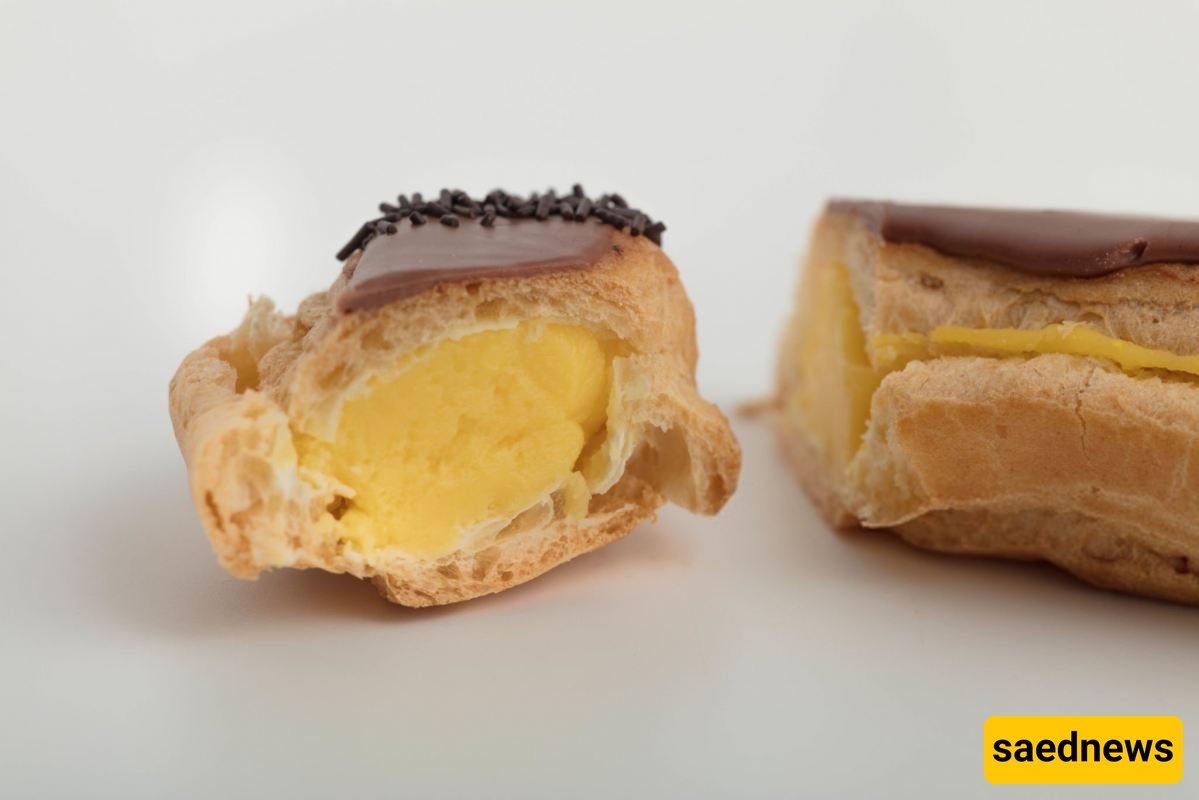
Custard is used in a wide range of classic desserts, including:
Vanilla custard sauce: Served with cakes, pies, and warm desserts.
Crème caramel: A classic French-style caramel custard dessert.
Rice pudding: A traditional dessert combining rice with a creamy custard base.
Bread pudding: A practical dessert made with bread and custard.
Trifle: A layered English dessert that commonly includes custard.
Ice cream: Egg-based custard is the foundation of many classic vanilla and French-style ice creams.
Pastry cream is especially popular as a filling for:
Éclairs: Choux pastry filled with pastry cream.
Profiteroles: Small choux pastry shells filled with cream.
Mille-feuille: Layers of puff pastry and pastry cream.
Fruit tarts: Pastry cream provides the creamy base beneath fresh fruit.
Layer cakes: Used as a filling between cake layers.
Cream-filled doughnuts: A classic filling for many pastry-style doughnuts.
Napoleon pastries: Crisp pastry layers combined with pastry cream.
For an egg-thickened custard, avoid excessive heat. A temperature around 80–85°C (176–185°F) is commonly used for stirred custards. Overheating can cause the eggs to curdle.
Continuous stirring helps prevent the mixture from sticking, scorching, or developing lumps.
Custard is ready when it coats the back of a spoon and leaves a clean line when you run a finger through it.
Transfer the finished custard to a suitable container and cool it promptly to prevent carryover cooking and reduce food-safety risks.
Passing custard through a fine sieve can remove small bits of cooked egg and produce a smoother, more refined texture.
Mix cornstarch thoroughly with the cold ingredients before heating to reduce the risk of lumps.
Bring the milk to a proper simmer before incorporating it into the egg mixture.
Gradually add the hot milk to the yolks while whisking continuously. This raises their temperature gradually and helps prevent the eggs from scrambling.
Once it reaches a boil, pastry cream should generally be cooked for around 2–3 minutes, depending on the recipe, to fully activate and cook the starch.
Cold butter can be incorporated after cooking to add richness, shine, and a smoother finish.
Press plastic wrap directly against the surface of the pastry cream while it cools to prevent a skin from forming.
Custard and crème pâtissière may look similar and share ingredients such as milk, eggs, sugar, and vanilla, but their functions are different.
Custard is typically softer and more delicate, making it ideal for sauces, puddings, baked desserts, and spoonable preparations.
Crème pâtissière is thicker and more stable because of the addition of starch, making it particularly well suited to filling pastries, tarts, éclairs, profiteroles, and cakes.
Understanding the difference between these two classic preparations makes it easier to choose the right cream for each dessert and achieve the desired texture, stability, and finish.