SAEDNEWS: Tarragon vinegar is a distinctive and flavorful condiment with a variety of culinary uses, and it can be easily prepared at home. This article explains the complete process for making tarragon vinegar and explores different ways to use it in cooking.
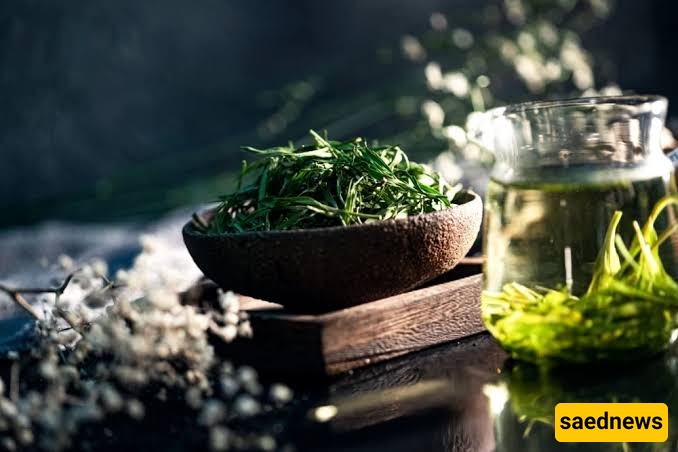
According to Saednews, Tarragon vinegar is a distinctive and delicious seasoning that can add a unique aroma and flavor to a wide variety of dishes, salads, and sauces. Beyond its culinary uses, tarragon is also valued for its potential health benefits and medicinal properties. In this article, you will learn how to prepare flavorful tarragon vinegar at home, along with an overview of tarragon’s properties and practical ways to use this infused vinegar in cooking.
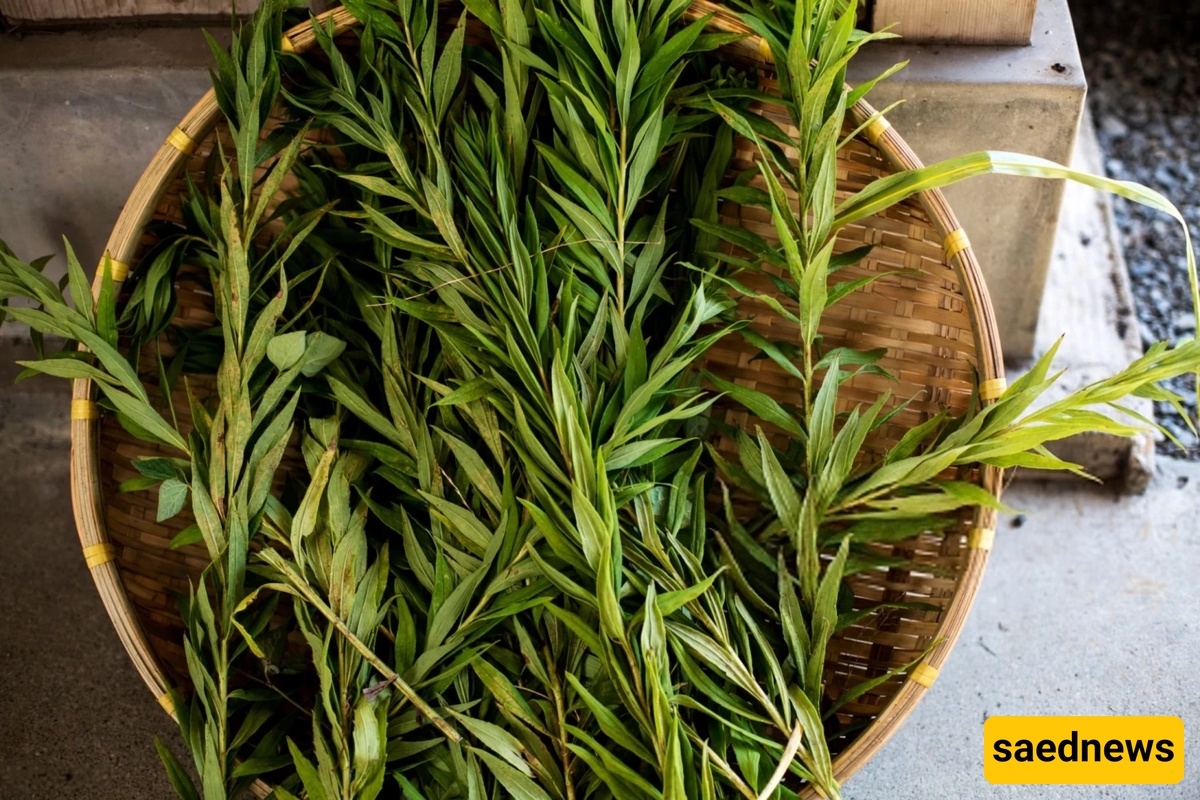
Tarragon, also known as estragon, is an aromatic herb belonging to the daisy family. It is widely used in cooking because of its distinctive flavor and pleasant fragrance. Tarragon is associated with several beneficial properties, including:
Anti-inflammatory properties: Tarragon may help support the body’s natural response to inflammation.
Digestive support: This herb has traditionally been used to support healthy digestion and ease occasional digestive discomfort.
Rich in antioxidants: Tarragon contains antioxidants that can help protect cells from oxidative stress caused by free radicals.
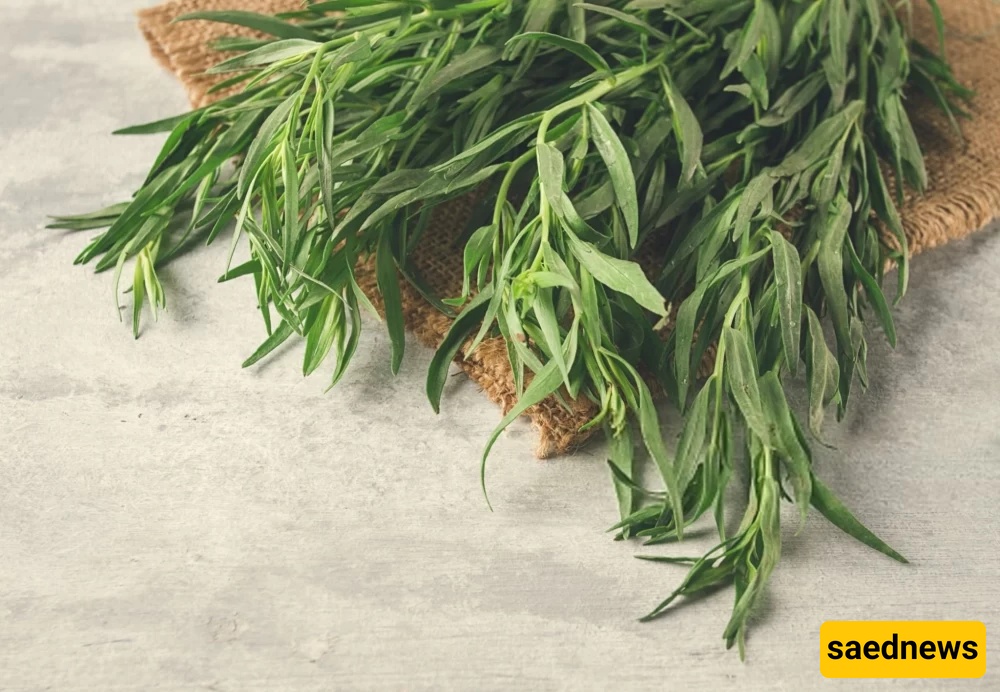
There are two main varieties of tarragon: French tarragon and Russian tarragon. French tarragon has a stronger, more distinctive flavor and is commonly used in sauces and a variety of dishes. Russian tarragon, on the other hand, has a milder flavor and is generally less aromatic.
To make homemade tarragon vinegar, you will need:
2 cups fresh tarragon leaves
2 cups vinegar
Gently crush the fresh tarragon leaves to release their natural aroma and flavor. This helps the herb infuse more effectively into the vinegar.
Place the crushed tarragon leaves in a clean, dry container. Slowly pour the vinegar over the leaves, making sure they are fully covered. For the best flavor, choose a high-quality, pure vinegar.
Seal the container and store it in a cool, dark place for 2 to 3 weeks. During this time, the tarragon will gradually infuse the vinegar with its distinctive aroma and flavor.
Once the infusion period is complete, strain the vinegar to remove the herb leaves. Pour the infused vinegar into clean, dry bottles. For a decorative touch and easier identification, you can place a fresh sprig of tarragon in each bottle before filling it with vinegar.
Seal the bottles and add a label with the preparation date. This makes it easier to keep track of how long the vinegar has been stored.
Tarragon vinegar is a versatile seasoning that can enhance the flavor of many dishes. Here are some popular ways to use it:
One of the most common uses for tarragon vinegar is making salad dressing. Combine it with olive oil and your favorite herbs and spices to create a fragrant and flavorful dressing for salads.
Tarragon vinegar works particularly well with foods such as chicken and fish. Add a small amount before cooking or use it as part of a marinade to give the meat a delicious herbal flavor and aroma.
Tarragon vinegar can also serve as a flavorful base for pickling and marinades. Combine it with your favorite vegetables and selected herbs and spices to create a tasty homemade pickle or a flavorful marinade.
Homemade tarragon vinegar is an easy way to add a fresh, aromatic flavor to everyday cooking. With just fresh tarragon and vinegar, you can prepare a versatile ingredient that works beautifully in salad dressings, marinades, meat and fish dishes, and homemade pickles.