SAEDNEWS: In this article, we discuss various methods of cooking fish and provide information about the calorie content of each cooking method.
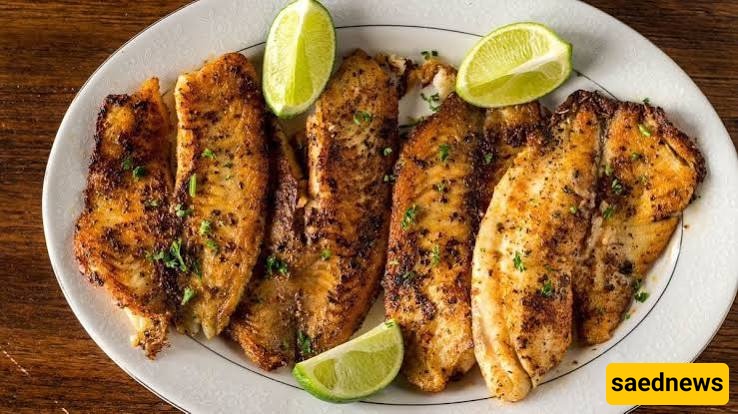
According to Saednews, One of the most beloved dishes served in Iran during the Persian New Year (Nowruz) is Herb Rice with Fish (Sabzi Polo ba Mahi). Families traditionally gather on New Year's Eve or the first day of Nowruz to enjoy this festive meal together.
The herb rice is prepared by combining finely chopped fresh herbs—including dill, cilantro, parsley, chives (or green onions), fenugreek, and mint—with rice before steaming. The fish is traditionally pan-fried or coated and fried until golden, creating a flavorful pairing that symbolizes prosperity and a fresh start for the new year.
Keep these important tips in mind for the best results:
Clean the fish thoroughly to eliminate any unwanted fishy odor.
Avoid overcooking, as it dries out the flesh and diminishes its natural flavor.
Use herbs and spices in moderation so they enhance rather than overpower the taste of the fish.
Cook the fish so it remains moist. The flavorful juices left in the cooking dish can be served as a delicious natural sauce.
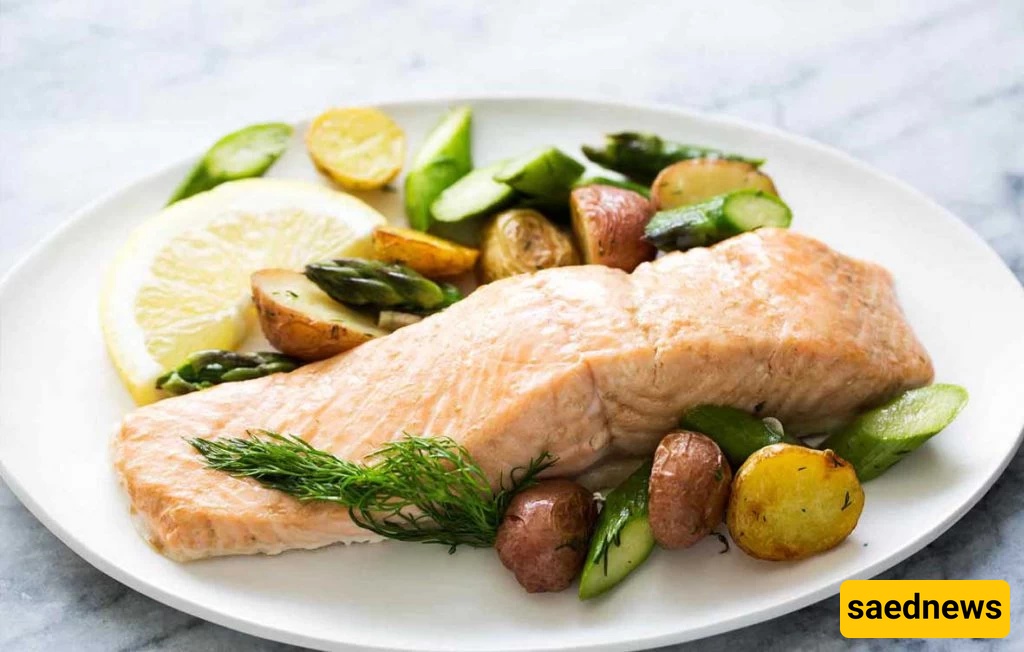
Baking whole fish at a moderate temperature of 180–200°C (355–390°F) is one of the healthiest cooking methods. Since baking is a dry-heat technique, skinless fish can lose moisture easily. To keep it juicy, cook it with its natural juices or add a flavorful sauce. You can also marinate the fish beforehand or stuff it with herbs and aromatics before placing it in the oven.
Foil cooking is an excellent way to preserve moisture and flavor, especially for whole fish or fish steaks. Drizzle the fish with lemon juice, a little butter, salt, pepper, herbs, and your preferred seasonings. Wrap it tightly in foil and bake at 180–200°C (355–390°F) until tender and juicy.
Fish fillets are ideal for grilling, but they should be kept moist with lemon juice, oil, butter, or a favorite marinade. Brush the mixture over the fish or wrap it in foil before grilling, turning it several times for even cooking. Grilled fish doesn't have to be dry—a flavorful onion-based fish sauce can add extra richness and depth.
Place the fish in a pot with a small amount of water and a few cloves of garlic. Simmer gently over medium heat. This method highlights the natural flavor of different fish varieties while helping them retain their moisture.
Fish can be fried using either a shallow or deep-frying method.
For shallow frying, use just enough oil to cover part of the fish's thickness. A combination of butter and olive oil is ideal because the olive oil helps prevent the butter from burning.
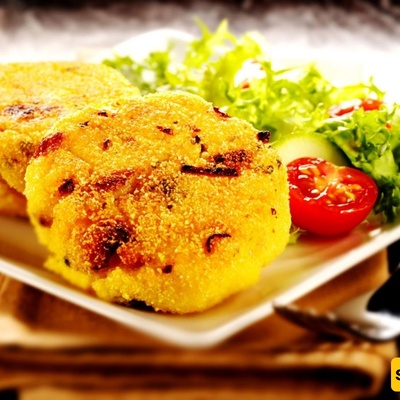
For deep frying whole fish or fillets, coat the fish with beaten egg and breadcrumbs or a light batter. Heat the oil to 175–195°C (347–383°F) before frying. If the oil is too cool, the coating absorbs excess oil and becomes soggy. If it's too hot, the outside burns before the inside cooks through. The fish is ready when it turns golden brown, rises to the surface, and bubbles gently. Instead of frying whole pieces, you can also use fish to make delicious fish patties or croquettes.
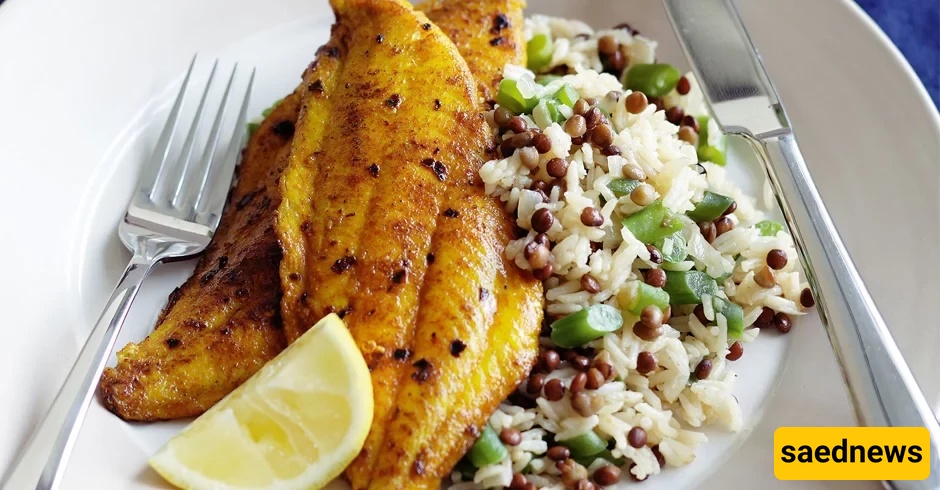
Fish can easily be transformed into a flavorful stew or hearty soup by simmering it with water and vegetables. Once the liquid begins to boil, reduce the heat to a gentle simmer. The fish is fully cooked when the meat separates easily from the bones. This technique works especially well with firm, meaty fish.
A classic example is Ghalieh Mahi, a traditional Persian fish stew. It can be served hot or cold and enjoyed either with steamed rice or on its own.
Fish is an incredibly versatile ingredient that can be baked, grilled, fried, poached, wrapped in foil, or stewed. Choosing the right cooking method and avoiding overcooking will help preserve its delicate texture and natural flavor. Whether you're preparing a traditional Persian New Year feast or simply looking for healthy and delicious ways to cook seafood, these techniques will help you achieve excellent results every time.