SAEDNEWS: Learn how to prepare Kurdistan Barsaq with the basic recipe and important cooking tips, and discover the differences between the versions from Lorestan, Ilam, Sanandaj, and the fluffy Barsaq variety.
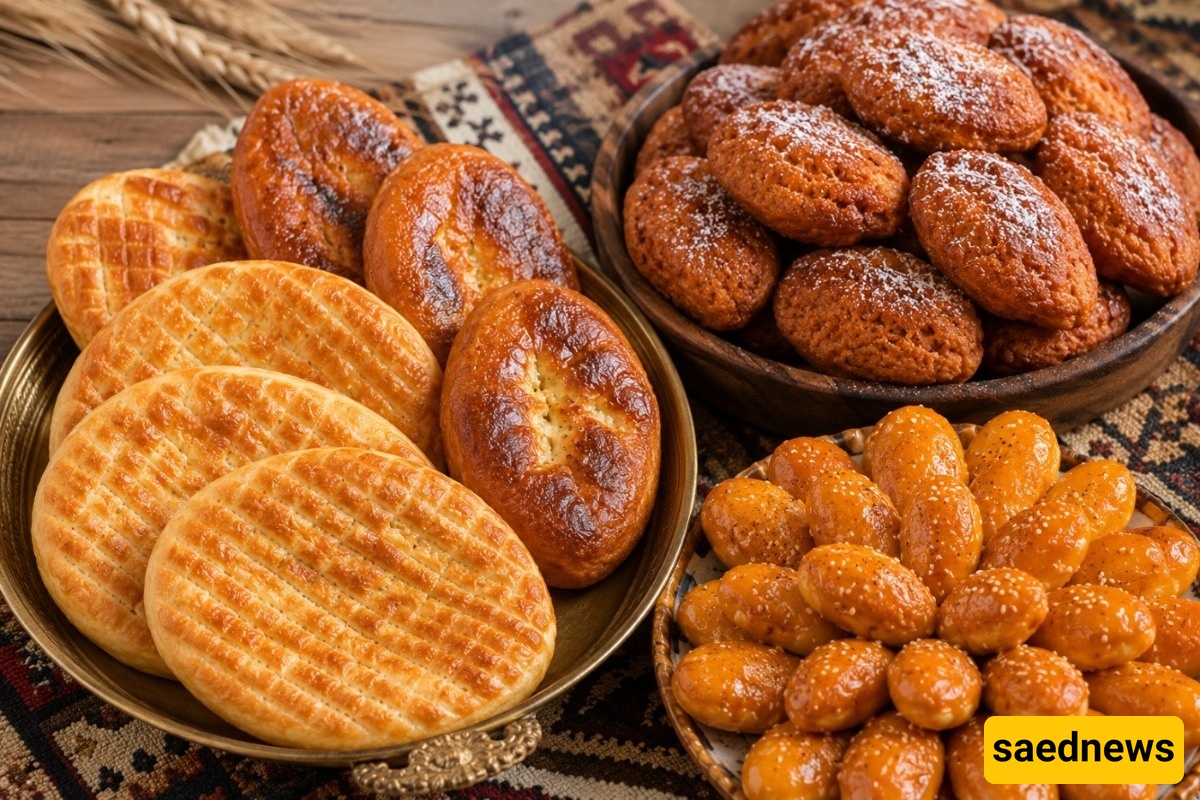
According to the Saed News cooking section, Borsaq is one of the traditional and aromatic breads of western Iran, especially popular in the provinces of Kurdistan, Lorestan, and Ilam. This local bread has a soft texture and a pleasant flavor, and it is prepared in different ways depending on the region. From simple homemade Borsaq to milk-based versions and fluffy varieties, this traditional bread has always held a special place on Iranian family tables.
In this article, you will learn how to prepare Kurdish Baji Borsaq step by step, along with different regional versions such as Lorestan Borsaq, Ilam Borsaq, and Sanandaj Borsaq, so you can make this delicious traditional bread at home according to your taste.
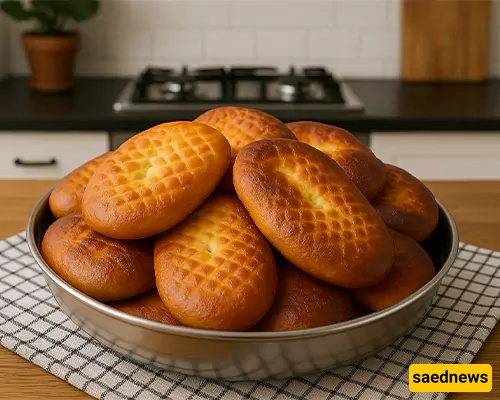
3 cups all-purpose flour
1 cup lukewarm milk (or water as a substitute)
1 egg
2 tablespoons sugar
3 tablespoons vegetable oil
1 teaspoon yeast
1/4 teaspoon salt
Powdered sugar or shredded coconut (for decoration, as needed)
Mix the yeast with lukewarm milk and sugar. Leave it aside for about 10 minutes until the yeast becomes active.
In a large bowl, combine the flour and salt.
Add the egg, then pour in the activated yeast mixture.
Knead the ingredients well until the dough becomes smooth and soft.
Add the oil and knead again until the dough becomes elastic.
Cover the dough and let it rest in a warm place for about 1 hour, or until it doubles in size.
After resting, divide the dough into small portions and shape them into circles or ovals.
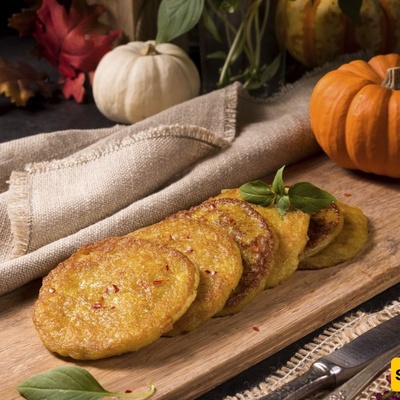
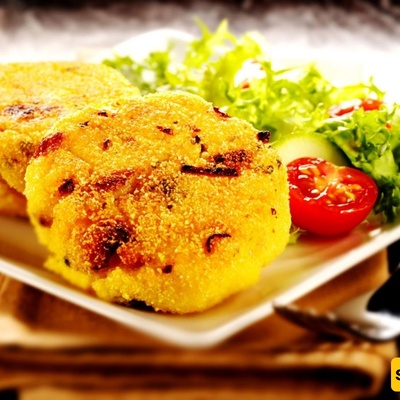
Fry the pieces in hot oil until both sides become golden and slightly puffed.
Place the finished Borsaq pieces on a paper towel to remove excess oil.
Once they cool slightly, sprinkle powdered sugar on top or decorate with shredded coconut before serving.
Note:
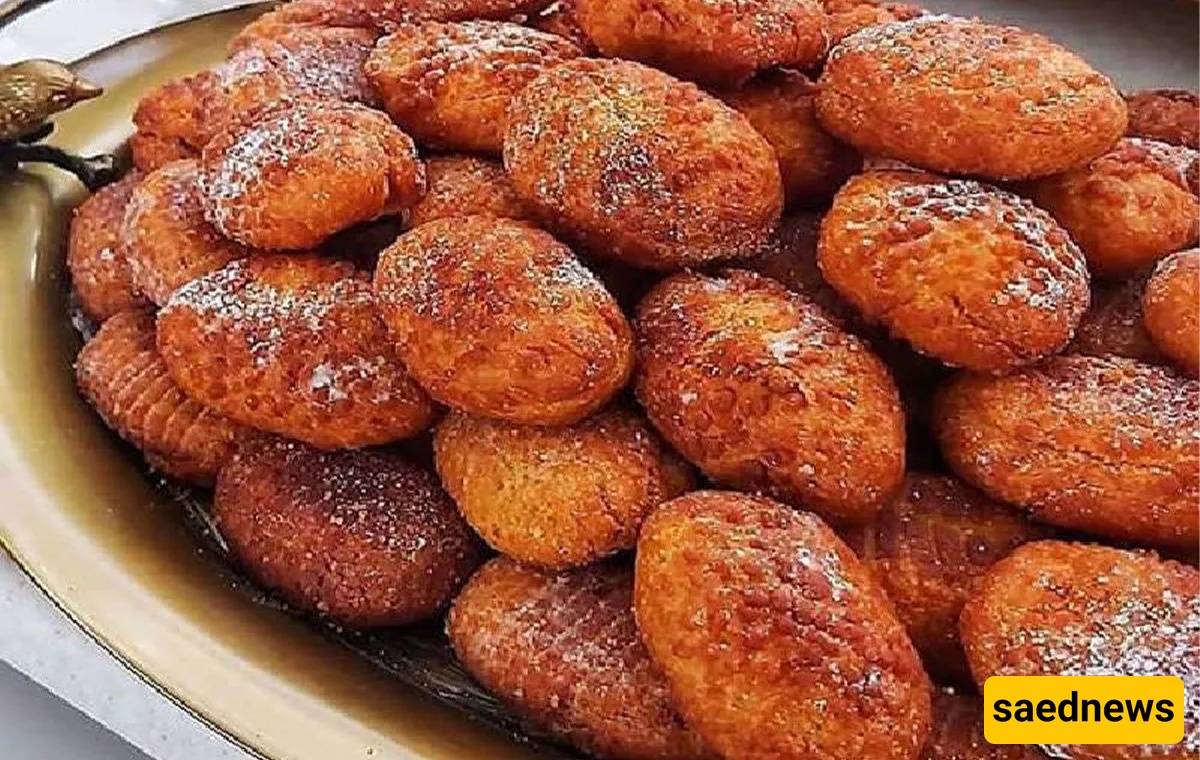
The recipe above is one of the most common methods for preparing Baji Borsaq, and it is made with small variations in many western regions of Iran. Some people replace vegetable oil with traditional animal fat and add a little saffron to give the dough a richer aroma and golden color.
In some local recipes, the dough is filled with a mixture of ground walnuts, cinnamon, ground dried mulberries, or sugar. Instead of frying, some versions are brushed with egg yolk, decorated with sesame seeds or black seeds, and baked in the oven.
Ultimately, the type of Borsaq depends on personal preference. It can be prepared in its simplest form or made into a more festive, fragrant, and filled version by adding different ingredients.
For yeast activation, the milk or water must be lukewarm. High temperatures can destroy the yeast.
If the dough sticks to your hands, avoid adding too much flour at once. Add it gradually to prevent the dough from becoming too hard.
Proper resting time is essential for a soft and fluffy Borsaq. Wait until the dough doubles in size.
The oil should be hot enough for frying, but not excessively hot. Otherwise, the outside will cook quickly while the inside remains raw.
Keep the thickness of the dough even when shaping it so all pieces cook evenly.
Borsaq can be served with tea, milk, honey, jam, or cheese.
If you want a lighter, softer, and puffier Borsaq, make these adjustments:
Use lukewarm milk instead of water to create a softer dough.
Allow the dough to rest completely after kneading until it doubles in size.
Do not roll the dough too thin; medium thickness helps it become fluffier.
The oil should be sufficiently hot when frying so the Borsaq starts puffing immediately, but keep the heat at a medium level while cooking.
Avoid overcrowding the pan. Fry the pieces separately or with enough space between them so the oil temperature remains stable.
While frying, spoon some hot oil over the surface of the Borsaq to increase puffiness and create a more even texture.
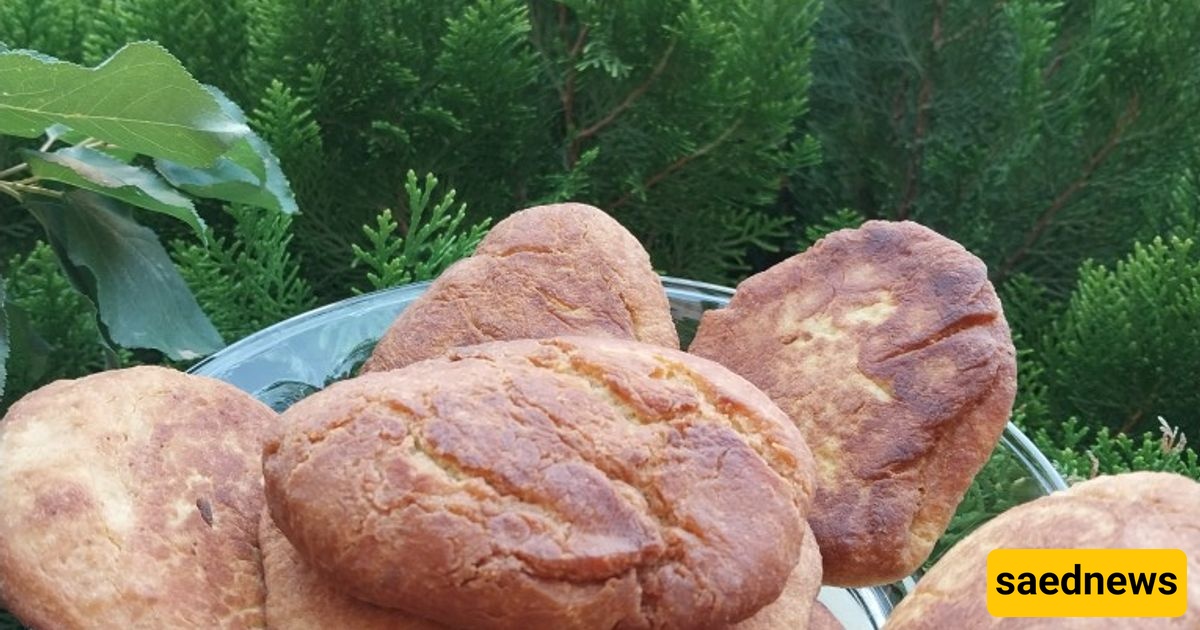
The main secrets to making fluffy Borsaq are:
Allowing enough resting time for the dough
Maintaining the correct dough thickness
Pouring hot oil over the surface while frying
These techniques help create a soft, airy, and delicious traditional bread.
Lorestan Borsaq, also known as Laki Borsaq, is very similar to the basic recipe, but these changes help create a more authentic flavor:
Use lukewarm milk instead of water for a softer texture.
Add a small amount of cardamom powder or cumin for a traditional aroma.
Some people add a small pinch of turmeric to give the bread a more golden color.
Roll the dough slightly thicker than the basic version to achieve a softer texture after frying.
Finally, sprinkle powdered sugar on top and serve with tea.
To prepare Borsaq in the Sanandaj style:
Add two tablespoons of yogurt to the dough to make it softer and more tender.
This version usually uses more milk instead of water.
After kneading, allow the dough to rest for about 2 hours until it becomes fully expanded and ready for cooking.
Unlike some recipes that aim for maximum puffiness, the Sanandaj method often involves making small holes on the surface with a fork before flipping the bread. This prevents excessive puffing and helps the inside cook completely.
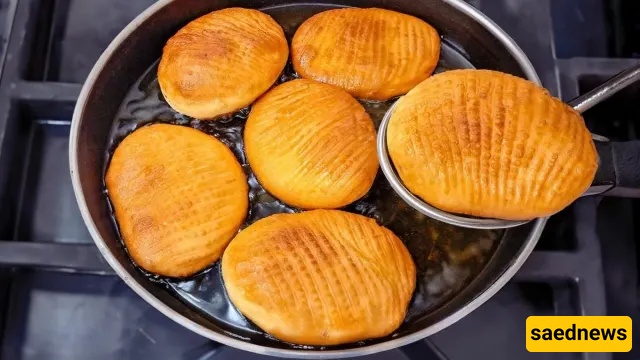
For Ilam-style Borsaq, make these changes:
Baking powder is often used instead of yeast, so the dough does not require fermentation time.
Traditional animal fat is used instead of vegetable oil, creating a richer traditional flavor.
Fennel seeds and a small amount of turmeric are commonly added for extra aroma.
In some local Ilam recipes, Borsaq is baked in the oven after being brushed with egg yolk instead of being fried.
Borsaq is more than just a traditional bread; it represents the culinary heritage of western Iran. Whether prepared in the Kurdish, Luri, Sanandaj, or Ilam style, this soft and flavorful bread remains a beloved homemade treat.
Each region has its own special techniques and ingredients, making every version of Borsaq unique. The best recipe is the one that matches your personal taste — whether simple, sweet, filled, fried, or oven-baked.