SAEDNEWS: Mash, Black-Eyed Pea & Whey Stew is a wholesome and traditional Persian soup made with mung beans, black-eyed peas, and tangy whey (kashk). Rich in flavor and packed with nutrients, this hearty dish is both satisfying and delicious, making it a comforting and well-balanced meal for any occasion.
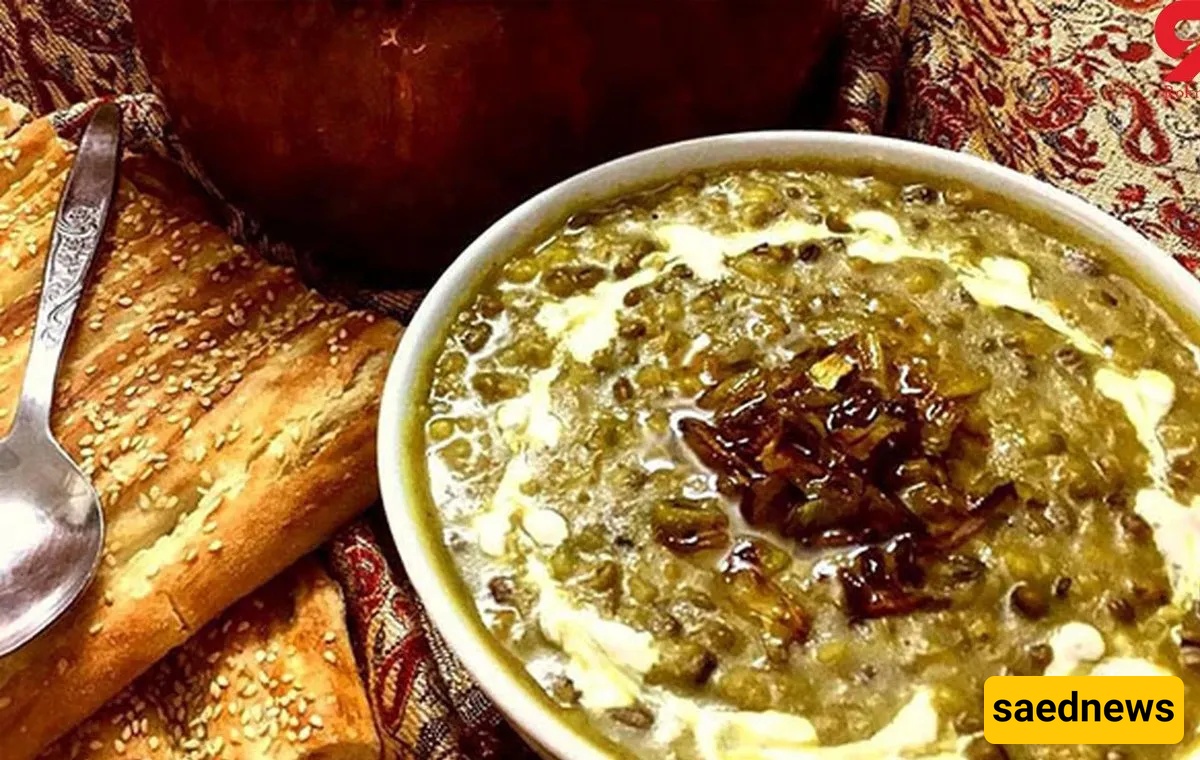
According tp Saednews, Ash is one of Iran's most beloved traditional comfort foods, with every region offering its own unique variation. From Ash Reshteh and Barley Ash to Kashk Ash and Tarkhineh Ash, these nourishing soups are a staple of Persian cuisine. Among them, Mung Bean and Black-Eyed Pea Ash stands out for its rich flavor and wholesome combination of legumes.
This hearty soup is not only delicious but also highly nutritious. Mung beans are packed with protein, iron, fiber, and essential vitamins, making this recipe an excellent choice for a satisfying family meal. If you're looking to prepare an authentic Persian ash with a rich texture and unforgettable taste, this step-by-step guide has everything you need.
1 cup mung beans
1 cup black-eyed peas
½ cup broken or short-grain rice
1 cup mixed Persian herbs (leeks, cilantro, parsley, spinach or Swiss chard leaves)
2 heaping tablespoons kashk (fermented whey)
2 large onions
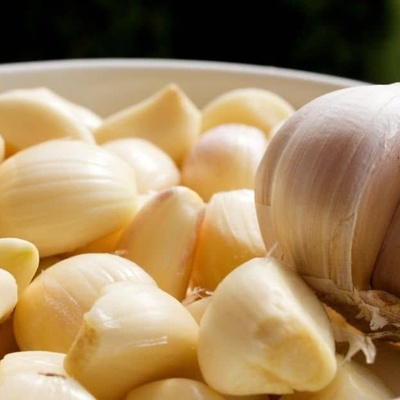
1 tablespoon grated garlic
1 tablespoon dried mint
1 tablespoon dried tarragon
Salt, black pepper, and turmeric to taste
Vegetable oil as needed
Fried onions
Fried mint
Fried garlic
Extra kashk
Finely chop one onion. Heat a little oil in a large pot over medium heat and sauté the onion until it becomes soft and golden. Add salt, black pepper, turmeric, dried mint, and dried tarragon. Stir for about 30 seconds until the spices release their aroma.
Add the soaked mung beans, black-eyed peas, and broken rice to the pot. Stir everything together for about one minute.
Pour in approximately 3 cups of boiling water, cover the pot, and reduce the heat to low. Let the soup simmer gently for about 1½ hours until the legumes and rice become completely tender and create a naturally creamy consistency.
Stir occasionally to prevent sticking. If the soup becomes too thick during cooking, simply add a little more boiling water.
Finely chop the remaining onion and sauté it in a little oil until golden. Add the grated garlic and cook for another 30 seconds.
Stir in the dried mint, then immediately add the kashk, mixing continuously. Cook for about one minute before adding this mixture to the soup.
Stir well and allow the ash to simmer for another 30 minutes so all the flavors blend together beautifully.
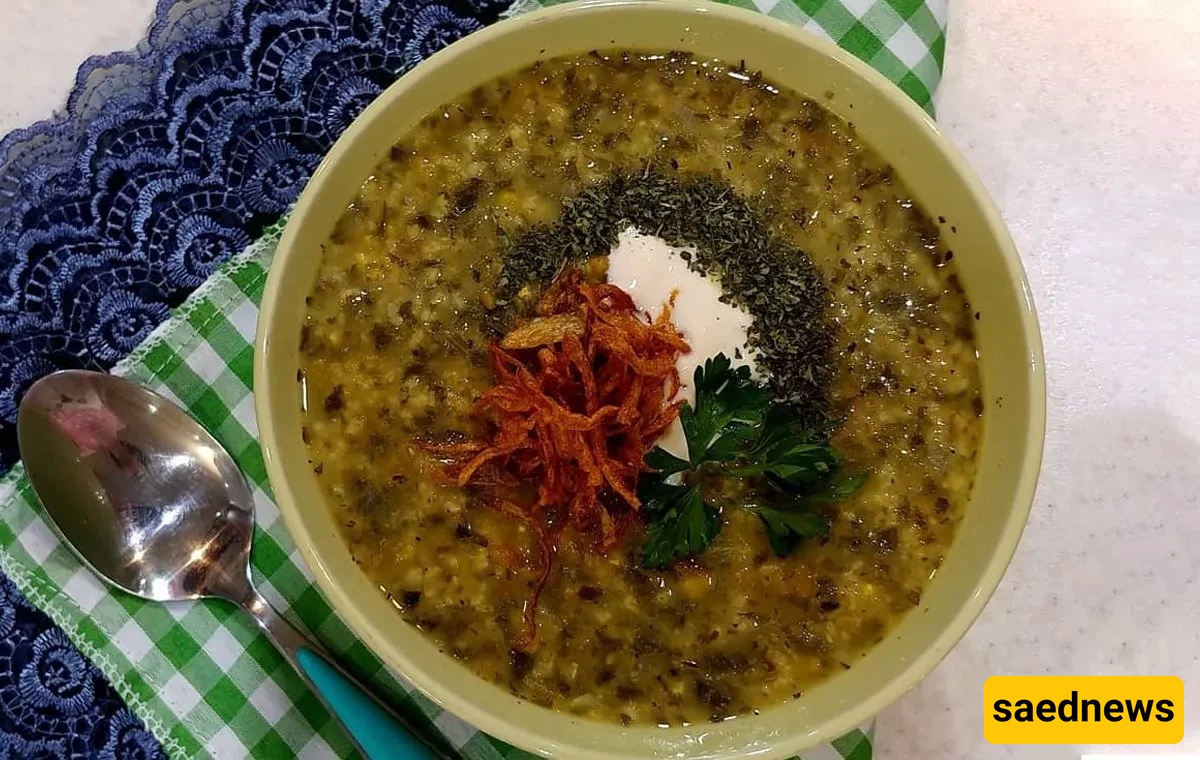
Ladle the hot soup into serving bowls and garnish with extra kashk, fried onions, fried mint, and fried garlic.
Serve warm and enjoy this authentic Persian comfort food.
Mung beans originated in the Indian subcontinent but are widely cultivated in Iran as well. They are an excellent source of plant-based protein, providing around 16 grams of protein per cup.
Some older or lower-quality mung beans may remain tough even after long cooking. To avoid disappointment, boil a small batch beforehand to ensure they soften properly.
While the legumes provide body, the herbs create the signature aroma and flavor of this traditional soup.
The ideal herb mixture contains equal portions of:
Leeks
Cilantro
Parsley
Spinach or Swiss chard leaves
Chop the herbs slightly larger than you would for a typical stew. This helps them retain their texture while blending perfectly into the soup.
Perfect fried onions add both flavor and texture to Persian ash.
Slice the onions as thinly as possible and fry them in plenty of hot oil so they float freely while cooking. Avoid overcrowding the pan, as this lowers the oil temperature and prevents even browning.
Once golden and crisp, transfer the onions to a wire rack or paper towel to drain excess oil. Spread them out in a single layer to cool completely.
For the crispiest results, never place freshly fried onions on top of previously cooled ones, as the trapped steam will soften them.
Mung Bean and Black-Eyed Pea Ash is a nourishing Persian soup that combines hearty legumes, fragrant herbs, creamy kashk, and aromatic fried toppings into one comforting dish. Whether served during family gatherings, special occasions, or on a chilly evening, this traditional recipe offers a perfect balance of flavor, nutrition, and authentic Iranian home cooking.