SAEDNEWS: Peanut butter is a nutritious food that, by following a few simple storage guidelines, allows you to enjoy its full flavor and nutritional benefits for a long time.
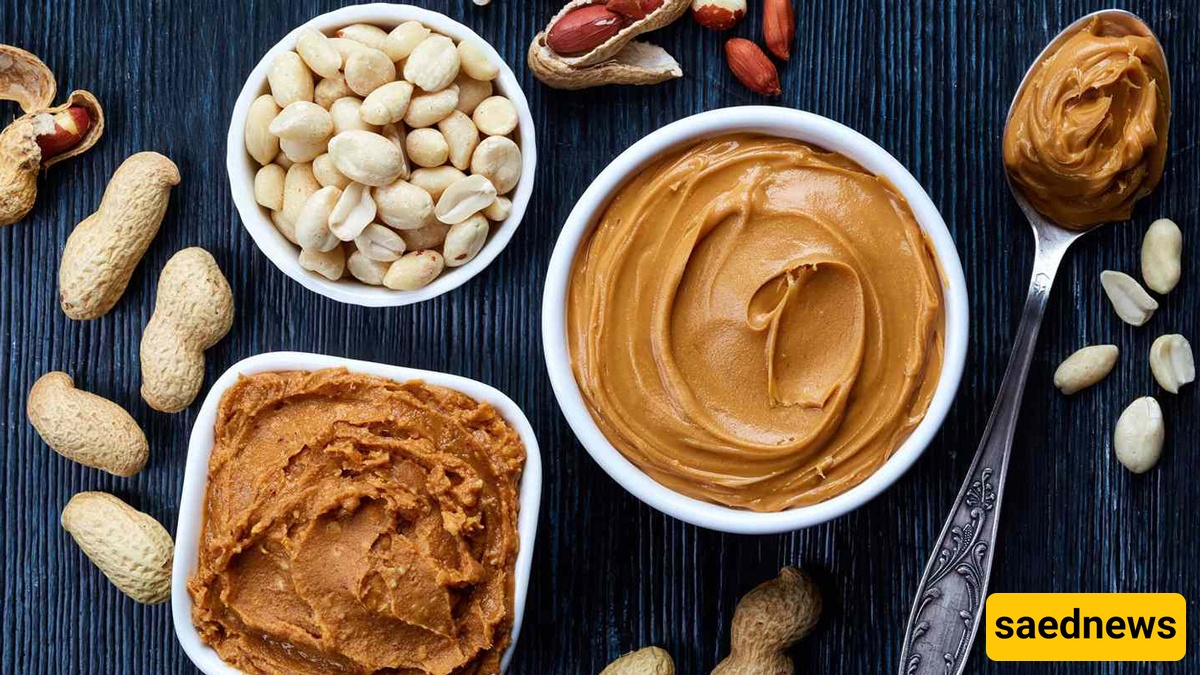
According to Saednews, Peanut butter is one of the most popular and widely consumed foods in many of our diets, from athletes to parents looking for an energizing breakfast or snack. However, due to its natural fat content and sensitivity to heat, proper storage of peanut butter is very important.
This article is a complete guide that answers all your questions about how to store peanut butter. We will explore whether this product goes bad, how it should be kept at different temperatures, and how to identify spoiled peanut butter. Our goal is to help you maximize its shelf life with full awareness.
Although peanut butter does not spoil as quickly as many other foods, it is not shelf-stable forever and will eventually go bad. Because it has very low water content, it is not a suitable environment for rapid bacterial growth. Therefore, the main concern is not bacteria or pathogens, but a process called oxidation.

Natural peanut butter, due to its higher purity, is more prone to oxidation, especially when exposed to heat or light. In contrast, some commercial brands contain hydrogenated oils or stabilizers, which slow down oxidation, but even these products will lose quality if stored improperly.
Detecting spoiled peanut butter can be somewhat tricky. The first sign is usually a change in taste. The texture may become dry or very hard, and oil separation may occur. However, these changes do not always mean the product is fully spoiled. If the taste becomes sour, metallic, or bitter, it should be discarded immediately.
Understanding that the main goal of proper storage is to prevent fat oxidation helps you make better choices. The cooler, darker, and more airtight the environment, the slower the oxidation process, allowing you to maintain quality for a longer time.
Proper storage depends on the type of peanut butter (natural or processed) and how quickly you plan to consume it. Generally, there are two main storage options: the pantry (room temperature) and the refrigerator.
Commercial peanut butters containing stabilizers or hydrogenated oils can be stored in a cool, dry pantry for several months. This helps maintain a soft and consistent texture. However, the lid should always be tightly closed to prevent air exposure.
Natural peanut butters are different. Since they contain more natural oils and no preservatives, they should be stored in the refrigerator after opening. Refrigeration prevents oil separation and significantly slows oxidation.

For long-term storage, or if you have a large amount you will not consume soon, the freezer is the best option. Store peanut butter in an airtight container and it can be kept for up to one year. Before use, allow it to thaw gradually in the refrigerator or at room temperature.
A very important tip in all storage methods is to always use a clean and dry spoon. Introducing moisture, bread crumbs, or other food particles can lead to mold growth and significantly reduce shelf life.
Many people worry about how to tell whether peanut butter stored in the pantry or refrigerator is still safe to eat. Spoilage is less about bacterial growth and more about fat oxidation, which affects taste, smell, and appearance. Although peanut butter has a long shelf life, its warning signs should not be ignored.
The first and most reliable sign of spoilage is a bad smell. Fresh peanut butter has a sweet, roasted peanut aroma. If it smells sour, sharp, or like old oil, it indicates severe oxidation, and it should be discarded immediately.
Although mold in peanut butter is rare, any green, gray, or black spots indicate contamination. A general darkening or yellowing may also signal severe oxidation and poor storage conditions.
If the smell seems normal, a small taste test can help. A bitter, sour, or sharp metallic flavor is a clear sign that the fats have gone rancid and the product is no longer safe to consume.
Hardening in the refrigerator is normal, but if peanut butter becomes overly dry or stiff even at room temperature, it may indicate that oxidation is progressing and quality is declining. This alone does not always mean full spoilage, but it is a warning sign.