SAEDNEWS: Darkening of tomato paste is one of the common problems in kitchens. It has scientific causes such as oxidation, high heat, and unsuitable pH levels.
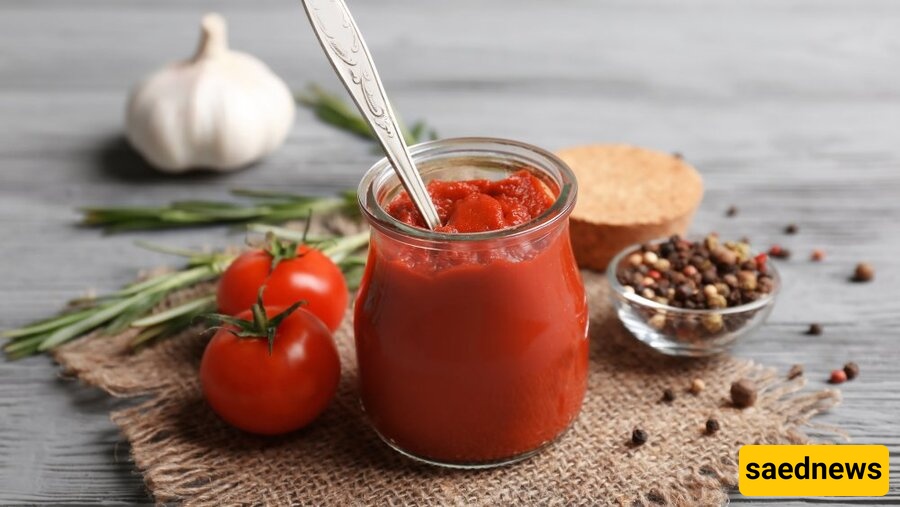
According to Saednews, Tomato paste is one of the most widely used condiments in Iranian and international cuisine. Its bright red and attractive color is considered a sign of quality, freshness, and purity. However, many people face the problem that tomato paste becomes darker over time or loses its color during cooking. This color change affects the appearance of food and may indicate a reduction in product quality or even spoilage. In this comprehensive article, we examine the scientific reasons behind tomato paste darkening, the factors influencing it, and practical ways to prevent this phenomenon.
Tomato paste is produced by concentrating the juice of fresh tomatoes. It is rich in lycopene, vitamin C, potassium, and antioxidants. The attractive red color of tomato paste is mainly due to a pigment called lycopene, which is a powerful antioxidant. However, several factors can degrade this pigment and lead to darkening. Understanding these factors helps in producing higher-quality products and reducing nutrient loss.
One of the most important causes of tomato paste darkening is oxidation. Lycopene and other pigments in tomatoes are oxidized when exposed to air, leading to their breakdown. This process is similar to the browning of an apple or potato after being cut.
When tomato paste is exposed to air, oxygen reacts with lycopene molecules, turning the color dark brown.
Solution: Store tomato paste in airtight containers and fill them as much as possible to minimize air contact. You can also place a thin layer of oil on the surface to prevent direct exposure to oxygen.
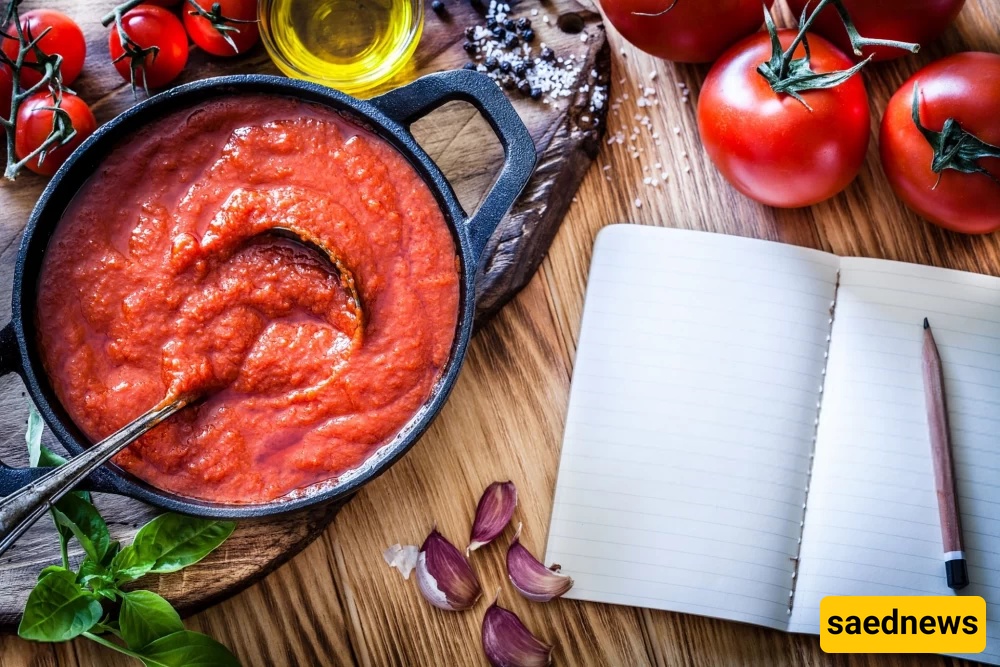
High temperatures can damage tomato pigments. If tomato paste is cooked at very high temperatures (above 100°C) for a long time, lycopene and other pigments break down, causing the paste to turn brown or dark orange. This is more common in home cooking due to lack of temperature control.
Scientific note: Lycopene begins to degrade at around 180°C. Therefore, cooking at moderate temperatures (80–90°C) is ideal.
Solution: Cook tomato paste over low heat and avoid vigorous boiling. Using thick-bottomed pots helps distribute heat evenly.
The Maillard reaction is a chemical reaction between amino acids and reducing sugars that occurs at high temperatures. It causes browning and develops flavor in many foods (such as toasted bread or grilled meat). However, in tomato paste, it leads to unwanted darkening.
Tomatoes naturally contain sugars (glucose and fructose) and amino acids, so this reaction can occur during heating.
Solution: Control cooking temperature and avoid excessive heat. Adding a little lemon juice or citric acid can lower pH and reduce this reaction.
Tomatoes are naturally acidic (pH 4.2–4.6), which helps preserve color and prevent microbial growth. If the pH increases (becomes more alkaline), pigments become unstable and the color shifts toward dark brown or bluish tones. This usually happens when unripe tomatoes are used or alkaline substances (like baking soda) are added.
Solution: Use fully ripe tomatoes. If needed, add a few drops of lemon juice or citric acid to maintain proper acidity.
Metals such as iron, copper, and aluminum can react with tomato pigments and cause discoloration. Cooking or storing tomato paste in copper, aluminum, or iron containers may introduce metal ions that react with lycopene, resulting in dark color changes.
Solution: Use stainless steel, glass, or enamel containers. Avoid copper, aluminum, and iron cookware.
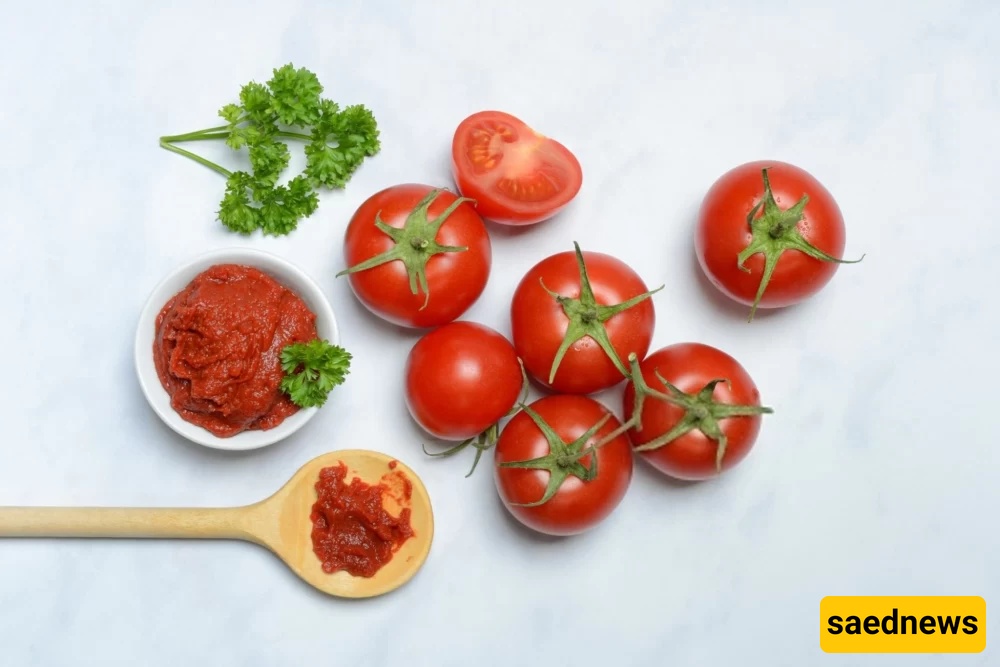
Not all tomatoes have the same lycopene and antioxidant content. Unripe or low-quality tomatoes contain less pigment and produce darker paste. Damaged or old tomatoes may also have enzymes that degrade pigments.
Solution: Use fully ripe, fresh, and red tomatoes—preferably seasonal and locally grown varieties.
Exposure to direct sunlight or fluorescent light can degrade lycopene and cause darkening. Ultraviolet (UV) radiation accelerates oxidation.
Solution: Store tomato paste in dark containers or in cool, dark places such as cupboards or pantries. Avoid direct sunlight exposure.
Even properly prepared tomato paste can gradually darken if stored at high temperatures or under poor conditions. Temperatures above 25°C increase chemical reaction rates and accelerate pigment degradation.
Solution: Store tomato paste in a refrigerator (4–8°C) or freezer. Once opened, it can be kept for up to 2 weeks in the refrigerator and up to 6 months in the freezer.
Whether darkened tomato paste is safe depends on the cause:
If darkening is due to surface oxidation only (top layer dark but no sour smell), you can remove the dark layer and use the rest. It is not harmful.
If darkening is accompanied by sour smell, mold, bubbles, or texture changes, it indicates microbial spoilage and should be discarded.
If darkening results from high heat or overcooking, it is safe to consume but has reduced nutritional value (especially lycopene).
Use fully ripe, red, and fresh tomatoes.
Wash and disinfect tomatoes thoroughly.
Cook at controlled low temperatures (80–90°C).
Stir regularly to prevent burning.
Add lemon juice or citric acid at the end of cooking.
Use stainless steel or enamel cookware.
Store in airtight containers.
Fill containers completely to reduce air exposure.
Add a thin layer of oil on top to block oxygen.
Keep in a cool and dark place (refrigerator or freezer).
Label with production date and consume within 6 months.
Tomato paste darkening is a common phenomenon caused by oxidation, high heat, Maillard reaction, improper pH, metal contact, tomato quality, and storage conditions. By understanding these factors and following simple practices—such as using fresh ripe tomatoes, cooking at low temperatures, using proper containers, adding acidity, and storing correctly—you can maintain bright red, high-quality tomato paste.
Mild surface darkening due to oxidation is usually harmless and can be removed. However, if accompanied by signs of spoilage such as odor or mold, the product should not be consumed. By applying these scientific and practical guidelines, you can enjoy high-quality tomato paste with excellent color, taste, and nutritional benefits in your cooking.