SAEDNEWS: Some wounds heal quickly, while others take much longer because healing depends on factors such as blood circulation, nutrition, wound size, infection, and overall health. Understanding these factors can help support proper wound care and reduce delays in healing.
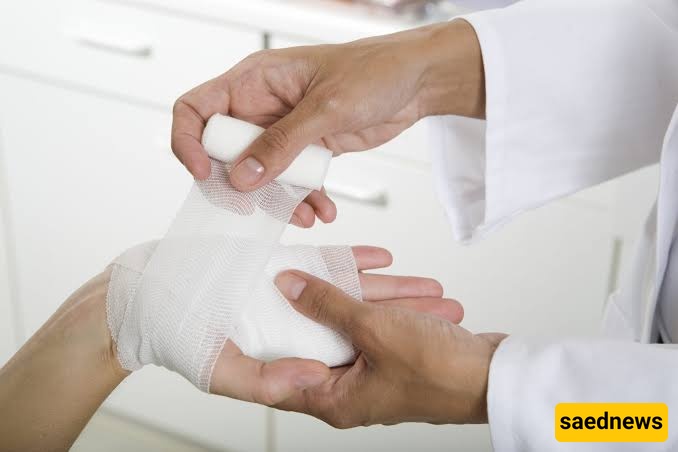
According to SAEDNEWS, wound healing is a natural process in which the body repairs damaged tissue. Small and clean wounds often heal within a short period, but deeper or larger wounds may require more time. The location of the wound can also matter because areas exposed to frequent movement or pressure may heal more slowly.
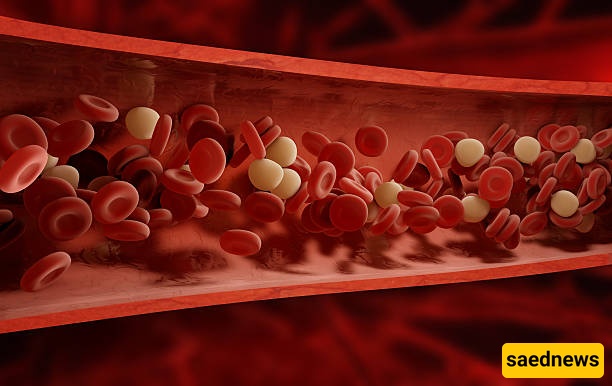
Good blood flow is essential for delivering oxygen and nutrients to damaged tissue. When circulation is reduced, the wound may not receive enough oxygen and nutrients to rebuild tissue efficiently. Conditions that affect blood vessels or prolonged pressure on an area can therefore contribute to slower healing.
The body needs adequate protein, vitamins, minerals, and fluids to produce new tissue and support the immune system. Insufficient intake of important nutrients may interfere with collagen production and other stages of repair. Eating a balanced diet with vegetables, fruits, whole grains, legumes, eggs, dairy products, and other nutritious foods can support the healing process.
A wound that becomes infected may take considerably longer to heal. Increasing redness, swelling, warmth, worsening pain, unusual discharge, or a persistent unpleasant odor can be warning signs. Keeping wounds clean and following appropriate wound-care instructions can help reduce the risk of infection.
Certain long-term health conditions can interfere with the body's ability to repair damaged tissue. Problems involving blood sugar control, circulation, or the immune system may slow different stages of healing. People with such conditions may need additional attention to wound care and should seek medical advice when a wound does not improve as expected.
Protecting a wound from repeated irritation, keeping it appropriately clean, and avoiding unnecessary picking or scratching can support recovery. A wound that continues to worsen, remains open for an unusually long time, or develops signs of infection should be evaluated by a healthcare professional. Early attention can help identify the reason for delayed healing and prevent complications.