SAEDNEWS: If you want to know whether turkey meat has a cold or hot nature and what its corrective foods are, follow this article to the end.

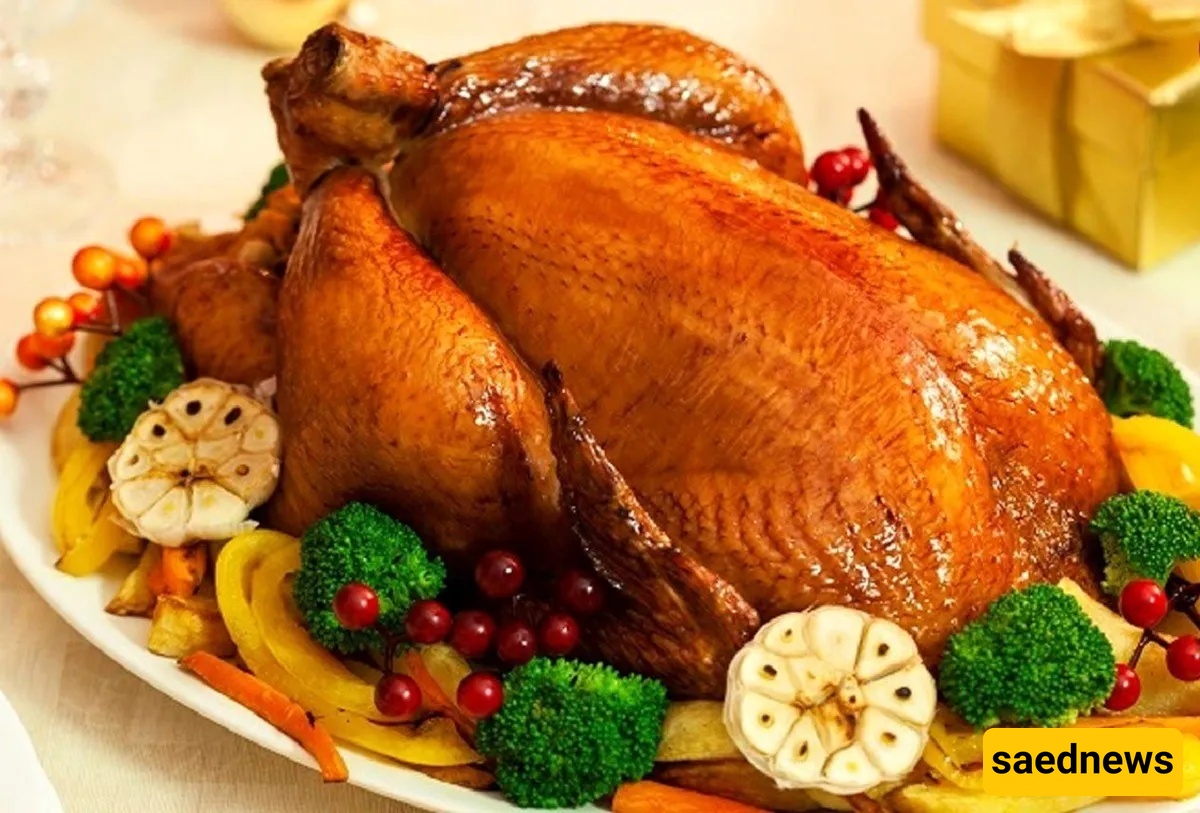
According to Saednews, Turkey is known as one of the native birds of North America and is very popular in Canada and the United States. Apart from its delicious taste, many people consider turkey meat a rich source of protein and nutrients.
However, this bird is not as popular on Iranian tables. Among the benefits of turkey meat are providing the body’s protein needs, improving intestinal function, and controlling blood sugar levels. In this article, we will introduce you to the temperament and benefits of turkey meat.
At first, you may wonder whether turkey meat is cold or warm, and for whom it is beneficial or harmful. In traditional medicine, it is stated that the temperament of turkey meat is warm and moist.
Therefore, this type of meat is very suitable for people with a melancholic temperament and can help balance their body constitution.
As mentioned above, turkey meat has a warm and moist nature. Its corrective foods include coriander and sumac, which are recommended by traditional medicine practitioners to be consumed along with turkey meat.
There are also other foods besides those mentioned that can be used as complementary items with turkey meat.

Turkey meat is rich in protein and micronutrients such as choline, selenium, zinc, B vitamins, and essential amino acids. Compared to lamb and beef, it has more health benefits. The most important benefits include:
Many people today experience stress and anxiety. Including turkey meat in the diet may help reduce stress, depression, and promote relaxation.
This is because turkey contains an essential amino acid called tryptophan, which increases the secretion of serotonin in the brain. Therefore, it can improve mood as well as reduce stress.
As mentioned, turkey consumption increases serotonin levels in the brain. Serotonin is a neurotransmitter that relaxes the body.
In addition, selenium and B vitamins in turkey strengthen the immune system and help improve sleep quality.
Another benefit of turkey meat is preventing anemia. Turkey is rich in iron, which increases red blood cell production and reduces the risk of anemia.
This is especially important for pregnant women, who are twice as likely to suffer from anemia and need more nutrients for both mother and fetus.
The protein in turkey meat meets the body’s needs and helps maintain muscle mass. Therefore, it is recommended for athletes, the elderly, and children.
Proper nutrition plays an important role in cardiovascular health. People with heart disease should avoid fatty meats. Turkey contains both red and white meat, and the white part has low cholesterol.
It is also rich in omega-3 fatty acids, which support heart health.
Therefore, it is recommended that people with heart disease replace high-fat meats with lean turkey meat.
Note that most of the fat in turkey is stored in its skin, so it should be removed before consumption.

One of the most important benefits of turkey meat is detoxification. Since toxins accumulate in the liver, consuming turkey may help prevent the accumulation of heavy metals such as lead and mercury.
Turkey meat contains no sugar, making it safe for people with diabetes.
Turkey is a rich source of protein and vitamin C, which supports collagen production. Collagen is important for healthy hair and nails and makes hair stronger and shinier.
Selenium in turkey meat reduces the risk of lung, bladder, stomach, and breast cancers. Antioxidants in turkey also help lower cancer risk.
Turkey meat is rich in vitamin D and calcium, which strengthen bones. Magnesium in turkey also helps improve calcium absorption.
Turkey is rich in selenium, which affects thyroid hormone secretion and regulates metabolism. People with hypothyroidism or hyperthyroidism are advised to consume lean parts of turkey.
Turkey meat supports brain health and cognitive function. It may improve learning in children and adolescents and help prevent Alzheimer’s in older adults.
Interestingly, the phosphorus content in turkey is about four times higher than shrimp, which also helps improve calcium absorption and memory.
Turkey has a low glycemic index, which helps create a long-lasting feeling of fullness. Therefore, it helps control both blood sugar and body weight.
Turkey meat is considered warm in traditional medicine.