SAEDNEWS: Pistachios, due to their high levels of unsaturated fats, spoil quickly. In this comprehensive article, we teach all the scientific and proper methods for storing different types of pistachios at home so you can enjoy their original taste and quality for months.
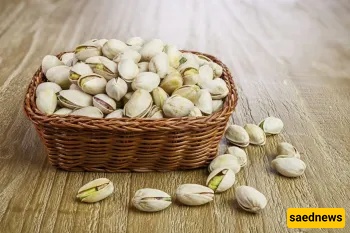
According to Saednews, Pistachio, this green and nutritious “green gold,” is one of the most popular and expensive nuts in the world. Iran, as one of the largest pistachio producers globally, exports a wide variety of this product to domestic and international markets every year. However, one of the main challenges for consumers is preserving the freshness, taste, and texture of pistachios over time.
Due to their high content of unsaturated fats, pistachios spoil relatively quickly and their flavor changes. In this comprehensive article, we explain all the scientific and practical methods for storing pistachios at home so you can enjoy their original taste and quality for months.
Pistachios contain a high amount of unsaturated fatty acids (healthy fats). These fats are highly sensitive to oxygen, light, and heat, and they oxidize quickly. Oxidation leads to a bitter taste and unpleasant odor in pistachios, a process known as rancidity.
Four main factors reduce pistachio quality:
Oxygen: causes fat oxidation
Light: especially direct sunlight, accelerates degradation
Heat: high temperatures speed up chemical reactions
Moisture: high humidity encourages mold and fungal growth
Color change from bright green to yellow or brown
Sour or paint-like smell
Bitter or sharp taste
Soft texture and loss of crunchiness
Presence of mold spots on shell or kernel
Pistachios with their natural shell last longer because the shell acts as a protective barrier against air exposure.
Storage methods:
Room temperature (15–20°C): up to 6 months
Refrigerator (4°C): up to 1 year
Freezer (-18°C): up to 2 years
Shelled pistachios spoil faster due to greater exposure to air.
Storage methods:
Room temperature: 1–2 months
Refrigerator: 6–8 months
Freezer: 1–1.5 years
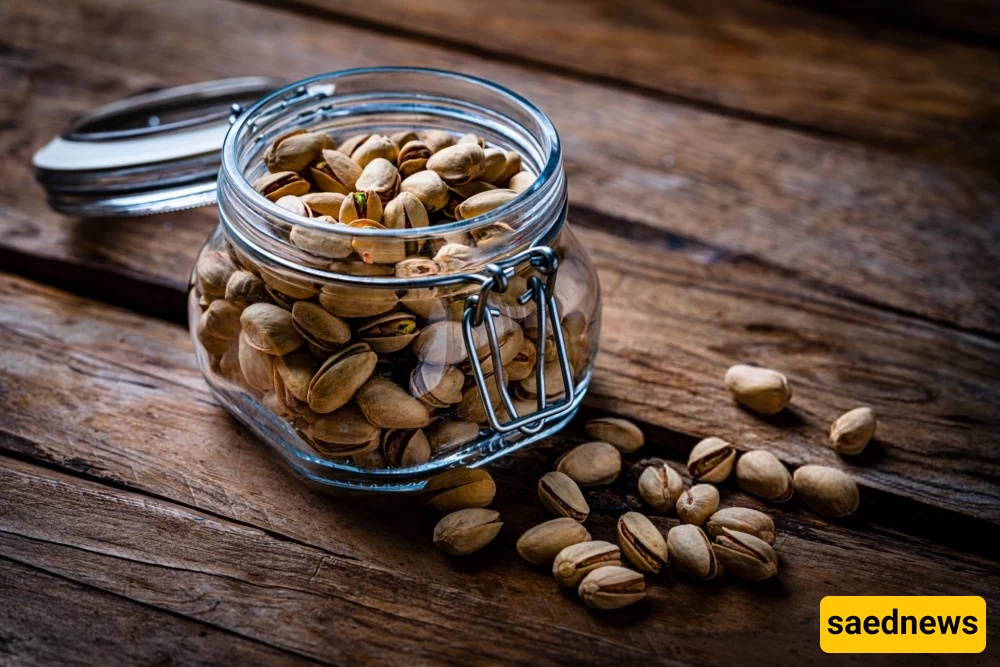
Processed pistachios (salted, roasted, flavored) last longer due to heat processing and salt, which acts as a natural preservative.
Storage methods:
Room temperature: 3–4 months
Refrigerator: 8–10 months
Freezer: 1.5–2 years
Green pistachios used in industrial and baking applications are the most sensitive type.
Storage method:
Must be stored in the freezer
Use freezer-safe bags
Shelf life: 6–8 months
Suitable for short-term storage (1–2 months).
Steps:
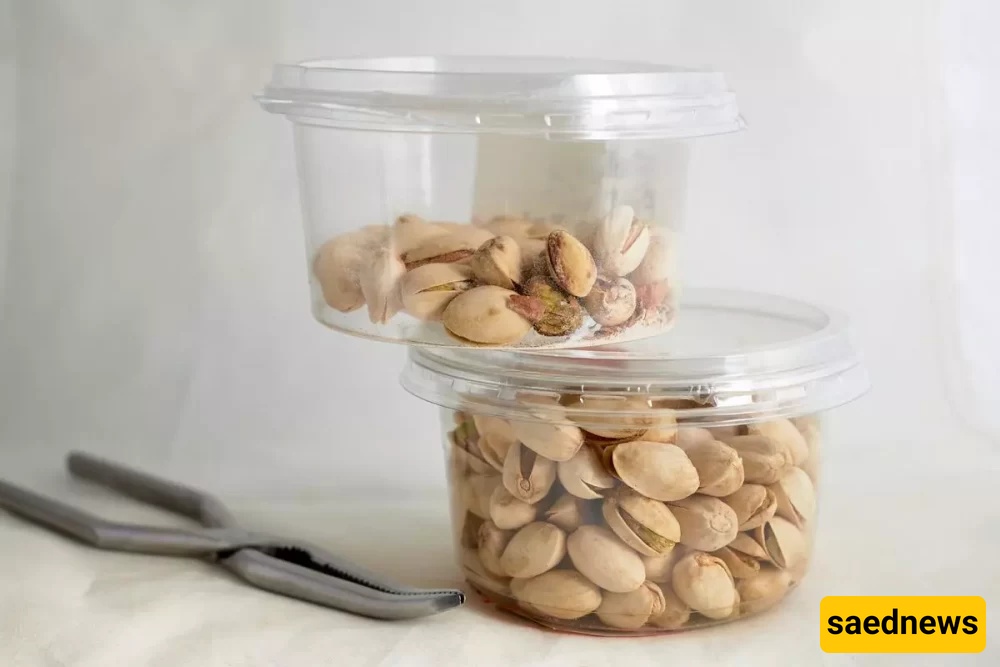
Place pistachios in a sealed glass container or thick plastic bag
Store in a cool, dry place away from sunlight
Avoid placing near stoves, heaters, or windows
Ideal temperature: 15–20°C
Important note: Not recommended in humid regions.
Best option for medium-term storage (6–12 months).
Steps:
Place pistachios in a zip-lock bag or airtight container
Remove as much air as possible
Store in the middle shelf of the refrigerator
Ideal temperature: 2–4°C
Important note: Avoid storing near strong-smelling foods (onions, garlic, fish), as pistachios absorb odors.
Best method for long-term storage (1–2 years).
Steps:
Place pistachios in freezer bags or airtight containers
Remove air as much as possible
Label with date
Store at -18°C or lower
Important note: Divide into small portions to avoid repeated thawing.
Advantages:
Impermeable to air and moisture
Reusable and washable
Transparent for easy viewing
Disadvantages:
Heavy and breakable
Takes more space
Advantages:
Lightweight and flexible
Air removal is possible
Affordable
Disadvantages:
May become permeable over long periods
Often single-use
Advantages:
Best option for long-term storage
Removes oxygen completely
Extends shelf life significantly
Disadvantages:
Requires a vacuum machine
Higher cost
Advantages:
Durable and strong
Blocks light exposure
Disadvantages:
Possible interaction with fats if not internally coated