SAEDNEWS :This article examines the factors that influence the softness of traditional local bread, along with practical tips for preparing dough and baking, as well as storage methods.
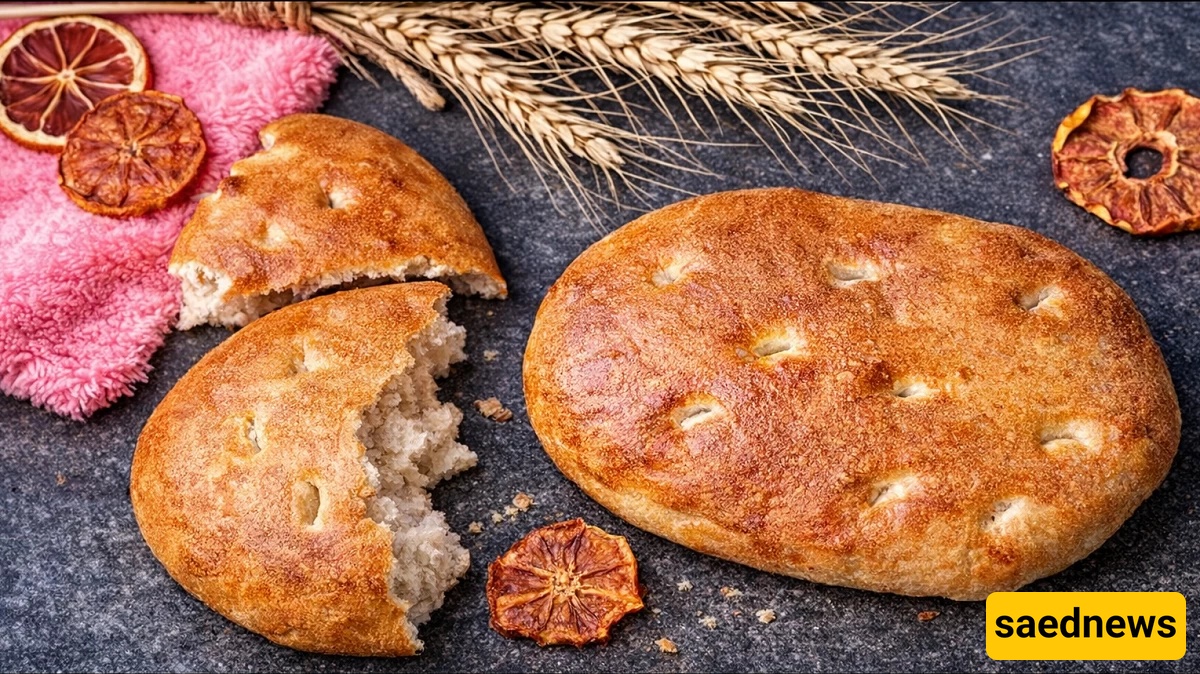
According to Saednews, How can local bread be made soft so it has a tender, fresh texture—one that reminds us of traditional rural breads and is a pleasant challenge for home bakers? Using suitable equipment, such as bakery machines, can simplify the process and produce more professional results.
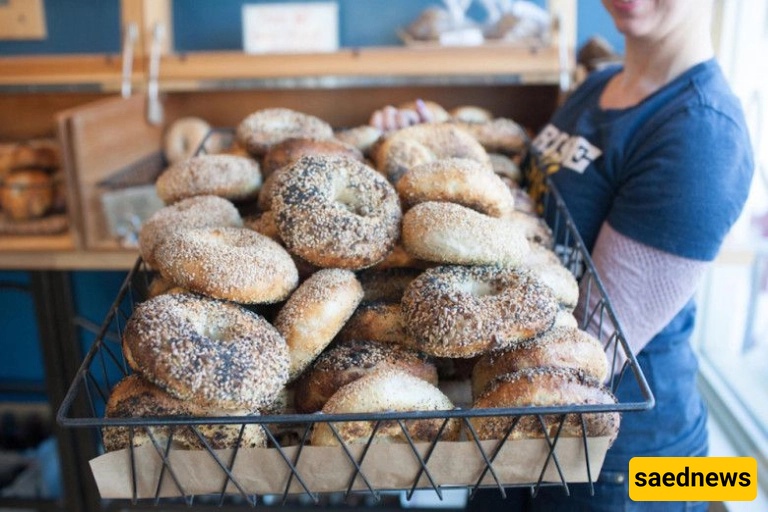
Understanding why bread becomes dry or hard is the first step to preventing it. The texture of local bread, often made with regional flour and traditional hand methods, is sensitive to small changes.
Various factors such as insufficient moisture in the dough, improper baking, or incorrect storage can cause bread to lose its softness. For example, if the oven or tandoor temperature is too high, internal moisture evaporates quickly, resulting in a hard texture.
This issue is common in traditional baking methods and can be challenging for home bakers seeking quality. In dry seasons, such as summer, the problem becomes more pronounced because lower humidity causes the dough to dry out faster.
One of the main reasons for hard bread is an unbalanced ratio of ingredients. If there is too little water, the dough becomes dry and the final bread turns out hard. On the other hand, too much water weakens the structure.
It is recommended to keep the flour-to-water ratio around 60:40 and use medium-protein flour (10–12%) to ensure proper gluten formation. For enriched breads, adding milk or oil can improve softness.
Key tips:
Choose the right flour: Medium bran local flour is ideal for traditional bread.
Use warm water: Water at 35–40°C activates yeast better and preserves moisture.
Natural additives: A little honey or sugar helps fermentation and softens the bread.
Dough test: The dough should not be too sticky or too stiff; adjust gradually if needed.
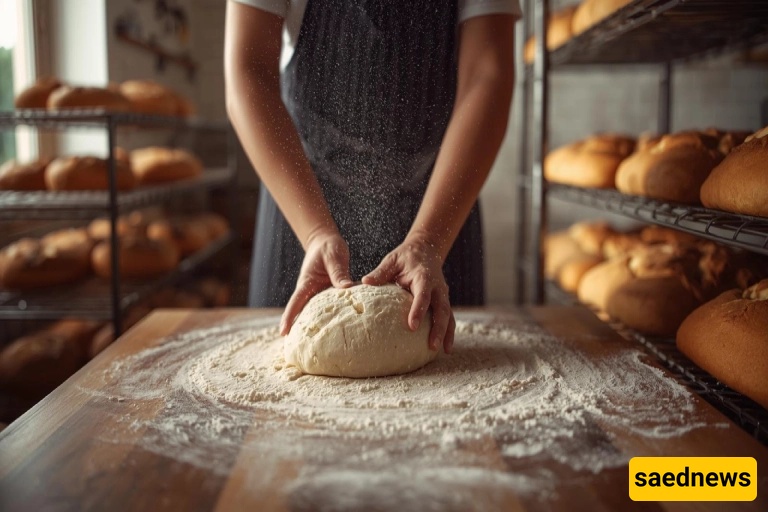
Not allowing enough resting time is a common mistake that leads to hard bread. Dough needs time for gluten to relax and gases to distribute evenly. At least 30–60 minutes of resting in a warm environment (around 25°C) is necessary.
In colder seasons, more time may be required. Cover the dough with a damp cloth or plastic wrap and keep it in a warm, draft-free place.
The absence of steam during baking can dry out bread. Steam helps retain moisture and creates a softer crust. In traditional ovens, placing a container of water inside or spraying water helps.
At home, a tray of hot water in the oven can generate steam. In professional settings, steam-controlled ovens produce better results.
Benefits of steam:
Maintains internal moisture
Creates a softer crust
Improves bread volume
Enhances aroma and flavor
To make homemade bread soft and fresh, enrich the dough with ingredients like milk or honey. Knead for 8–10 minutes and allow proper resting.
Bake at a moderate temperature (180–200°C) and ensure steam is present. Adding eggs or butter can also improve softness and nutritional value.
Steps:
Mix flour, warm water, and yeast
Knead for 5 minutes
Add salt and oil
Bake in a preheated oven with steam
Cool on a rack to prevent trapped moisture
Lavash bread dries quickly due to its thinness. Adding olive oil to the dough and baking at high heat for a short time is recommended.
After baking, wrap the bread in a damp cloth to retain moisture. If it dries out, lightly spray with water and reheat.
Tips:
Roll dough thin but not torn
Bake for 1–2 minutes only
Store in plastic with slight moisture
Refresh with water and heat if needed
Incorrect storage often causes bread to dry quickly. Leaving it uncovered or placing it directly in the refrigerator removes moisture. Instead, use cloth bags or wooden boxes.
Do not cut bread before it has fully cooled, as this releases internal moisture. For long-term storage, freezing is recommended.
Common mistakes:
Leaving bread exposed to air
Placing directly in the fridge
Cutting while still hot
Not freezing for long storage
Method | Description | Advantages | Disadvantages |
|---|---|---|---|
Adding milk to dough | Replacing part of water with milk | Softer texture, better taste, more nutritious | Higher calories, not suitable for lactose intolerance |
Using steam in baking | Creating steam in oven/tandoor | Moisture retention, soft crust, better rise | Requires equipment, extra preparation |
Cloth storage | Wrapping bread in cloth | Prevents drying, cheap and easy | Short-term use only, risk of mold |
Freezing | Storing in airtight freezer bags | Long storage (up to 3 months) | Needs reheating, slight texture change |
The secret to soft and tender local bread lies in proper hydration, sufficient resting time, steam during baking, and correct storage methods. By following these simple principles, homemade bread can remain fresh, soft, and delicious for longer periods.