SAEDNEWS: If you have used too much pepper while cooking, you can reduce the spiciness of the food using some other ingredients mentioned in this article from Saed News.
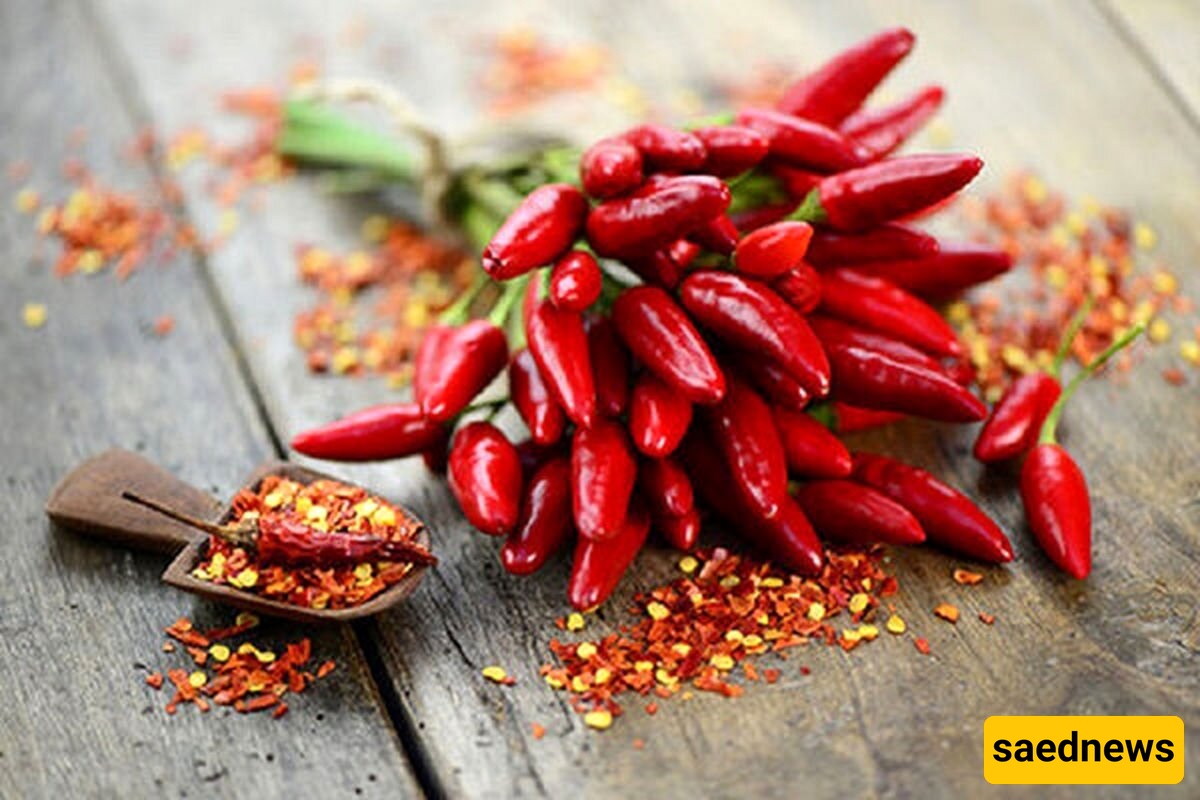
According to Saednews, One of the secrets of Iranian home cooks for making delicious food is adding the right amount of spices and seasonings. However, sometimes due to distraction, inexperience in cooking, or other reasons, people may use too much chili pepper and hot spices in their dishes.
Capsaicin is the compound found in chili peppers that creates their heat and adds flavor to food. It can also cause a strong burning sensation that may last for several minutes or even hours.
Read this section on lifestyle and home-cooking tips to learn how to reduce the heat in your food:
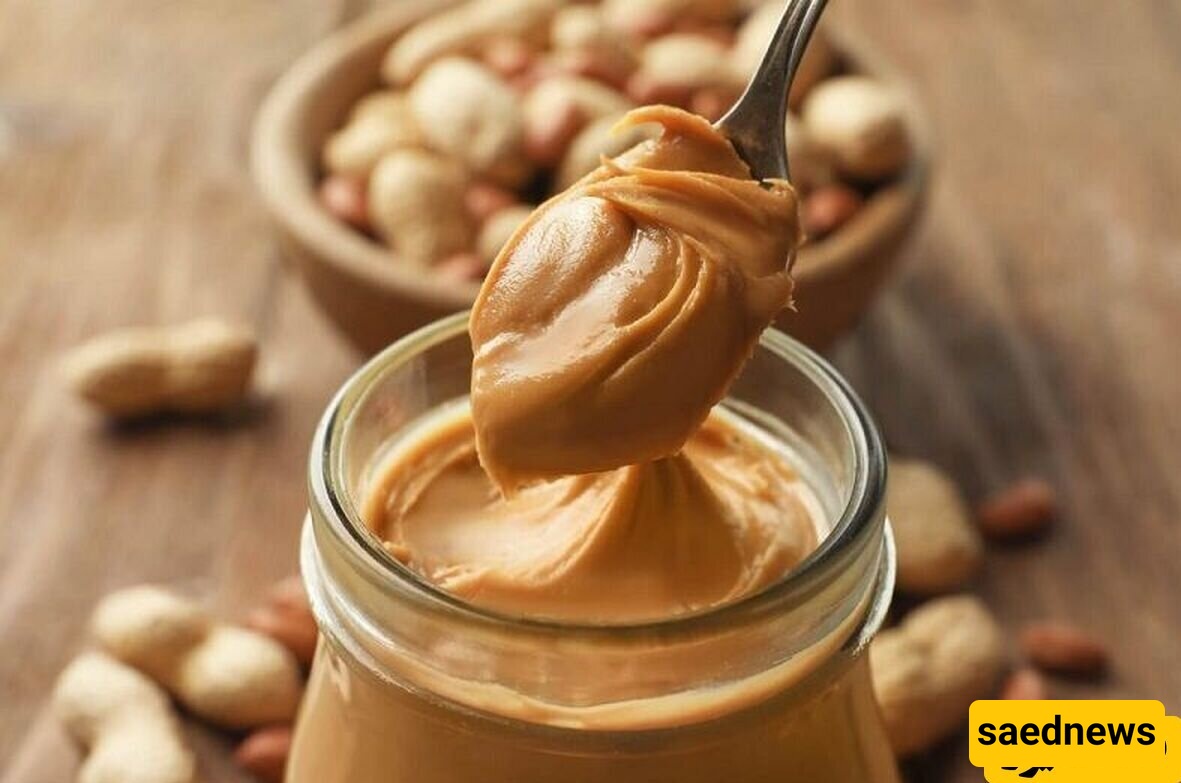
Peanut butter is rich in monounsaturated fats and nutrients. These fats help prevent capsaicin from binding to nerve receptors on the tongue, thereby reducing the sensation of spiciness. Peanut butter can also be consumed with foods such as fruits, celery, jelly, and more.
To reduce spiciness during cooking, you can add sweeteners such as sugar or honey. This helps balance and neutralize the spicy taste. However, this method should be used carefully in some dishes to preserve their original flavor and aroma.

During cooking, adding sour ingredients such as fresh lemon juice, apple cider vinegar, grape vinegar, or verjuice can help reduce excessive spiciness by blending with the dish. However, because sour ingredients change the original taste, they are not suitable for all types of food.

One effective method to reduce spiciness is to increase the quantity of ingredients in the dish while it is cooking. This dilutes the spice level, but it requires enough time to prepare additional ingredients.
Adding tomatoes or tomato juice can help reduce spiciness. The acidity of tomatoes helps balance and soften the hot flavor of the dish.
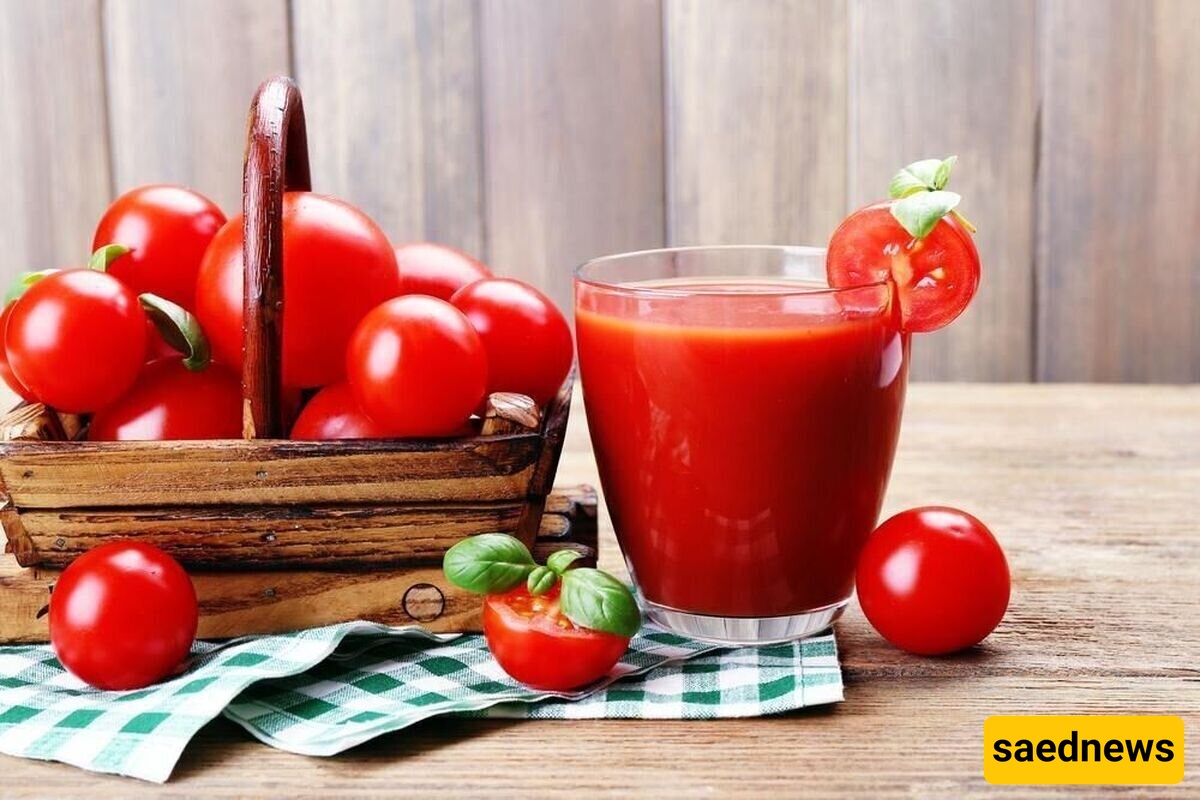
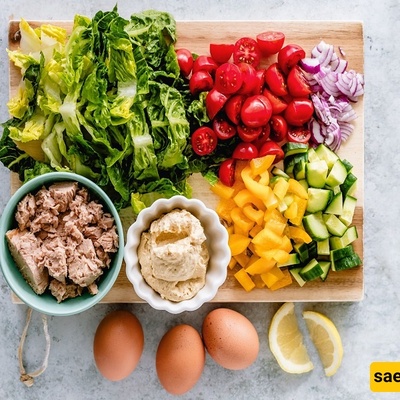
To reduce spiciness, you can also use ingredients such as vegetables, potatoes, bell peppers, meat, legumes, broccoli, and others to dilute the heat.
Adding high-fat dairy products to spicy foods—such as milk in a sauce—helps dissolve capsaicin and reduce heat.
Adding salt or eating salty foods alongside spicy dishes may also help reduce spiciness. However, people with high blood pressure should avoid this method.
If fresh chili peppers are the main cause of spiciness, removing them from the dish before full cooking can help prevent the heat from increasing.
When you eat spicy food or hot peppers, your mouth may feel a burning sensation. Here are ways to reduce it:
Eat dairy products such as sour cream, milk, cheese, or ice cream, which help dissolve capsaicin and reduce burning.
Eat fatty foods or swish a small amount of oil in your mouth and spit it out.
Consume a spoon of peanut butter or honey.
Eat acidic foods such as lemon or tomatoes to neutralize capsaicin.
Eat starchy foods, which absorb excess capsaicin.
If you touch hot peppers, you can reduce the burning sensation in your hands by:
Washing hands with dishwashing liquid.
Rubbing vegetable oil or butter on your hands to help remove capsaicin.
Washing hands with diluted bleach solution.

If your mouth burns after eating spicy food or chili, avoid drinking ice water, as it can spread capsaicin and worsen the burning sensation. Alcoholic drinks, coffee, and soda also do not relieve the burning and may intensify the effect of capsaicin.