SAEDNEWS: Extra virgin olive oil is extracted from fresh olives without the use of heat or chemical processing and has the natural taste and aroma of olives. This type of oil usually has an acidity level of less than 2 percent.
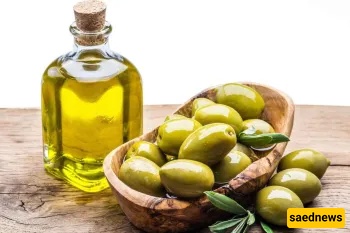
According to Saednews, If you have ever looked at grocery store shelves, you have probably come across the term “virgin” on olive oil bottles. You may have wondered what exactly this word means and how virgin olive oil differs from regular or extra virgin olive oil. In this article, we explain these questions in simple language and introduce you to the world of virgin olive oil.
Virgin olive oil is oil that is extracted directly from fresh olives using only physical and mechanical methods (such as cold pressing). In this process, no chemicals or high heat are used, and the oil is not further refined or processed after extraction. For this reason, virgin olive oil retains all the beneficial compounds and the natural flavor of olives.
According to the standards of the International Olive Council, virgin olive oils are classified into several categories based on acidity (free fatty acids) and sensory characteristics:
Extra Virgin Olive Oil: Highest quality, with acidity not exceeding 0.8%. It has an excellent fruity taste and aroma, with no sensory defects.
Virgin Olive Oil: Acidity up to 2%. It may have very slight sensory defects but is still considered a high-quality, natural oil.
Ordinary Virgin Olive Oil: Acidity up to 3.3%. It is usually not sold directly to consumers unless permitted by the destination country’s regulations.
Lampante Olive Oil: Low-quality oil with acidity above 3.3%. It is not suitable for direct consumption and must be refined.
So, when you see “virgin olive oil” on a bottle, it means you are dealing with a natural, unrefined oil that ranks second in quality after extra virgin olive oil.
The production of virgin olive oil is a simple but delicate process. First, fresh olives are harvested and washed. Then they are crushed along with their pits to form a uniform paste. This paste is then gently pressed or processed using a centrifuge to separate the oil.
The key point is that throughout the process, the temperature does not exceed 27°C (the meaning of “cold pressing”), and no chemicals are used. As a result, virgin olive oil preserves all its micronutrients, antioxidants, and natural olive flavor.
You may have heard that olive oil is a key component of the Mediterranean diet, which is associated with a reduced risk of heart disease and stroke. Scientific research shows that regular consumption of virgin olive oil (including extra virgin and virgin types) can support cardiovascular health, blood sugar control, and reduced inflammation.
But what is behind these benefits?
Virgin olive oil is rich in beneficial compounds, including:
Monounsaturated fats: Mainly oleic acid, which helps regulate blood cholesterol levels.
Polyphenols: Powerful plant antioxidants and anti-inflammatory compounds that help prevent cellular damage and chronic diseases.
Squalene, phytosterols, and tocopherols (Vitamin E): These support immune function, skin health, and help prevent oxidation of LDL (“bad” cholesterol).
It is interesting to note that the European Food Safety Authority has confirmed that olive oil polyphenols help protect blood lipids from oxidative damage, provided that at least 5 mg of hydroxytyrosol and its derivatives are consumed daily through olive oil.
Virgin olive oil is a natural, living product, and if it is not stored properly, it gradually loses its quality and benefits. To preserve its freshness and nutritional value, follow these simple recommendations:
Keep away from light: Store it in a dark glass bottle or metal container, and avoid exposure to direct sunlight or strong artificial light.
Keep away from heat: The ideal storage temperature is between 14–18°C. A cool, dark kitchen cabinet away from the stove or heater is best.
Keep the container sealed: After each use, close the bottle tightly to minimize contact with air.
Use within a reasonable time: Generally, virgin olive oil is usable for 18–24 months after harvest (if unopened). Once opened, it is best consumed within 1–2 months.