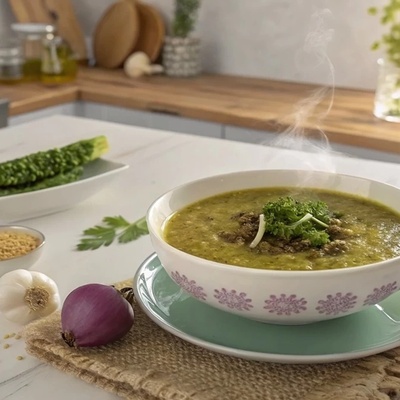
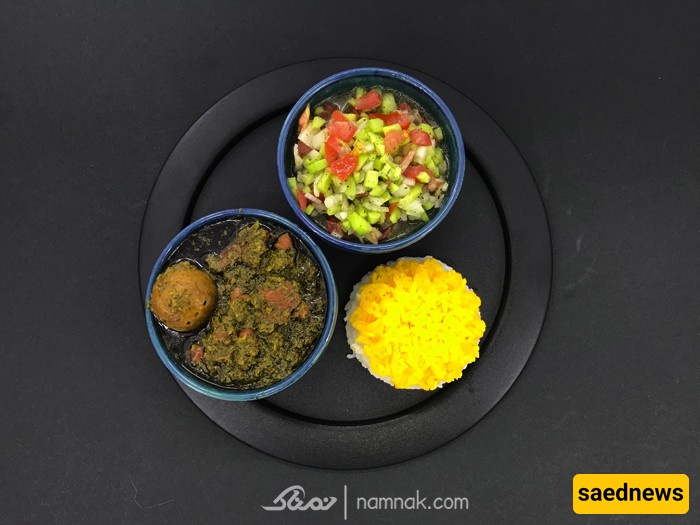
SAEDNEWS: Ghormeh Sabzi is one of the most beloved traditional dishes in Iran. It is prepared by combining ingredients such as meat, fresh herbs, beans, and other seasonings.
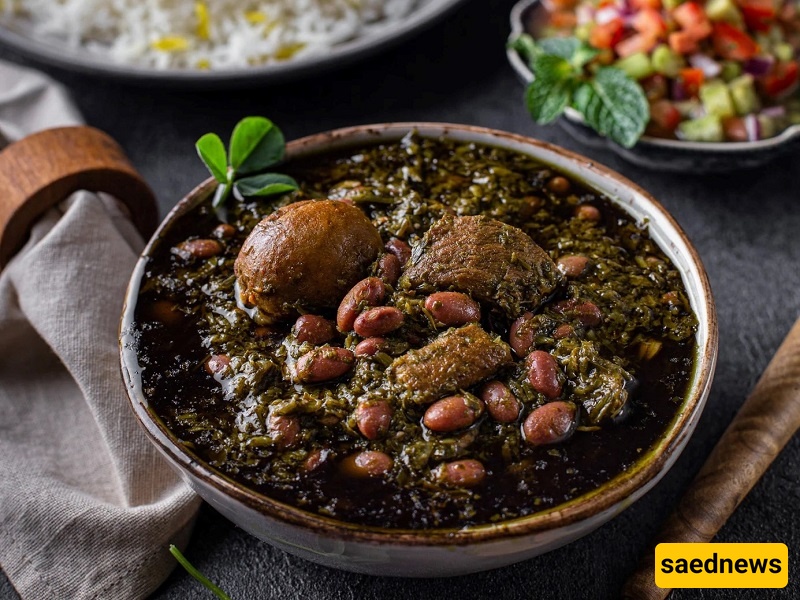
According to Saednews, Ghormeh Sabzi is one of the most traditional and beloved dishes in Iranian cuisine. It is prepared using a combination of fresh herbs and usually red meat, though chicken can also be used. The herbs typically include leek, parsley, coriander, fenugreek, and mint, which are finely chopped and cooked together with meat and spices.
Beyond its rich and delicious flavor, Ghormeh Sabzi is nutritious due to its herb content, providing vitamins, minerals, antioxidants, and dietary fiber. It is usually served with white rice or flatbread. Its flavor and color can be adjusted by adding tomato paste or lemon juice.
Since it takes a long time to cook, it is often prepared in advance and stored in the freezer for later use.
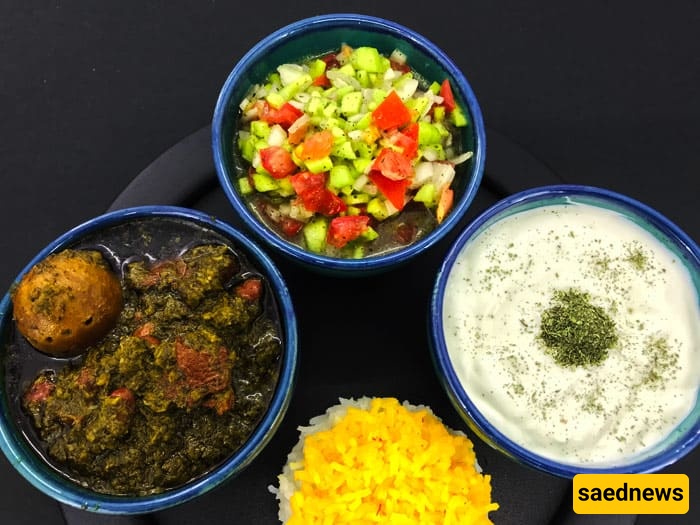
Ghormeh Sabzi has deep roots in Iranian culinary tradition and dates back centuries. It has long existed in both rural and urban communities.
Over time, the recipe has evolved. In its earliest form, it was a simple dish made with fresh herbs and meat. Later, cultural influences led to the addition of ingredients such as dried limes (limoo amani) and various spices, enhancing its aroma and taste.
Today, Ghormeh Sabzi is widely recognized not only in Iran but also in other countries. It is considered a symbol of Iranian food culture and is often served at celebrations, ceremonies, and special occasions.
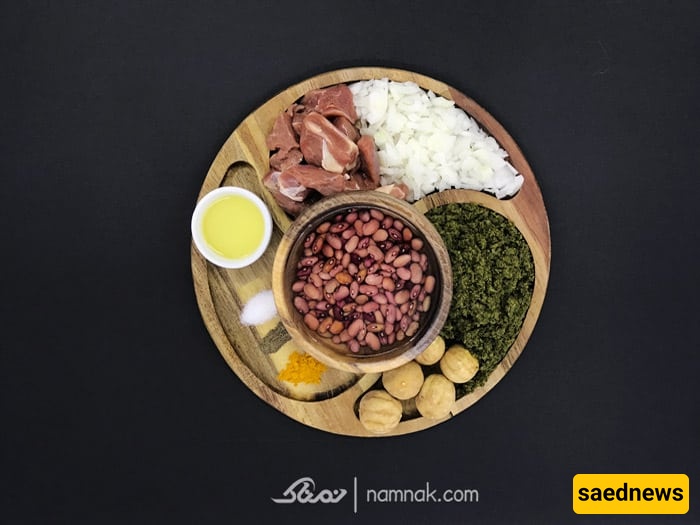
Ingredient | Amount |
|---|---|
Beef (shoulder, boneless) | 500 g |
Large onion | 1 |
Oil | 250 g |
Dried limes | 5–6 |
Red kidney beans | 1/2 cup |
Herb mix (Ghormeh Sabzi herbs) | 1 kg |
Turmeric | as needed |
Salt | as needed |
Black pepper | as needed |
Note 1: The herb mix includes leek, parsley, coriander, fenugreek, and mint.
Note 2: It is recommended to use boneless beef shoulder.
Cooking Instructions
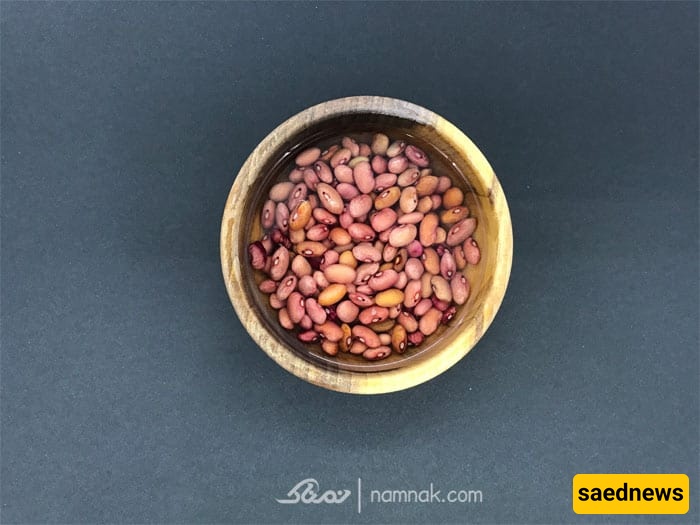
Soak the beans
The night before cooking, soak the beans in water and change the water several times to reduce bloating and soften them.
Prepare the meat and onion
Clean and cut the meat into stew-sized pieces. Finely chop or grate the onion.
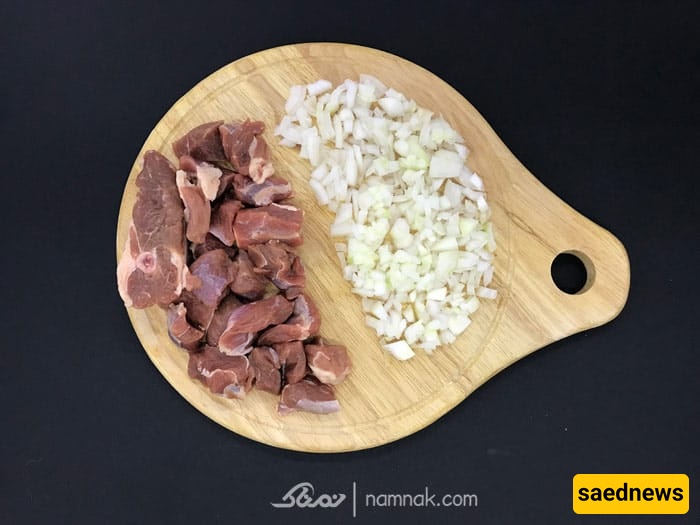
Sauté onion and meat
Heat oil in a pot, sauté the onion, then add the meat and cook until its color changes.
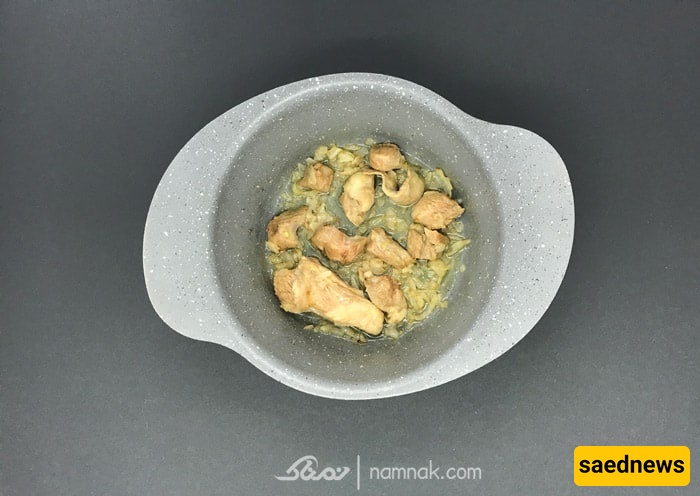
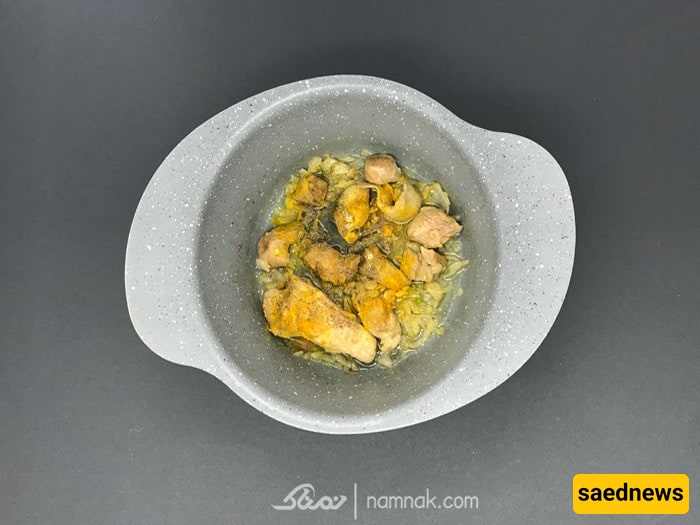
Add spices
Add turmeric and black pepper and stir well so the flavors combine with the meat and onion.
Add beans
Drain and rinse the beans, then add them to the pot.
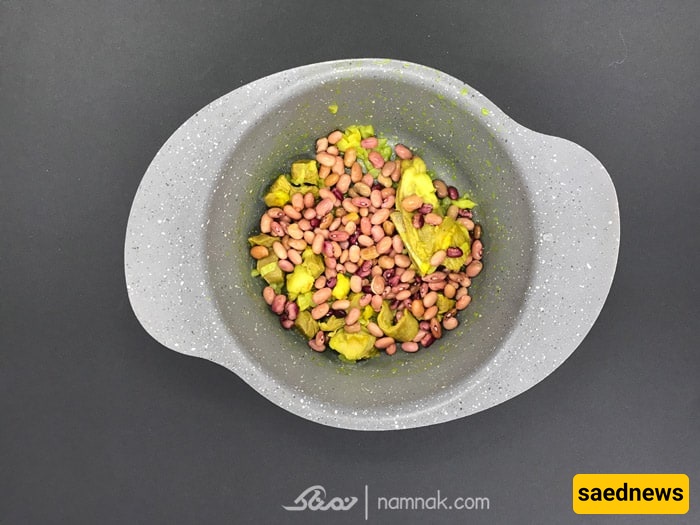
Add water and simmer
Add water and cook until the meat is partially tender.
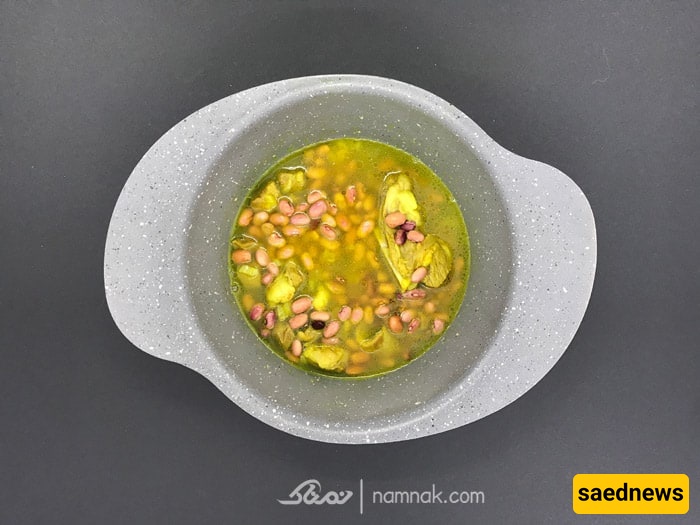
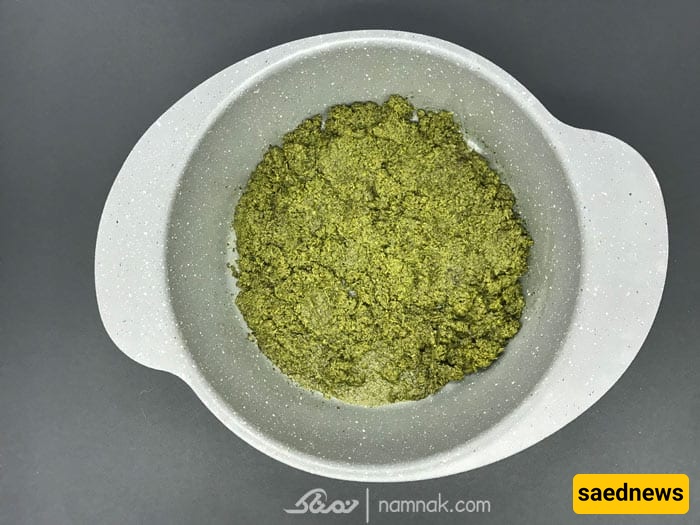
Prepare and fry herbs
Wash and dry the herbs, finely chop them, then sauté for about 15 minutes until they darken and are well fried.
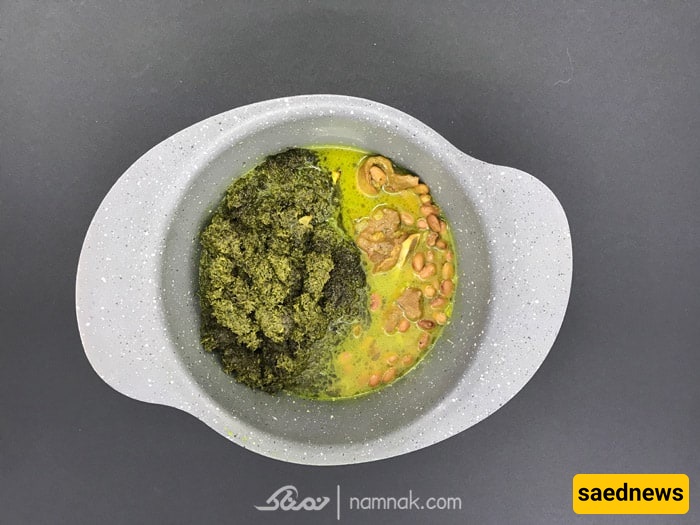
Combine herbs with stew
Add the fried herbs to the pot.
Add dried limes and seasoning
Add salt, pepper, and pierced dried limes. Be careful—low-quality dried limes can make the stew bitter.
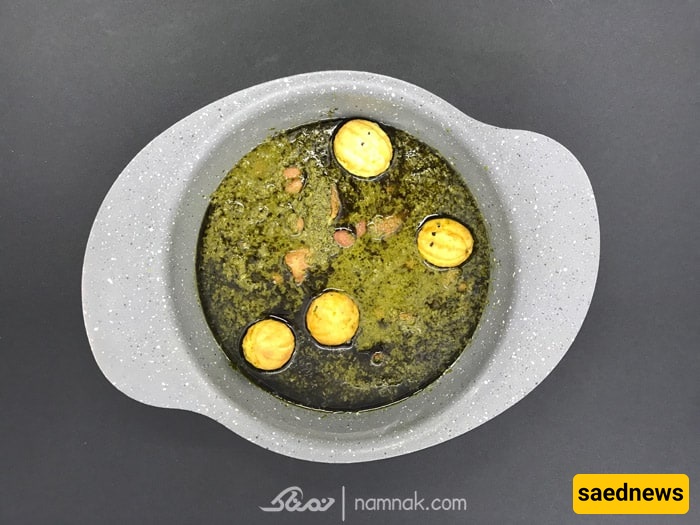
Final cooking stage
Let the stew simmer until fully cooked and a layer of oil appears on top, indicating it is well-cooked and rich.
Serve
Cook for 1 to 1.5 more hours until fully tender and serve with rice.
Soaking beans overnight reduces bloating.
Kidney beans, pinto beans, or even cowpeas can be used depending on preference.
Adding a small amount of tomato paste can reduce bitterness, but too much will alter the taste.
Using bone broth or lamb fat enhances flavor.
Adding ice cubes near the end can help release oil to the surface for a richer texture.
Herbs should be well sautéed but not burned, as burning causes bitterness.
Some regions use different types of beans or meat based on local taste.
Calories depend on ingredients and preparation methods.
With red meat: approximately 150–200 calories per 100 g
With chicken: approximately 100–150 calories per 100 g
Oil, lemon juice, and additional ingredients can change the final calorie content.
Ghormeh Sabzi is considered to have a warm and dry temperament in traditional dietary classifications.
Preparation time: ~30 minutes
Cooking time: ~4 hours
Suitable for lunch or dinner
Can be served during Ramadan as a pre-dawn meal (Suhur)
Recipe quantity is suitable for about 6 people