Saed News: Types Of Cooking Pots, Their Variety, And Their Level Of Resistance To Heat And Different Food Materials Play A Very Important Role In Cooking And Affect Human Health. A Traditional Medicine Specialist Reviewed Different Types Of Cookware.
According to SAEDNEWS, citing Hamshahri Online, Foods Show Different Flavors And Reactions When In Contact With Various Containers. For Example, Sour And Acidic Foods, When Placed In Copper Or Plastic Containers, Can React With The Materials Of The Container And Create Harmful Compounds For Health.
Salamat News Reported That Plastic And Single-Use Containers Are Among The Most Sensitive Types Of Cookware In Causing Diseases. Hot Food In Plastic And Disposable Containers May Increase The Risk Of Cancer.
In Today’s World, Where Health Concerns And Cost Management Are Always Important, Choosing The Right Cooking Utensils Has Become A Key Question For Families.
Due To The Wide Variety Of Products In The Market And Price Fluctuations, Many Consumers Become Confused When Choosing The Best Option. In This Regard, We Spoke With A Health And Nutrition Expert To Provide A Comprehensive Guide For Choosing Cookware.
Zahra Sarbaz Hosseini, A Traditional Medicine Specialist, Emphasized Consumer Awareness And Explained Nine Common Types Of Pots Used In Iranian Kitchens.
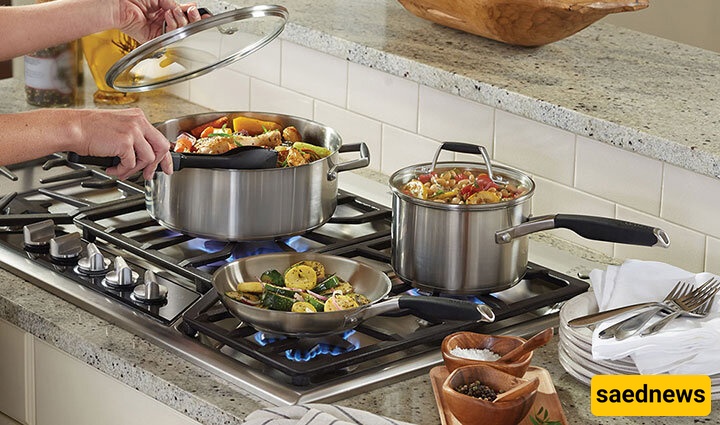
She Stated That Stainless Steel Cookware Is Resistant To Scratches, Rust, And Does Not React With Food, Making It Suitable For Frying And Boiling. It Is Easy To Clean, But It Distributes Heat Unevenly And Food May Stick Without Enough Oil. Long-Term Storage Of Acidic Foods In These Pots Is Not Recommended.
Regarding Cast Iron Cookware, She Said It Is Ideal For Slow Cooking Such As Stews, As It Retains Heat Well, But Heats Up Slowly. It Is Durable, But May React With Acidic Foods.
She Also Mentioned Enameled Cast Iron, Which Is Suitable For Stews and Does Not React With Acidic Foods. However, It Is Heavier, More Expensive, And The Enamel Layer Can Be Damaged.
She Added That Aluminum Pots Heat Quickly And Are Suitable For Fast Cooking, But They Are Easily Scratched, And Damaged Coating Can Be Harmful At High Temperatures.
She Explained That Non-Stick Teflon Cookware Allows Cooking With Little Oil, But It Is Very Sensitive To High Heat And Its Coating Can Be Damaged, Which May Pose Health Risks.
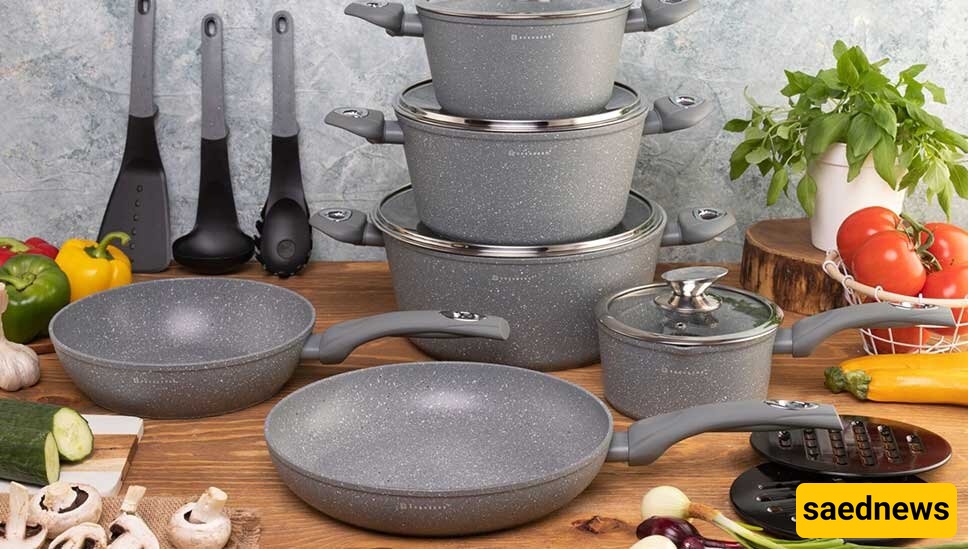
Regarding Ceramic And Granite Cookware, She Said They Are Safe And Suitable For Low-Oil Cooking, But They Are Heavy, Slow To Heat, And Expensive.
Copper Pots Have High Heat Conductivity And Are Used For Specific Foods Like Jam, But They Are Heavy, Expensive, And Require Careful Maintenance. Damaged Inner Layers Can Be Very Harmful.
Glass Or Pyrex Cookware Is Non-Reactive And Safe, Allows Visibility During Cooking, And Can Be Used In Microwaves, But It Has Poor Heat Distribution And Can Break Easily.
Stone Cookware Retains Heat For Slow Cooking, But Is Difficult To Clean, Expensive, And Heavy.
The Specialist Concluded That Based On Modern Studies And Traditional Medicine, Glass Or Pyrex Cookware Is Considered The Safest Option. However, Depending On Financial Ability And Daily Needs, Other Safe Cookware Types Can Also Be Used, As Long As Safety Guidelines Are Followed.