SAEDNEWS: A Complete Guide to Buying a Rice Cooker: Key Features and Tips to Consider
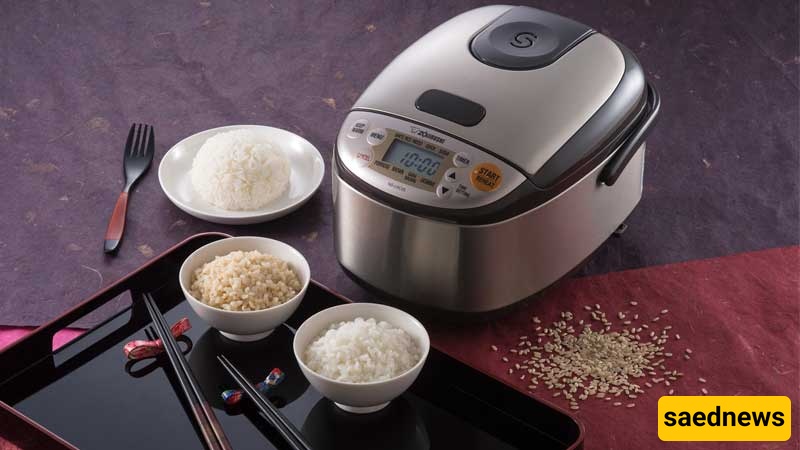
According to Saednews, As the name suggests, a rice cooker is designed to cook rice conveniently and efficiently. Depending on the appliance's capacity and the size of your family, you can add rice, water, and salt, then plug in the device and let it cook the rice automatically. In a short time, your rice will be ready to serve with minimal effort.
Some rice cookers even allow you to control how crispy the bottom layer of rice becomes. If you have a busy schedule or prefer not to spend time standing over the stove, this guide will help you choose the right rice cooker for your needs.
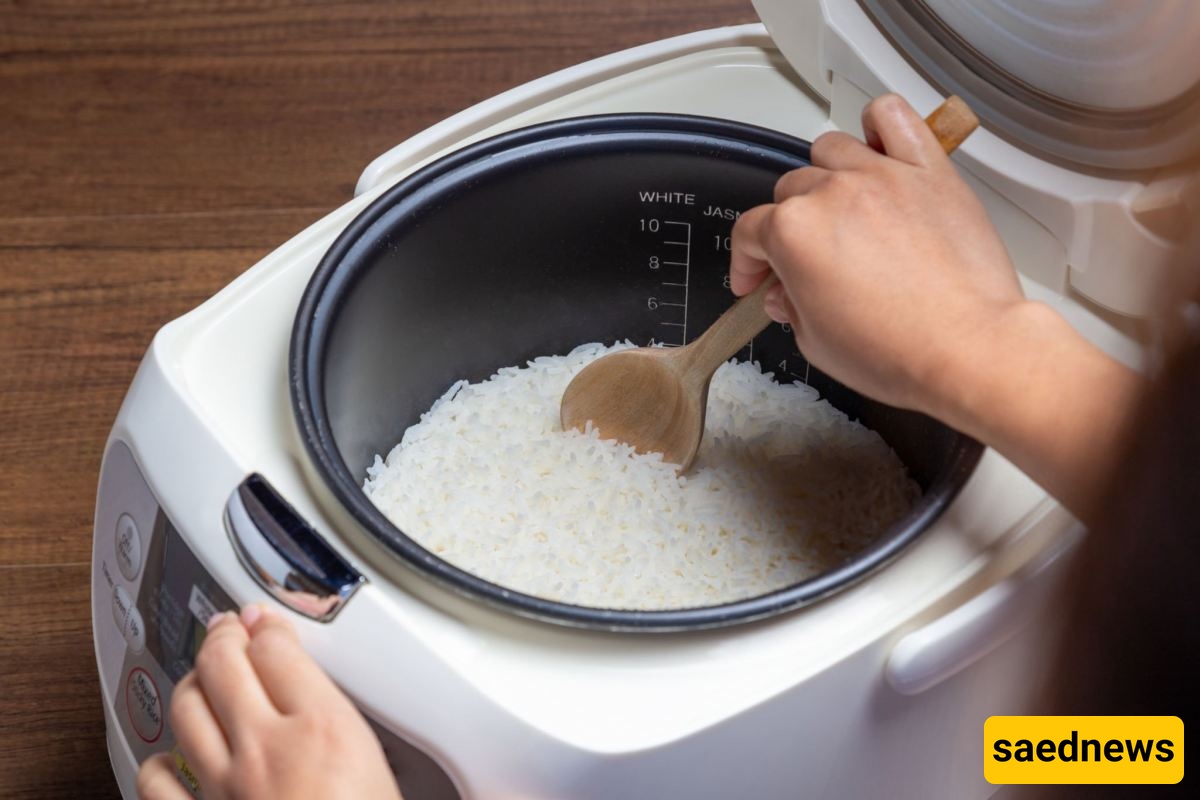
Rice cookers can generally be divided into two main categories based on their functionality:
Basic rice cookers
Multifunctional rice cookers
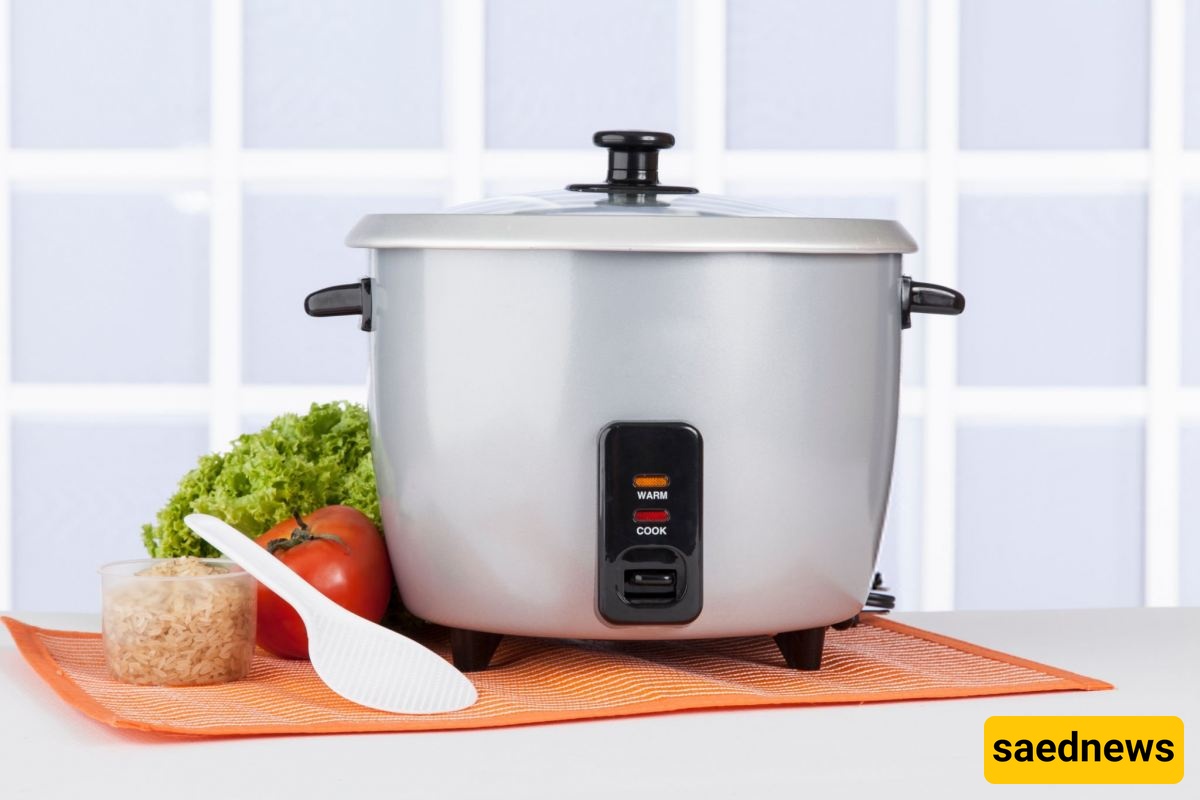
Basic rice cookers are the simplest and most traditional models. Their primary purpose is to cook rice, usually without allowing users to select different cooking programs or adjust cooking times manually.
These appliances work by generating heat through a heating element at the bottom of the unit, which transfers heat to the inner pot. Most models also include a keep-warm function to maintain the rice's temperature after cooking.
Basic rice cookers are generally among the most affordable options available.
A multifunctional rice cooker can be a valuable addition to any kitchen. In addition to cooking rice, these appliances can prepare a variety of dishes, including stews, pasta, steamed foods, and more.
Depending on the model, a multifunctional rice cooker may combine the functions of a rice cooker, slow cooker, and steamer in one appliance. Many models allow users to select cooking programs and set cooking times.
Although multifunctional models usually cost more than basic rice cookers, their versatility makes them a practical choice for many households.
You may wonder how a multicooker differs from a multifunctional rice cooker or a slow cooker.
The slow-cooking function found in a multicooker or multifunctional rice cooker generally performs a similar role to that of a standalone slow cooker. However, multicookers and rice cookers differ in several important ways.
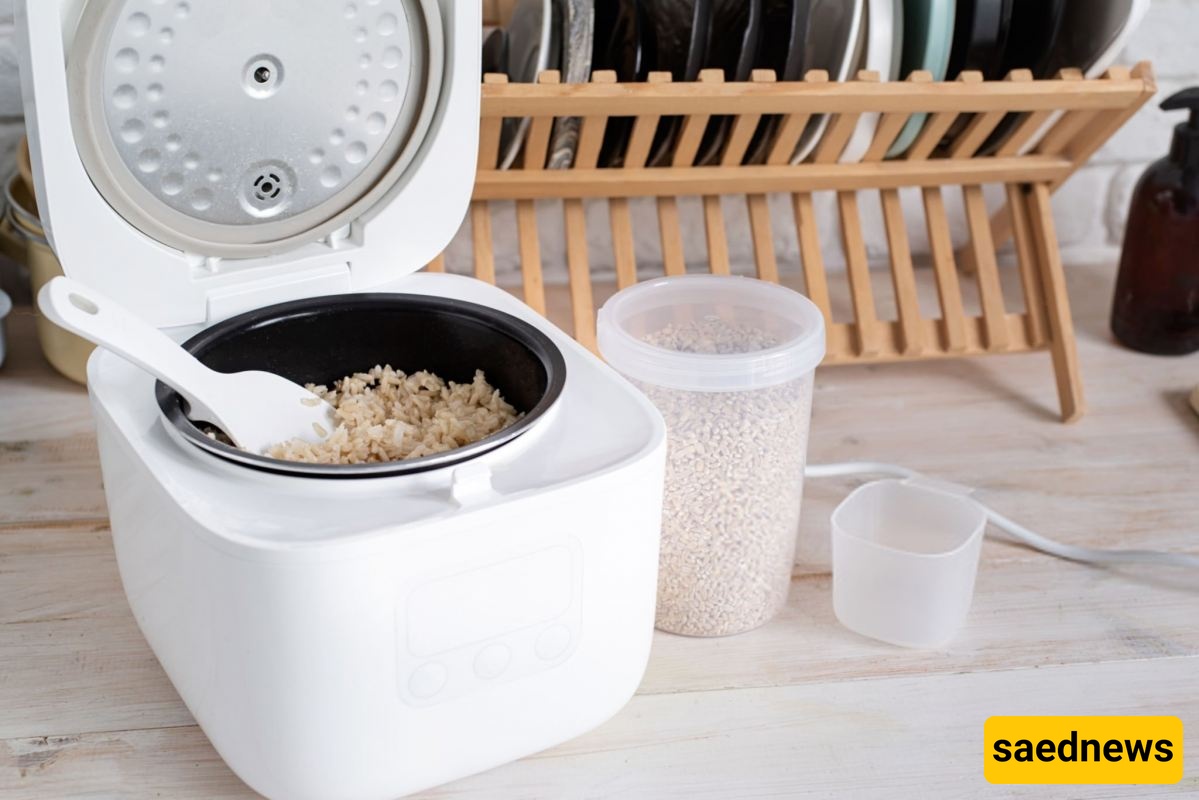
One major difference is the number of cooking functions and preset programs available.
For example, some multicookers can sauté or fry ingredients, while certain multifunctional rice cookers may not offer these options. However, features vary considerably depending on the brand and model.
Both appliances can prepare a wide range of foods, including rice, stews, pasta, and porridge.
However, rice cookers are specifically designed to produce well-cooked rice with a desirable texture, while multicookers offer greater flexibility for preparing a wider variety of meals.
Before purchasing either appliance, consider your usual eating habits. If rice is an important part of your daily diet, a multifunctional rice cooker may be the better choice. If you eat rice less frequently and want an appliance that can handle many different cooking tasks, a multicooker may be more suitable.
Choosing the right rice cooker involves more than comparing prices. Several factors can affect cooking performance, convenience, durability, and overall value.
The following considerations will help you select a model that matches your needs.
As explained above, rice cookers come in different types, each offering distinct features and price points.
Your choice should depend on your budget, cooking habits, and how frequently you plan to use the appliance.
For many households, a multifunctional rice cooker offers excellent value because it combines several useful cooking functions in one device. However, if you only need to cook plain rice, a basic model may be sufficient.
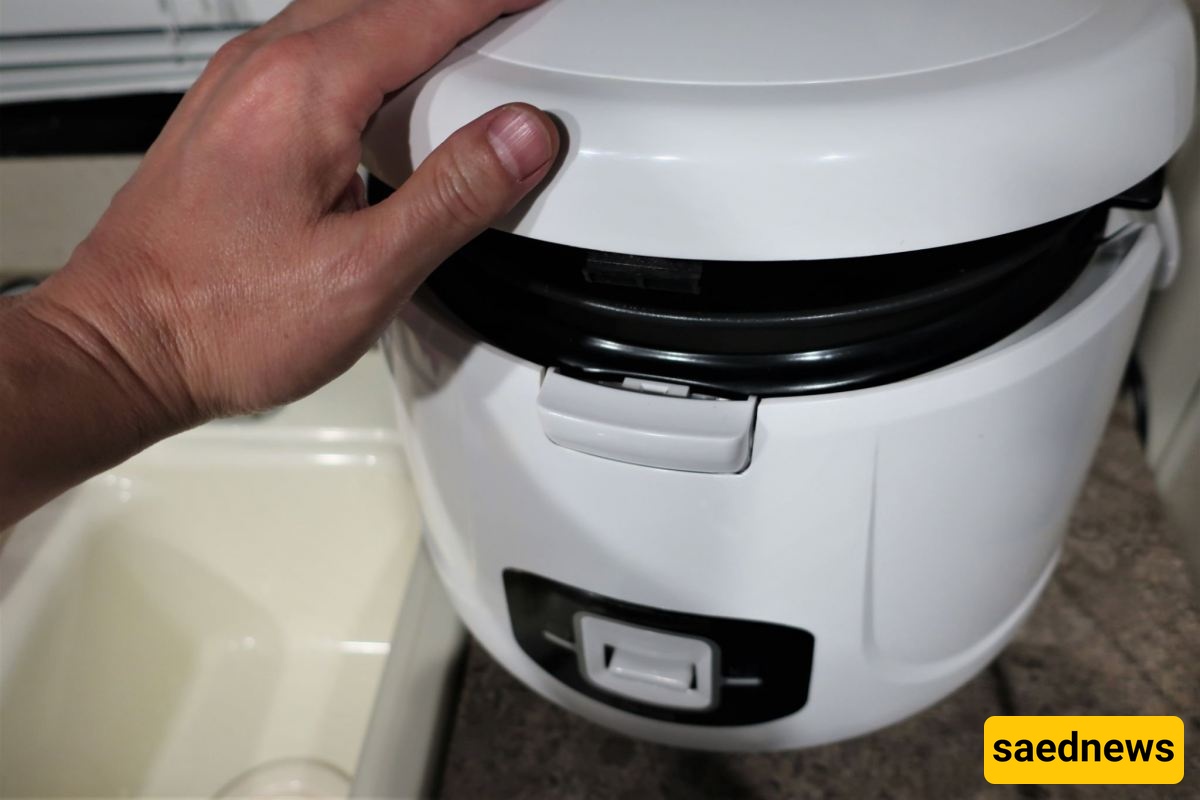
Pay close attention to the appliance's construction, especially the material and coating of the inner cooking pot.
A good-quality inner pot should be durable, resistant to scratches, and capable of withstanding regular use.
Many rice cookers feature nonstick coatings, such as Teflon, which make it easier to remove cooked rice and crispy rice crust without sticking. These coatings can also simplify cleaning.
To extend the pot's lifespan, follow the manufacturer's cleaning instructions and avoid utensils that could damage the coating.
One of the most important factors when buying a rice cooker is its capacity.
Choose a model that can prepare enough rice and other dishes for everyone in your household. If you frequently entertain guests, consider purchasing a larger model.
Rice cooker capacities vary by brand and model. Common sizes are marketed for one, two, four, eight, or more people.
The following table provides a general guide to rice cooker capacity:
Capacity | Approximate servings |
|---|---|
3.6 liters | 16 people |
2.7 liters | 12 people |
1.8 liters | 8 people |
1 liter | 4 people |
600 milliliters | 2 people |
These figures are approximate. Actual serving capacity depends on the appliance's design, the amount of uncooked rice used, and individual portion sizes.
If you choose a multifunctional rice cooker, check which foods and cooking methods it supports.
Some models offer programs for preparing numerous dishes, making them suitable for households that enjoy varied meals.
A timer is another useful feature. Depending on the model, you may be able to schedule cooking or set a delayed start so that the rice is ready when needed.
Before purchasing, check whether the timer supports delayed starting, automatic shutoff, or both, as these functions are not available on every appliance.
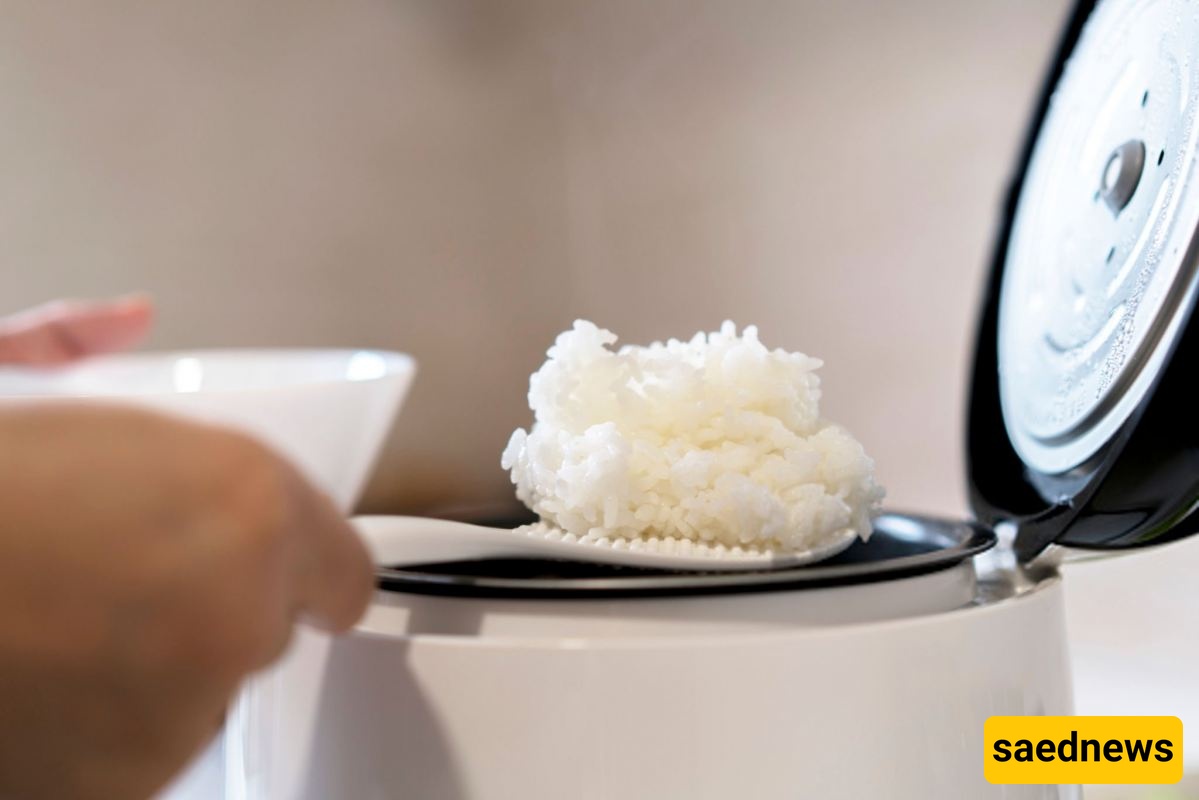
In Iranian cuisine, the crispy rice crust known as tahdig is an important part of many meals.
If you particularly enjoy tahdig, look for a rice cooker with an adjustable crust-setting function. Some Iranian brands, such as Pars Khazar, are popular among consumers who prefer a traditional-style crispy rice crust.
The control system varies by brand. Some digital models offer a dedicated setting on the display, while others use a button labeled “Crust.”
Before purchasing, check whether the appliance lets you adjust the level of browning to suit your preferences.
Brand reputation and price are also important considerations.
Although Iranian rice cookers may appeal to people who prefer traditional Iranian-style rice and tahdig, many consumers prefer international brands.
Start by determining your budget and identifying the features you need. The final price generally depends on factors such as brand reputation, cooking capacity, build quality, and the number of available functions.
Rather than paying extra for features you may never use, focus on the functions that will make a genuine difference in your daily cooking.
Modern rice cookers can do much more than prepare plain rice. Before purchasing one, consider whether you will actually use its additional features.
Basic models typically offer simple controls, such as an on/off switch and a keep-warm function.
If your main goal is to cook white rice, these appliances can be a practical and economical choice. Their simpler design may also make operation and maintenance easier.
Multicookers can function as versatile kitchen appliances, with features that may include:
Tahdig and crust control: Adjusting the browning level of the rice crust, depending on the model.
Steaming: Using a dedicated steaming basket to cook vegetables, fish, or chicken.
Slow cooking and pressure cooking: Preparing stews, soups, and other dishes. Pressure cooking is available only on compatible models.
Cake baking: Using a dedicated program to control the cooking process for cakes and other baked-style desserts.
If you have limited kitchen space or enjoy preparing a wide variety of dishes, investing in a high-quality multicooker may be more economical than purchasing several separate appliances.
However, make sure the model includes the specific functions you need, as features differ between products.
How does a rice cooker cook rice evenly?
In traditional models, the heating element is located primarily at the bottom of the appliance. This design can sometimes lead to uneven cooking, with the rice at the bottom becoming drier or more thoroughly cooked than the rice near the top.
Modern appliances may use more advanced heating technologies to improve consistency.
In models equipped with 3D heating, heating elements may be positioned at the bottom, around the sides, and in the lid.
This arrangement distributes heat more evenly throughout the cooking pot, helping produce rice with a more consistent texture.
If even cooking is a priority, look for a model that specifically lists 3D heating or another advanced heating system in its specifications.
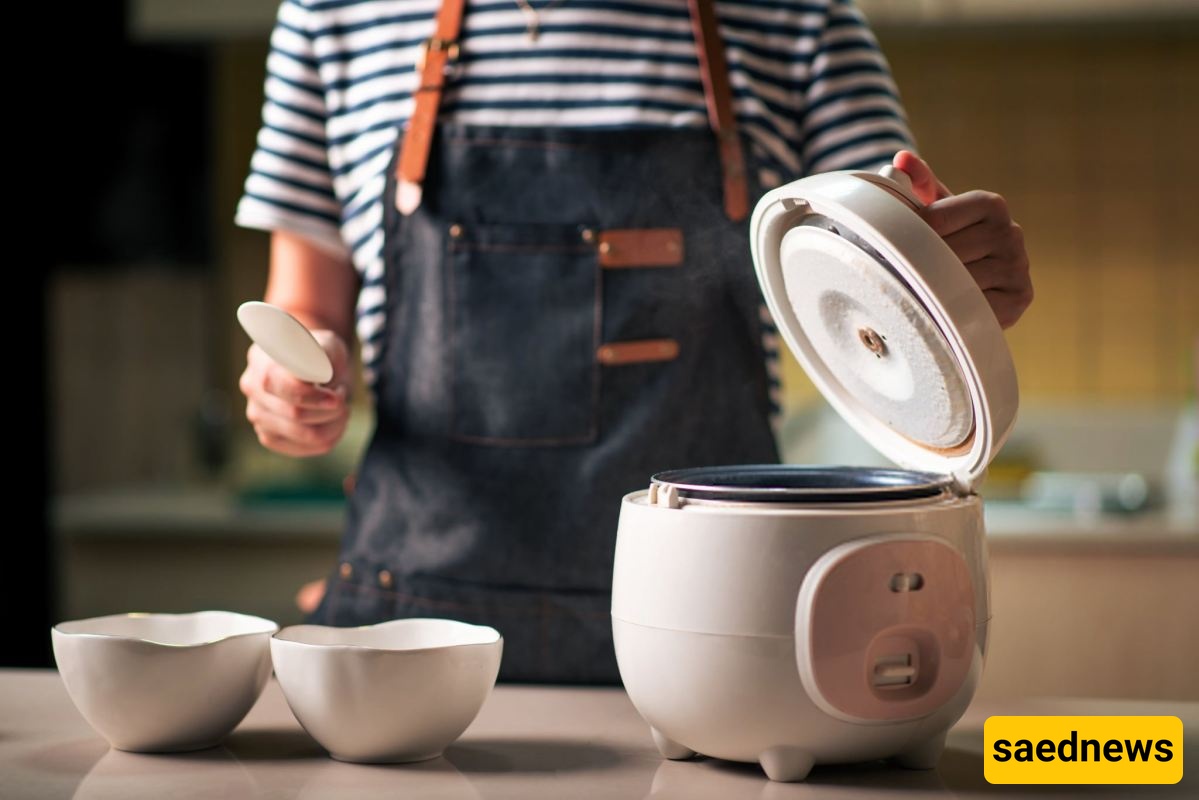
Fuzzy Logic is a smart cooking technology designed to simplify the process, especially for users who are not experienced cooks.
Using internal sensors and programmed controls, the appliance can adjust cooking temperature and duration according to changing conditions during the cooking cycle.
Depending on the model, this technology can help compensate for variations in rice quantity, moisture, and temperature, reducing the likelihood of undercooked or overcooked rice.
For people who want consistent results without manually adjusting every setting, a rice cooker with Fuzzy Logic can be a worthwhile investment.
Higher-priced rice cookers often include more advanced sensors, improved heating systems, stronger construction, and a wider range of cooking programs.
Features such as Fuzzy Logic and 3D heating can improve temperature control and cooking consistency. As a result, some premium models produce rice with a more consistent texture and are better able to prevent uneven cooking.
However, price alone does not guarantee better results. The quality of the inner pot, the heating system, the available settings, and the appliance's overall design all matter.
A simple guideline is to allow approximately one standard measuring cup of uncooked rice per person when rice is the main part of the meal. Actual requirements vary according to appetite, side dishes, and serving size.
For a family of four, a rice cooker that can comfortably accommodate at least four to six measuring cups of uncooked rice may be a suitable starting point.
It is also useful to leave some extra capacity for guests and larger batches. However, always follow the manufacturer's minimum and maximum filling guidelines.
Remember that rice cooker capacity is often listed in liters, while rice capacity may be specified in measuring cups. These measurements are not interchangeable, so check the manufacturer's stated rice-cooking capacity before buying.
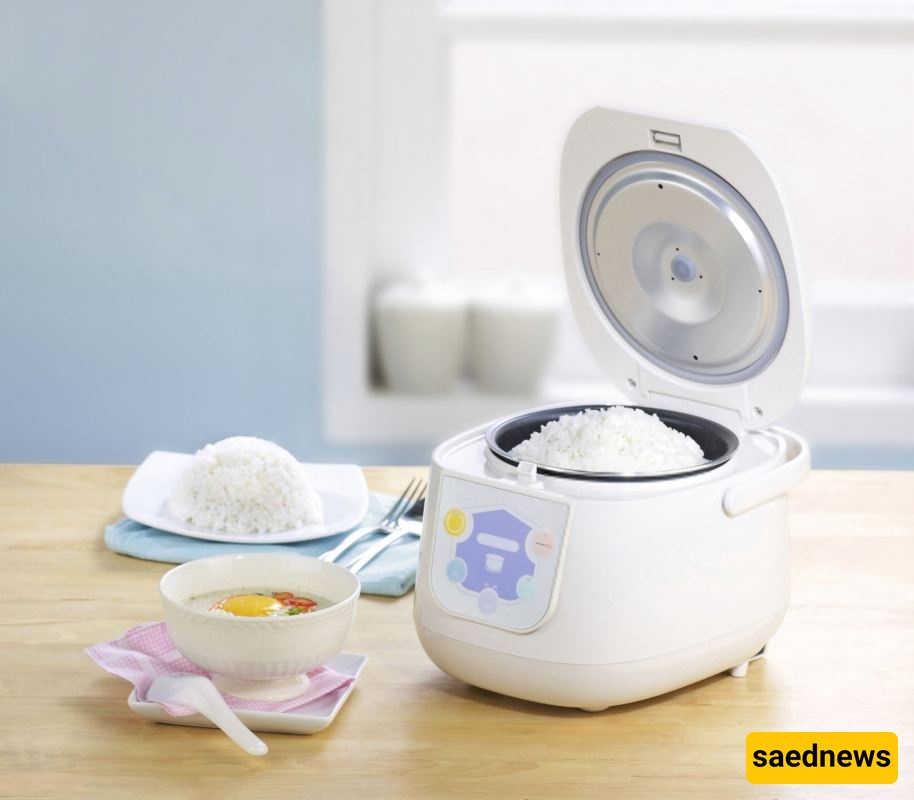
Mechanical rice cookers usually have simple controls, often consisting of a single switch. When the water has been absorbed and the cooking cycle finishes, the appliance typically switches automatically to keep-warm mode.
Their straightforward design can make them easier to operate and repair.
Digital rice cookers generally feature a display, timer, and multiple cooking programs, such as quick cooking, soup preparation, and crispy rice crust settings.
These features provide greater control over the cooking process. However, digital models have electronic components that may be more sensitive to electrical fluctuations and can be more expensive to repair.
Choosing the right rice cooker depends on your household size, cooking preferences, budget, and the features you expect to use regularly.
A basic rice cooker is often sufficient for people who mainly prepare plain rice. A multifunctional rice cooker is a better option for those who want additional cooking programs, while a multicooker may suit households that prioritize versatility across different types of meals.
Before making a purchase, compare capacity, inner-pot quality, heating technology, timer functions, ease of cleaning, and warranty coverage. By focusing on your actual needs rather than the number of advertised features, you can choose a rice cooker that offers reliable performance and good long-term value.