SAEDNEWS: Let’s start with the simplest differences. Espresso machines and Nespresso machines have completely different designs, and this becomes obvious even at a quick glance. Keep reading to learn more about the key differences between Nespresso machines and traditional espresso machines.
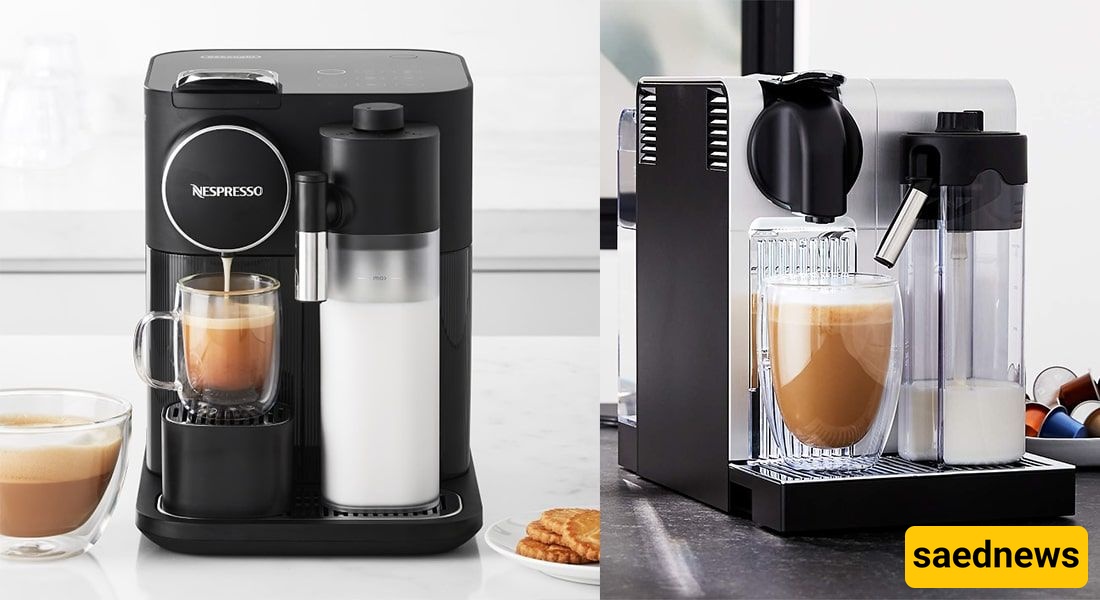
According to Saednews, Today, it is rare to find someone who has never heard of Nespresso machines, commonly known as capsule coffee makers. The question is: what advantages do Nespresso machines offer that have made them so popular and attracted coffee lovers around the world, particularly in Iran?
One of the most important differences between Nespresso machines and traditional ground-coffee espresso machines is the quality and consistency of the coffee they produce. Nespresso machines use pre-packaged coffee capsules containing carefully selected coffee from high-quality farms around the world. This allows users to enjoy consistent flavor and quality with every cup.
Several major companies, including Nestlé and Starbucks, produce coffee capsules compatible with Nespresso systems. For people who are always short on time, capsule espresso machines can be an especially convenient option.
Another major difference is the amount of time required to prepare a cup of coffee. Nespresso machines can prepare a variety of beverages in a very short time—sometimes in as little as 15 seconds—while maintaining consistent quality.
They also require very little cleaning after brewing. In most cases, the used capsule simply needs to be removed and discarded, making the process quick and convenient.
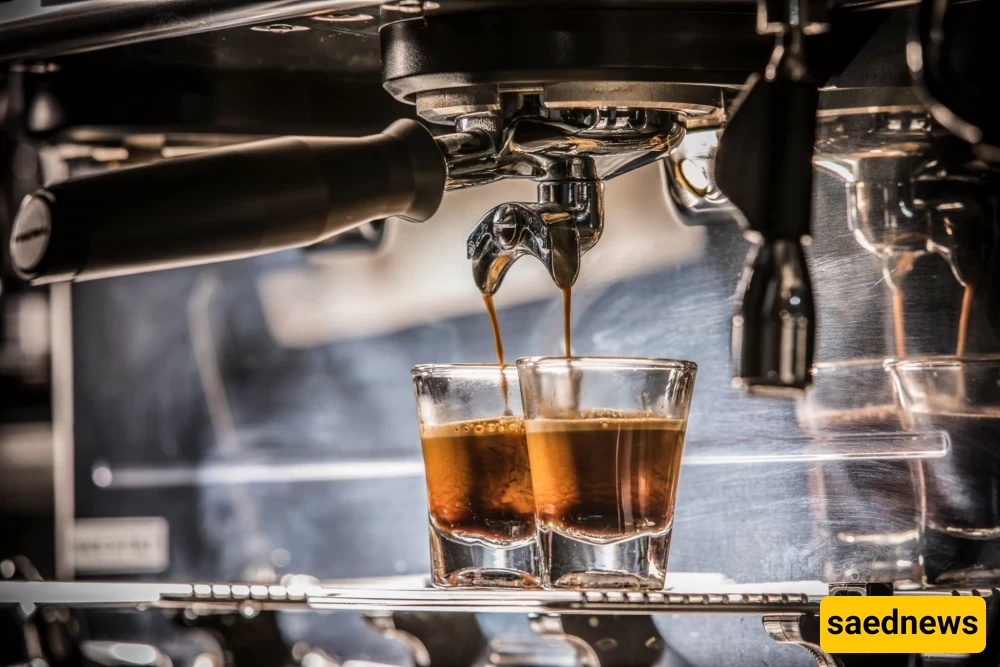
Traditional ground-coffee espresso machines, on the other hand, require several steps for each shot. The coffee must be ground, measured, tamped, and placed into the portafilter before brewing. Cleaning the portafilter and other components afterward also takes additional time.
Since time has become an increasingly valuable part of our daily lives, one of the main differences between traditional espresso machines and Nespresso machines is therefore the speed and convenience of preparing and serving coffee.
There is a common belief that Nespresso capsules are expensive or difficult to find. However, this is not necessarily the case.
Due to the growing popularity of capsule coffee machines, many companies in Iran, including brands such as Ben Mano, produce coffee capsules that can be purchased at relatively affordable prices.
International companies such as Nestlé, Jacobs, and Starbucks also manufacture compatible coffee capsules. These products may offer different flavor profiles and quality levels and are widely available in international markets.
In terms of beverage variety, there is essentially no major limitation.
Many of the drinks that can be prepared with a traditional espresso machine can also be made using a Nespresso machine, depending on the machine and capsule system. These include ristretto, espresso, double espresso, cappuccino, latte, macchiato, and other coffee-based beverages.
It is also important to clarify a common misunderstanding: Nespresso is not a type of coffee beverage. Nespresso is a coffee brand and capsule-based brewing system. Different manufacturers, including De'Longhi and Krups, produce Nespresso-compatible machines in various models and price ranges.
With the appropriate machine and capsules, users can prepare a wide range of coffee drinks while maintaining a high level of consistency.
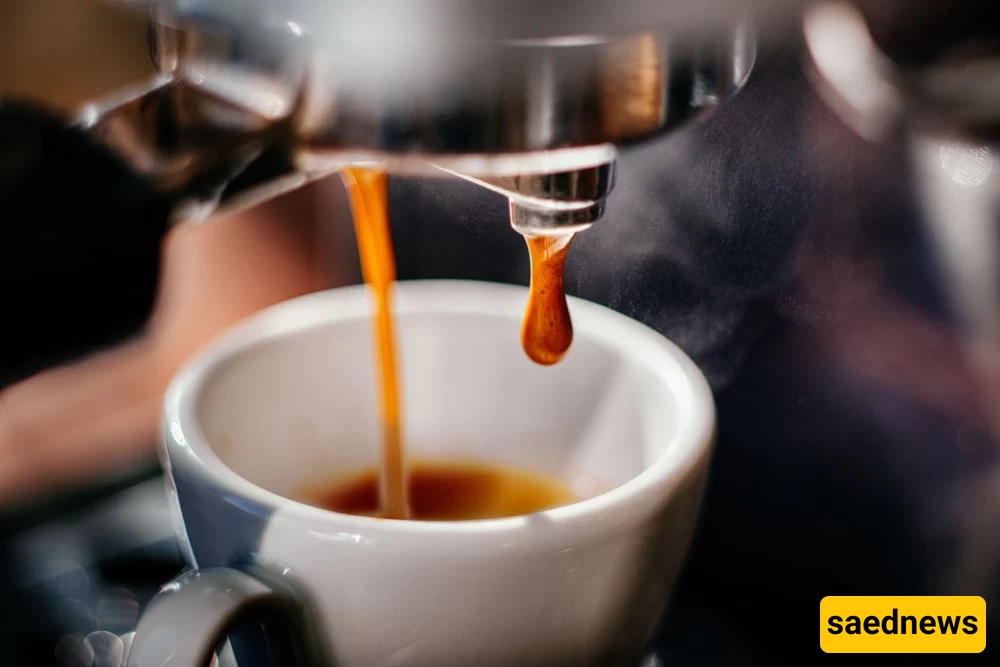
Many Nespresso machines manufactured or assembled by companies such as De'Longhi, Krups, and Philips come with features such as high-pressure brewing systems, automatic milk systems, descaling sensors, touch controls, and automatic cleaning functions.
Depending on the specific model, Nespresso machines may be manufactured in countries such as Italy, France, Ukraine, or Hungary. Build quality and materials can vary significantly between models, so the country of manufacture alone should not be considered a definitive indicator of quality.
Traditional ground-coffee espresso machines also come in a wide range of designs and quality levels. Some entry-level models may lack features such as automatic milk systems or advanced cleaning functions, while higher-end traditional espresso machines can offer sophisticated brewing technology and premium materials.
The main advantage of Nespresso machines is speed, convenience, consistency, and ease of use. Traditional espresso machines, meanwhile, provide greater control over variables such as grind size, coffee dose, tamping, and extraction.
Therefore, the better choice ultimately depends on what you value most: quick and convenient coffee preparation or greater control over the brewing process.