SAEDNEWS: Lace and guipure look very similar, making them easy to confuse. Learn the main differences between these two elegant fabrics and how to tell them apart.
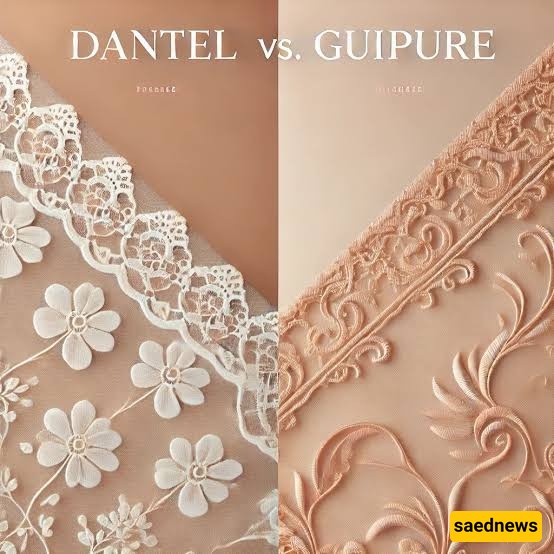
According to Saednews, Lace and guipure are two of the most elegant fabrics used in fashion. Because they share a similar appearance, many people find it difficult to tell them apart. Both fabrics are commonly used to create delicate garments, especially bridal and formal wear, but they differ in structure, texture, and production.
Lace is a delicate decorative fabric with a fine mesh background and raised patterns. Traditional lace is made by weaving silk threads onto a net base, creating intricate floral or ornamental designs.
Lace is available in several styles, including:
Embroidered lace
Raised (corded) lace
Plain lace
Due to its refined appearance, lace is widely used for wedding dresses, engagement gowns, evening wear, veils, and elegant fashion pieces. The combination of a sheer mesh background and detailed raised motifs gives lace its distinctive luxurious look. High-quality lace is generally more expensive because of its craftsmanship and fine materials.
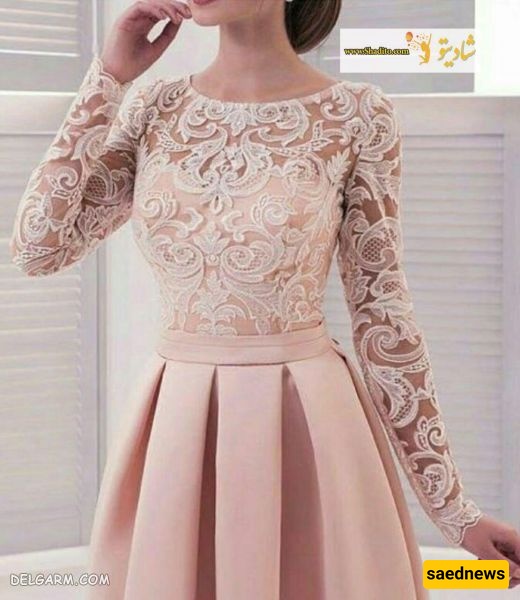
Guipure is a decorative fabric made from silk, cotton, or blended fibers. Unlike lace, it does not have a mesh or net background. Instead, its floral and decorative motifs are connected directly by bars or threads, creating an open yet solid design.
Guipure is thicker and more structured than traditional lace, making it a popular choice for:
Evening dresses
Formal gowns
Fashion garments
Decorative clothing details
Because it lacks a net backing, guipure is typically sewn onto a lining to provide support and coverage. Fashion designers often choose guipure for its bold texture and elegant three-dimensional appearance.
Although lace and guipure may look similar at first glance, several characteristics set them apart:
Background: Lace features a visible mesh or net base, while guipure has no net background.
Construction: Lace patterns are woven onto the mesh, whereas guipure motifs are connected directly to each other.
Texture: Lace is lighter and finer, while guipure is thicker and more structured.
Appearance: Lace has a soft, delicate look, while guipure creates a more pronounced, dimensional effect.
Price: High-quality lace is generally more expensive than guipure because of its intricate weaving process and premium materials.
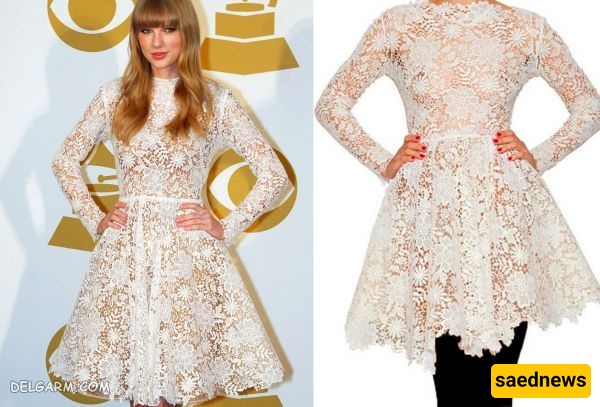
The easiest way to distinguish the two fabrics is by examining the background.
In lace, the raised floral patterns sit on a visible mesh foundation that covers most of the fabric. In guipure, there is no mesh; the decorative motifs are linked directly together, leaving open spaces between them.
Wedding dresses made from premium lace are often more expensive due to the fabric's delicate craftsmanship. Guipure offers a similar elegant appearance at a more affordable price while providing greater structure.
High-quality lace is traditionally produced in countries such as France and Türkiye, which are known for their long history of lace-making. When purchasing lace, it is important to choose reputable suppliers, as lower-quality alternatives may lose their color and appearance over time.
For custom-made garments, selecting quality fabric from trusted retailers helps ensure better durability, beauty, and overall craftsmanship.