SAEDNEWS: Bloody hemorrhoids are not fatal on their own, but they can interfere with daily life and, if left untreated, may require more invasive treatment methods.
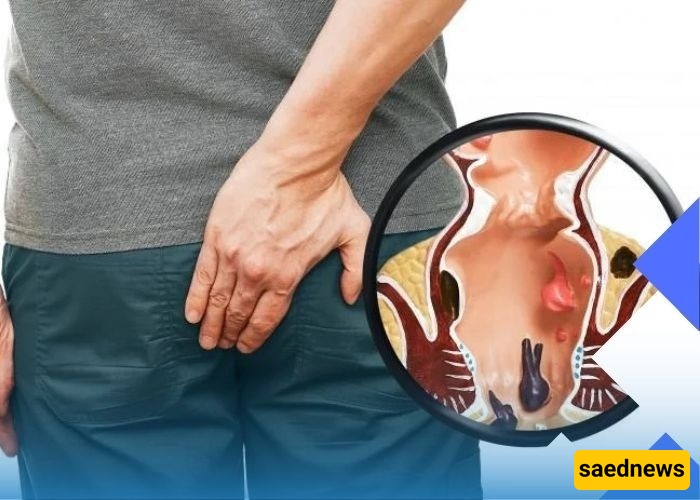
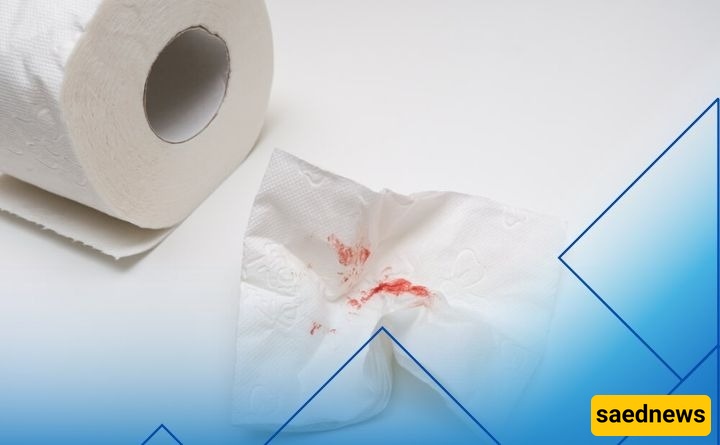
According to Saednews, Bleeding hemorrhoids are a type of hemorrhoid in which swollen veins around or inside the anus become damaged and bleed. This bleeding usually occurs during bowel movements and may appear as bright red blood on toilet paper or in the stool. Excessive pressure on the anal area due to constipation, straining during bowel movements, or prolonged sitting can damage the walls of these veins, leading to bleeding.
Although bleeding hemorrhoids may look alarming, they are usually not serious or dangerous in most cases. However, repeated or heavy bleeding can sometimes indicate an underlying condition or lead to complications such as anemia.
For most people, hemorrhoid-related bleeding is mild, temporary, and does not require major concern. However, if bleeding happens frequently or the amount of blood is significant, it may cause problems such as:
Mild to moderate anemia: Repeated bleeding can reduce hemoglobin levels in the blood.
Infection: In rare cases, damaged or ulcerated hemorrhoids may become infected.
Inflammation and severe discomfort: Bleeding may occur along with increased swelling and irritation.
Misdiagnosis of another condition: Rectal bleeding can sometimes be caused by more serious diseases, such as colorectal cancer, and may be mistaken for hemorrhoids.
Therefore, while bleeding hemorrhoids are often harmless, ignoring persistent symptoms is not recommended, especially when the condition becomes chronic.
Certain symptoms require medical evaluation when they occur along with bleeding hemorrhoids. You should consult a doctor if you experience:
Heavy or continuous bleeding
Dark or black-colored blood
Unexplained weight loss
Changes in bowel habits, such as long-term constipation or diarrhea
A family history of colorectal cancer or digestive disorders
These warning signs may require further examinations, such as a colonoscopy, to determine the exact cause of bleeding.
Treatment of Bleeding Hemorrhoids: From Simple Measures to Advanced Procedures
Treatment depends on the severity of the hemorrhoids, whether they are internal or external, and how often bleeding occurs. Many cases improve with lifestyle changes and home treatments, while advanced cases may require medical procedures.
Increase dietary fiber intake: Eat more fruits, vegetables, and whole grains.
Drink enough fluids: Proper hydration helps prevent constipation.
Avoid straining during bowel movements.
Use warm water baths (sitz baths): These can reduce discomfort and irritation.
Apply topical creams or use suppositories when recommended.
Medical treatments may include:
Rubber band ligation (RBL): A small band is placed around the hemorrhoid to cut off its blood supply.
Sclerotherapy: A medication is injected into the hemorrhoid vein to shrink it.
Laser treatment: A minimally invasive option for treating hemorrhoids.
Hemorrhoidectomy: A surgical procedure to remove hemorrhoids.
In recent years, minimally invasive methods such as CO₂ laser treatment have become popular options for treating bleeding hemorrhoids. Unlike traditional surgery, laser treatment usually does not require large incisions and is often performed in a clinical setting with local anesthesia.
Because of this, patients generally experience less postoperative pain, recover faster, and return to daily activities sooner. The risks of complications such as infection and heavy bleeding may also be reduced.
For people with chronic or recurring bleeding hemorrhoids who do not respond to medication or lifestyle changes, laser treatment may provide a more effective long-term solution. It can improve quality of life and reduce repeated discomfort caused by ongoing bleeding.
Difference Between Bleeding Hemorrhoids and Other Causes of Rectal Bleeding
Hemorrhoids are only one possible cause of rectal bleeding. Other conditions, including anal fissures, intestinal inflammation, polyps, and colorectal cancer, can produce similar symptoms.
For this reason, doctors may perform examinations such as:
Physical examination
Anoscopy
Colonoscopy
Self-diagnosis can be risky because it may delay the correct treatment of a more serious condition.
Prevention of Bleeding Hemorrhoids: Simple and Effective Tips
Following healthy habits can help prevent hemorrhoids or reduce the chance of recurrence. This is especially important for people with a family history of hemorrhoids or those who spend long periods sitting.
Stay physically active and exercise regularly
Prevent constipation through a fiber-rich diet
Avoid spending excessive time on the toilet, such as using a mobile phone while sitting there
Limit highly processed, spicy, or low-fiber foods
Maintain proper anal hygiene
Although these steps may seem simple, they can significantly improve digestive and rectal health over time.
Bleeding Hemorrhoids Should Be Taken Seriously, But There Is No Need to Panic
Bleeding hemorrhoids can appear frightening because seeing blood during a bowel movement is naturally concerning. However, in most cases, they can be managed and treated successfully.
The most important point is not to ignore bleeding or automatically assume it is caused by hemorrhoids. Proper diagnosis is the first step toward effective treatment.
Mild bleeding can often be controlled through dietary improvements, increased physical activity, and topical treatments. However, repeated or severe bleeding, especially when accompanied by weight loss, severe pain, or changes in bowel habits, requires medical attention to rule out other possible causes such as anal fissures, polyps, or colorectal cancer.
Bleeding hemorrhoids are rarely life-threatening, but they can affect daily comfort and may require more advanced treatment if left untreated. Staying aware of symptoms and seeking medical advice when necessary is the best approach for maintaining long-term health.